Space exploration has entered a new era where cultivating plants beyond Earth is no longer science fiction. Establishing reliable agricultural systems in orbit or on other celestial bodies promises not only to supply fresh food for astronauts but also to dramatically cut mission costs by reducing resupply needs. As research facilities on the International Space Station expand their experiments, the notion of extraterrestrial farms inches closer to operational reality.
Benefits of Space-Based Agriculture
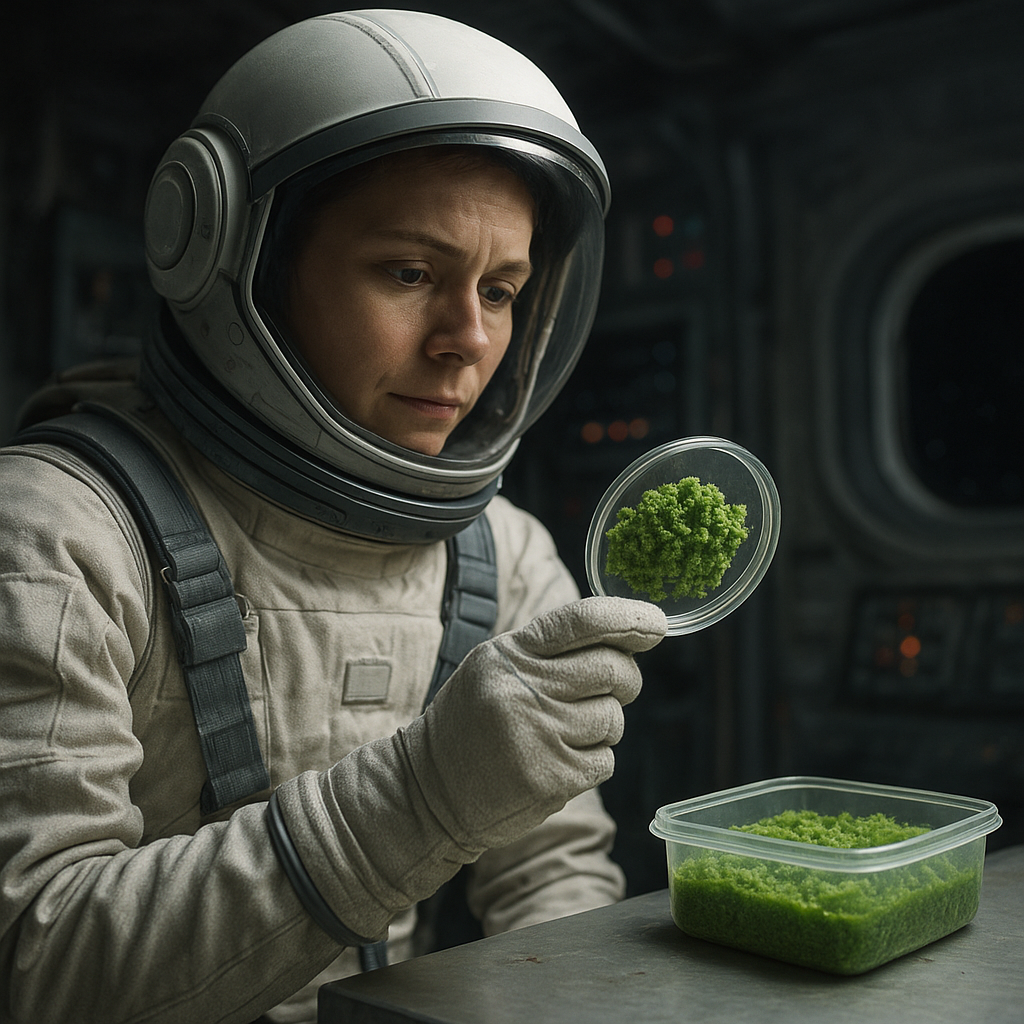
Integrating crop production into life-support systems offers a wealth of advantages. First, fresh produce delivers essential vitamins and minerals that prepackaged meals often lack. This nutritional boost can enhance crew health, accelerate recovery after strenuous tasks, and counteract the physiological effects of long-duration flights. Second, tending plants provides psychological comfort and a sense of normalcy for astronauts confined in metal modules. Greenery stimulates the senses and reduces stress, which is vital for preserving mental well-being on missions that may span months or years.
Perhaps most compelling is the potential to save billions of dollars in logistics. Launching mass-intensive supplies from Earth incurs extremely high costs per kilogram. By growing food in situ, agencies can lower payload volumes and frequency of cargo missions, directly impacting the overall budget. Moreover, space farms can contribute to a closed-loop ecological system by recycling water and organic waste, further driving down resource dependency.
Key Technologies Driving Space Farming
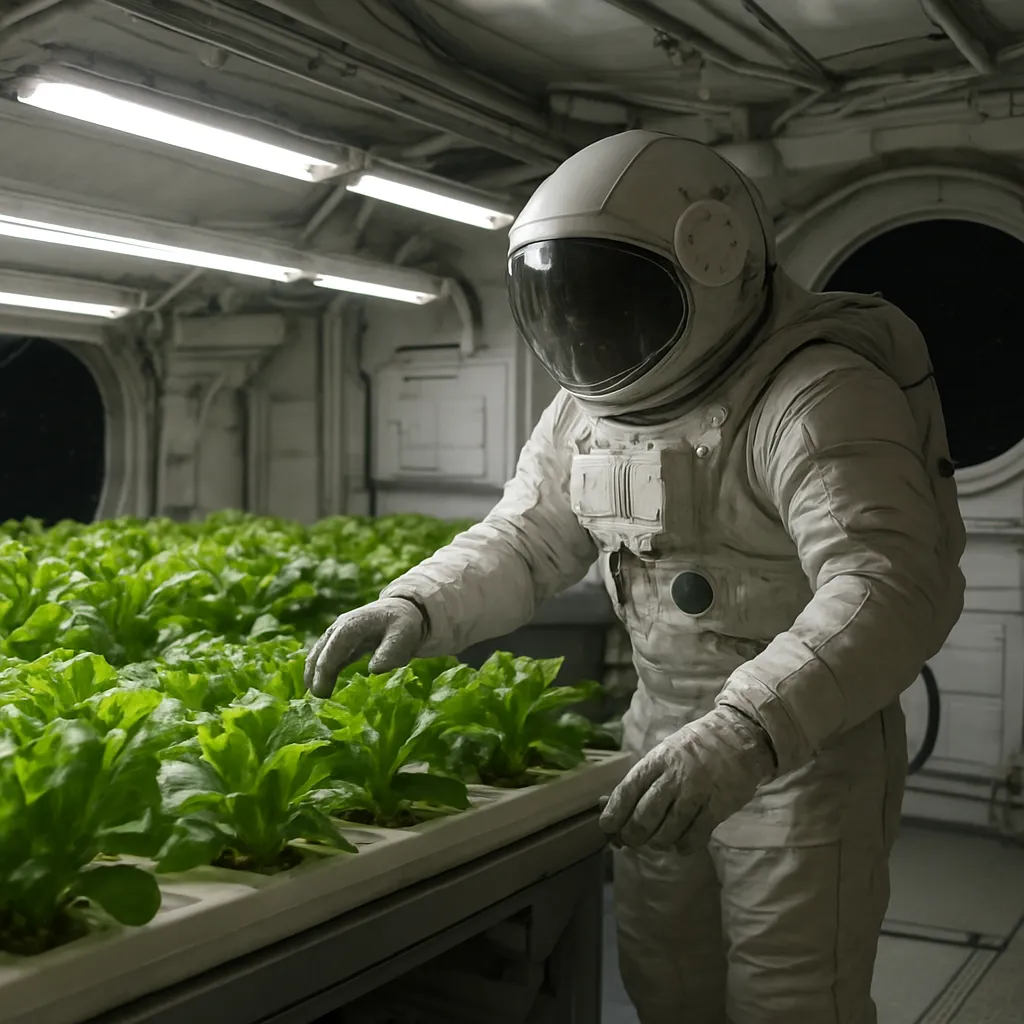
Successful agriculture in harsh extraterrestrial conditions depends on cutting-edge cultivation methods. Among these, hydroponics has gained traction for its soil-free approach. Nutrient-rich solutions circulate through roots suspended in inert media, enabling precise control over growth parameters and minimizing water usage—critical in water-scarce environments.
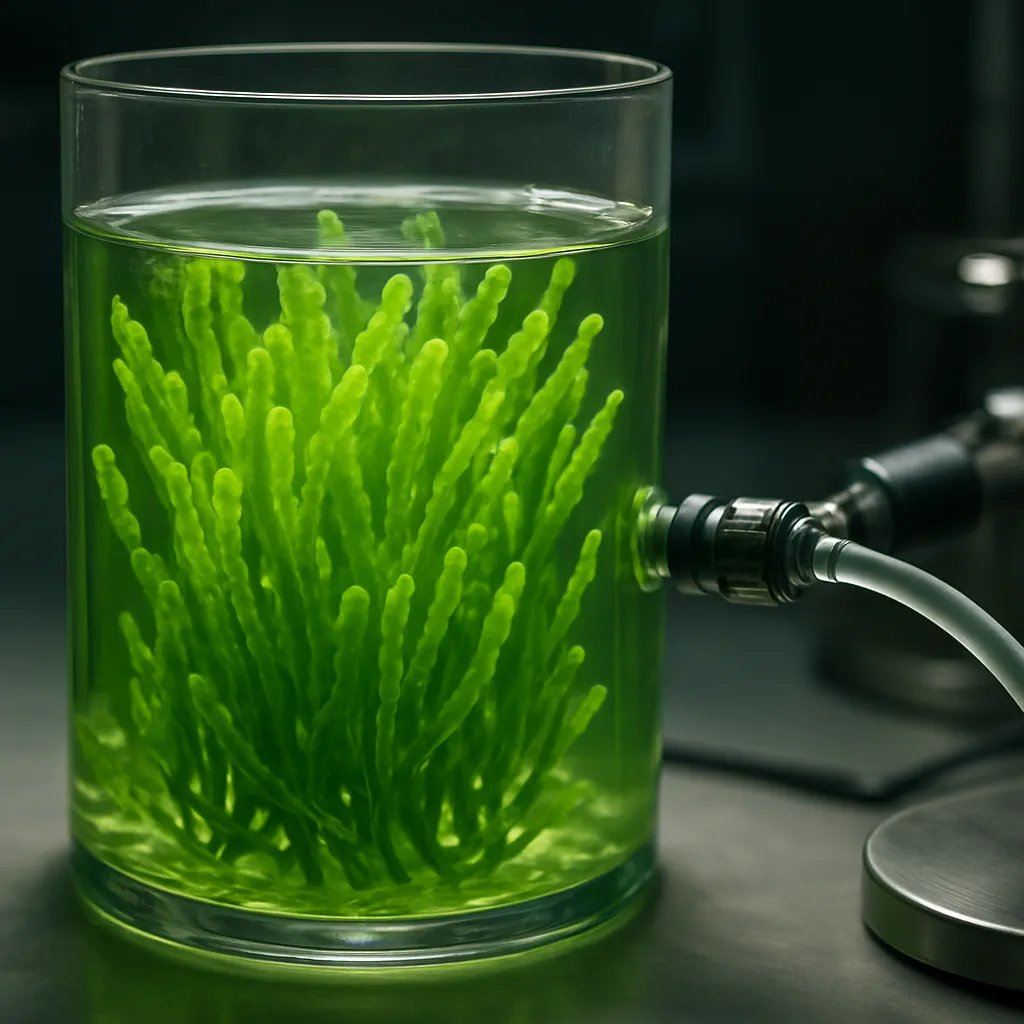
Complementary to hydroponics, photobioreactors harness photosynthetic microorganisms such as algae to produce oxygen, food supplements, and valuable biofuels. Compact and scalable, these reactors can operate under varying light wavelengths and intensities carefully managed by programmable LED arrays. By integrating photobioreactors into station modules, crews can maintain atmospheric balance while boosting dietary diversity.
Innovations in growth chamber design address the unique demands of microgravity. Specialized plant trays feature capillary-driven irrigation and flexible root supports that prevent fluids from floating away. Advanced sensors monitor humidity, temperature, and nutrient concentrations, feeding data into automated control systems. In some proposals, these systems employ artificial intelligence to optimize conditions in real time, ensuring maximum sustainability and yield.
Challenges and Solutions
Despite remarkable progress, several obstacles remain on the path to robust space agriculture. Intense cosmic radiation poses a threat to plant DNA and may inhibit growth or trigger mutations. To mitigate this, researchers explore shielded growth chambers and genetically engineered crops with enhanced radiation tolerance.
Another hurdle is managing delicate nutrient cycles. In a closed environment, accumulated salts and metabolic byproducts can disrupt root health. Scientists are developing regenerative filtration systems that recover and purify used solutions, ensuring a stable balance of essential elements. Innovations in microbial consortia also show promise: beneficial bacteria can convert waste into bioavailable nutrients, mimicking Earth’s natural soil ecosystems.
Energy constraints represent a further concern. High-intensity lighting and climate control demand substantial power, which must be balanced against other critical station loads. Solar arrays with improved efficiency and advanced energy storage materials are under development to supply consistent power to agricultural modules.
The Path to Interplanetary Agriculture
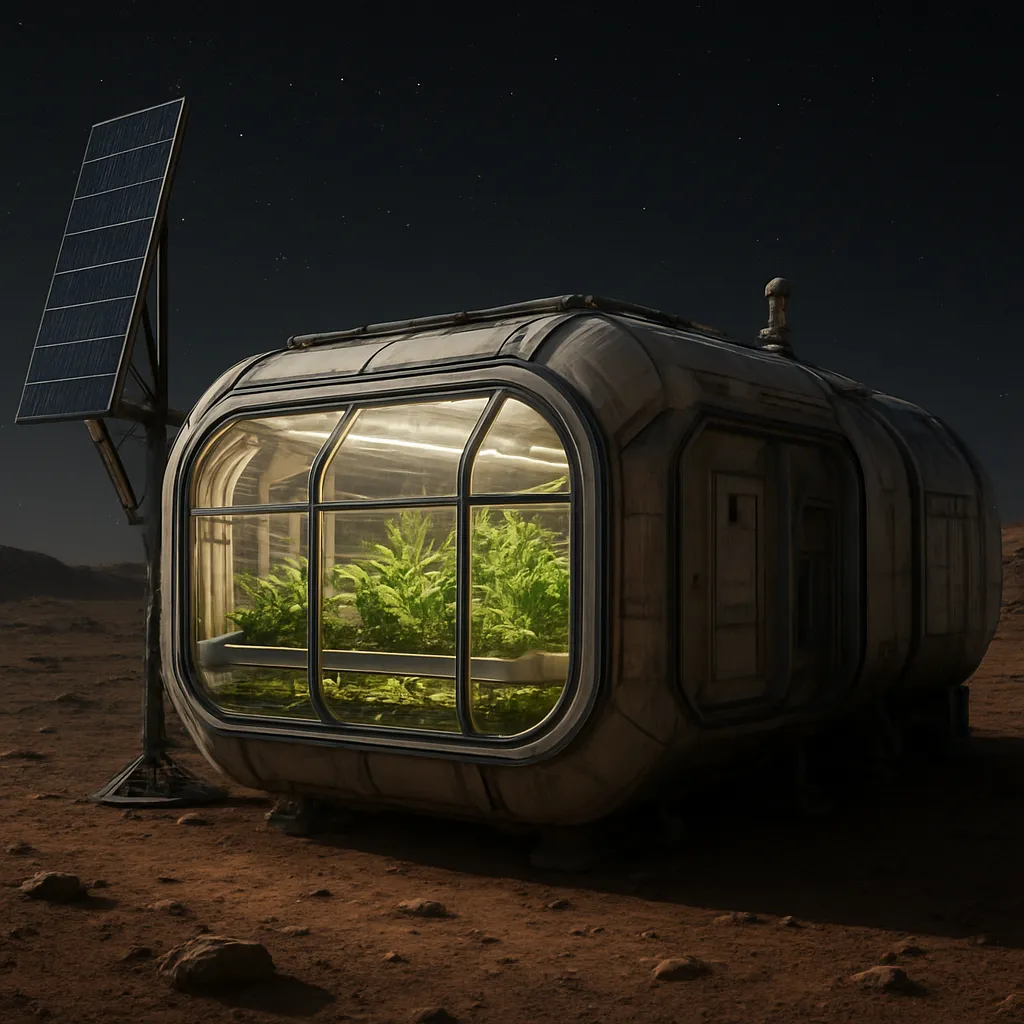
Pilot studies on the International Space Station offer vital proof of concept, but establishing agriculture on the Moon or Mars entails new considerations. Lunar regolith lacks organic matter, requiring methods to convert in-situ materials into plant-friendly substrates. Techniques such as regolith composting with human waste and engineered microbes are under investigation to create a workable growth medium.
On Mars, lower gravity and thinner atmosphere demand adjustable systems that compensate for reduced pressure and altered gravity-driven fluid behavior. Testbeds in terrestrial analog sites—cold deserts, lava tubes, and isolated habitats—allow scientists to refine prototypes. These experiments inform the design of bioregenerative life support systems capable of sustaining settlers on long-term missions, where continuous resupply from Earth is impractical.
Advancements in bioregenerative approaches aim to integrate crop growth with waste recycling, water recovery, and air revitalization. The goal is a fully autonomous, self-sufficient habitat where plants not only feed humans but also regenerate essential resources, reducing Earth dependency to near zero.
Future Perspectives for Deep Space Missions
Looking ahead, the fusion of space farming with modern technological trends could revolutionize extraterrestrial habitation. Deployable greenhouses constructed via 3D printing using local materials may enable rapid scaling of agricultural areas. Meanwhile, breakthroughs in synthetic biology could yield designer plants tailored for high yields, radiation resistance, and accelerated growth cycles.
Robotic assistants equipped with computer vision and precision manipulators are slated to handle routine planting, pruning, and harvesting tasks, minimizing the strain on crew members. These robotics systems can operate in tandem with AI-driven analytics, continuously fine-tuning environmental factors to sustain optimal production rates.
Collaborations between space agencies, academia, and private enterprises are accelerating the transition from experimental setups to operational units. As research milestones accumulate, the vision of thriving green ecosystems on the Moon, Mars, and beyond becomes an attainable goal—one that will redefine humanity’s presence in space by making every mission more efficient, cost-effective, and life-enriching.