Exploring extraterrestrial environments demands a paradigm shift in how we cultivate food beyond Earth. As humanity sets its sights on sustained missions to the Moon, Mars, and beyond, developing robust agricultural ecosystems becomes paramount. This article delves into the core challenges, groundbreaking technologies, and strategic approaches for building resilient agricultural systems in space. By harnessing advances in automation, sustainability, and optimization, researchers aim to transform sterile habitats into thriving biospheres capable of supporting long-duration crewed missions.
Environmental Challenges in Space Agriculture
Microgravity and Plant Physiology
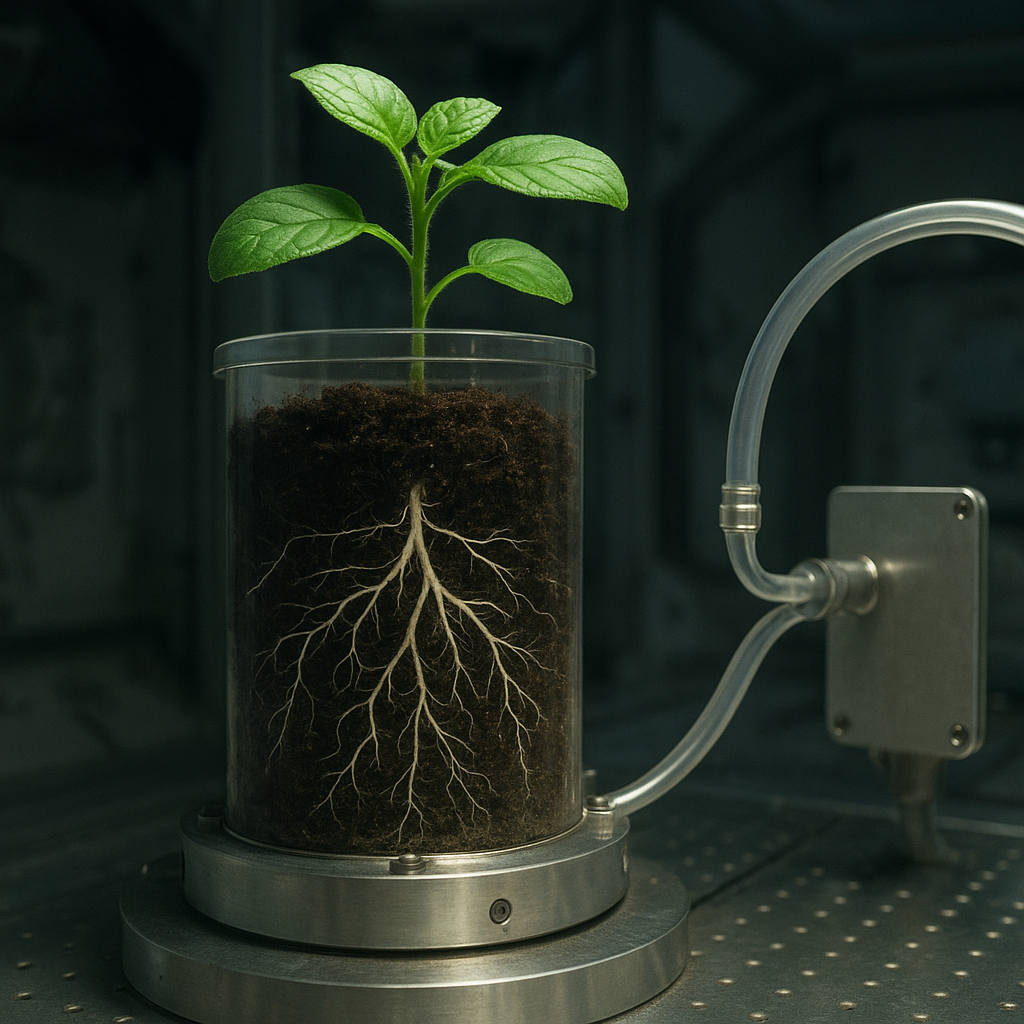
One of the most formidable obstacles for off-world farming is microgravity. In reduced gravity, plant roots struggle to orient themselves, water distribution becomes erratic, and gas exchange at the leaf surface is compromised. Without gravity-driven convection, oxygen and carbon dioxide can form stagnant layers, impeding photosynthesis and nutrient uptake. To counteract these issues, scientists employ centrifuge modules that simulate 1g conditions and specialized growth substrates that improve root anchorage.
Radiation Exposure and Genetic Stability
Space radiation poses a dual threat: it damages plant DNA and degrades critical shielding materials. Chronic exposure to high-energy particles can induce mutations, impairing germination rates and reducing crop yields. Research focuses on selecting radiation-tolerant species and engineering protective barriers using lightweight, hydrogen-rich materials. Additionally, seed vaults stored in secure, shielded compartments allow for genetic diversity preservation, ensuring continuous propagation despite radiation events.
Resource Scarcity and Closed-Loop Life Support
Water, nutrients, and energy must be recycled with minimal losses. Closed-loop life support systems integrate plant cultivation with air revitalization and waste treatment. Plants absorb crew-generated CO₂ and convert it into oxygen, while nutrient-rich wastewater is purified and reintroduced into hydroponic solutions. This bioregenerative approach optimizes resource utilization and reduces reliance on resupply missions from Earth.
Technological Innovations for Sustainable Growth
Hydroponics and Aeroponics
- Hydroponic systems deliver nutrient solutions directly to plant roots, eliminating soil and reducing mass.
- Aeroponics mists roots with nutrient-packed aerosols, enhancing oxygen availability and accelerating growth cycles.
- Both methods allow precise control of pH, electrical conductivity, and nutrient concentration, boosting crop yields by up to 40% compared to traditional soil farming.
These soilless techniques mitigate concerns over microbial contamination and facilitate automated monitoring. Advanced sensors track real-time nutrient uptake, enabling AI-driven adjustments that maintain optimal growing conditions.
LED Lighting and Spectral Management
Artificial illumination is critical in habitats where sunlight is unavailable or inconsistent. Modern LED panels can be tuned to specific wavelengths, promoting targeted physiological responses such as leaf expansion, flowering, or root development. Research indicates that blue and red light combinations stimulate efficient photosynthesis, while green light improves canopy penetration. By modulating light cycles, cultivators can compress growth phases and orchestrate continuous harvest schedules.
Automation and Robotic Assistance
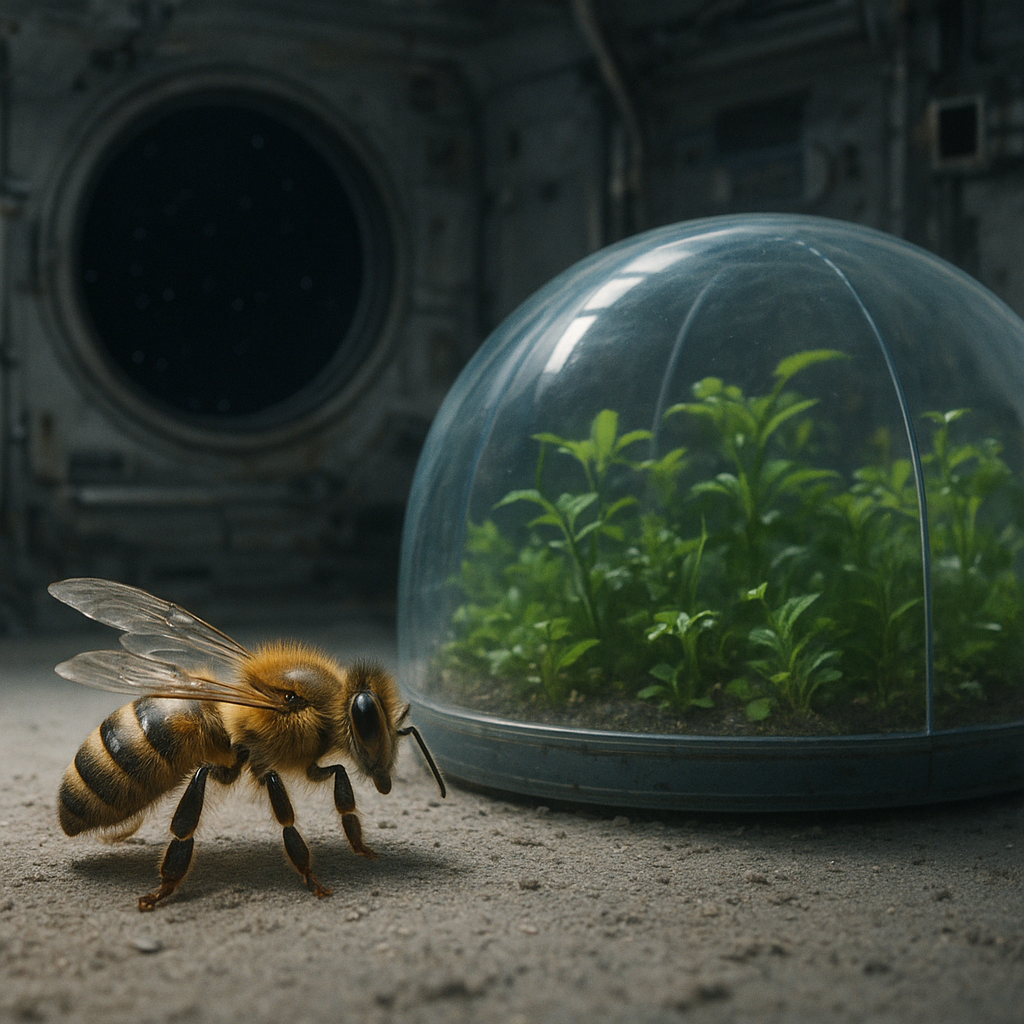
Human labor on long-duration missions is limited by schedules, health risks, and competing priorities. Integrating robotics and automated systems streamlines planting, pollination, and harvesting tasks. Autonomous drones navigate greenhouse modules, pollinate flowers with fine brushes or ultrasonic vibration, and prune excess foliage. Robotics platforms equipped with machine vision assess plant health, detect pests, and apply localized treatments, ensuring uniform growth and minimizing crop losses.
Crop Selection and Genetic Optimization
Candidate Species for Space Cultivation
- Lettuce and leafy greens: Rapid growth, high water content, and minimal space requirements.
- Potatoes and sweet potatoes: Dense caloric yield and robust tuber storage.
- Legumes such as beans and peas: Nitrogen-fixing properties reduce fertilizer needs.
- Herbs and microgreens: Nutrient-rich, fast turnover, and psychological benefits for crew.
Selection criteria emphasize short growth cycles, compact morphology, and high nutritional value. Edible algae and fungi are also under investigation for supplementing vitamins and proteins.
Genetic Engineering and CRISPR Applications
Cutting-edge gene-editing tools like CRISPR enable precise introduction of traits that enhance stress tolerance, accelerate growth, or fortify nutritional profiles. By targeting genes associated with drought resistance and radiation repair, scientists cultivate variants that thrive under extraterrestrial stressors. Synthetic biology approaches create custom metabolic pathways, yielding plants that produce pharmaceuticals or biodegradable materials alongside food.
Microbial Symbiosis and Soil Analogs
Microorganisms play a vital role in nutrient cycling and disease suppression. In simulated Martian regolith mixtures, beneficial bacteria and mycorrhizal fungi form symbiotic relationships with plant roots, improving nutrient uptake and resilience. Developing tailored microbial consortia that withstand radiation and low pH conditions is crucial for replicating Earth-like soil dynamics in alien environments.
System Integration and Future Prospects
Modular Greenhouse Architectures
Modularity allows habitats to expand as mission requirements evolve. Inflatable greenhouse modules, lined with reflective materials to optimize light distribution, connect to central life-support hubs via airtight tunnels. Each module can host different crop zones, facilitating rotation schedules and minimizing cross-contamination. Quick assembly and repair protocols ensure rapid deployment during crewed missions.
Data-Driven Optimization and AI
Machine learning algorithms analyze sensor streams—temperature, humidity, nutrient levels, and spectral readings—to forecast plant responses and recommend environmental tweaks. This innovation-driven feedback loop enhances yield predictability and resource efficiency. Over time, AI systems develop species-specific growth models, reducing the need for constant human oversight.
Scaling to Martian and Lunar Outposts
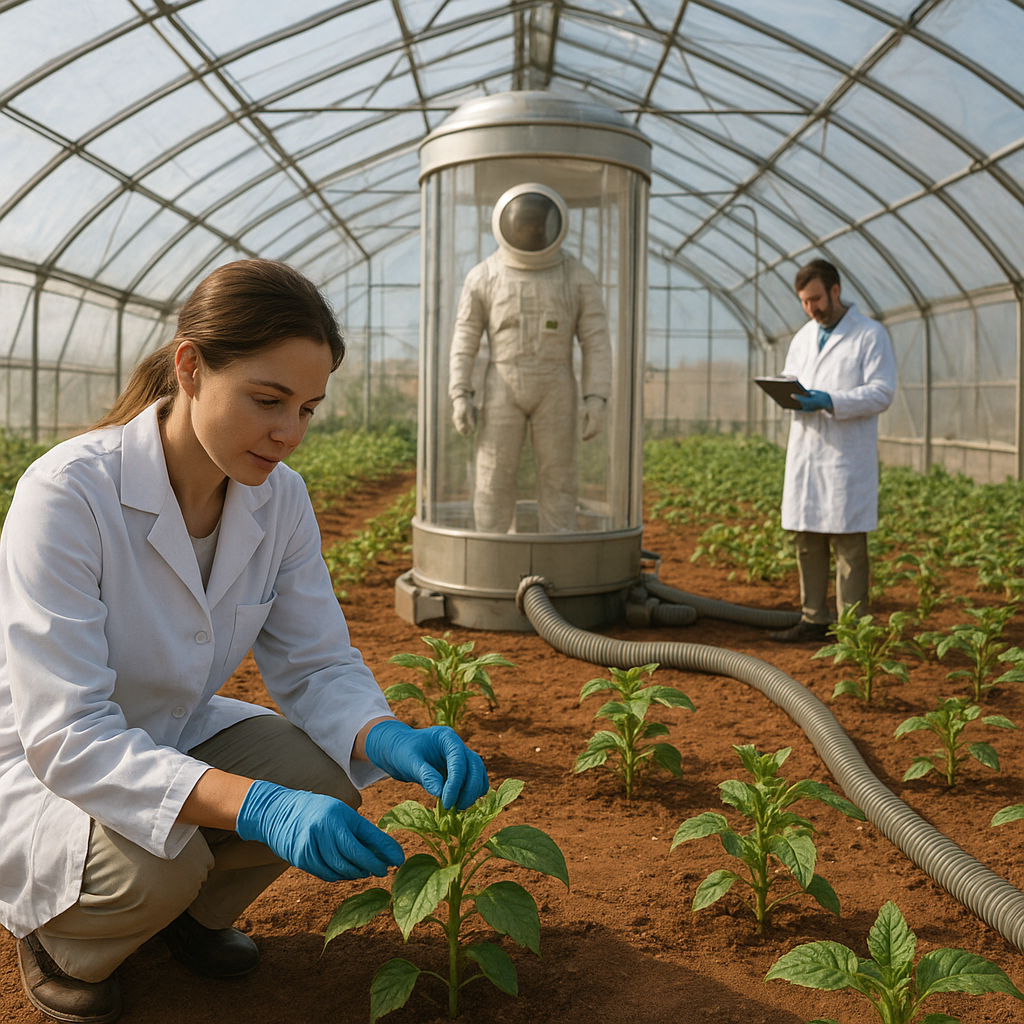
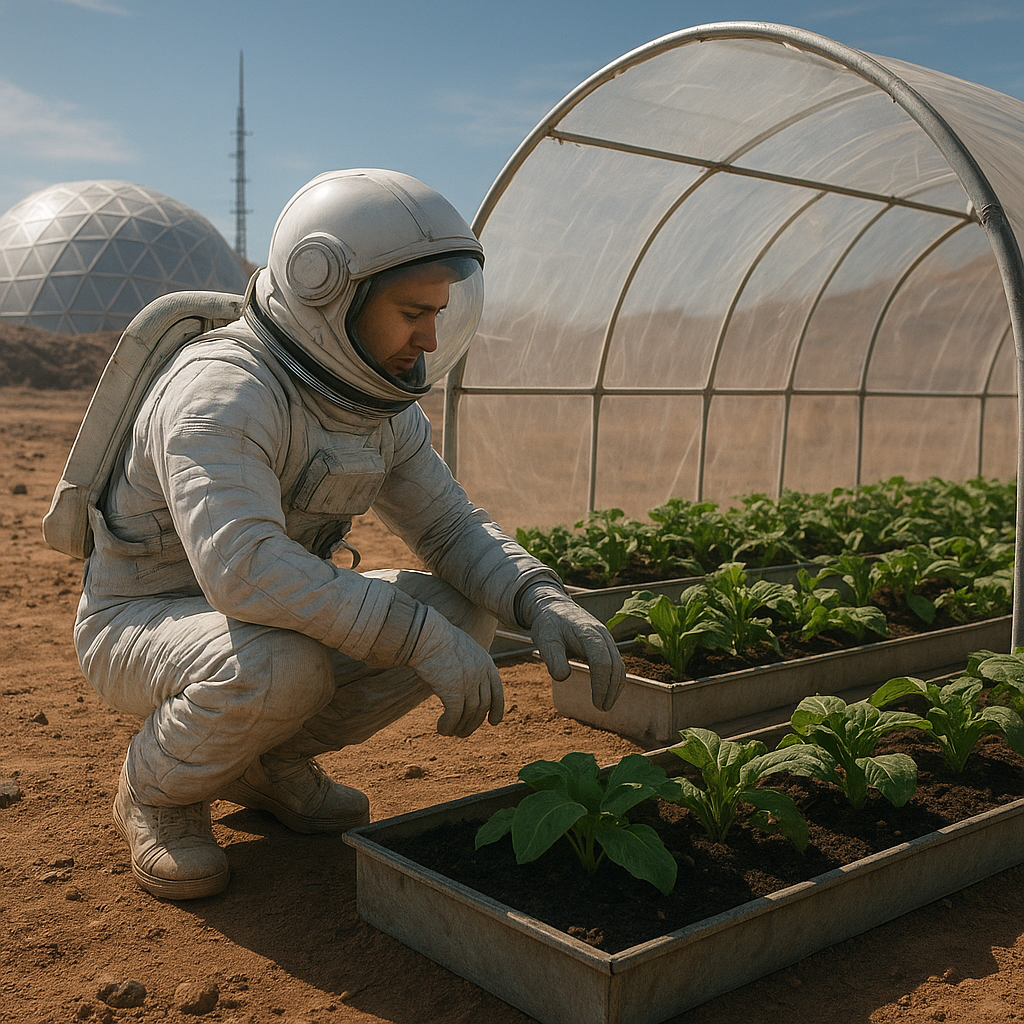
Transitioning from low Earth orbit to planetary surfaces introduces new variables: reduced gravity, diurnal cycles, and local regolith composition. Pilot experiments in terrestrial analog sites—desert greenhouses and polar research stations—offer insights into operational constraints. Collaboration between space agencies and private ventures accelerates technology transfer, paving the way for first-generation Martian farms that blend in-situ resource utilization with established hydroponic platforms.
Economic and Societal Implications
Space agriculture is not only about survival; it represents an opportunity to revolutionize food systems on Earth. Innovations developed for extraterrestrial habitats can address challenges like climate change, resource scarcity, and urban food deserts. By refining sustainability metrics and optimizing closed-loop systems, our journey beyond Earth may catalyze a green revolution that benefits all of humanity.