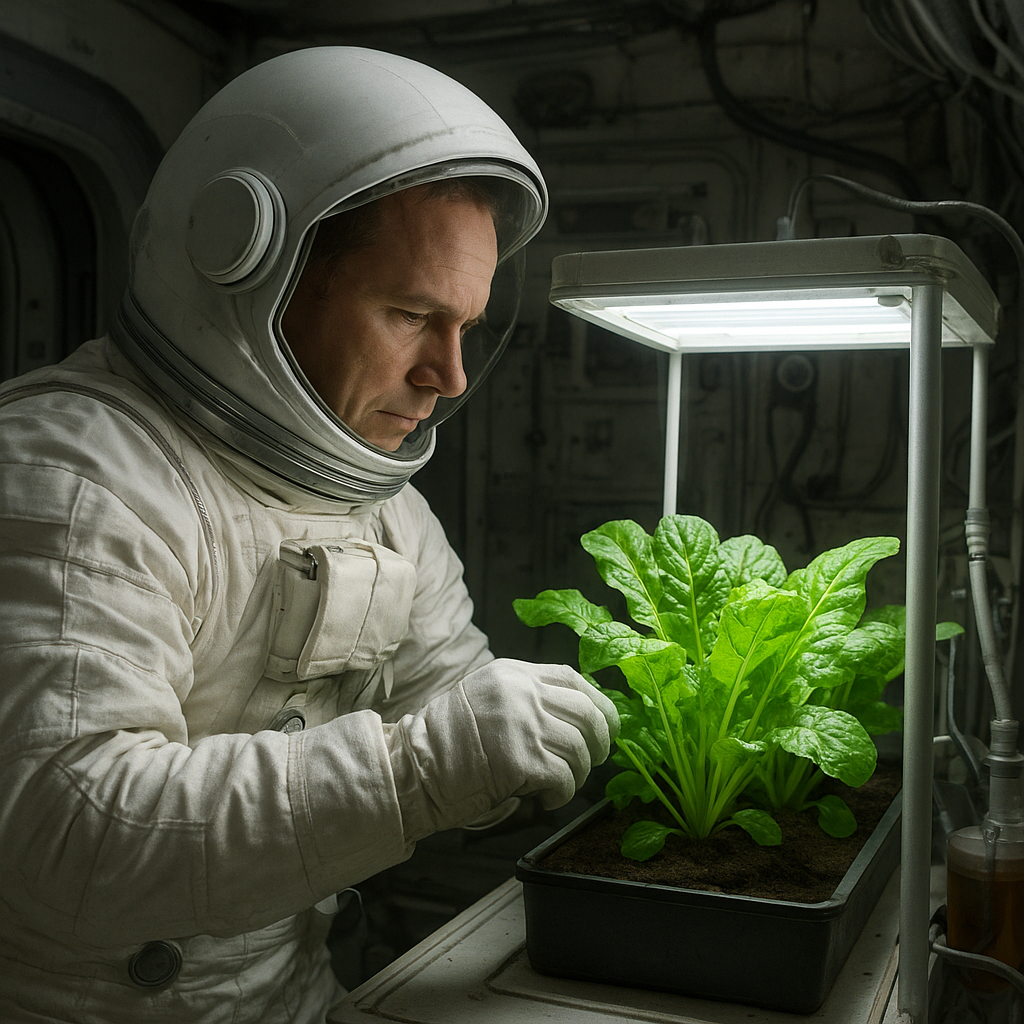
The concept of growing food in space by recycling human waste offers a revolutionary approach to sustainable life support beyond Earth. By converting excreta into valuable nutrients, spacefarers can close the loop between consumption and cultivation. This article explores the techniques, challenges, and innovations that enable astronauts to transform urine and fecal matter into fertile substrate under microgravity conditions, paving the way for long-duration missions to Mars and beyond.
Integration of Waste Management and Crop Cultivation
Linking human waste systems directly to plant growth modules demands carefully balanced processes. At the core is the transformation of waste into a nutrient-rich medium that supports healthy root development without compromising crew health.
Understanding Nutrient Cycles
- Human excreta contain key macronutrients: nitrogen, phosphorus and potassium.
- Microbial consortia decompose complex organic matter, releasing plant-available compounds.
- Maintaining pH and salinity within optimal ranges prevents toxicity and nutrient lockout.
Microgravity Impacts on Fluid Dynamics
In microgravity, liquids form spheres and do not settle. This affects waste segregation and plant root hydration:
- Specialized bioreactors employ capillary channels to guide fluid flow.
- Gel-based matrices ensure even distribution of moisture and microorganisms around roots.
- Sensors embedded in the substrate monitor moisture and nutrient concentration in real time.
Bioregenerative Life Support Systems (BLSS)
BLSS integrate waste processing, air revitalization, water recycling, and food production into one closed loop. The hallmark of these systems is their ability to mimic Earth’s ecological cycles onboard spacecraft.
Components of a BLSS
- Organic composting units convert fecal matter into humus-like material.
- Urine treatment modules recover water and concentrate nitrogen into a fertilizer solution.
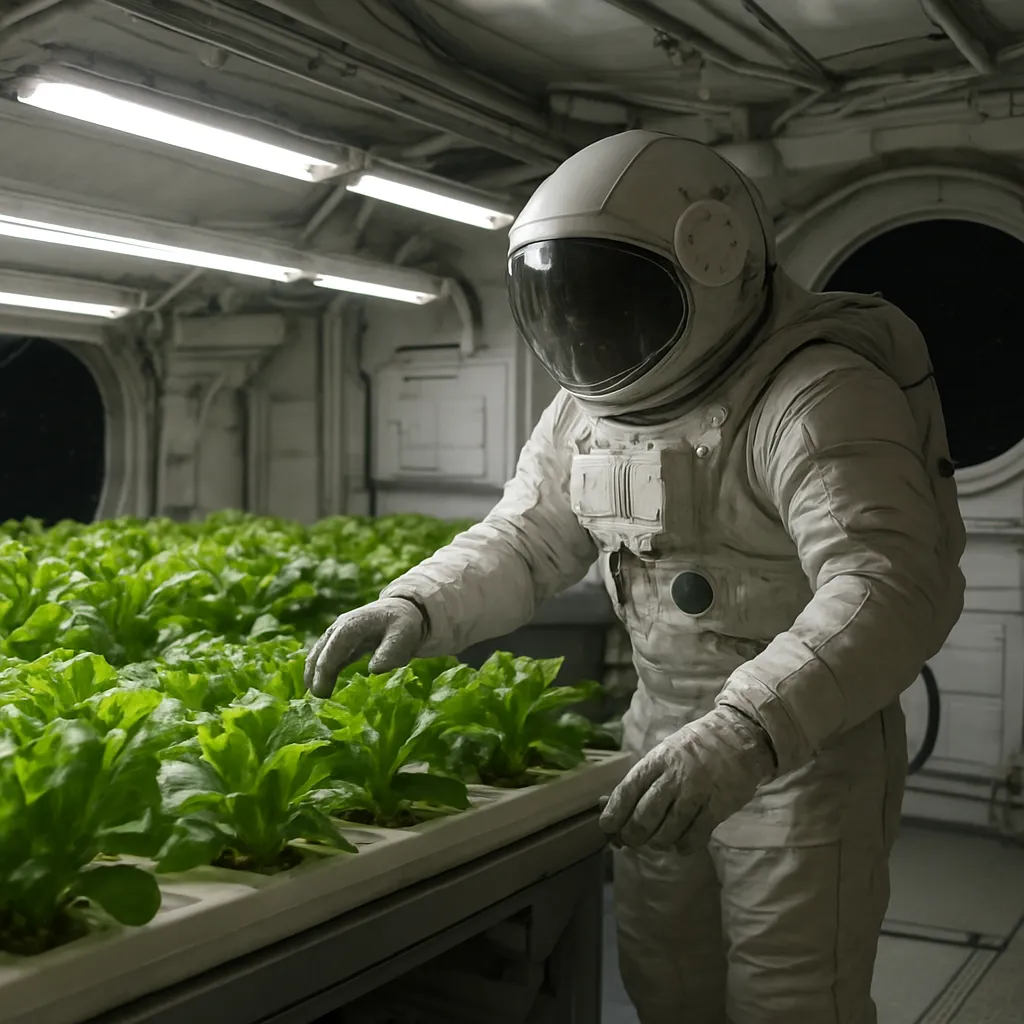
- Plant cultivation chambers combine hydroponics or aeroponics with LED lighting tuned to specific wavelengths.
- Atmospheric scrubbers using algae or plants remove CO₂ and release O₂.
Advantages and Limitations
BLSS offer remarkable benefits:
- Sustainability through reduced resupply needs.
- Enhanced crew resilience via fresh produce and psychological benefits of gardening.
- However, initial mass and power requirements remain significant.
Innovations in Waste Processing and Nutrient Recovery
Recent research focuses on compact, efficient technologies capable of continuous operation in harsh space environments.
Vermicomposting in Space
Earth-based vermiculture harnesses worms to break down organic waste. In microgravity, specialized enclosures secure the worms and substrate:
- Worm habitats are designed with bioreactor walls that retain material through adhesive coatings.
- Automated feeding and moisture control systems keep worm activity optimal.
- Resulting castings provide a highly fertile medium rich in beneficial microbes.
Advanced Chemical Reactors
Chemical oxidation and hydrothermal processing can sterilize waste and extract nutrients rapidly:
- Supercritical water reactors break down pathogens and release ammonia and phosphates.
- Membrane separation units isolate purified water for recycling back to the crew.
- Chemical byproducts serve as concentrated fertilizer blends, minimizing transport mass.
Algal Bioprocessors
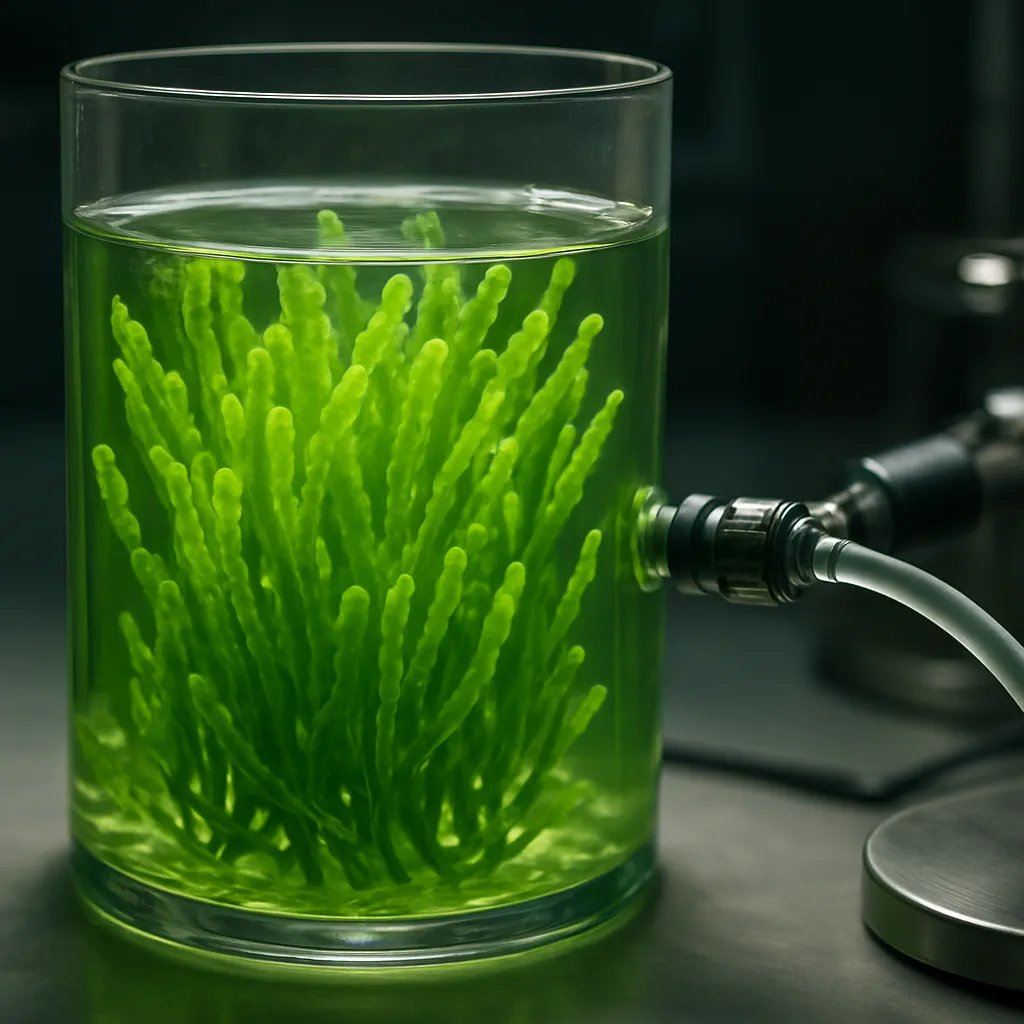
Algae can assimilate CO₂ and convert waste-derived nitrogen into biomass:
- Photobioreactors with adjustable light spectra optimize algal growth rates.
- Algal biomass can be partially diverted to human food, supplementing vitamins and proteins.
- Residual algal slurry enriches plant substrates, closing the nutrient loop.
Practical Considerations for Space Missions
Implementing waste-to-food systems on spacecraft and lunar or Martian habitats involves stringent safety protocols and logistical planning.
Pathogen Control and Sterilization
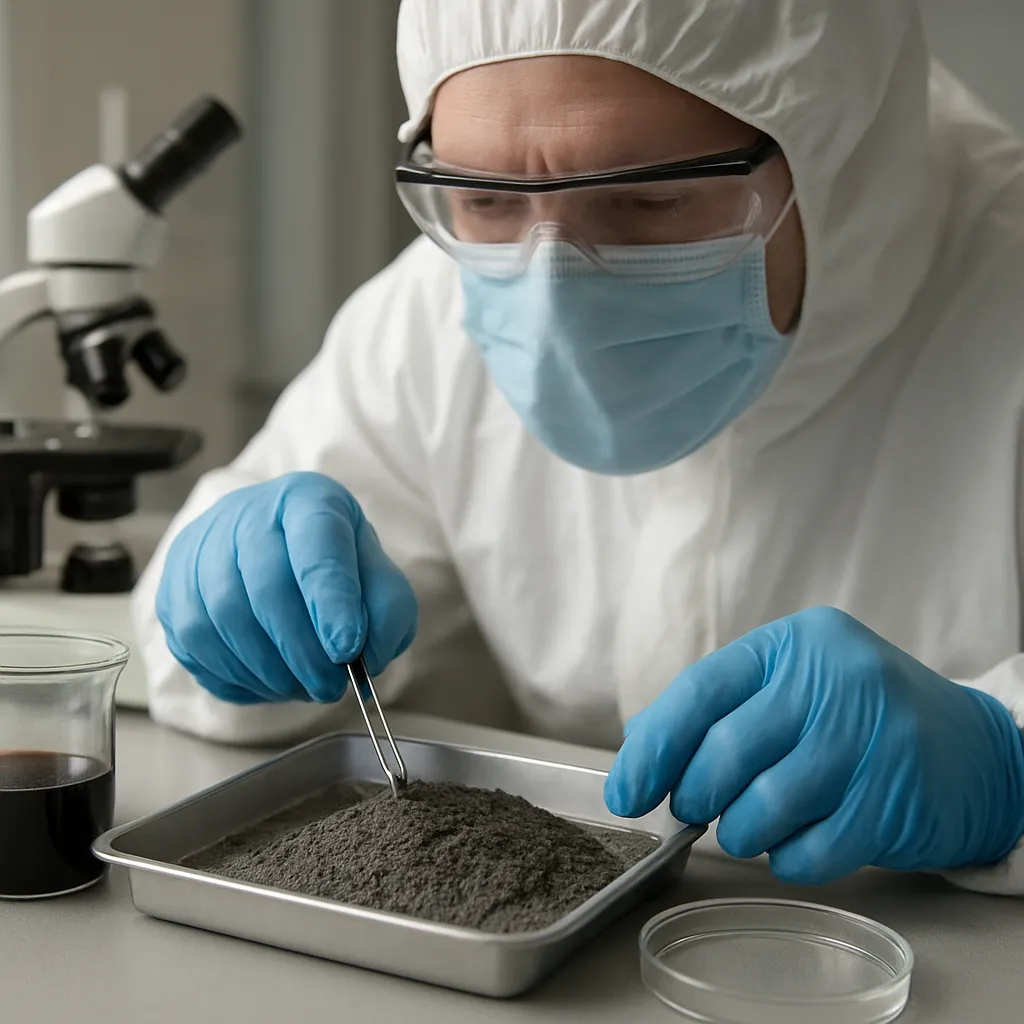
- Multi-step sterilization, including heat, UV, and chemical treatment, ensures biosafety.
- Continuous monitoring for microbial contamination protects crop and crew health.
System Scalability and Redundancy
- Modular units facilitate maintenance and replacement during long missions.
- Redundant processing lines prevent failure of the entire life support system.
Behavioral and Psychological Factors
Crew engagement in cultivation tasks supports mental well-being:
- Interactive gardening modules with VR interfaces simulate Earth-like environments.
- Regular harvests of fresh leafy greens and fruit boost morale and nutrition.
Outlook for Interplanetary Agriculture
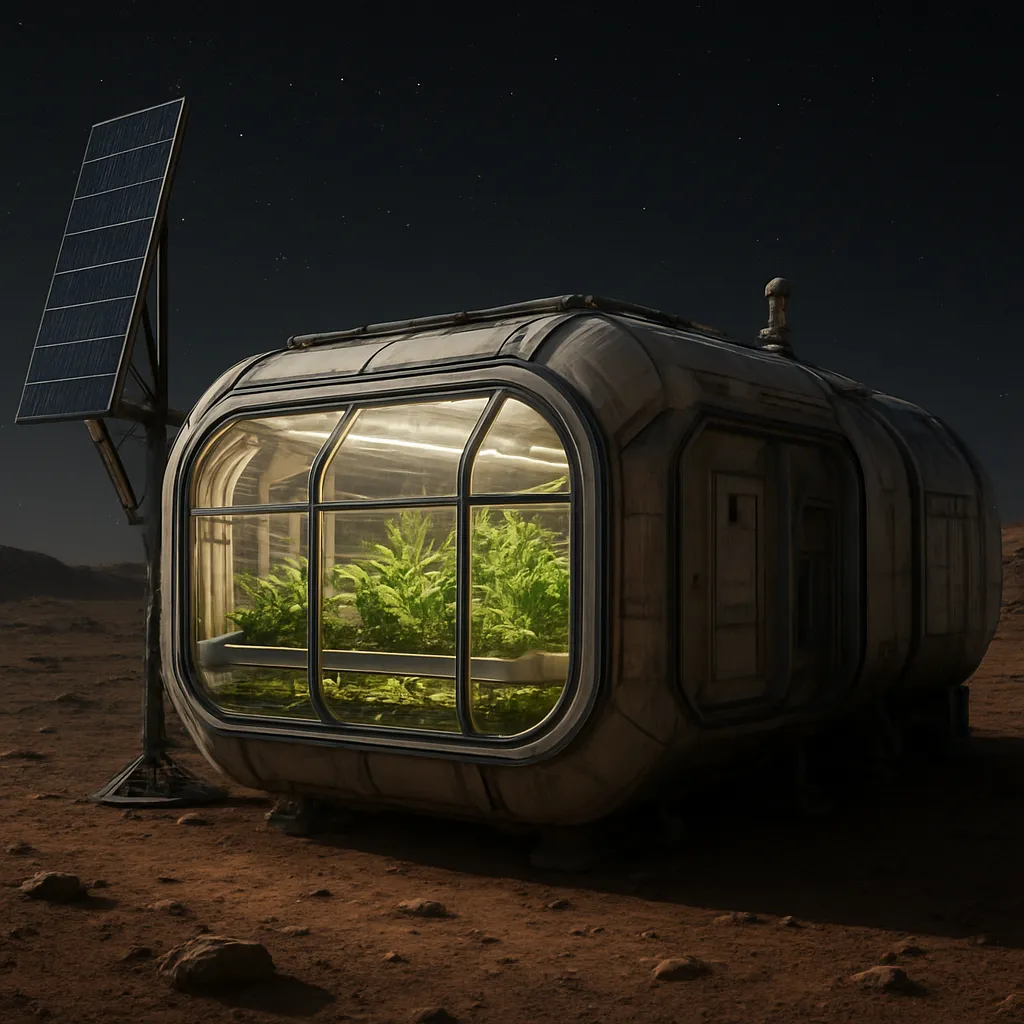
As humanity prepares for extended presence on the Moon and Mars, converting human waste into viable plant growth media will become indispensable. Ongoing experiments on the International Space Station and analog habitats on Earth continue to refine every element of this closed-loop concept—from microbial ecology to system engineering. Ultimately, mastering the art of waste-based horticulture in space will transform how we sustain life among the stars, ensuring explorers carry not just water and air, but the seeds of self-reliance.