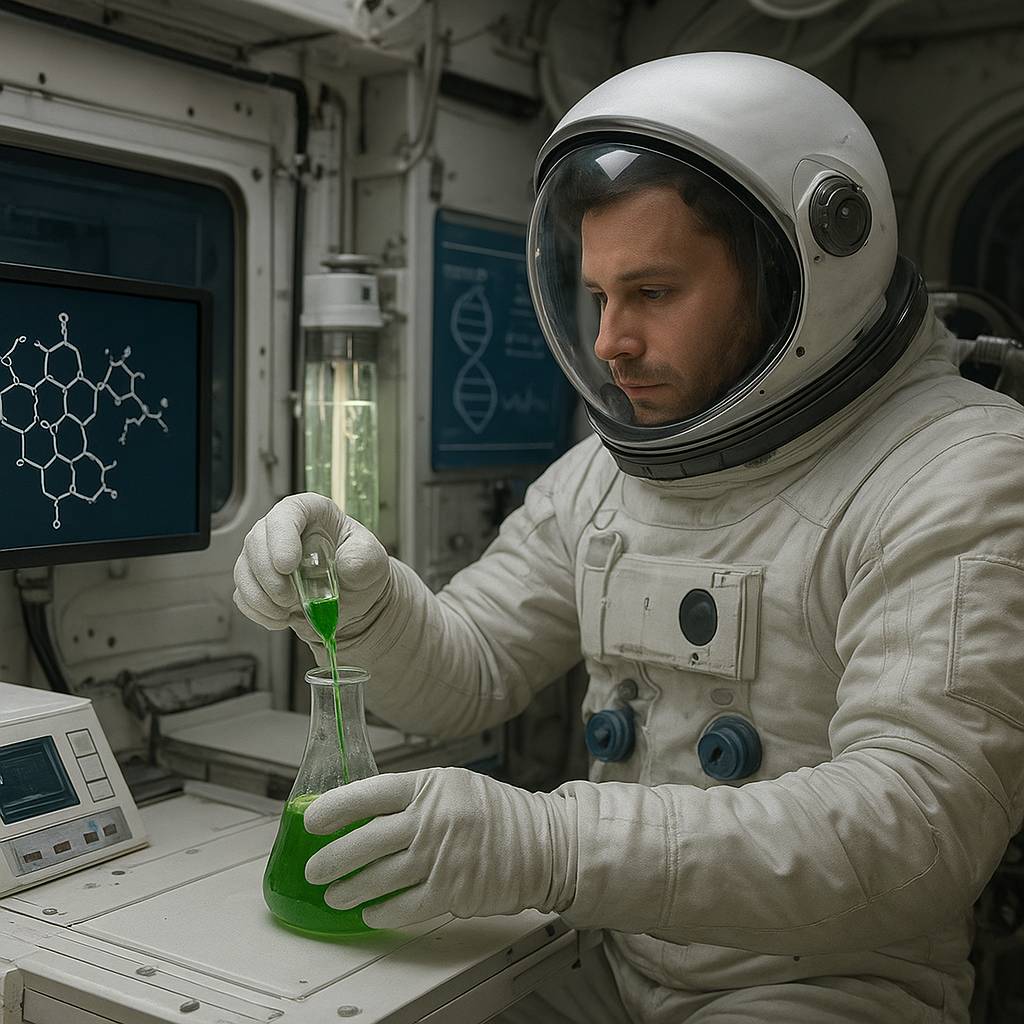
Space missions that extend beyond low Earth orbit demand innovative strategies for ensuring crew members receive adequate nutrition. The ability to produce vital nutrients such as **vitamins** and **proteins** in situ minimizes dependence on Earth resupplies and enhances mission resilience. Advances in **synthetic biology**, **bioreactors**, and closed-loop **life support** systems are converging to create sustainable agriculture modules that thrive in the unique environment of microgravity.
Harnessing Microgravity for Biomass Production
The absence of gravitational forces influences fluid dynamics, gas exchange, and cellular behavior. In microgravity, cells often experience enhanced growth rates and altered metabolic pathways. Researchers exploit these phenomena to optimize the yield of key biomolecules. For instance, **algae** species exhibit remarkable adaptability, making them ideal candidates for **biofortification** with essential vitamins.
- Altered sedimentation patterns improve nutrient uptake.
- Reduced shear stress fosters delicate cell cultures.
- Enhanced gas-liquid interfaces in specialized vessels.
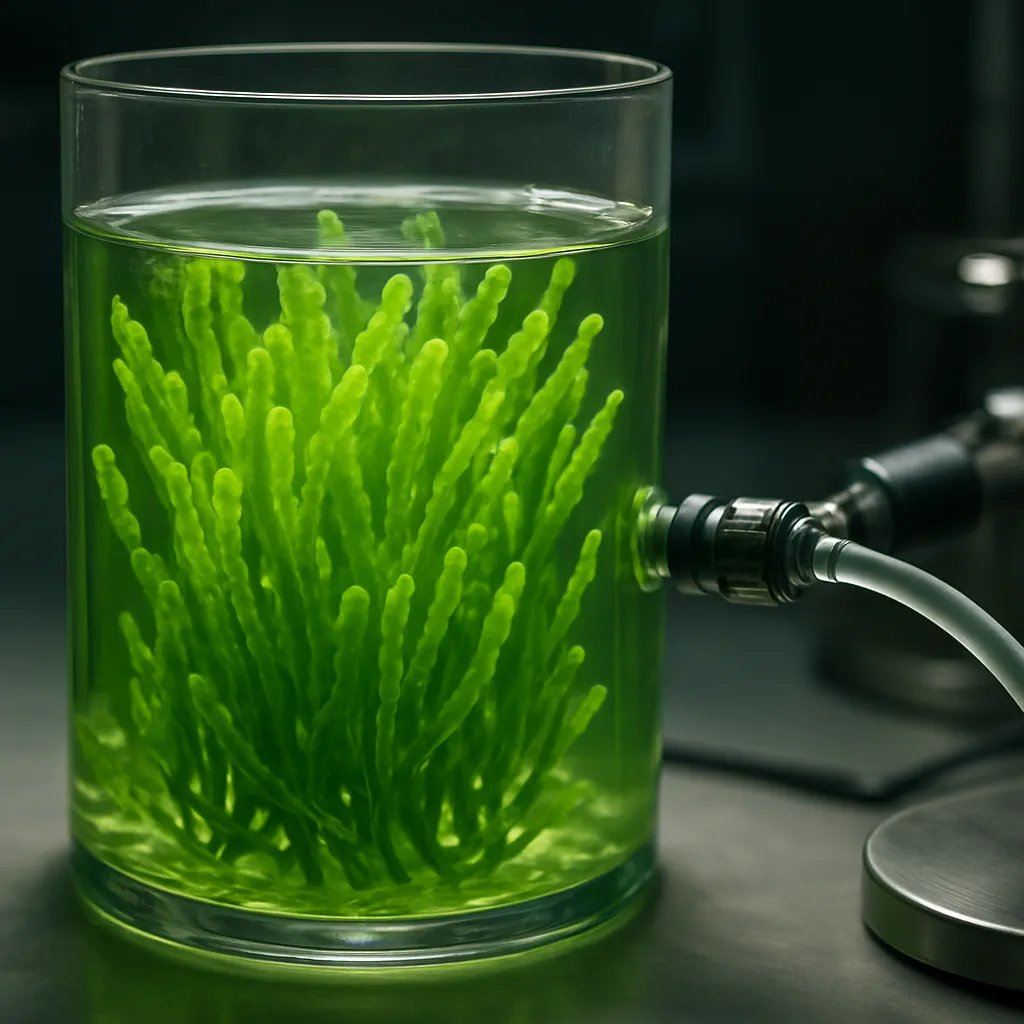
Customized photobioreactors capture these microgravity benefits by controlling light intensity, wavelength, and mixing to maximize net photosynthetic output. Such systems are optimized for **hydroponics** setups that recycle water and nutrients continuously, reducing waste and resource consumption.
Innovative Bioreactors for Space Agriculture
Designing efficient **bioreactors** for orbit involves overcoming challenges in heat dissipation, mass transport, and biofouling. Two prominent reactor types have emerged:
1. Photobioreactors for Algal Cultivation
These closed-loop vessels leverage LED arrays tuned to the **photosynthesis** peaks of microalgae like Chlorella and Spirulina. Key features include:
- Thin-film light guides to maximize photon absorption.
- Membrane-based gas exchange modules to control CO₂ and O₂ levels.
- Automated harvesting ports to separate biomass without manual intervention.
Algal cultures can be engineered to overproduce specific **vitamin B complexes**, vitamin C precursors, and even **omega-3 fatty acids**, delivering a rich nutritional profile in minimal volume.
2. Fermentation Vessels for Protein Synthesis
Microbial fermentation remains a cornerstone for **protein** production. By using robust strains of Escherichia coli and yeast, astronauts can generate high-value proteins such as recombinant **collagen**, **albumin**, and essential amino acid supplements. Features of space-ready fermenters include:
- Modular cartridge designs for rapid strain replacement.
- Sterile fluid handling with minimal crew interaction.
- Integrated sensors for pH, temperature, and optical density monitoring.
These systems convert simple carbon sources, like waste-derived sugars or CO₂, into biomass with high protein yields. Continuous operation modes further enhance productivity, making protein synthesis scalable for long-term missions.
Genetic Engineering and Synthetic Biology Approaches
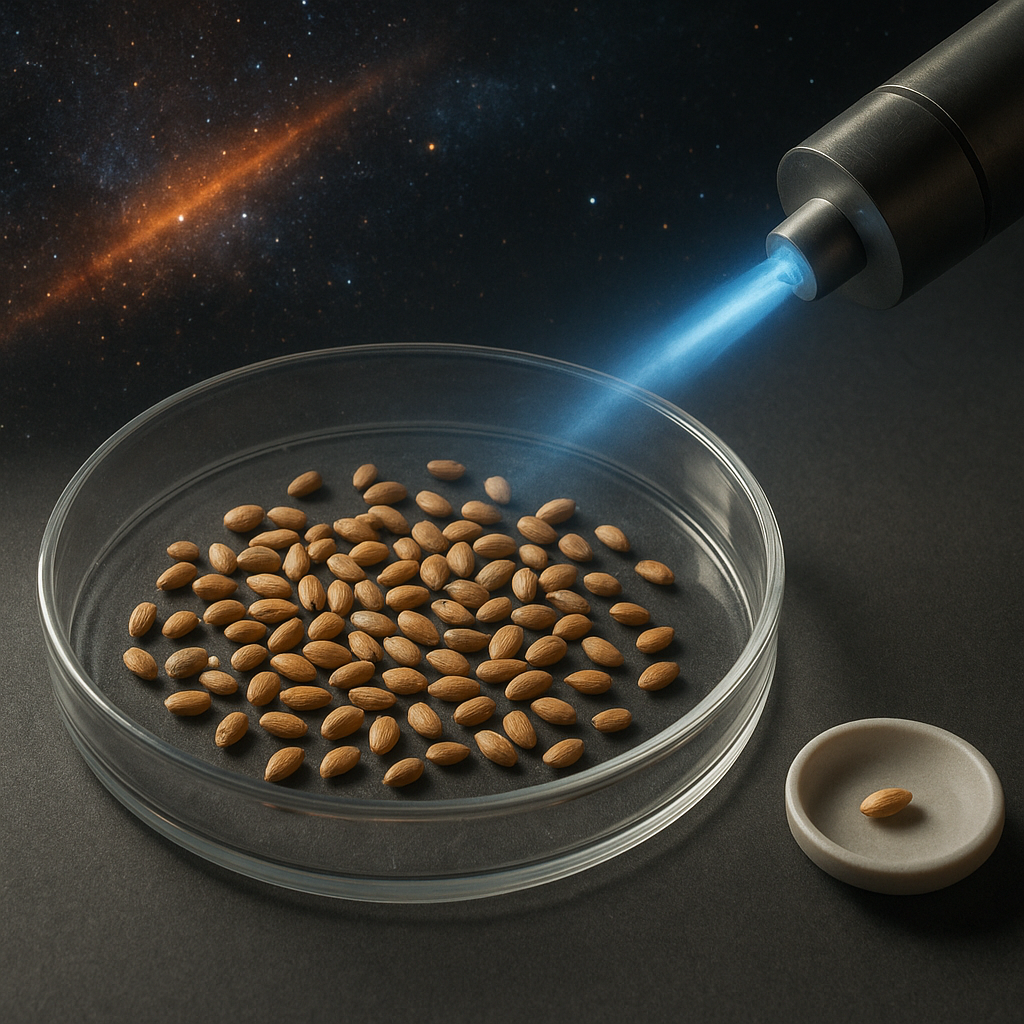
Advances in **CRISPR** and other genome-editing tools enable precise manipulation of microbial and plant genomes. By inserting pathways for vitamin biosynthesis or overexpressing key enzymes, scientists create custom strains optimized for space conditions.
- CRISPR-mediated gene knock-ins to boost vitamin K production.
- Pathway refactoring for stabilized cofactor regeneration.
- Synthetic gene circuits to dynamically respond to environmental cues.
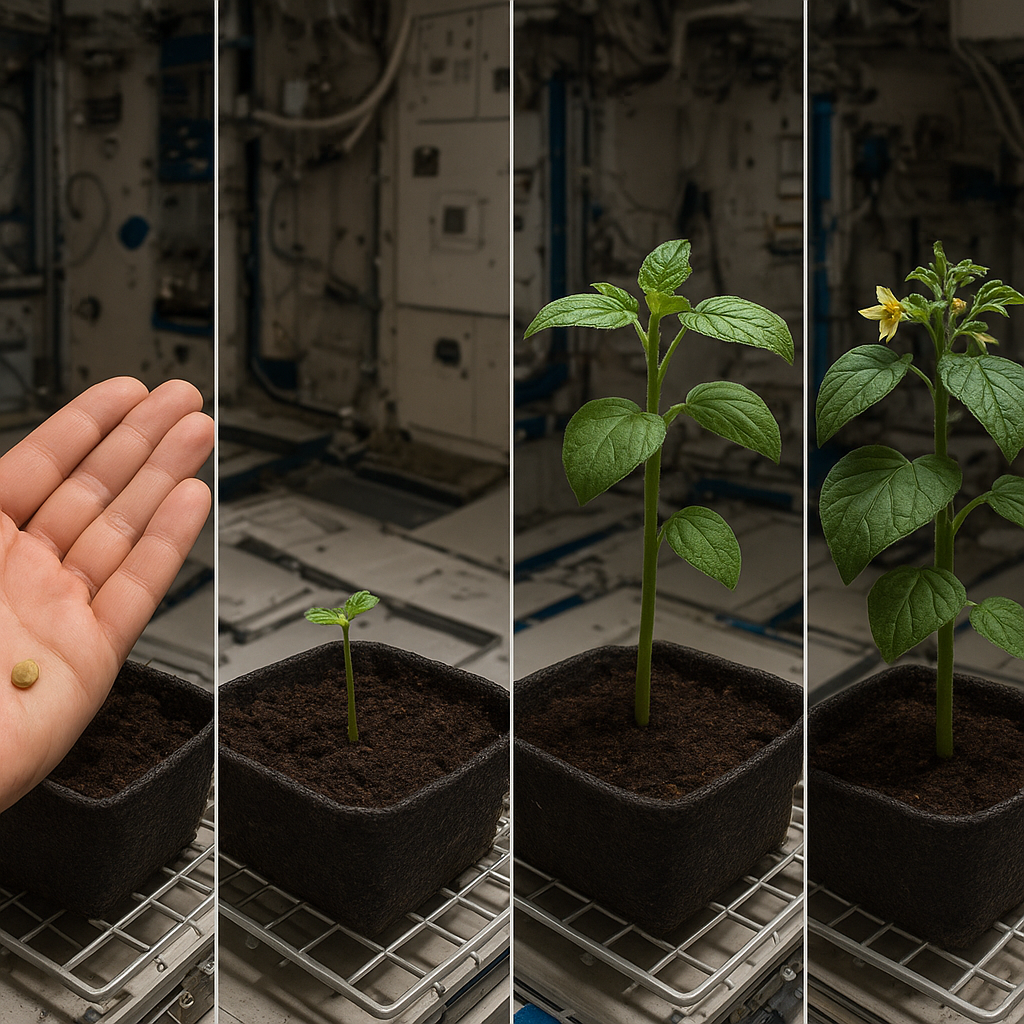
Beyond microbes, plant chassis like **Arabidopsis** and dwarf crops can be engineered to produce elevated levels of vitamin A (through **biofortification** of β-carotene) and essential proteins within leaves and fruits. Such modifications reduce the need for dehydrated supplements and improve crew morale by offering fresh, nutrient-rich produce.
Integration into Life Support Systems
To achieve true sustainability, nutrient production modules must integrate seamlessly with environmental control and life support systems (ECLSS). Key integration strategies include:
- Water reclamation loops that feed purified water directly into **hydroponic** trays.
- CO₂ scrubbers that supply captured carbon to photobioreactors.
- Waste treatment units that convert organic refuse into microbial feedstocks.
By routing waste streams through fermentation and composting units, closed-loop systems minimize resource leaks. Sensors distributed throughout the habitat coordinate the flows of gases, liquids, and solids, ensuring each subsystem supports the others. This **closed-loop** approach extends mission duration and reduces the overall mass and volume of supplies.
Case Studies from Low Earth Orbit Experiments
Several orbital research platforms have demonstrated the viability of in situ nutrient production:
Algal Biofilm Studies on the ISS
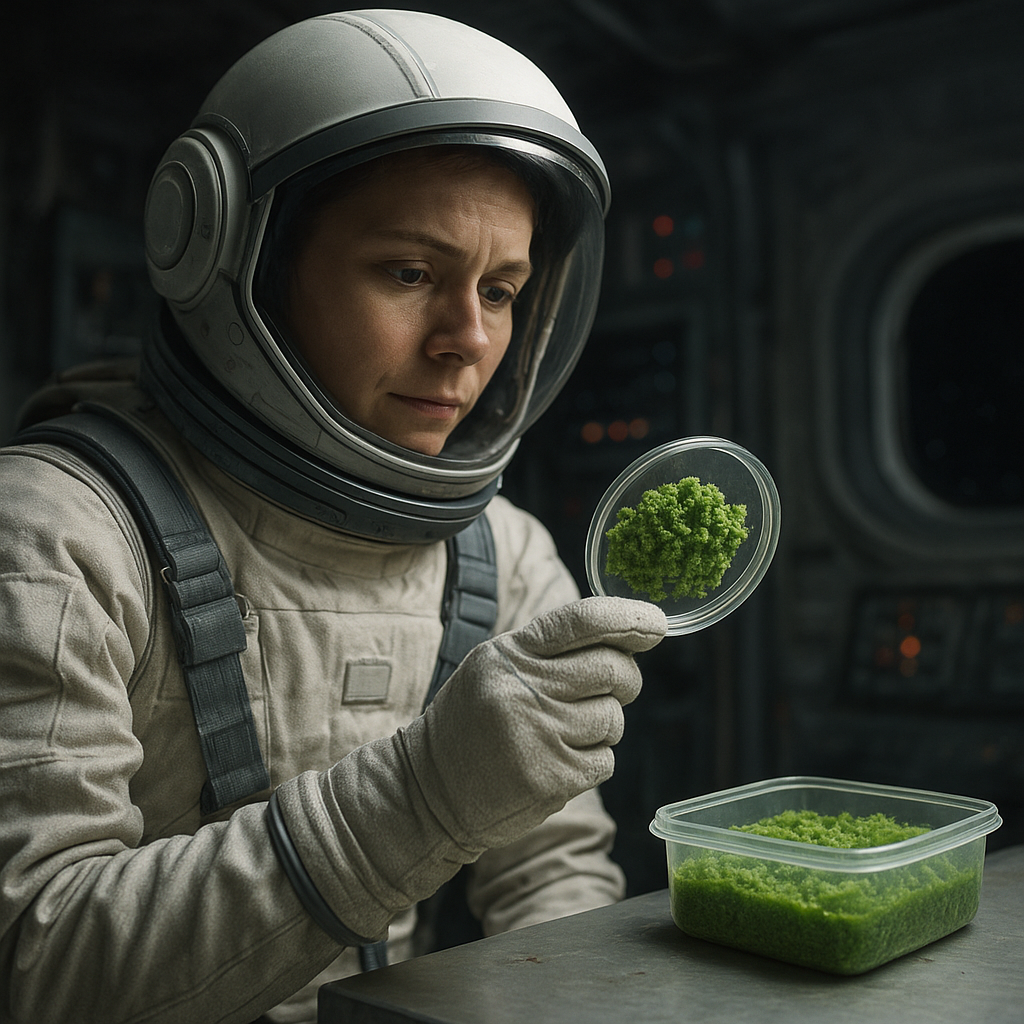
Experiments with phototrophic biofilms showed stable growth rates under low-shear conditions. Researchers successfully harvested **chlorophyll**-rich biomass, extracting both proteins and vitamins with minimal processing energy.
Microbial Fermentation Demonstrations
In-flight trials of portable bioreactors validated the use of genetically engineered E. coli strains to produce recombinant proteins on demand. Real-time monitoring confirmed robust performance despite temperature fluctuations and power constraints.
Future Prospects and Challenges
As missions target Mars and beyond, scalable agricultural systems will be indispensable. Key research directions include:
- Enhanced automation and robotics for hands-off operation.
- Advanced **bioprinting** techniques to fabricate plant tissues with tailored nutrient profiles.
- Modular designs adaptable to habitats of varying sizes and architectures.
Long-term viability also requires addressing potential drawbacks, such as contamination control, system redundancy, and psychological factors associated with plant care. Nonetheless, the convergence of **synthetic biology**, **bioreactor** engineering, and closed-loop ECLSS paves the way for sustainable food production in space, ensuring crews remain healthy, productive, and self-reliant throughout their voyages.