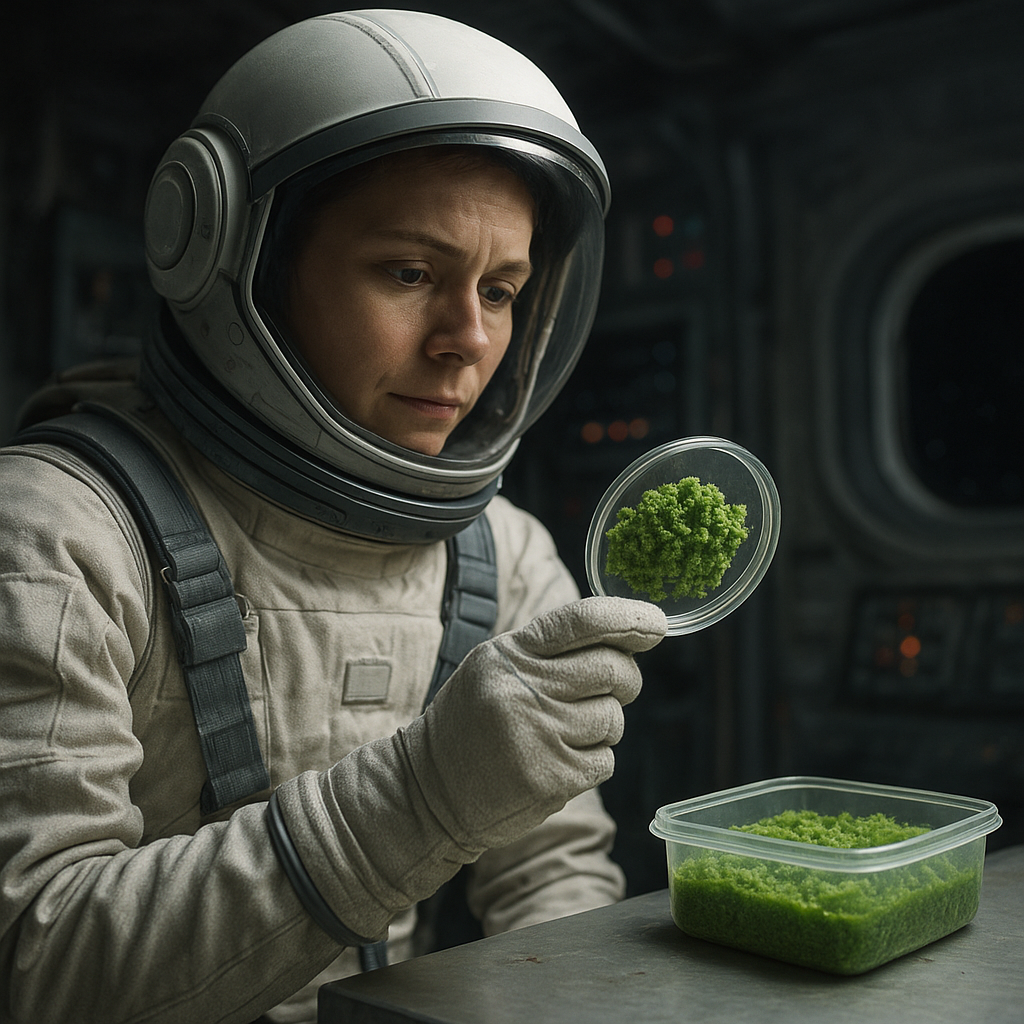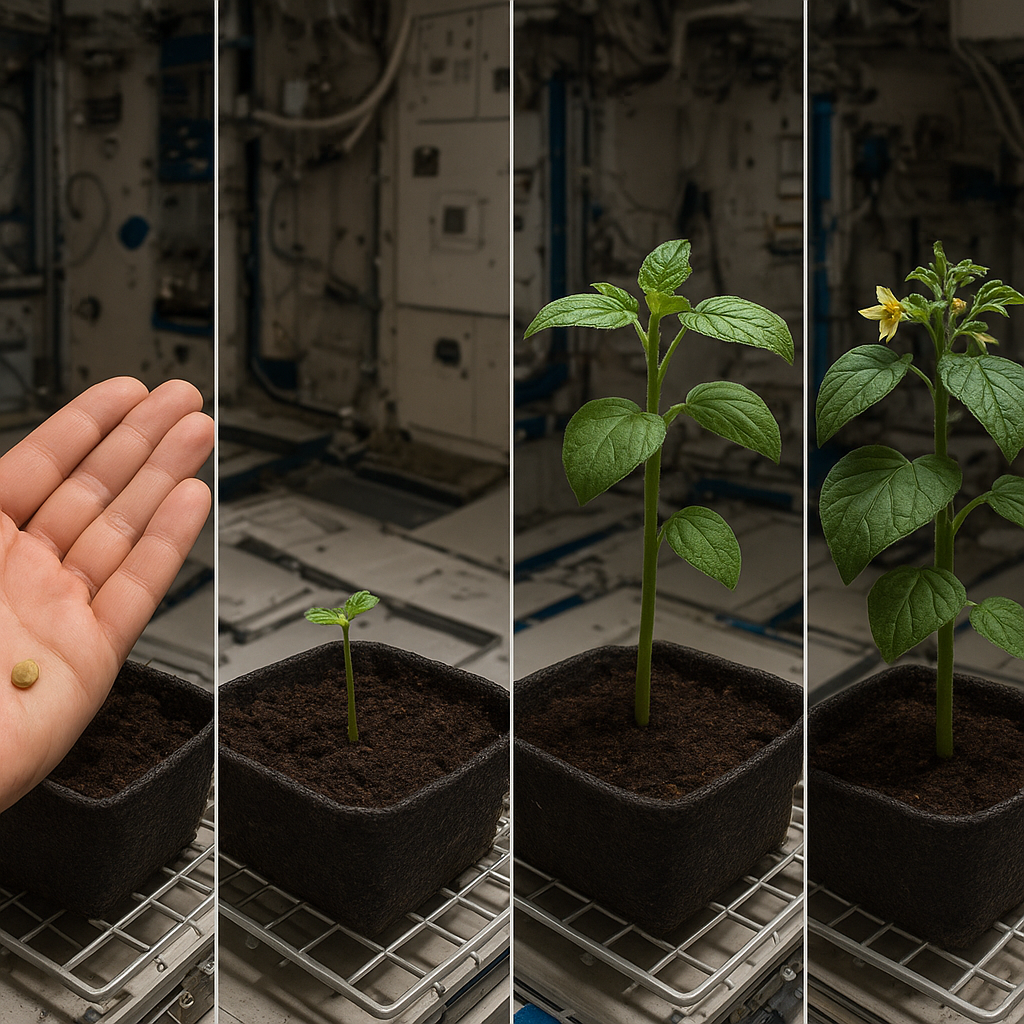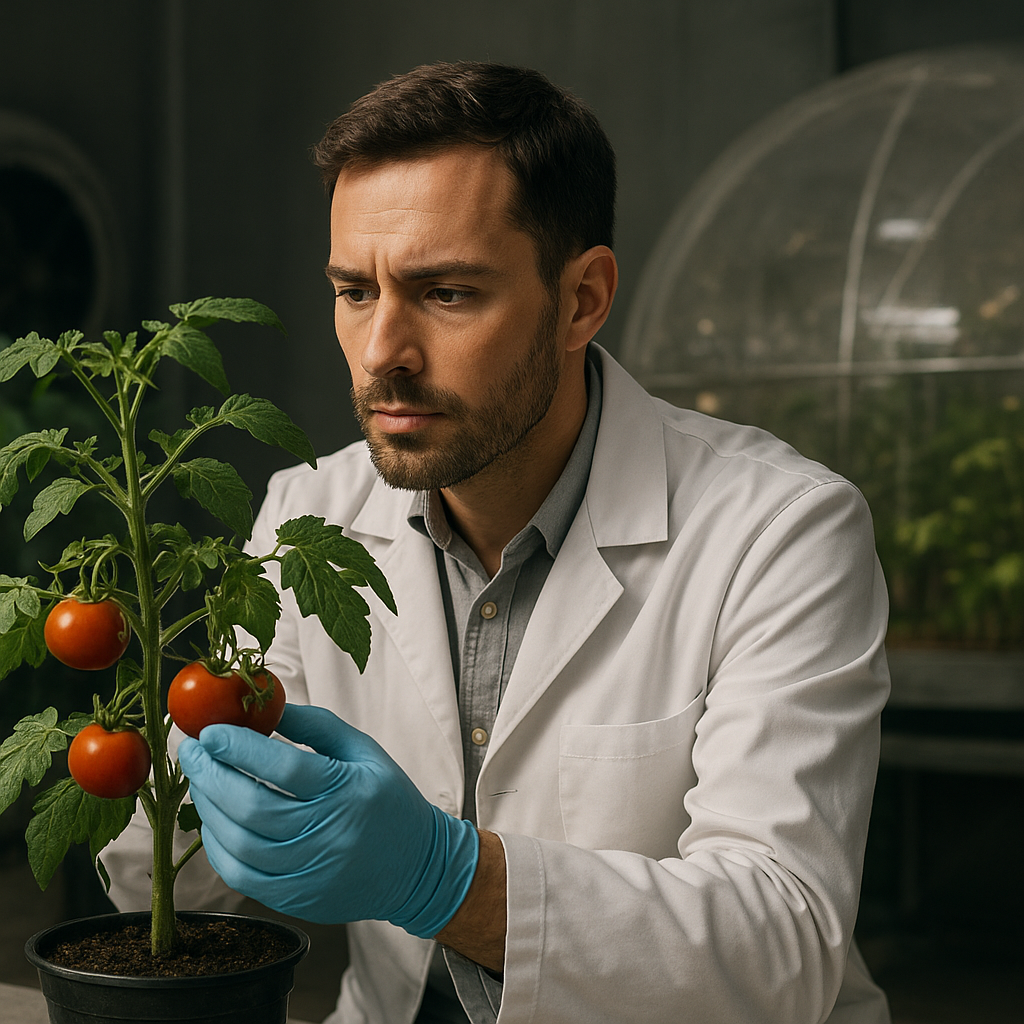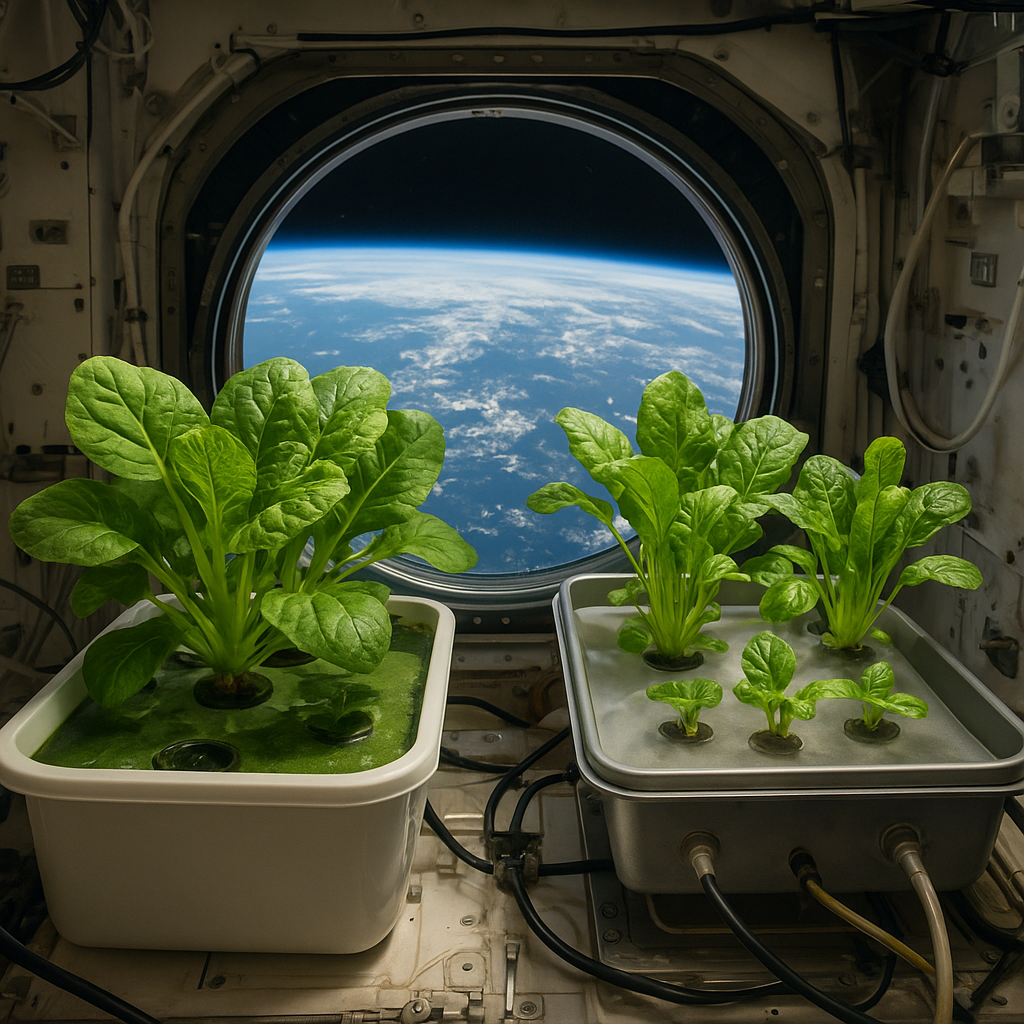
Space missions increasingly depend on closed-loop systems to produce fresh food, recycle water, and sustain human crews for extended periods. In the vacuum of space, where every resource is precious, the comparison between hydroponics and aeroponics gains critical importance. Both methods eliminate traditional soil-based agriculture, yet they differ in how plants receive their nutrients and water. By investigating these two approaches, engineers, biologists, and astronauts seek to optimize plant growth under microgravity conditions, minimize mass and energy consumption, and maintain high levels of crop productivity aboard spacecraft or extraterrestrial habitats.
Understanding Hydroponic Cultivation in Space
Principles and Technology
Hydroponic systems deliver a carefully balanced nutrient solution directly to the plant’s root zone, often using inert substrates like rock wool or clay pellets to support the plants. In space applications, closed reservoirs pump water through tubing to trays or root mats, where excess solution returns for filtration and reuse. Critical components include:
- Reservoirs with sensors for pH and electrical conductivity
- Pumps and flow regulators controlling nutrient delivery
- LED grow lights tuned to optimal spectral wavelengths
- Filtration units preventing microbial contamination
This method has been tested on the International Space Station (ISS) through experiments like Veggie and Advanced Plant Habitat, demonstrating reliable germination and biomass production under controlled conditions.
Benefits and Limitations
Hydroponics offers several advantages for long-duration missions:
- Water efficiency: Recirculating systems can reuse up to 90% of the water supply.
- Predictable nutrient uptake, facilitating precise control over plant health.
- Simplicity of design, reducing the number of moving parts and potential failure points.
However, limitations emerge in microgravity:
- Gas bubble accumulation in the root medium can impede nutrient contact.
- System mass and volume for reservoirs and pumps remain significant.
- Maintenance demands arise from potential biofilm buildup in tubing.
Understanding and mitigating these challenges is crucial for reliable food production beyond Earth.
Exploring Aeroponic Techniques Beyond Earth
System Design and Operation
Aeroponics suspends plant roots in air and intermittently mists them with a fine nutrient spray. This design maximizes oxygen availability and promotes rapid nutrient absorption. Key elements include:
- Misting nozzles or ultrasonic nebulizers generating micron-sized droplets
- Enclosed growth chambers maintaining sterile conditions
- Automated timers and humidity sensors coordinating spray cycles
- Collection trays to capture and recycle excess nutrient mist
The aeroponic environment fosters high root aeration, which can accelerate growth rates compared to other soil-less methods.
Advantages in Microgravity
In the weightlessness of orbit, aeroponic systems present several compelling benefits:
- Elimination of substrates removes bulk mass and hazardous particulate risk.
- Uniform nutrient distribution reduces localized deficiencies.
- Lower water inventory, since misting requires minimal fluid volume.
Nevertheless, precise control of droplet size and pressure is essential to prevent spray droplets from floating away or coalescing on electronic components. Ongoing research by NASA investigates nozzle configurations and anti-microbial coatings to ensure reliable operation in zero-g.
Comparative Analysis and Future Prospects
Resource Management and Sustainability
Effective resource recycling is a cornerstone of extraterrestrial agriculture. Both hydroponic and aeroponic systems strive to conserve water and nutrients, yet they diverge in approach:
- Hydroponics relies on reservoir recirculation, demanding larger tanks but simpler plumbing.
- Aeroponics uses nutrient mists, cutting down fluid volume but requiring high-precision spray systems.
Energy consumption for pumps, lights, and environmental control must be balanced against crop yield. Studies project that a hybrid system combining aspects of both might harness the environmental control advantages of aeroponics with the robustness of hydroponic reservoirs, optimizing mass, power, and volume constraints.
Integration into Long-Duration Missions
Future missions to the Moon, Mars, or deep space habitats will depend on scalable and modular plant growth units. Engineers are designing compact pods that can be stacked or folded during launch, then deployed and connected in orbit. Key considerations include:
- Automated nutrient monitoring and dosing to reduce astronaut workload.
- Integration with life support systems for resource recycling of oxygen and water.
- Modularity allowing incremental expansion as mission demands grow.
The interplay between hydroponic and aeroponic modules offers mission planners flexibility to choose the best method for each crop type or mission phase, ensuring fresh produce, psychological benefits, and system redundancy.