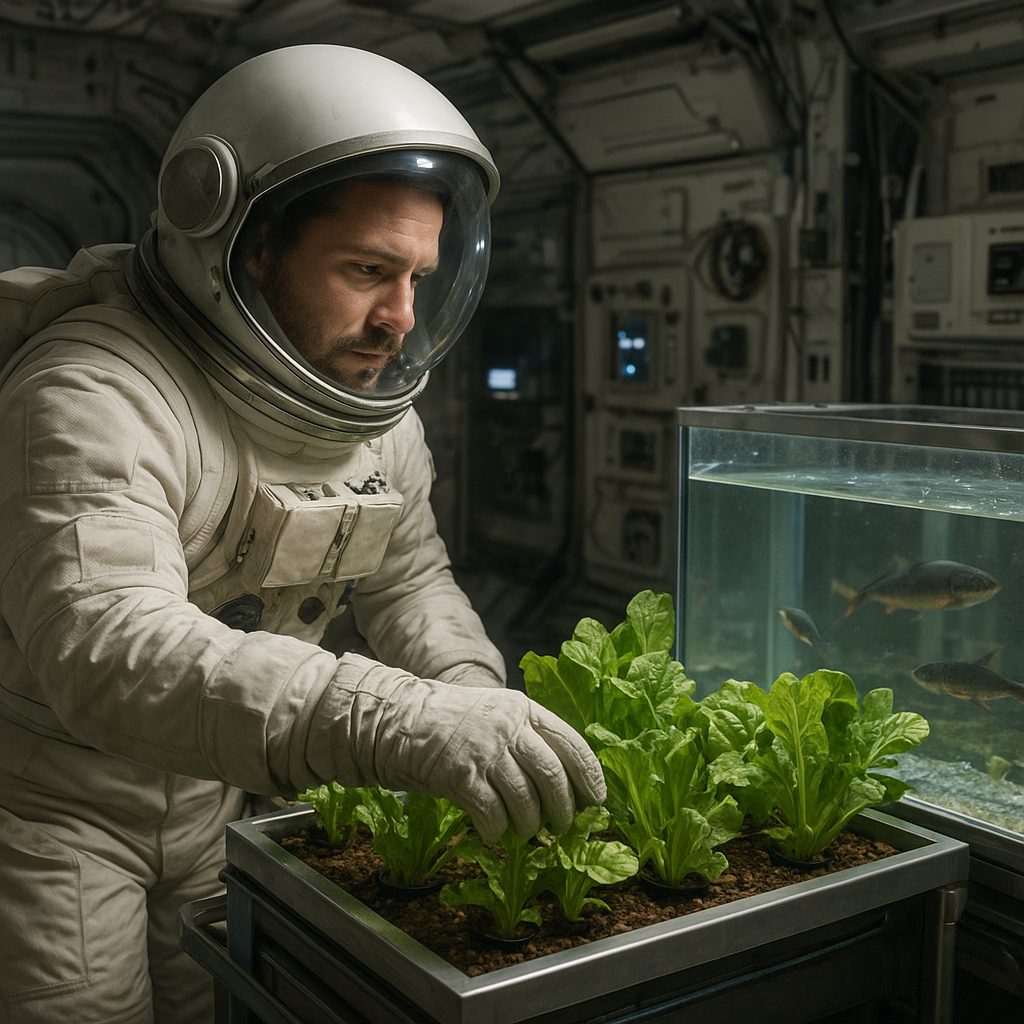
The concept of integrating aquaponics into space food systems represents a transformative approach to sustaining human life beyond Earth. By combining the principles of recirculating aquaculture and soilless plant cultivation, spacefarers can harness a closed-loop ecosystem that maximizes resource utilization and minimizes waste. With upcoming long-duration missions to the Moon, Mars, and beyond, understanding how to establish reliable, efficient bio-regenerative life support systems has become a priority for space agencies and private enterprises alike. This article explores the scientific, engineering, and biological facets of deploying aquaponic units in extraterrestrial environments.
Fundamentals of Aquaponics for Space Applications
At its core, aquaponics is a symbiotic partnership between aquatic animals and plants. Fish or invertebrates produce ammonia-rich waste, which is converted by nitrifying bacteria into nitrites and then into nitrates—plant-available nutrients. In return, plants absorb these compounds, purifying the water for the aquatic species. This cycle exemplifies nutrient cycling, where waste becomes a valuable input rather than a disposal challenge.
Compared to traditional hydroponics, which relies on externally sourced nutrient solutions, aquaponics requires a robust microbiome to sustain nutrient transformations. The balance between fish stocking density, plant growth rates, and microbial activity is critical. In microgravity or low-gravity environments, fluid dynamics and microbial biofilm behavior differ significantly, demanding careful consideration of mass transfer, aeration, and fluid flow to avoid dead zones and ensure consistent nutrient delivery.
Engineering Challenges and Innovative Solutions
Fluid Management in Microgravity
In the absence of 1g gravity, water distribution, gas exchange, and solid waste handling become complex. Engineers must design systems that rely on capillary action, wicking materials, or centrifugal forces to circulate nutrient-rich water. Incorporating sensors and automated valves enables fine-tuning of flow rates and dissolved oxygen levels, preserving both fish and plant health. Recent prototypes have utilized porous ceramic substrates and spiral tubing to maintain uniform fluid contact in a microgravity testbed.
Structural Materials and Biocontainment
Material selection is influenced by weight limitations, durability, and the need to prevent microbial cross-contamination. Polymers coated with antimicrobial agents, combined with UV sterilization stations, help maintain system hygiene. Containment barriers must ensure that aerosols or bioaerosols do not compromise spacecraft air quality. Modular racks constructed from 3D-printed composites allow for rapid assembly, maintenance access, and scalability.
Energy and Thermal Management
Space habitats feature constrained power budgets and strict thermal controls. Heat generated by pumps, lights, and metabolic activity must be integrated into the station’s thermal regulation system. LED growth lights tuned for photosynthetic efficiency can be scheduled to optimize fish feeding and plant photosynthesis cycles, reducing peak power demands. Waste heat can be redirected to maintain optimal water temperatures, reducing additional heating requirements.
Crop Selection and Nutritional Considerations
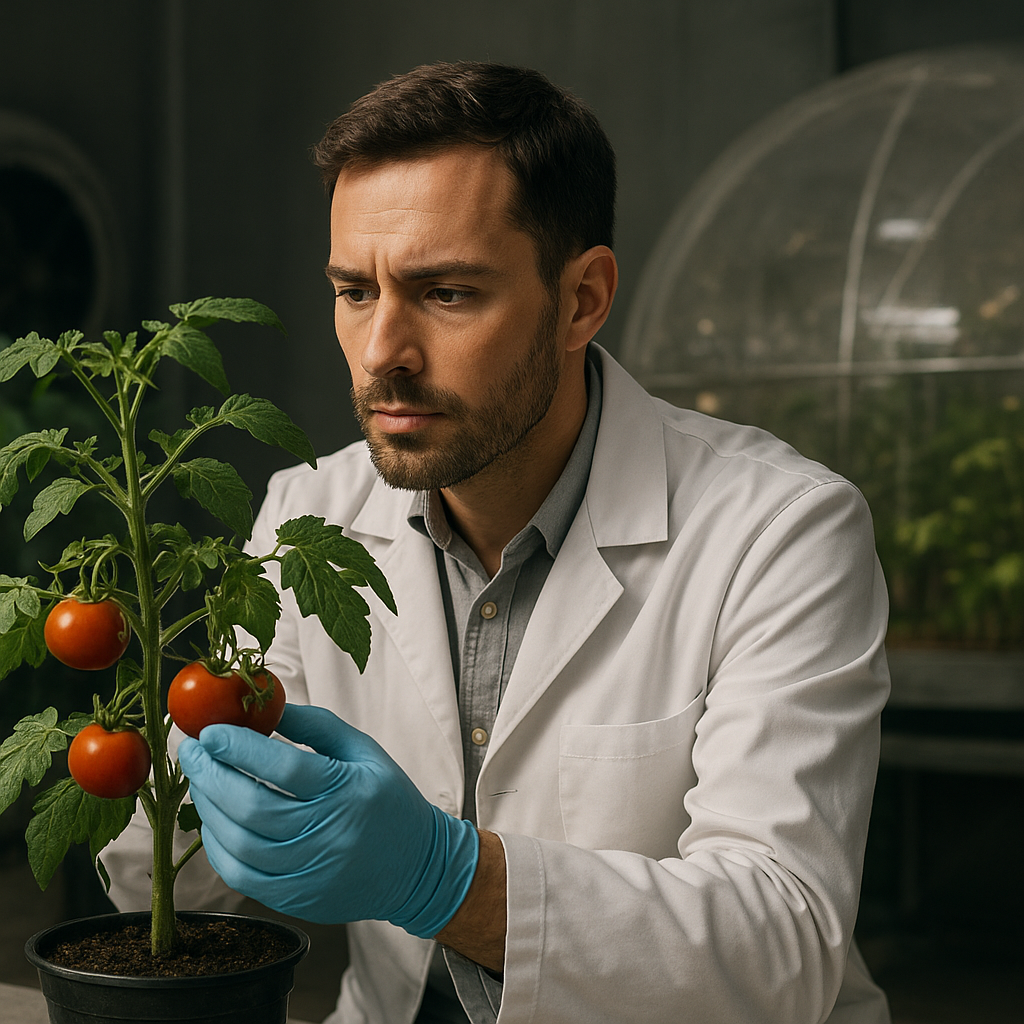
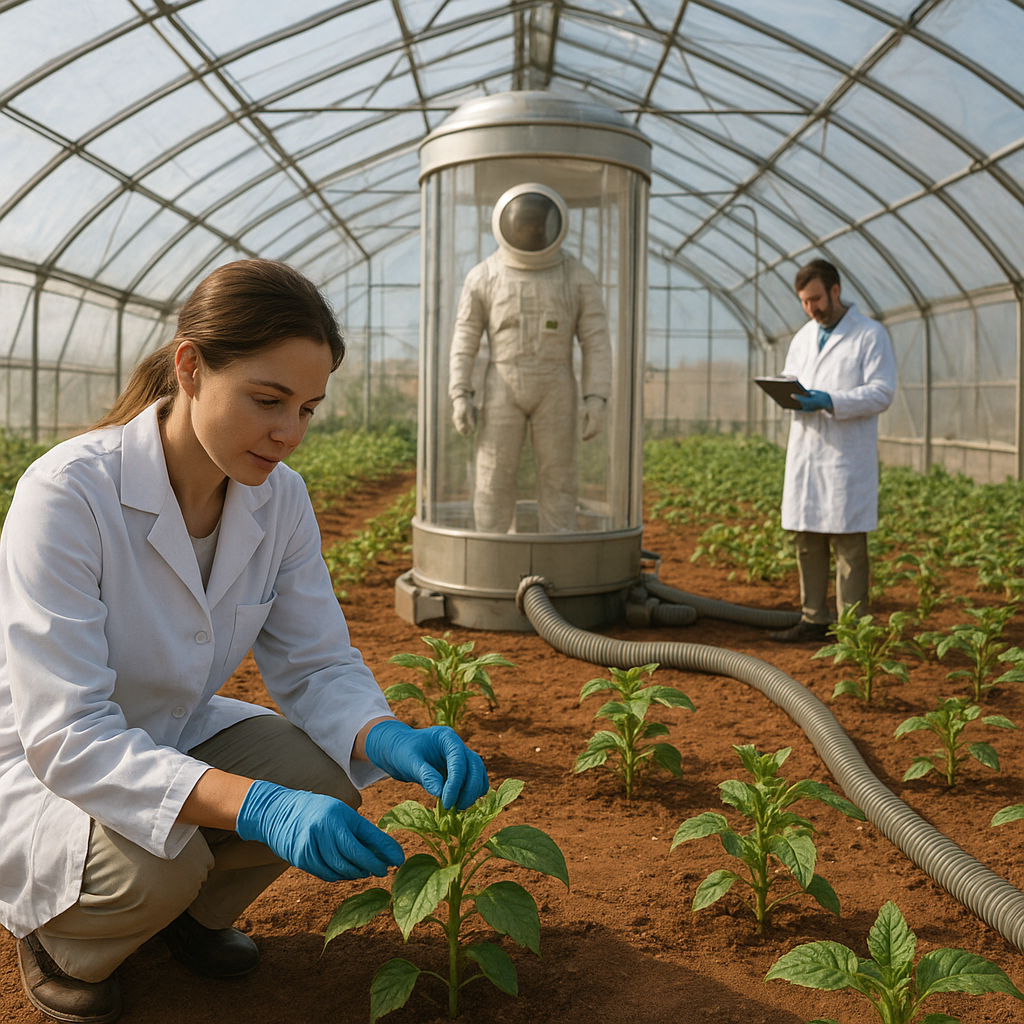
Choosing appropriate crops for space-based aquaponics involves balancing food security, palatability, nutritional value, and growth characteristics. Leafy greens like lettuce, spinach, and kale demonstrate rapid biomass production and high efficiency per unit volume. Fruiting species such as cherry tomatoes, peppers, and strawberries offer diversity but require more complex pollination strategies, potentially invoking electromechanical pollination aids or hand pollination by crew members.
Key nutritional targets include protein, vitamins, essential amino acids, and trace minerals. Fish species such as tilapia, carp, or Artemia (brine shrimp) provide a lean protein source and contribute to the bioregenerative nature of the system. Algae or duckweed can serve as supplementary feed, enhancing the protein and omega-3 content for fish. Integrating edible microbes, like Spirulina, adds a functional food dimension rich in antioxidants and B vitamins.
Sustainability, Waste Recycling, and System Resilience
One of the most compelling advantages of space aquaponics is the minimization of waste streams. Solid fish waste can be partially digested by detritivores or converted into biochar through compact pyrolysis units, producing waste recycling pathways that generate soil amendments or activate carbon for water filtration. Greywater from crew hygiene can be pre-filtered and incorporated into the aquaponic loop after appropriate treatment, further closing the resource loop.
System resilience hinges on redundancy and fault-tolerant design. Redundant sensors, manual bypass options for flow lines, and local microbial banks for rapid inoculation ensure that critical failures do not cascade into total system collapse. Crew training in biological monitoring, pH adjustment techniques, and emergency nutrient dosing protocols builds operational confidence and autonomy during deep-space missions where real-time mission support is limited by communication delays.
Future Prospects and Integration Strategies
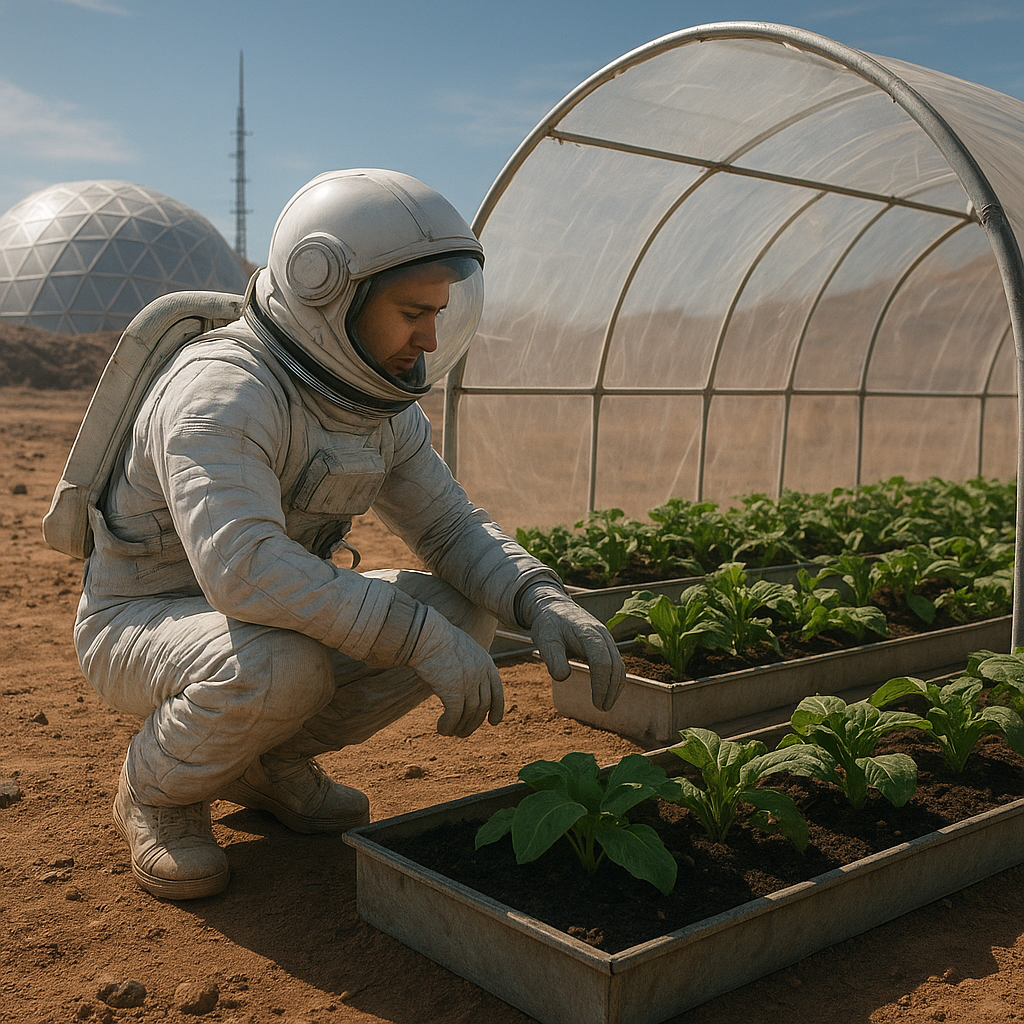
Looking ahead, the vision for large-scale aquaponics in orbit or on planetary surfaces involves integration with other life support modules—such as photobioreactors for oxygen production, water reclamation units, and in-situ resource utilization (ISRU) facilities that extract water from regolith or ice. By co-locating these systems, a truly sustainability-driven habitat emerges, where every by-product is a feedstock for another process.
Advances in synthetic biology may enable the engineering of microbial consortia tailored for nutrient synthesis, reducing reliance on fish for ammonia production. Gene-edited plant varieties optimized for compact growth, rapid germination, and enhanced flavor profiles will elevate psychological and dietary well-being for crew members. Ultimately, the successful deployment of space aquaponics will pave the way for self-sufficient outposts, enabling humanity’s expansion across the solar system while maintaining Earth-like comforts and dietary standards.