Space tourism is rapidly transitioning from a concept of science fiction into a tangible reality. As astronauts and private travelers venture beyond Earth’s atmosphere, the need for reliable food production systems becomes increasingly critical. Integrating advanced agricultural solutions into space tourism not only ensures nutritional adequacy but also enhances the overall travel experience. This article explores how cutting-edge technologies, ecological design principles, and human factors converge to shape the future of food cultivation among the stars.
Technological Innovations in Space Agriculture
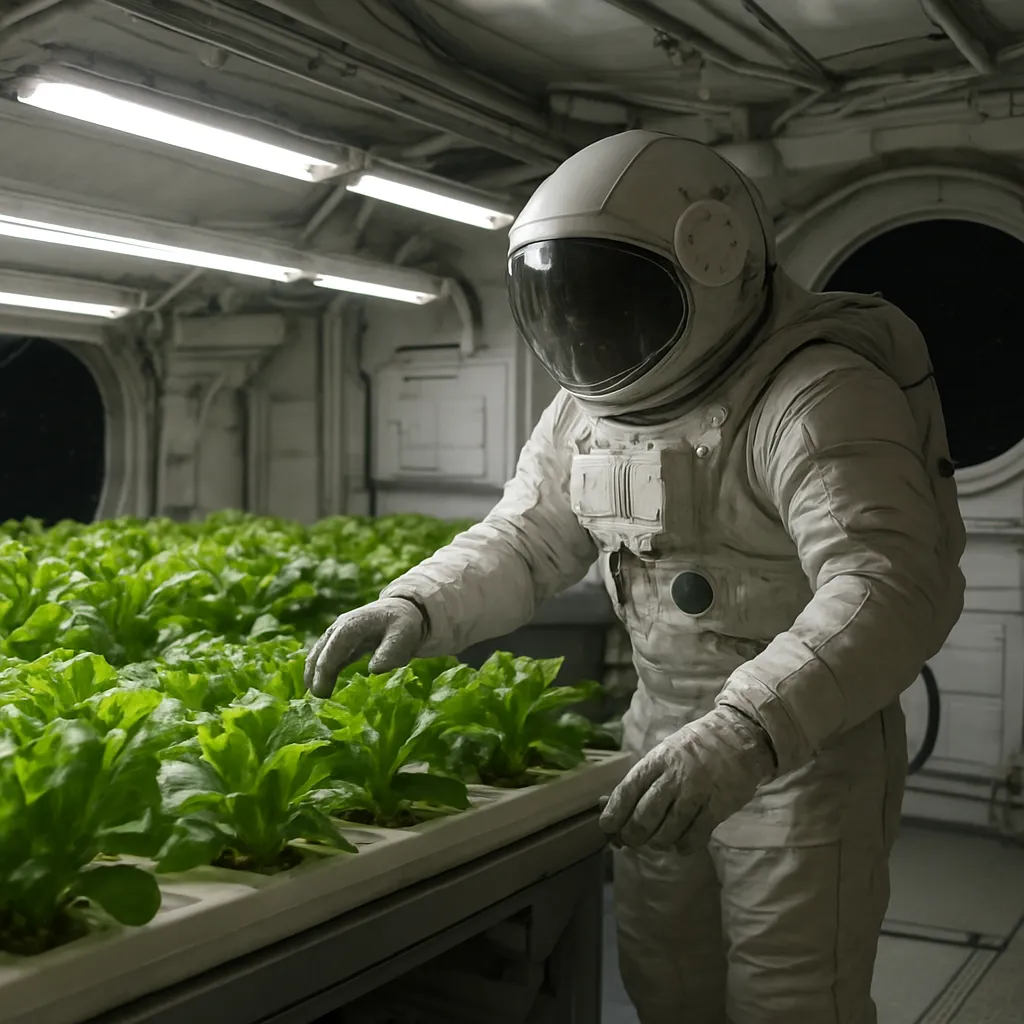
The pursuit of sustainable food sources in microgravity has driven researchers to develop a range of innovative cultivation techniques. Among these, hydroponics and aeroponics stand out as pivotal methods for soilless crop production. By delivering nutrient-rich solutions directly to plant roots, hydroponic systems minimize water waste and eliminate the need for heavy soil substrates.
- Hydroponic modules: Compact trays and channels that circulate liquid nutrients, optimized for low power consumption.
- Aeroponic towers: Suspended roots exposed to misted nutrient droplets, promoting accelerated growth rates and oxygen access.
- LED-based lighting: Tailored spectra that optimize photosynthesis, reduce heat output, and conserve energy.
Beyond these methodologies, breakthroughs in bioregenerative life support systems integrate plants, microbes, and waste recycling to form a closed-loop ecosystem aboard spacecraft. Such systems are designed to:
- Convert carbon dioxide exhaled by humans into oxygen.
- Process organic waste into nutrient feedstock.
- Maintain stable humidity and temperature through plant transpiration.
By harnessing the symbiotic relationships between flora and crew, spacefarers can achieve greater self-sufficiency and reduce costly resupply missions from Earth.
Enhancing the Tourist Experience with Onboard Farms
Space tourists seek more than mere weightlessness; they crave immersive, sensory-rich adventures. Introducing living green spaces within orbital hotels or lunar habitats offers multifaceted benefits:
- Psychological well-being: Interacting with vibrant plants can alleviate stress, combat isolation, and foster a sense of home.
- Educational engagement: Guests can participate in planting, harvesting, and monitoring growth metrics, deepening their understanding of life support science.
- Culinary delight: Fresh herbs, salad greens, and microgreens elevate in-flight menus by adding flavor, color, and nutritional value.
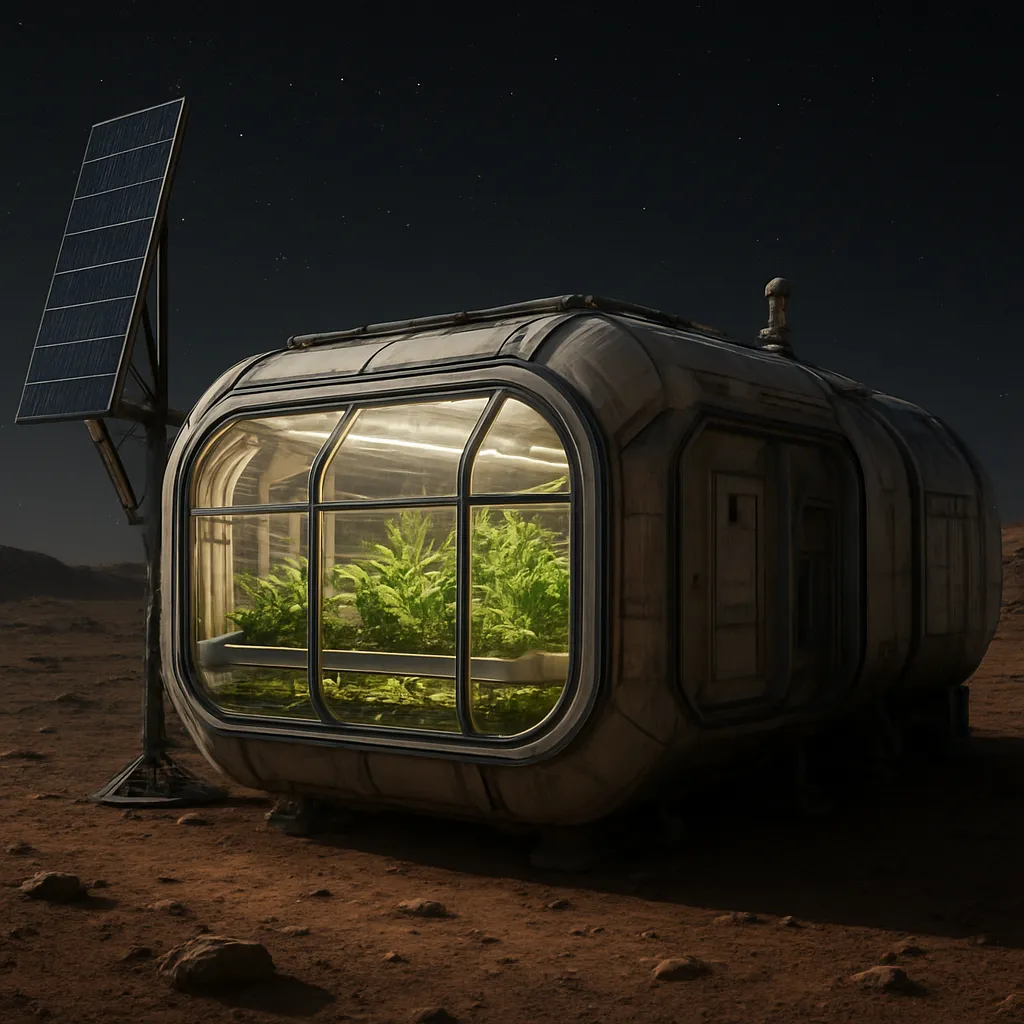
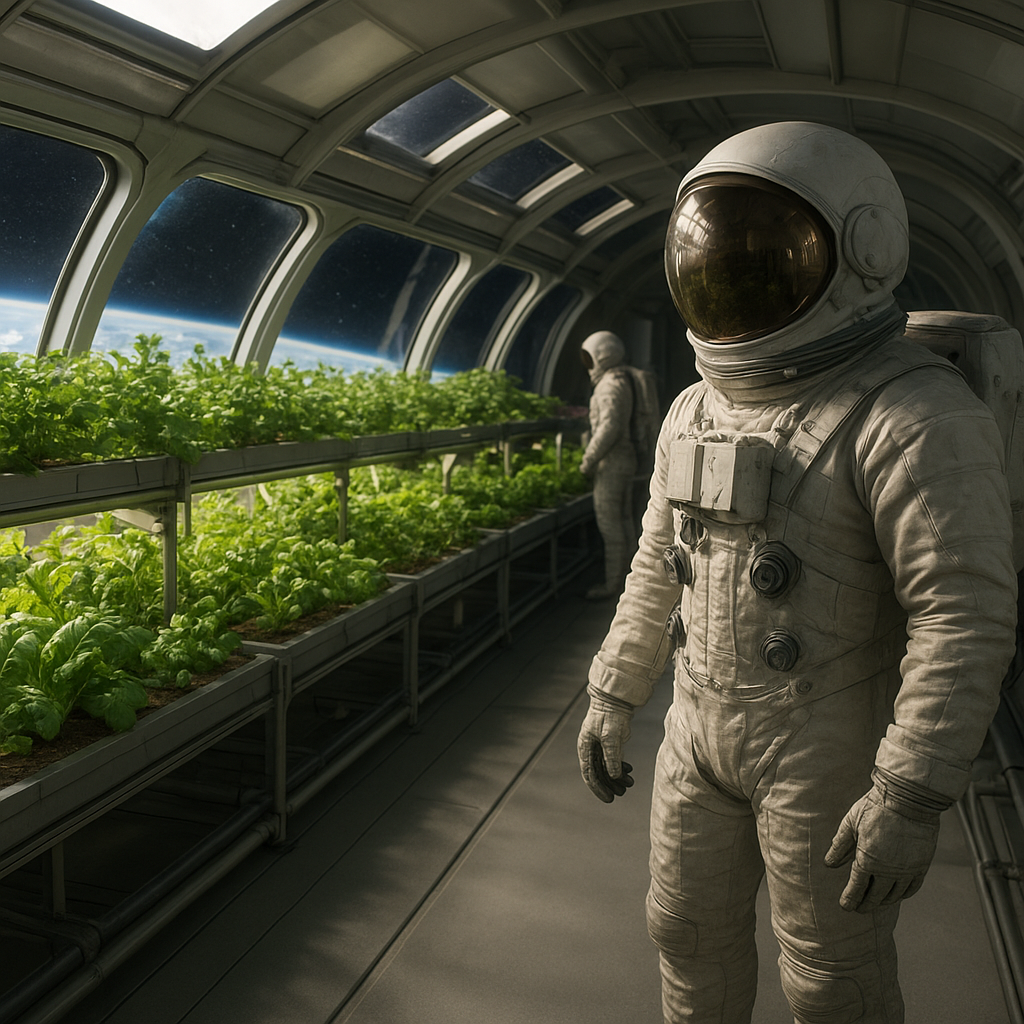
Several conceptual designs propose “agri-domes” integrated into space stations, featuring transparent panels that provide both artificial and natural sunlight filtering through thick shielding. Visitors might don lightweight gloves and tools to prune lettuce, taste edible flowers, or learn about genetic modifications that enable robust plant performance under radiation exposure.
Design Principles for Sustainable Space Farms
Creating a reliable agricultural module requires meticulous attention to efficiency and resource constraints. Key design principles include:
1. Resource Recycling and Conservation
- Closed-circuit water filtration using membrane reactors.
- Solid waste composting with microbial consortia to generate compost tea for nutrient cycles.
- Energy recovery from organic decomposition and thermal regulation via phase-change materials.
2. Modularity and Scalability
- Stackable growth units that can be expanded based on passenger volume.
- Standardized interfaces for power, data, and fluid lines.
- Interchangeable plant cartridges pre-grown on Earth for rapid deployment.
3. Environmental Control
- Precision control of temperature, humidity, and CO2 levels for optimal photosynthesis.
- Automated sensor networks for real-time monitoring of pH, nutrient concentration, and pathogen presence.
- Adaptive lighting schedules to simulate natural day-night cycles, supporting circadian rhythms.
These principles, combined with advanced robotics and AI-driven analytics, ensure that space farms remain resilient and capable of delivering consistent yields, regardless of mission duration or external conditions.
Biological and Nutritional Considerations
To maximize the nutritional impact of onboard agriculture, developers select crops with high yields, rapid growth cycles, and robust nutritional profiles. Popular candidates include:
- Leafy greens (lettuce, spinach, kale) for vitamins and dietary fiber.
- Tomatoes and peppers for added antioxidants and flavor diversity.
- Microgreens and sprouts for concentrated phytonutrients and quick turnaround.
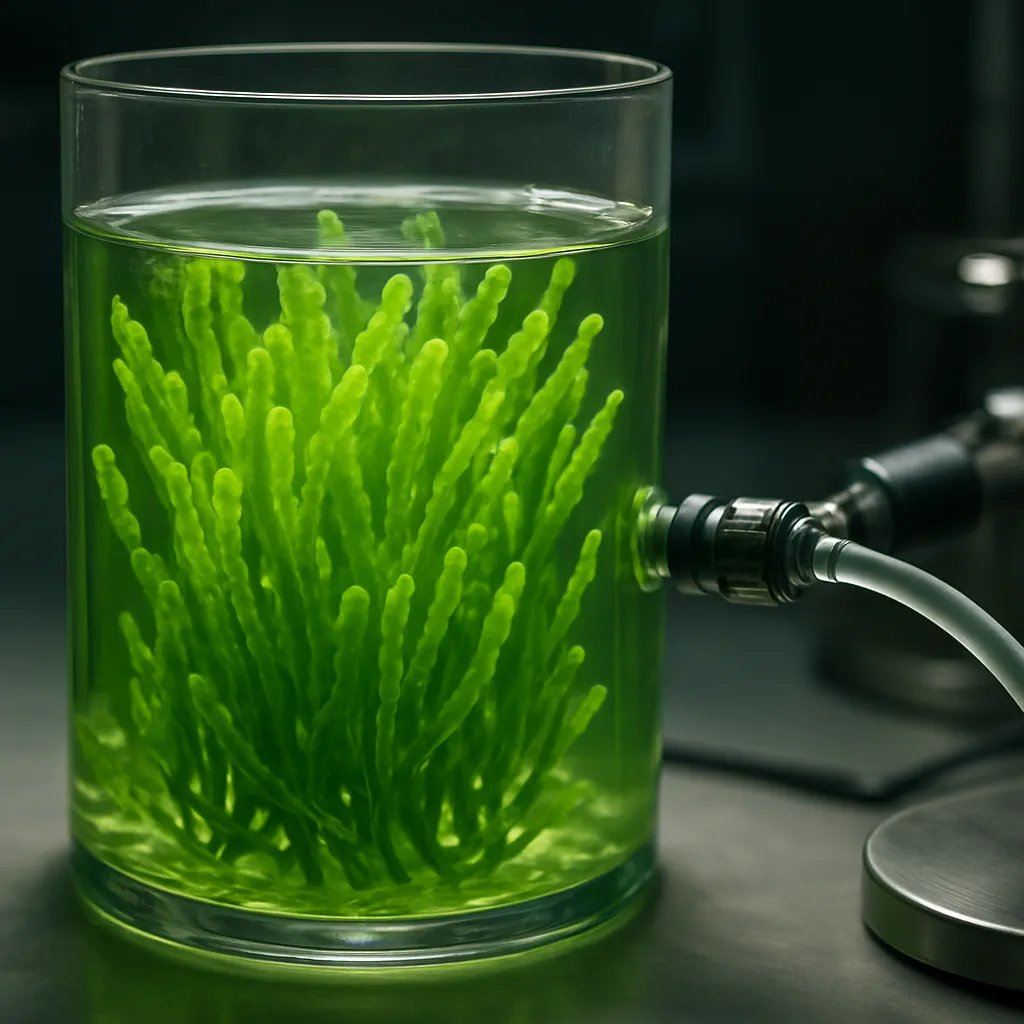
Moreover, ongoing research into algae cultivation and edible insect farming offers promising alternatives for protein-rich diets. Integrating multiple food sources contributes to dietary autonomy and reduces reliance on freeze-dried rations. Genetic engineering further enhances plant tolerance to microgravity and cosmic radiation, ensuring stable growth even under challenging conditions.
Challenges and Future Directions
Despite remarkable progress, several hurdles remain in the path toward fully operational space agriculture for tourism:
- Mass and volume constraints of agricultural hardware during launch.
- Potential microbial contamination and pathogen control in enclosed habitats.
- Long-term effects of cosmic radiation on plant genome stability.
Addressing these challenges requires collaboration among aerospace engineers, biologists, and hospitality experts. Future concepts envision autonomous farming pods that adjust their nutrient delivery in response to crew dietary logs, creating personalized meal plans that adapt to individual health metrics.
By leveraging the synergy between cutting-edge agricultural science and the burgeoning space tourism industry, humanity stands poised to cultivate sustainable oases in orbit and beyond. The frontier of space travel thus becomes not only a journey through the cosmos but also a voyage of discovery in nurturing life among the stars.