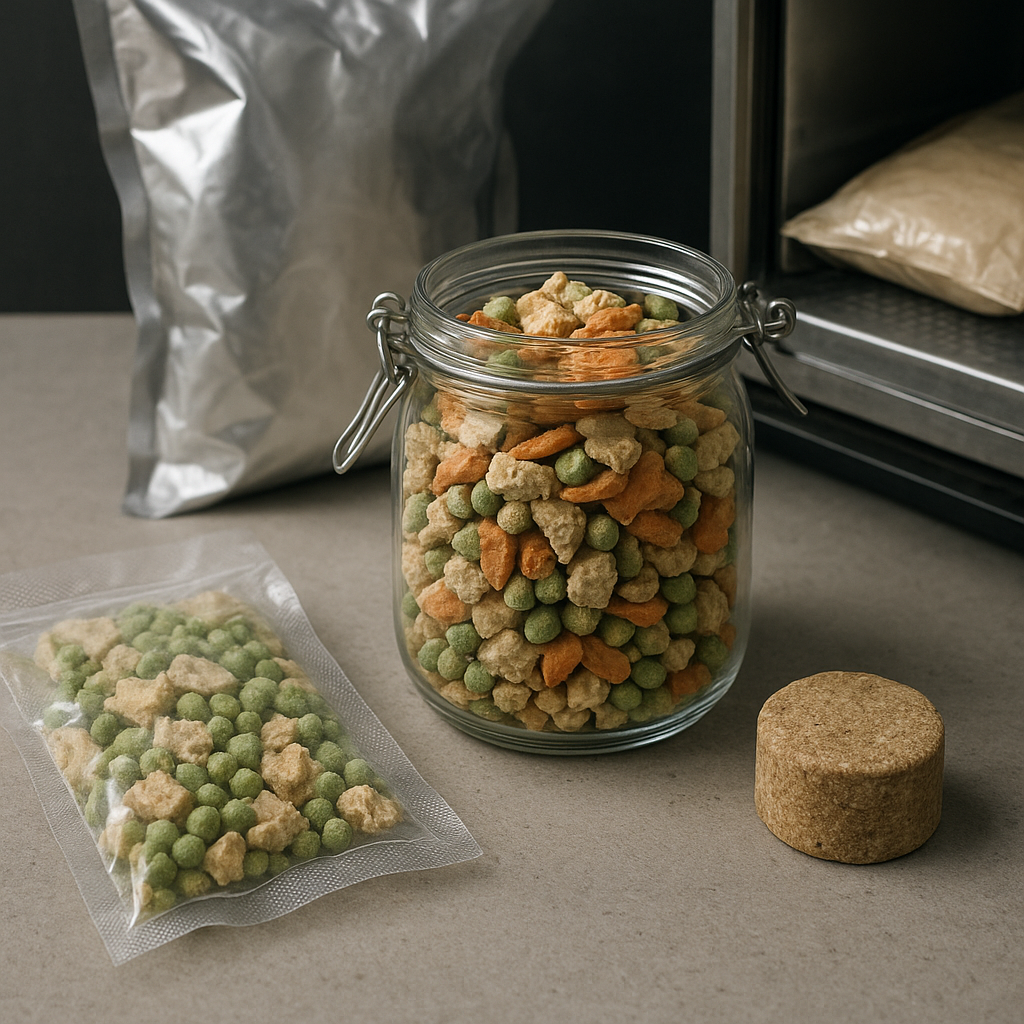
The pursuit of sustainable space agriculture hinges not only on cultivating plants beyond Earth but also on mastering the art of storing and preserving their yields for extended missions. As crews venture deeper into the cosmos, ensuring a reliable supply of fresh, nutrient-rich food becomes a cornerstone of mission success. This article delves into the cutting-edge strategies for Long-Term Storage and Preservation of space-grown food, exploring innovations in nutrient stabilization, packaging design, environmental control, and future technologies that promise to revolutionize extraterrestrial farming.
Innovative Approaches to Stabilizing Nutrient Content
Maintaining the nutrient density of harvested crops under space conditions demands precise control over biochemical processes. Traditional Earth-based storage methods often fail when exposed to microgravity and heightened radiation levels. Researchers are adapting terrestrial techniques and inventing new ones to lock in bioactive compounds and minimize molecular degradation.
Dehydration and Freeze-Drying Techniques
One of the most promising methods is advanced freeze-drying. By rapidly freezing harvested produce and then applying a high vacuum to sublimate ice directly into vapor, this process removes moisture while preserving cell structure and flavor. Freeze-dried greens retain up to 95% of their original vitamins and minerals. In space, compact freeze-drying units must be engineered for low power consumption and robust performance under microgravity. Enhanced formulations with soluble carriers, such as maltodextrin or gum arabic, help stabilize delicate pigments and antioxidants.
Cryopreservation and Refrigeration Systems
Cryogenic preservation, employing temperatures below −196°C, offers nearly indefinite storage by arresting all enzymatic activity. Integration of small-scale liquid nitrogen freezers aboard spacecraft can preserve seeds, sprouts, and even cell cultures. Modern systems use vacuum-insulated panels and phase-change materials to minimize boil-off and energy draw. For short-duration missions, hybrid refrigeration units operate at 0–4°C, extending shelf life of fresh produce for weeks. These units incorporate smart thermostats and CO₂ monitoring to ensure microbial safety remains uncompromised.
Packaging and Contaminant Control in Space
Effective packaging in extraterrestrial environments must address challenges absent on Earth: vacuum conditions, ionizing radiation, and stringent mass and volume restrictions. Innovative materials and sealing methods are critical to safeguarding nutritional value and preventing biocontamination.
Vacuum Sealing and Modified Atmosphere Packaging
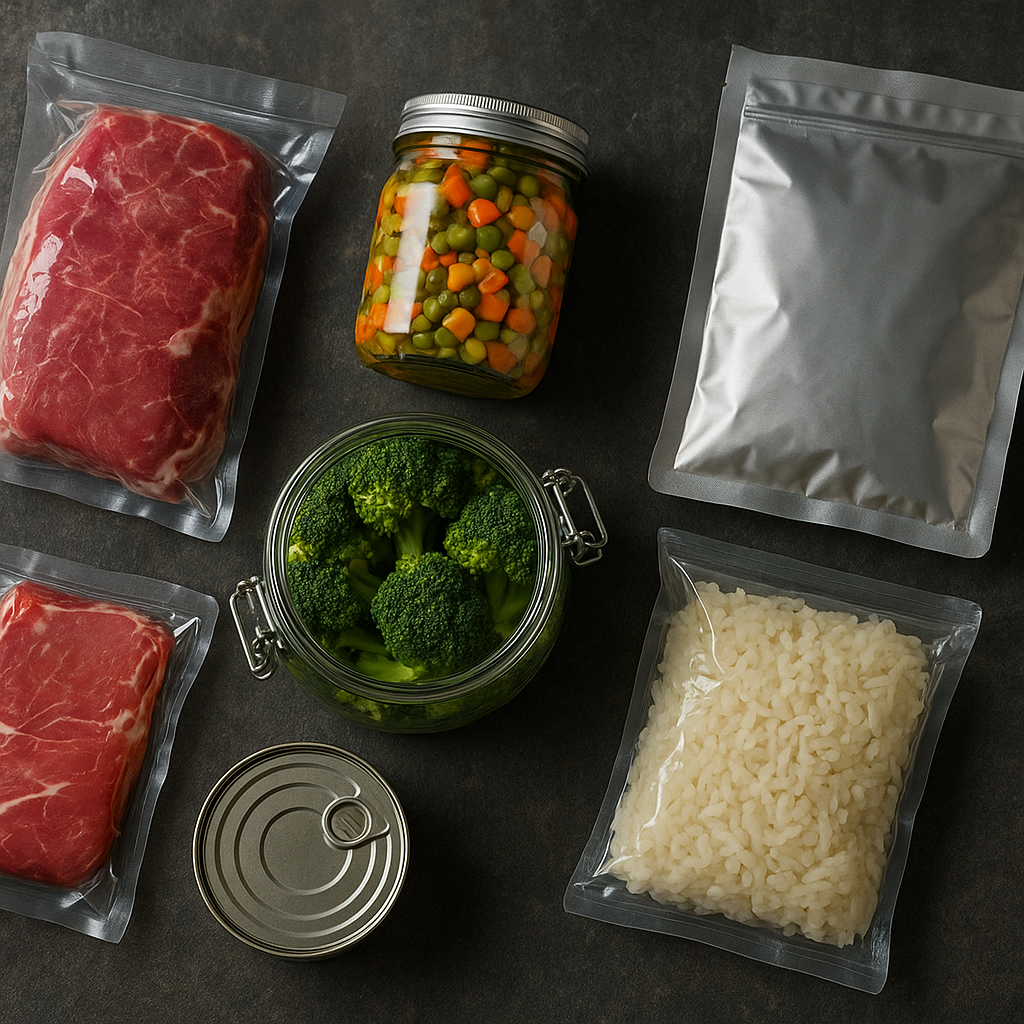
Vacuum sealing removes air, drastically reducing oxidative reactions that degrade lipids and vitamins. Combined with modified atmosphere packaging (MAP), where inert gases like nitrogen or argon are introduced, these systems can extend shelf life by up to 300%. In space, specialized gas cartridges and micro-scale pumps maintain targeted gas compositions. Flexible multilayer films with metalized barriers shield contents from moisture and light. Automated pouch welders designed for microgravity ensure consistent seals without leaks.
Radiation Sterilization and Biobarriers
Cosmic rays and solar particle events pose a constant threat to stored food, causing molecular breakdown and the formation of harmful free radicals. Low-dose gamma or electron-beam radiation can sterilize packaging and kill pathogens without significantly altering taste or texture. Packaging materials incorporate embedded antioxidants, such as vitamin E or BHT, to scavenge residual radicals. Additionally, biobarrier coatings—thin polymer layers infused with antimicrobial peptides—provide a secondary defense against mold and bacterial growth.
Environmental Challenges and Preservation Dynamics
Understanding how spaceflight conditions accelerate spoilage or alter food chemistry is essential for designing mitigation strategies. Researchers conduct ground-based simulations and orbital experiments to map out degradation pathways.
Microgravity Effects on Food Spoilage
In microgravity, the absence of convective airflow around food can create localized pockets of humidity, promoting mold. Studies in the International Space Station’s Fruit Fly Lab revealed that moisture-laden surfaces incubate fungal spores faster than on Earth. To counteract this, circulation systems equipped with desiccant cartridges actively regulate cabin humidity. Selective gas-permeable membranes in packaging allow water vapor to escape while preventing microbial ingress.
Cosmic Radiation and Shelf-Life Degradation
High-energy particles penetrate packaging and interact with food molecules, causing radiolytic cleavage of vitamins and lipids. Long-duration experiments using particle accelerators simulate galactic cosmic rays, showing up to 40% loss of vitamins C and E after six months. Solutions include radiation-hardened packaging layers—combinations of polyethylene, aluminum, and tantalum films—to attenuate particle flux. Embedding radiation dosimeters within food containers allows real-time monitoring of cumulative exposure.
Future Directions in Space Agriculture Storage
As human ambitions expand to Mars and beyond, storage technologies must evolve to leverage in-situ resources and intelligent systems. Upcoming innovations promise to reduce reliance on resupply missions and enhance crew self-sufficiency.
In-Situ Resource Utilization for Packaging
Martian and lunar regolith present untapped opportunities for creating packaging materials. Processing regolith to extract silicates and oxides enables the fabrication of glass-like films that offer excellent barrier properties against radiation and vacuum. Biopolymer production from extant microbial cultures, fed on organic waste, can yield biodegradable containers. This in-situ resource utilization (ISRU) approach slashes payload mass from Earth and fosters a circular life support system.
Advanced Sensors and Smart Packaging
Next-generation storage containers will integrate miniaturized chemical sensors that track pH, gas composition, and microbial metabolites. These sensors communicate wirelessly with the habitat’s environmental control system, triggering real-time adjustments in temperature, pressure, or atmosphere. Embedded RFID tags allow crew members to scan and access detailed history logs of each food item—harvest date, storage conditions, and quality metrics—via handheld devices. Predictive algorithms analyze sensor data to forecast spoilage and optimize consumption schedules.
Adaptive Preservation via Synthetic Biology
Engineering plant varieties with enhanced post-harvest resilience is a frontier in space agriculture. Synthetic biology tools enable the insertion of genes that upregulate natural antioxidants or produce protective cryoprotectants. Crops can be tailored to self-secrete antimicrobial compounds on fruit surfaces, reducing reliance on external sterilization methods. These genetically optimized plants promise to redefine the baseline of shelf-life even before any mechanical or chemical preservation is applied.