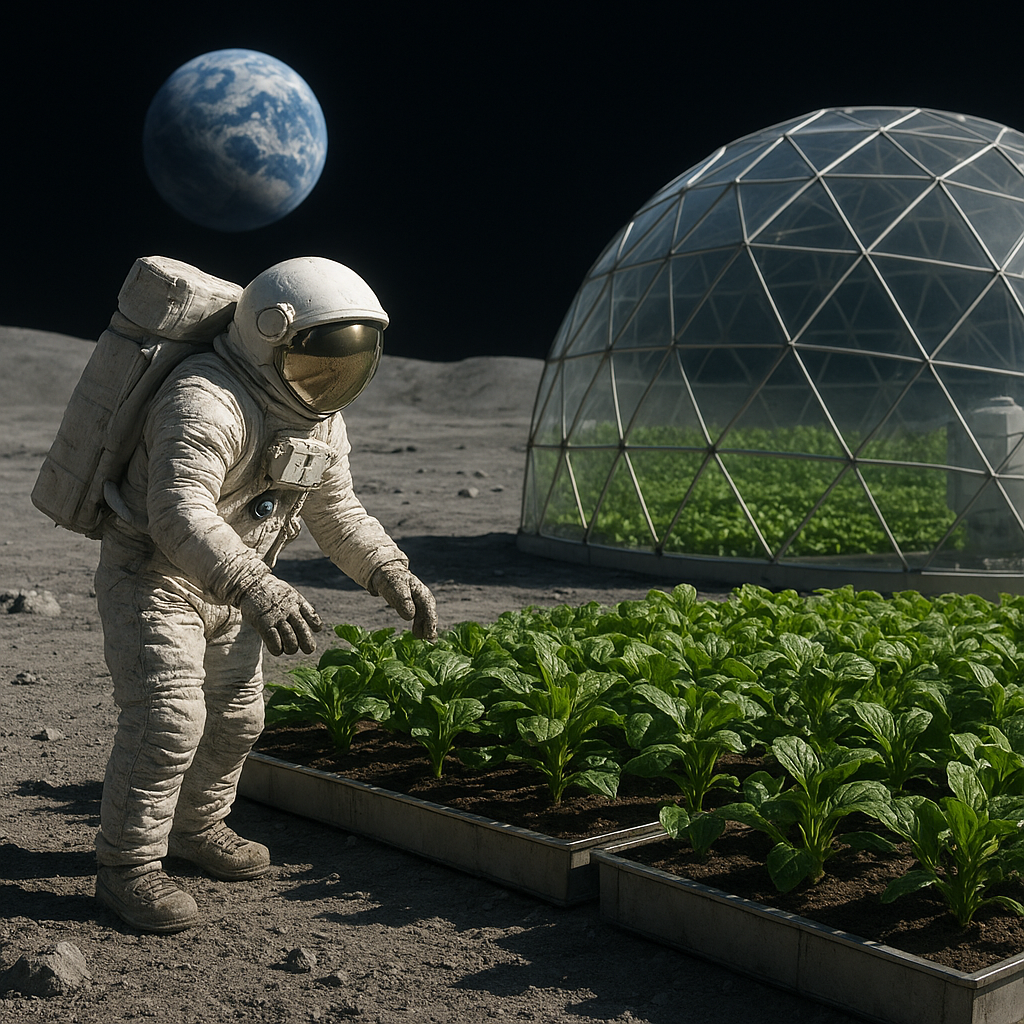
As humanity sets its sights on establishing a permanent presence beyond Earth, the prospect of cultivating plants on the lunar surface transforms from science fiction to a tangible goal. The integration of agriculture into Moon missions promises not only life support through oxygen and food production but also the development of a self-sufficient biosphere that could revolutionize long-term space exploration.
The Foundation of Lunar Agriculture: Soil and Water Management
Regolith as a Growth Medium
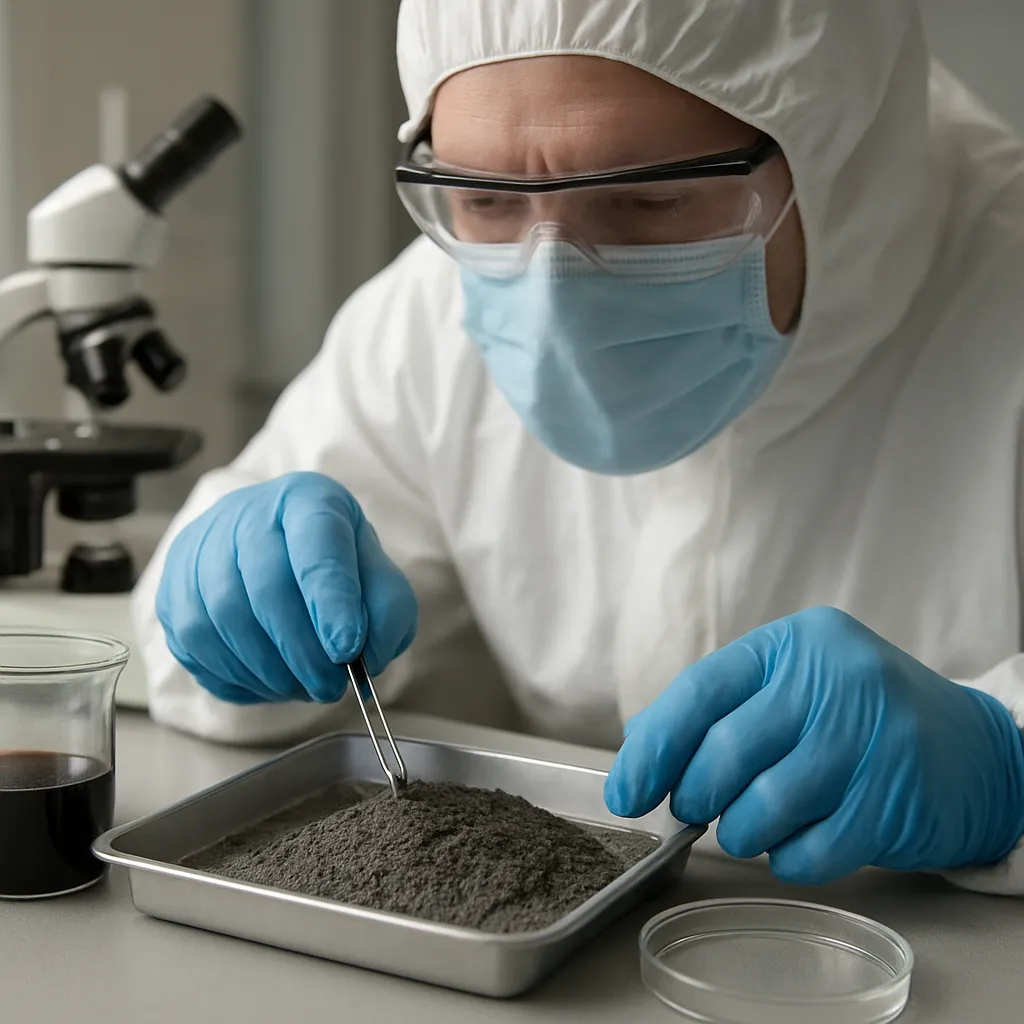
Lunar regolith, the fine powder covering the Moon’s surface, offers a potential substrate for plant growth. Unlike terrestrial soil, regolith lacks organic matter, essential nutrients, and a balanced microbiome. Conditioning strategies involve mixing regolith with composted organic waste brought from Earth or generated in situ, as well as supplementing with microbial consortia to foster nutrient cycling. Advanced research explores the addition of biochar and mineral amendments to improve fertilization efficiency and water retention.
Water Sourcing and Recycling
Water is the lifeblood of any agricultural system. On the Moon, extracting ice from permanently shadowed craters and recycling greywater becomes critical. Innovations in closed-loop systems capture transpiration and condensation, enabling up to 95% recovery of water used in plant chambers. Integration of electrolysis units with hydroponic setups further enhances resource use, making sustainability the cornerstone of lunar cultivation.
Innovative Technologies for Sustainable Cultivation
Hydroponics and Photobioreactors
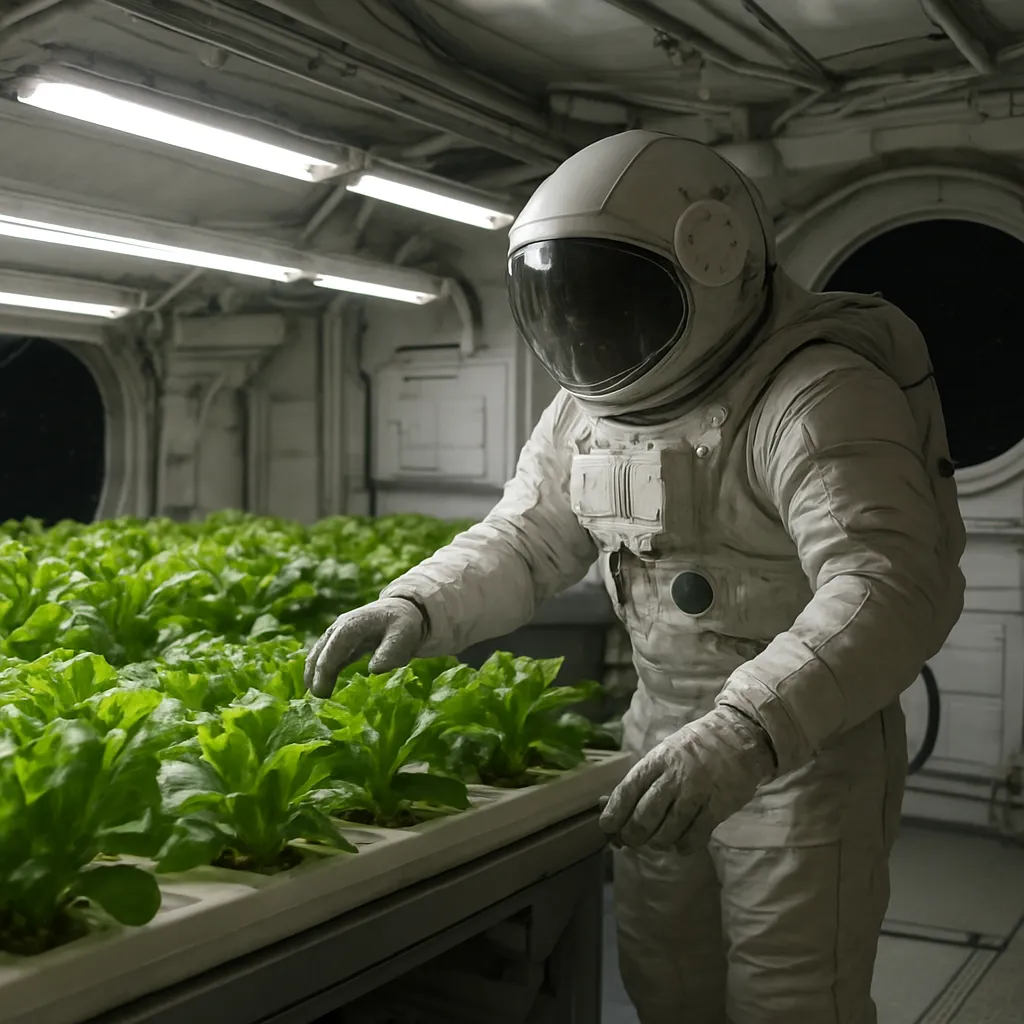
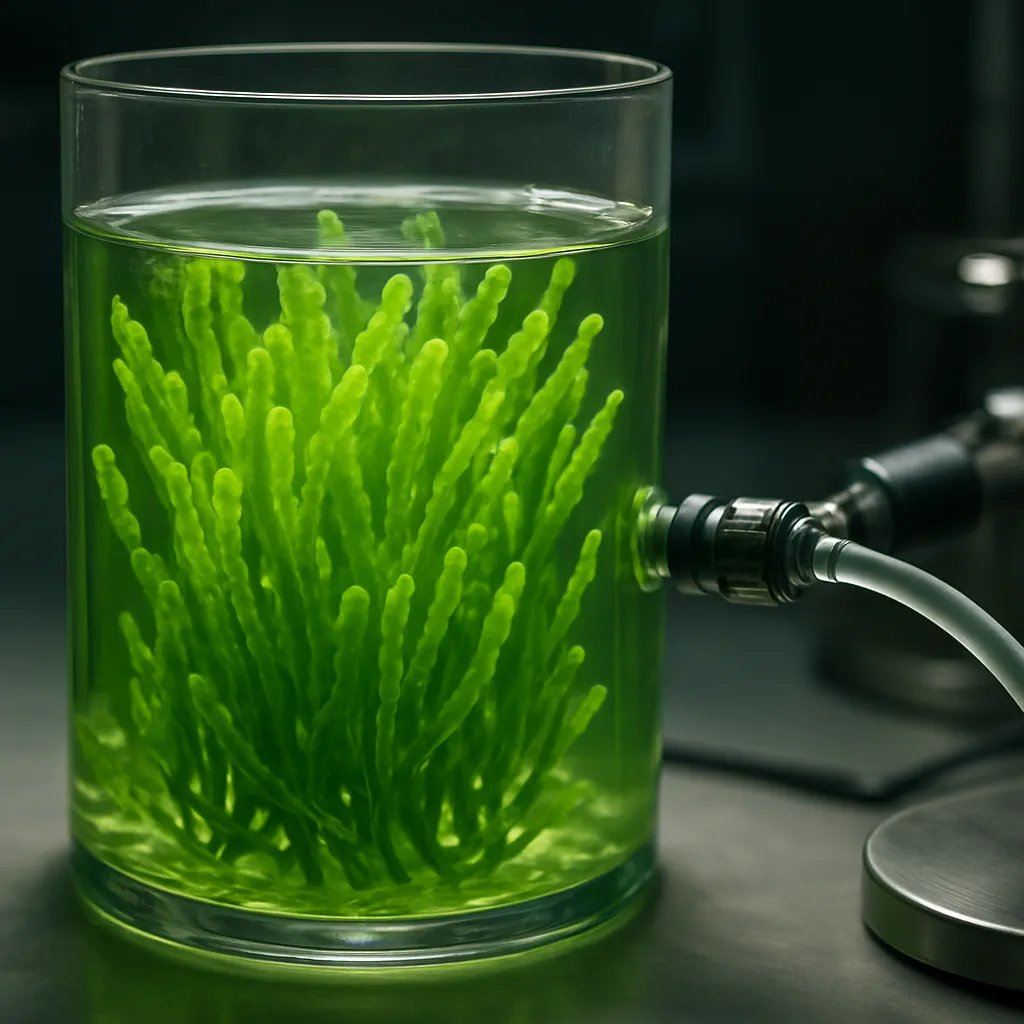
By eliminating soil altogether, hydroponics offers precise control of nutrient delivery through aqueous solutions. Combining these systems with photobioreactors enables co-cultivation of microalgae and higher plants, boosting overall oxygen output and biomass yield. Photobioreactors harness LED lighting tuned to optimal wavelengths, promoting maximum photosynthesis while minimizing energy demands. Such modular units can be stacked vertically, saving precious lunar habitat volume.
Automated Systems and Robotics
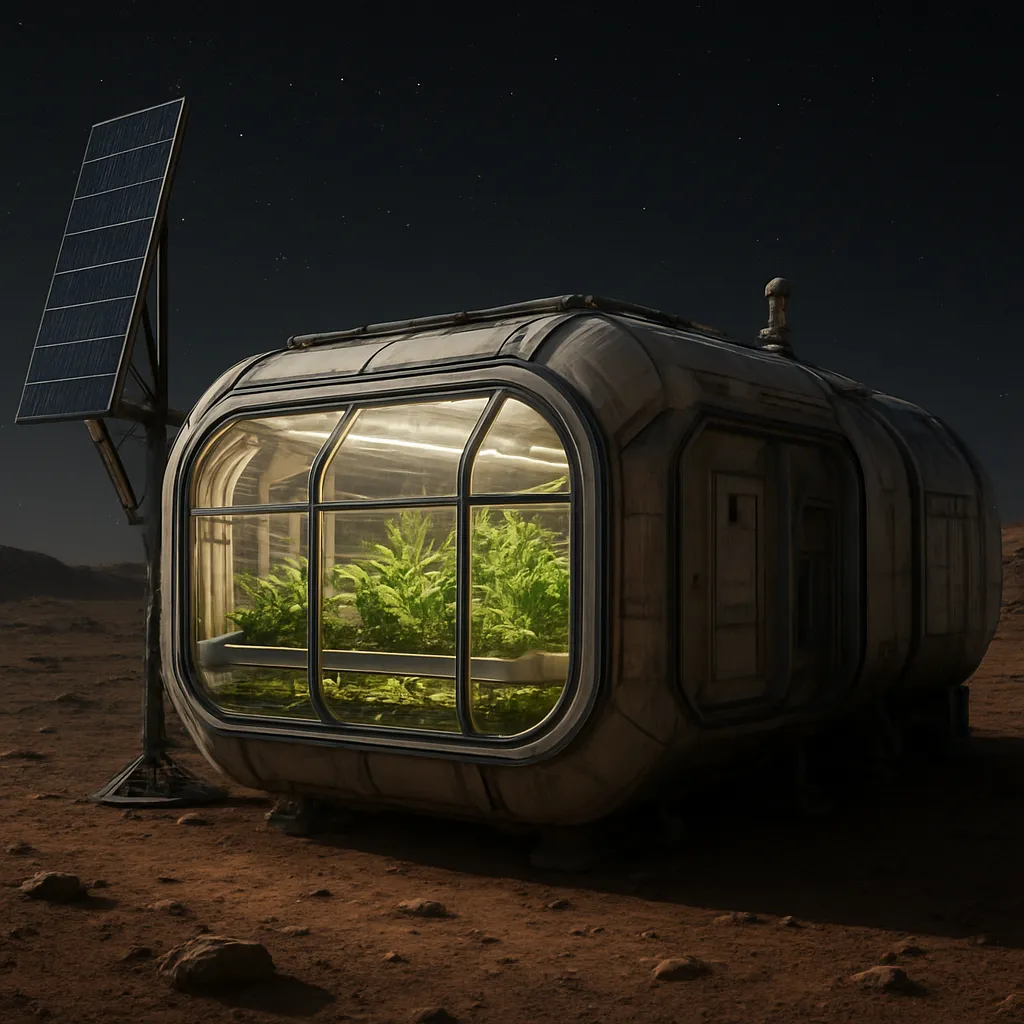
Human labor on the lunar surface is both expensive and risky. Automated farming systems equipped with robotic arms, drones, and AI-driven sensors monitor plant health, adjust irrigation, and harvest crops. Machine learning algorithms predict disease outbreaks and nutritional deficiencies before they compromise yields. By deploying autonomous greenhouses, missions can achieve resilience and reduce the need for constant human intervention.
Environmental and Biological Challenges in Space
Microgravity Effects on Plant Biology
Although the Moon’s gravity is 1/6th that of Earth, reduced gravitational pull affects root orientation, nutrient transport, and cell signaling. Experiments aboard the International Space Station have shown altered gene expression in microgravity conditions, leading to stunted growth if left unmitigated. Custom-designed growth chambers use centrifugal force or clinostats to simulate partial gravity, ensuring roots and shoots develop according to desired patterns.
Radiation and Shielding Strategies
Cosmic rays and solar particle events pose a serious threat to both plant tissues and the delicate electronics of growth modules. Shielding using regolith-based bricks or water walls around cultivation facilities can attenuate harmful radiation. Synthetic polymers embedded with hydrogen-rich compounds also offer lightweight protection. Researchers are investigating genetic engineering approaches to enhance plant tolerance to ionizing radiation by overexpressing DNA repair enzymes.
Integrating In-Situ Resource Utilization (ISRU)
- Extraction of oxygen and hydrogen from lunar ice via electrolysis to supply hydroponic systems with autonomy.
- Production of greenhouse structures using 3D printing with regolith-based modularity.
- Local manufacturing of nutrient cartridges through mineral extraction and bioreactor cultivation.
By harnessing ISRU, missions reduce reliance on Earth resupply, paving the way for truly sustainable off-world agriculture.
Future Directions and Expansion Strategies
As lunar colonies grow, the agricultural footprint will expand from experimental units to commercial-scale farms. Genetic selection for hardier plant varieties, capable of thriving under partial gravity and lower atmospheric pressure, will accelerate progress. Collaboration between space agencies, universities, and private enterprises will drive down costs and unlock new cultivation techniques, such as aeroponics and deep-soil bioreactors. Ultimately, establishing a flourishing agricultural network on the Moon will lay the foundation for Mars missions and beyond, transforming humanity into a multi-planetary civilization with robust life support systems.
Breakthroughs in lunar agriculture hold promise not only for explorers but also for Earth-based applications. Technologies perfected in the harsh lunar environment can enhance food security, water conservation, and resource efficiency at home, marking a new era in both space farming and global sustainability.