Long-duration missions beyond Earth’s orbit present unique challenges for sustaining human life. Among the most promising solutions is the use of microbial bioreactors to convert limited inputs into essential dietary components, offering a closed-loop approach to agro-space systems. By leveraging the rapid growth and adaptable nature of certain microorganisms, engineers and biologists aim to create self-sufficient resource-efficient platforms that can produce vitamins, proteins, and lipids in transit.
Fundamental Principles of Microbial Cultivation in Space
The core of any space-based cultivation system lies in understanding microbial physiology under microgravity or partial gravity conditions. Key factors include:
- Nutrient Cycling: Balancing carbon, nitrogen, and minerals to support continuous growth.
- Metabolic Control: Directing cellular pathways toward desired end products.
- Process Monitoring: Using biosensors to track parameters like pH, dissolved oxygen, and cell density.
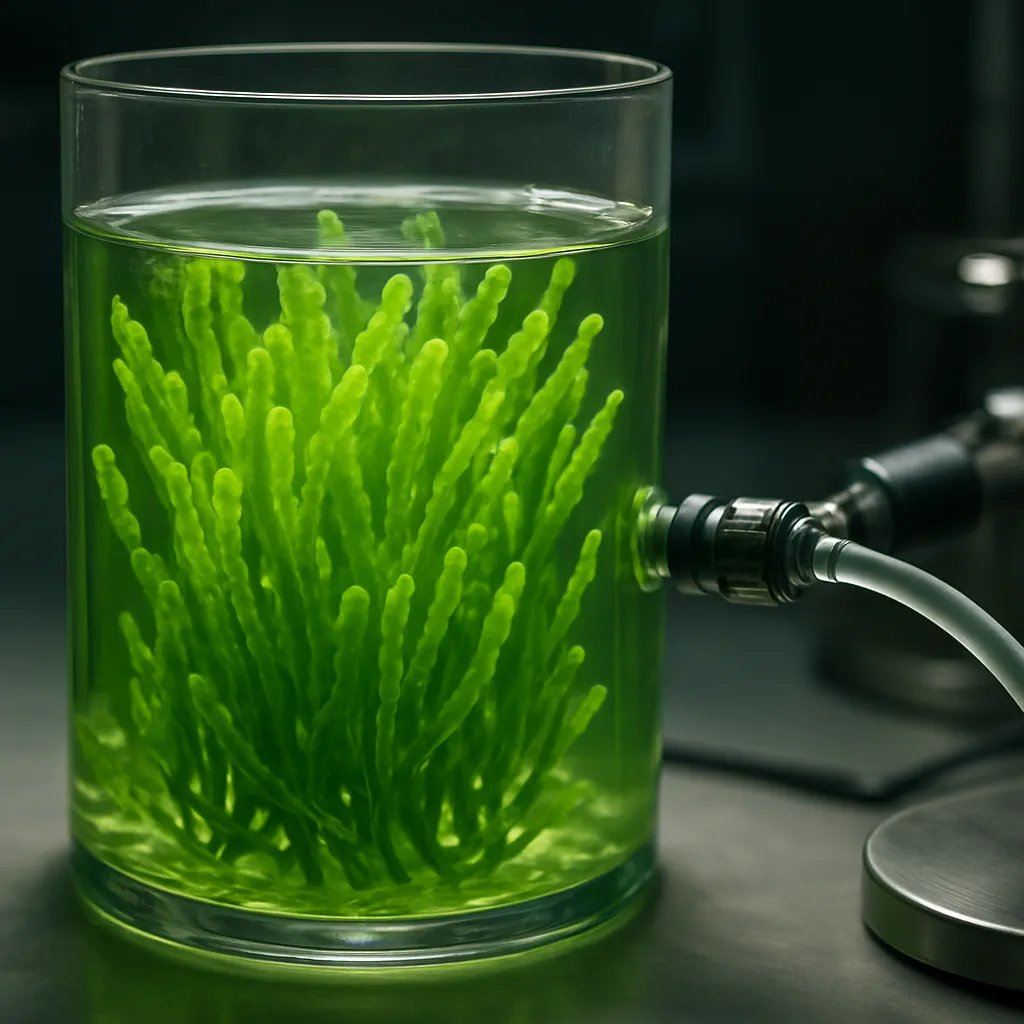
To achieve robust performance, researchers select strains of microbes with proven resilience. Examples include engineered yeast for high-yield protein synthesis and cyanobacteria for oxygen production and lipid accumulation. The interplay between fluid dynamics in microgravity and microbial metabolism demands tailored reactor geometries and mixing strategies. Innovation in sensor miniaturization allows such systems to operate autonomously, reducing crew time and maintenance needs.
Microenvironment Design
In terrestrial bioreactors, gravity aids phase separation and mass transfer. In space, these phenomena must be simulated through careful fluid handling:
- Perfusion loops and membrane modules to separate cells from spent medium.
- Magnetorheological fluids or rotating wall vessels to maintain suspension.
- 3D-printed scaffolds that guide biofilm formation for photosynthetic species.
The aim is to optimize the surface-to-volume ratio, ensuring uniform nutrient distribution and preventing localized depletion or inhibition.
Engineering and Operational Challenges
Building a reliable bioreactor for space involves overcoming several hurdles:
Sterility and Containment
Maintaining a closed environment is critical to prevent cross-contamination with the spacecraft’s atmosphere and other biological modules. Engineers implement:
- Multi-layer filters and check valves.
- UV sterilization of inlet and outlet streams.
- Automated sampling ports to minimize human intervention.
Energy and Thermal Management
Heat generated by metabolic activity and sensors must be removed without convection currents. Advanced heat pipes and phase-change materials maintain optimal temperatures, ensuring steady biomass productivity. Integration with the spacecraft’s thermal control loop allows energy-efficient operation.
Scale and Redundancy
Space missions require systems that can be scaled from pilot units to production volumes of several liters per day. Modular designs permit in-orbit expansion. Redundancy in pumps, sensors, and control electronics ensures continuous function if individual components fail.
Potential Applications in Deep Space Missions
Microbial bioreactors can serve multiple roles on long voyages:
- Food Production: Generating high-quality protein and essential amino acids from simple carbon sources like CO₂ or waste streams.
- Atmospheric Regeneration: Photosynthetic cultures produce O₂ while absorbing CO₂, supporting life-support systems.
- Pharmaceutical Biosynthesis: On-demand production of vitamins, essential fatty acids, and even antibiotics to manage health risks.
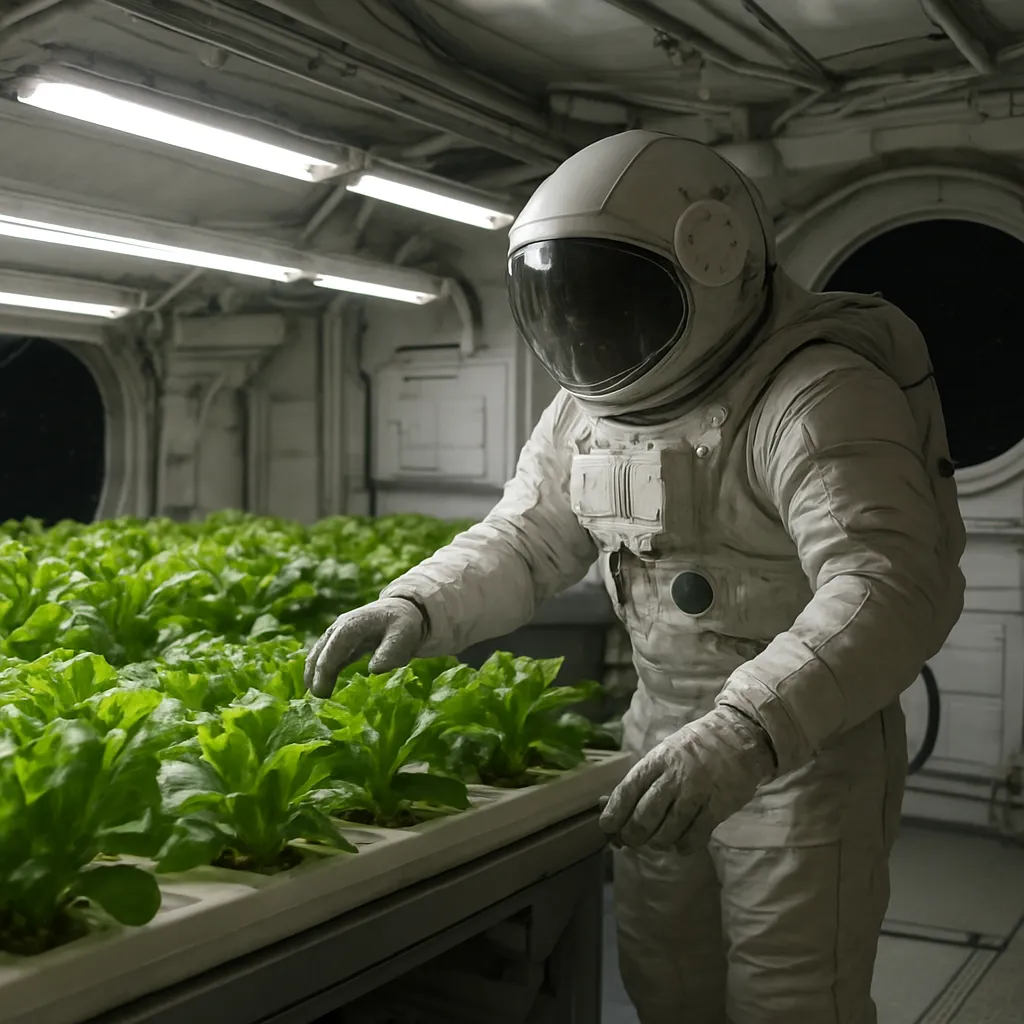
For instance, engineered cyanobacteria can harness solar simulators to synthesize both nutritional supplements and biofuels, contributing to overall mission sustainability. Simulation studies suggest a hybrid approach combining higher plants with microbial modules can reduce total system mass by up to 30% compared to plant-only solutions.
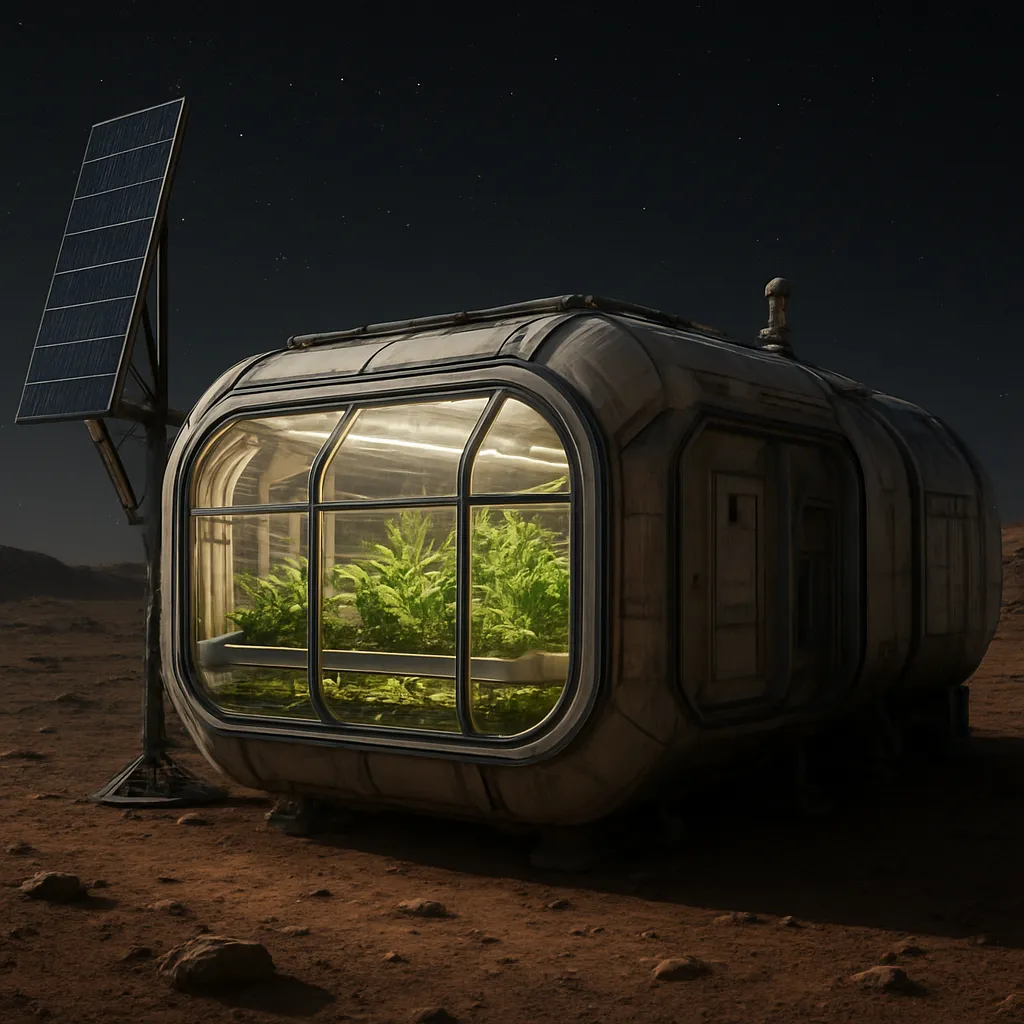
Case Study: Martian Surface Habitat
In a simulated Martian base, microbial fermenters processed atmospheric CO₂ and recycled crew urine to produce nearly 40% of required daily protein. This demonstration highlighted the potential to convert inedible waste into valuable nutrition sources, paving the way for fully regenerative ecosystems.
Future Directions and Technological Integration
Advances in genetic engineering, materials science, and automation will further enhance bioreactor capabilities:
- CRISPR-based strain optimization for tailored metabolite production.
- Self-healing reactor surfaces to resist biofouling.
- AI-driven control algorithms that predict culture health and adjust inputs in real time.
Emerging concepts involve integrating microbial systems with physical-chemical life support loops. Waste carbon is first upgraded biologically, then fed into catalytic converters to produce propellants or structural polymers. Such synergy maximizes use of in-situ resources on planetary surfaces, minimizing Earth resupply.
Path to Deployment
Key milestones toward operational flight hardware include:
- Demonstration of 30-day continuous culture in low Earth orbit.
- Validation of closed-loop recovery of all macronutrients.
- Flight certification of bioreactor modules under space agency standards.
Achieving these goals will require collaborative efforts across government agencies, academia, and private industry. The outcome promises a revolution in how humans venture into deep space, unlocking new frontiers of sustainability and resilience.