Advancements in long-duration space missions have intensified interest in developing sustainable space agriculture systems. A pivotal component of these systems is the integration of microbial communities that facilitate nutrient transformations, enhance plant growth, and support closed-loop life support. This article delves into critical aspects of microbial life for space farming, examining their roles in closed-loop nutrient cycling, symbiotic partnerships under microgravity, engineered consortia for habitat modules, and the challenges of contamination and radiation resilience.
Exploring the Role of Microbes in Closed-Loop Farming Systems
Fundamentals of Nutrient Cycling
In confined spacecraft or extraterrestrial habitats, traditional agricultural inputs cannot be resupplied easily. Microorganisms accelerate the conversion of organic waste into plant-available nutrients through nutrient cycling processes. For example, bacterial decomposers break down carbon-rich residues into simpler compounds, while nitrifying bacteria convert ammonia to nitrate, a preferred form for many crops. By establishing microbial bioreactors, mission planners can reclaim up to 90% of essential elements such as nitrogen, phosphorus, and carbon, reducing the mass and volume of external supplies.
Waste Decomposition and Resource Recovery
Solid and liquid wastes generated by crew and plants present both challenges and opportunities. Specialized microbial consortia can transform human wastewater into liquid fertilizer, recovering urea and ammonium. Simultaneously, lignocellulosic plant residues are processed by cellulolytic and ligninolytic microbes into humic-like substances, improving soil structure and water retention when reused as growth media. This closed-loop approach minimizes environmental impact and enhances long-term mission sustainability.
Bioreactor Designs for Microbial Cultivation
Designing robust bioreactors for bioreactors for space use requires controlling temperature, pH, and redox conditions under microgravity. Fluid behavior changes in microgravity, necessitating innovative mixing and aeration strategies such as hollow-fiber membrane systems or rotating wall vessels. These designs ensure uniform microbial activity and prevent biofilm hotspots that could clog lines. Integrating real-time sensors for biomass concentration and metabolic markers allows automated regulation, improving stability and nutrient output.
Microbial Symbiosis with Plants in Microgravity
Plant Growth-Promoting Bacteria (PGPB)
Plant growth under microgravity conditions often suffers from altered root architecture and stress responses. Inoculating substrates with plant growth-promoting rhizobacteria (PGPB) enhances nutrient uptake and hormone modulation. Strains of Bacillus and Pseudomonas produce phytohormones like indole-3-acetic acid, stimulating root elongation and branching. These bacteria also solubilize phosphorus and secrete siderophores that chelate iron, increasing nutrient bioavailability in hydroponic or substrate-based systems.
Mycorrhizal Associations in Controlled Environments
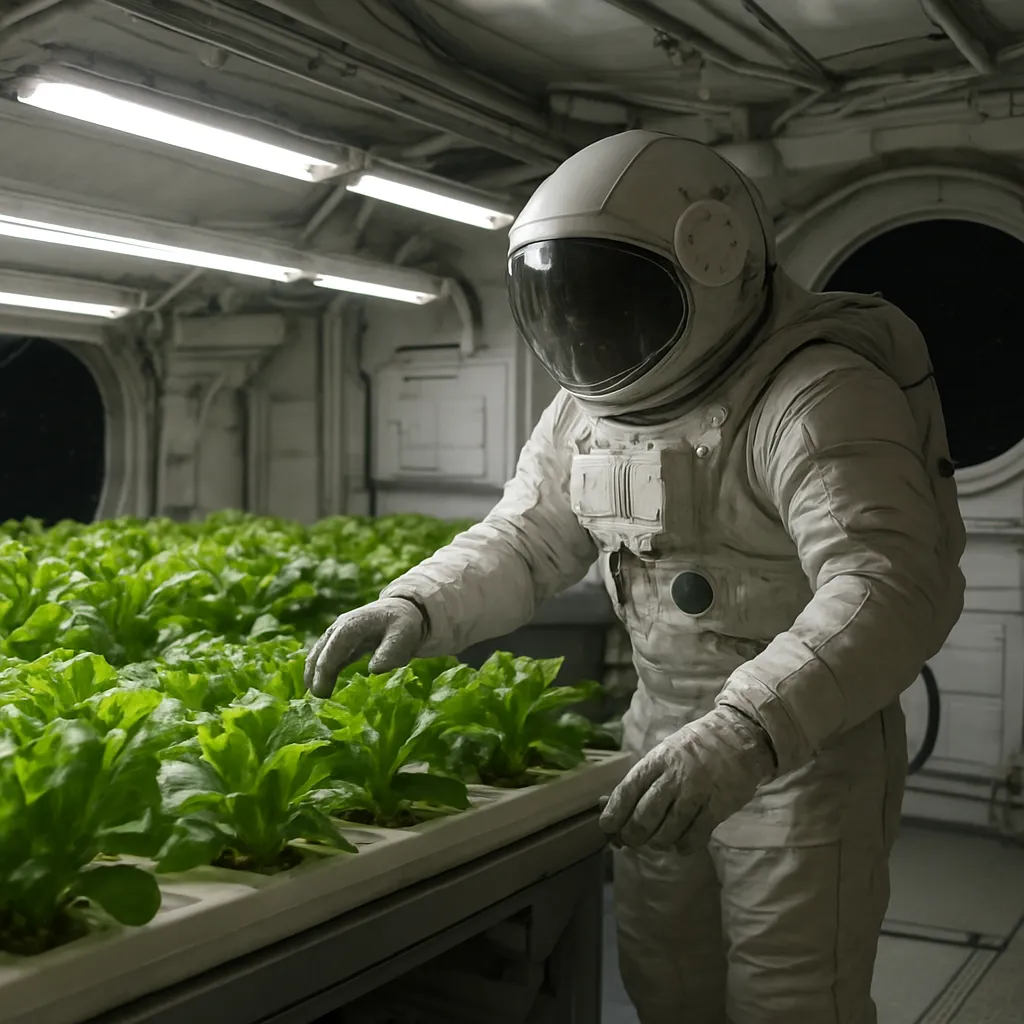
Arbuscular mycorrhizal fungi form intimate associations with plant roots, expanding the effective root surface area for water and nutrient absorption. In microgravity, fungi adapt by modifying hyphal growth patterns, facilitating phosphorus transfer even when gravitational cues are absent. Experiments on the International Space Station have demonstrated successful colonization of lettuce roots by Rhizophagus irregularis, leading to improved biomass and stress resistance to low-level cosmic radiation.
Stress Resilience and Pathogen Suppression
Microbial partners also bolster plant defense mechanisms. Endophytic bacteria produce antimicrobial peptides that suppress opportunistic pathogens in closed environments. By maintaining a balanced microbial community, crops exhibit increased resilience against diseases and abiotic stresses such as desiccation or salinity. Implementing microbial inoculants early in seed germination fosters a protective rhizosphere, crucial for multi-generation cultivation on lunar or Martian outposts.
Engineering Microbial Consortia for Space Missions
Synthetic Biology Approaches
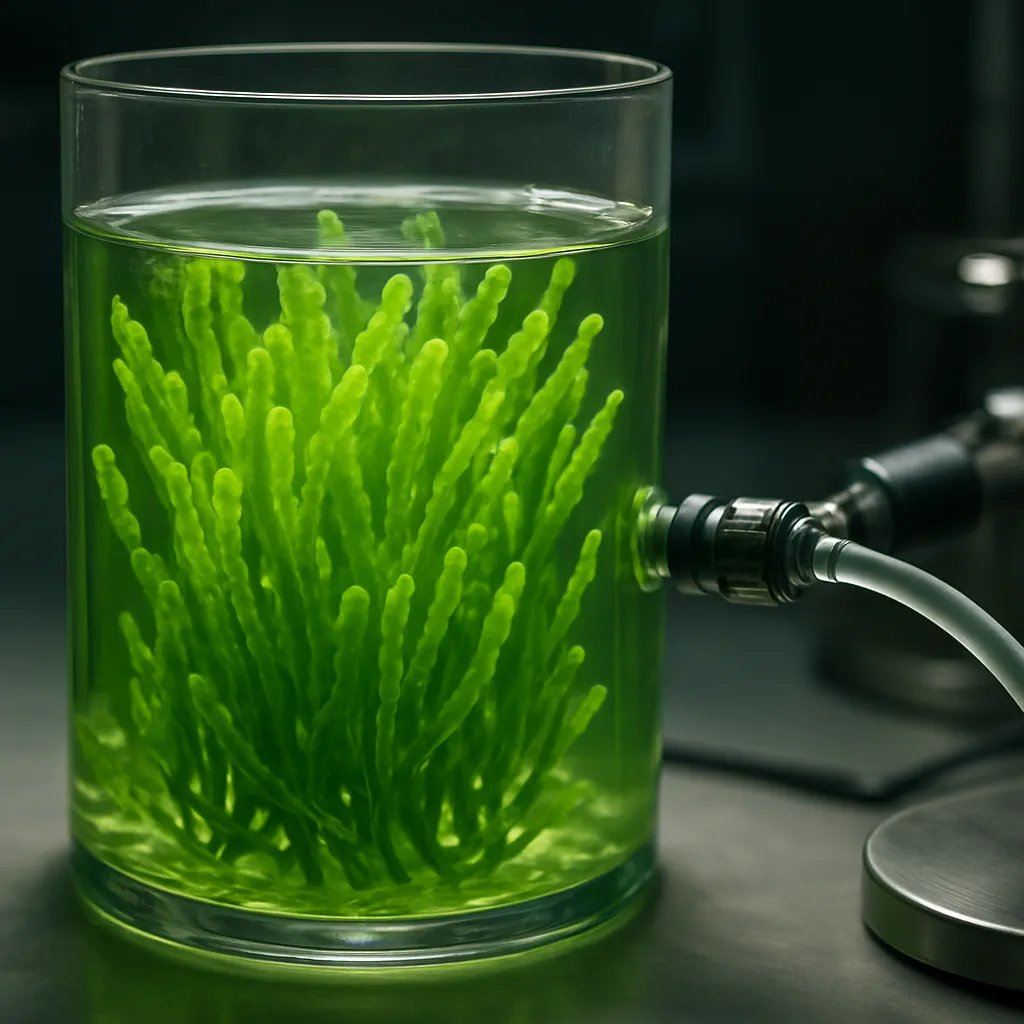
Synthetic biology enables the design of tailor-made microbial strains with enhanced metabolic capabilities. Researchers introduce gene circuits for accelerated carbon fixation, nitrogen fixation, or vitamin synthesis, reducing dependence on external supplies. For instance, engineered cyanobacteria can capture CO₂ from cabin air and produce oxygen and edible biomass, complementing plant photosynthesis. Biosafety measures such as kill-switches ensure containment and prevent unintended ecological interactions.
Microbial Consortia Integration
Single-species cultures often fail to replicate the functional diversity of soil microbiomes. Constructing multi-strain consortia that mirror natural communities improves system robustness. By combining decomposers, PGPB, and nitrogen fixers, engineers create self-regulating networks that adjust to fluctuations in waste inputs and growth demands. Computational modeling of interspecies metabolite exchange guides the selection of complementary strains, optimizing overall productivity.
Modular Bioprocessing Units
Modularity in bioprocessing allows scalability and redundancy. Small-scale modules dedicated to nutrient extraction, biofuel production, or pharmaceuticals can be swapped or upgraded without overhauling the entire life-support system. These units incorporate microfluidic channels, enabling continuous culture and real-time sampling. A network of interlinked modules ensures that a failure in one segment does not compromise the entire agricultural loop.
Challenges and Future Directions in Space Microbial Research
Contamination Control and Microbial Monitoring
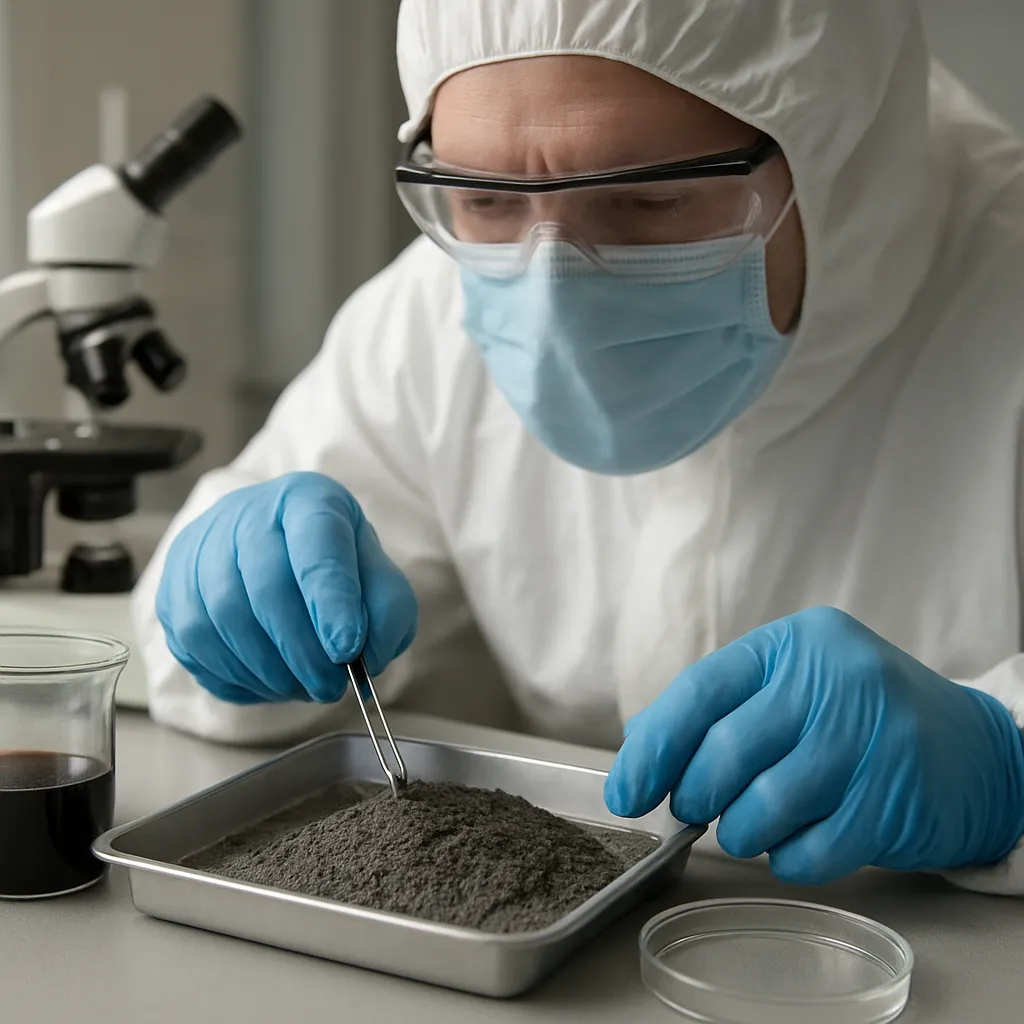
Maintaining a healthy microbial balance is paramount. Unintended contaminants introduced by crew or cargo can outcompete beneficial strains or produce toxins. Rigorous sterilization protocols for incoming materials and continuous metagenomic sequencing help detect shifts in community composition. Implementing onboard bioinformatics pipelines enables rapid diagnosis and corrective measures, such as targeted biocide application or probiotic reinoculation.
Radiation Effects on Microbial Physiology
Cosmic radiation and solar particle events pose threats to both plants and microbes. Radiation can induce DNA damage, impairing microbial metabolism and symbiotic functions. Research into radiation-resistant strains, such as Deinococcus radiodurans, offers insights into protective mechanisms like efficient DNA repair pathways. Incorporating such resilience traits through genetic engineering may enhance the stability of critical microbial processes during deep-space voyages.
Scaling from Laboratory to Extraterrestrial Fields
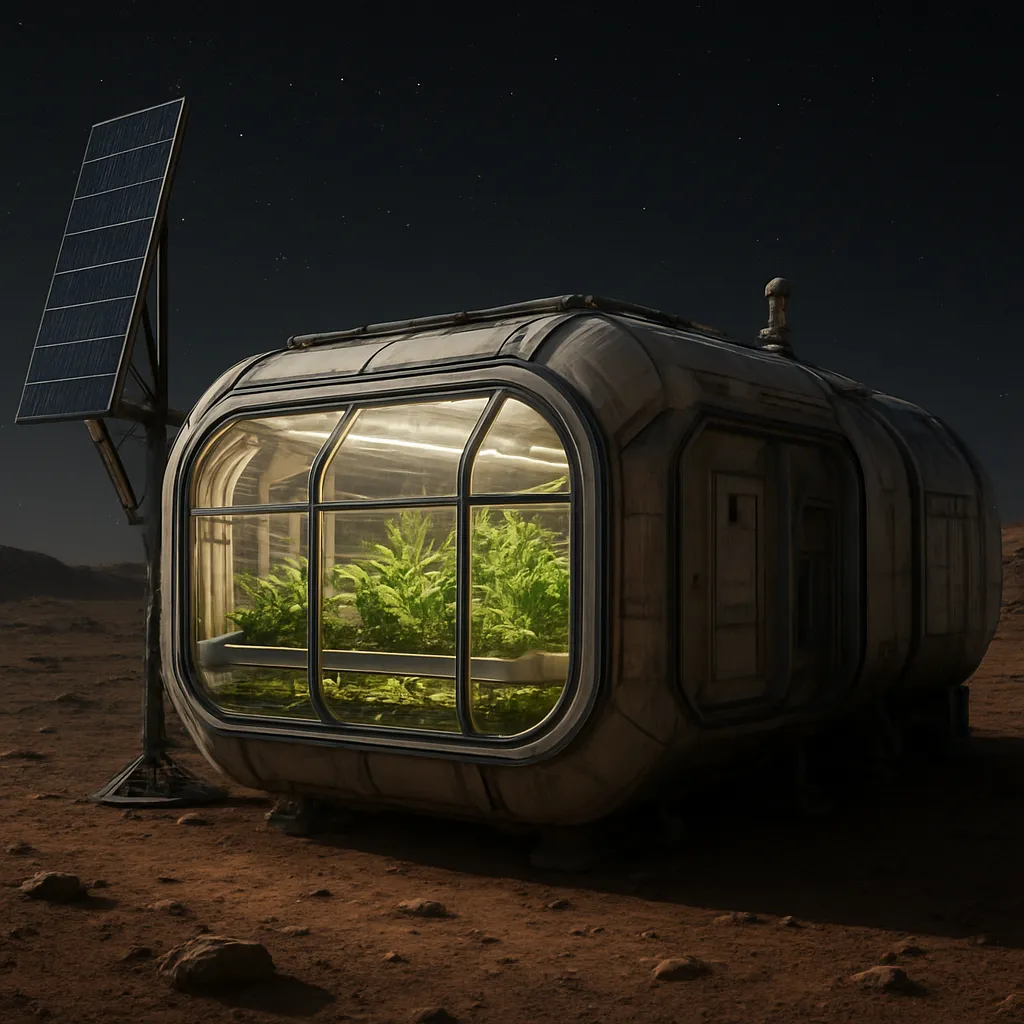
Translating bench-top successes to operational space habitats requires addressing resource limitations, automation, and human factors. Automated sampling, data analysis, and robotic maintenance reduce crew workload. Human-microbe interactions, including psychological benefits of visible plant growth and microbial fermentation for food production, warrant interdisciplinary studies. International collaboration will be essential to standardize protocols and share best practices, paving the way for sustainable agriculture on the Moon, Mars, and beyond.