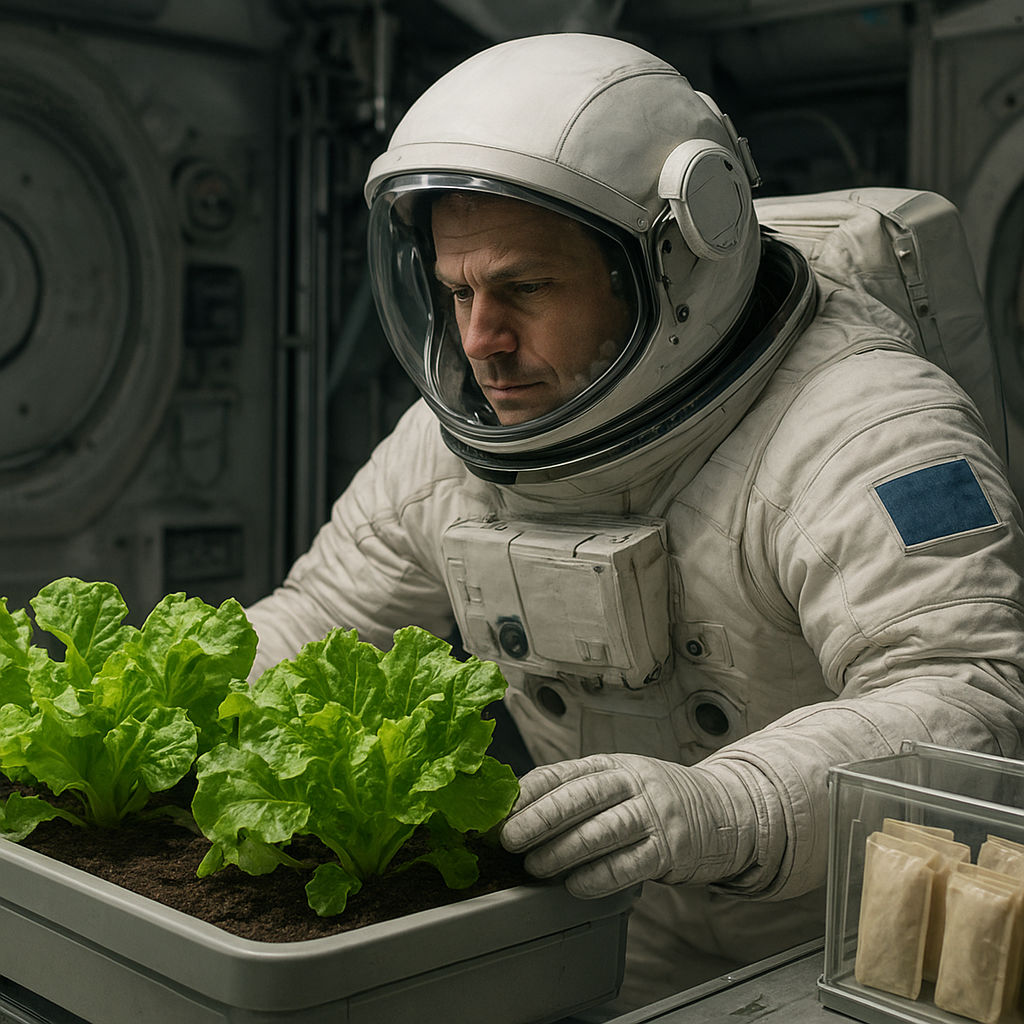
Growing fresh produce beyond Earth’s atmosphere poses a formidable set of nutritional, physiological, and technical hurdles. As space agencies and private companies push toward long-duration missions to Mars and beyond, reliable sources of vitamins, minerals, and antioxidants become critical for astronaut health and mission success. This article examines the key challenges involved in developing robust agricultural systems in orbit and on extraterrestrial surfaces, focusing on plant physiology under altered gravity, nutrient assimilation, and innovations in controlled environment agriculture.
Microgravity and Crop Physiology
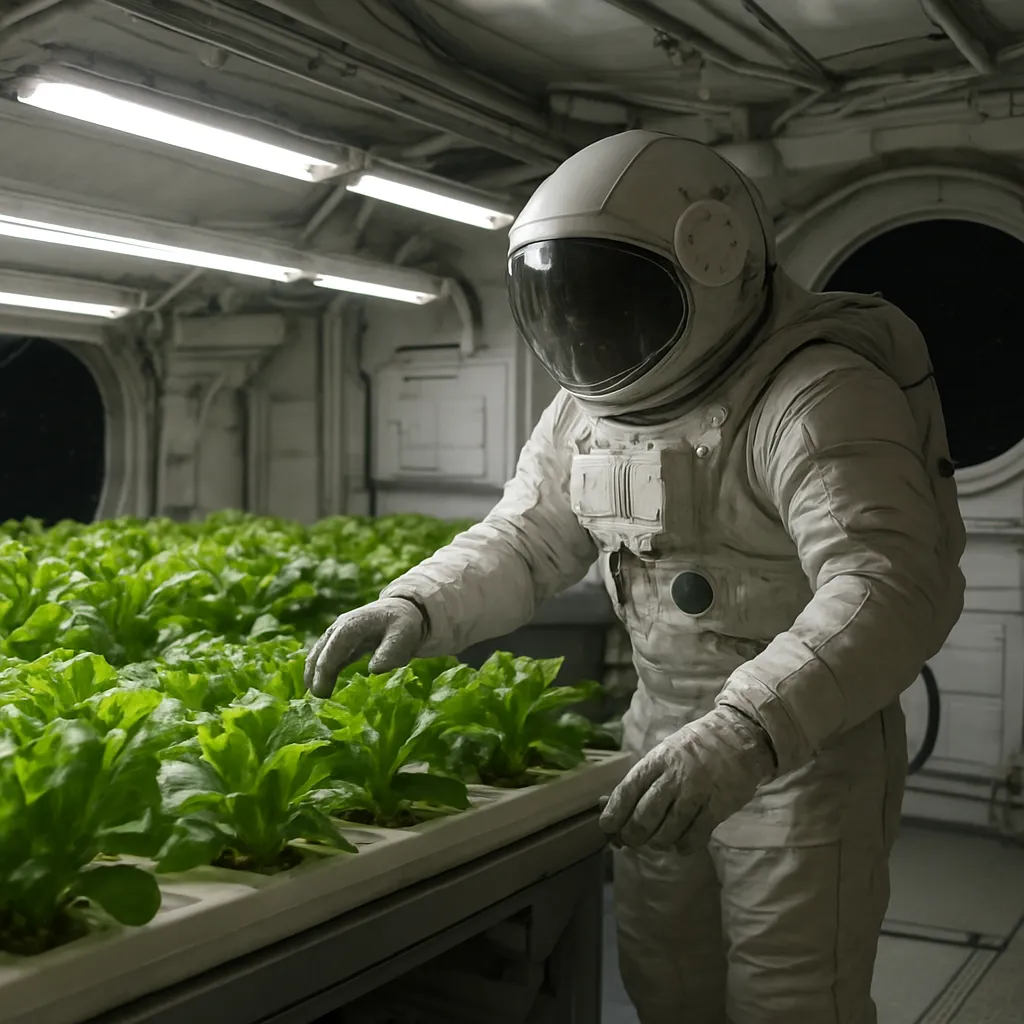
Plants evolved under 1g conditions, relying on gravity as a directional cue for root growth and water distribution. In microgravity, roots grow in unpredictable patterns, while water droplets form irregular clusters, hindering reliable irrigation. This altered fluid dynamics affects oxygen availability at the root zone, leading to hypoxic stress and reduced biomass. Experimental facilities such as the Advanced Plant Habitat on the International Space Station have demonstrated that crops like lettuce and Arabidopsis experience changes in gene expression associated with stress response and cell wall metabolism. These alterations can impact not only yield but also the concentration of essential phytochemicals. Understanding gravitropism’s role in auxin transport and root development is crucial for designing growth systems that mitigate these physiological disruptions.
Nutrient Bioavailability in Space
Ensuring adequate bioavailability of micronutrients presents another challenge. Space-grown crops often exhibit fluctuating levels of vitamins and minerals, partly due to differences in light spectra, substrate composition, and CO₂ enrichment. For example, levels of vitamin C and carotenoids in kale and tomatoes have shown inconsistent responses when cultivated under LED lighting systems optimized for energy efficiency. Moreover, cosmic radiation can degrade certain compounds or induce oxidative damage, reducing the antioxidant capacity of edible tissues. Researchers are investigating hybrid approaches that combine hydroponic nutrient delivery with periodic supplementation of chelated iron, magnesium, and calcium to stabilize mineral uptake. Additionally, genetic engineering strategies aim to enhance nutrient metabolism and stress resilience, ensuring astronauts receive a balanced diet during extended missions.
Controlled Environment Technologies for Space Agriculture
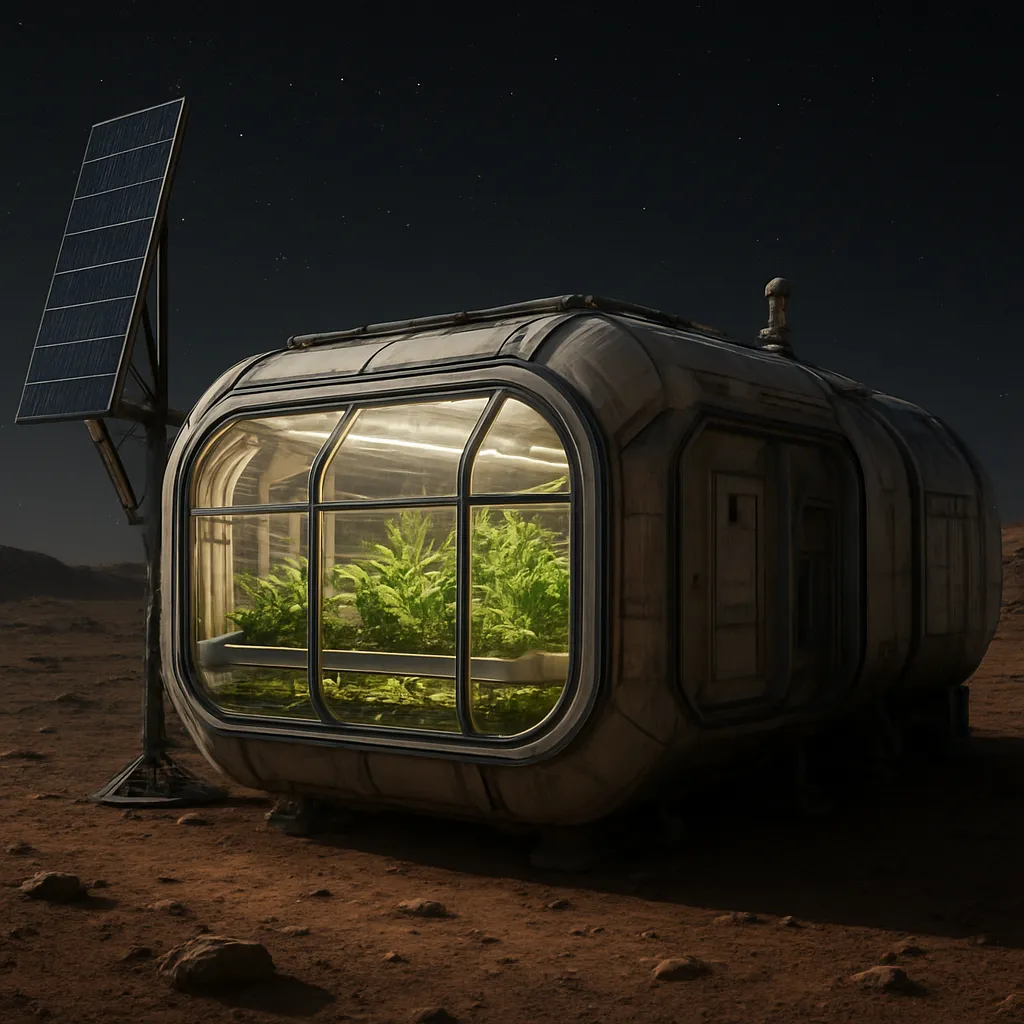
Innovative growth chambers must balance resource constraints and plant requirements. Closed-loop systems recycle water and nutrients while minimizing waste. Hydroponics and aeroponics are favored for their efficient water usage, but they demand precise monitoring of pH, electrical conductivity, and microbial loads. LED arrays tuned to specific red and blue wavelengths support photosynthesis and secondary metabolite production, while adjustable photoperiod schedules optimize flowering and fruiting. Integrating sensors and artificial intelligence enables dynamic control of environmental parameters—temperature, humidity, CO₂ concentration—to maintain optimal growth conditions. Collaborations between NASA and the European Space Agency (ESA) have led to prototypes like the Veggie Plant Growth System and the Advanced Plant Experiments hardware, which demonstrate proof-of-concept but require further refinement for scalability and reliability.
Substrate Innovations and Waste Recycling
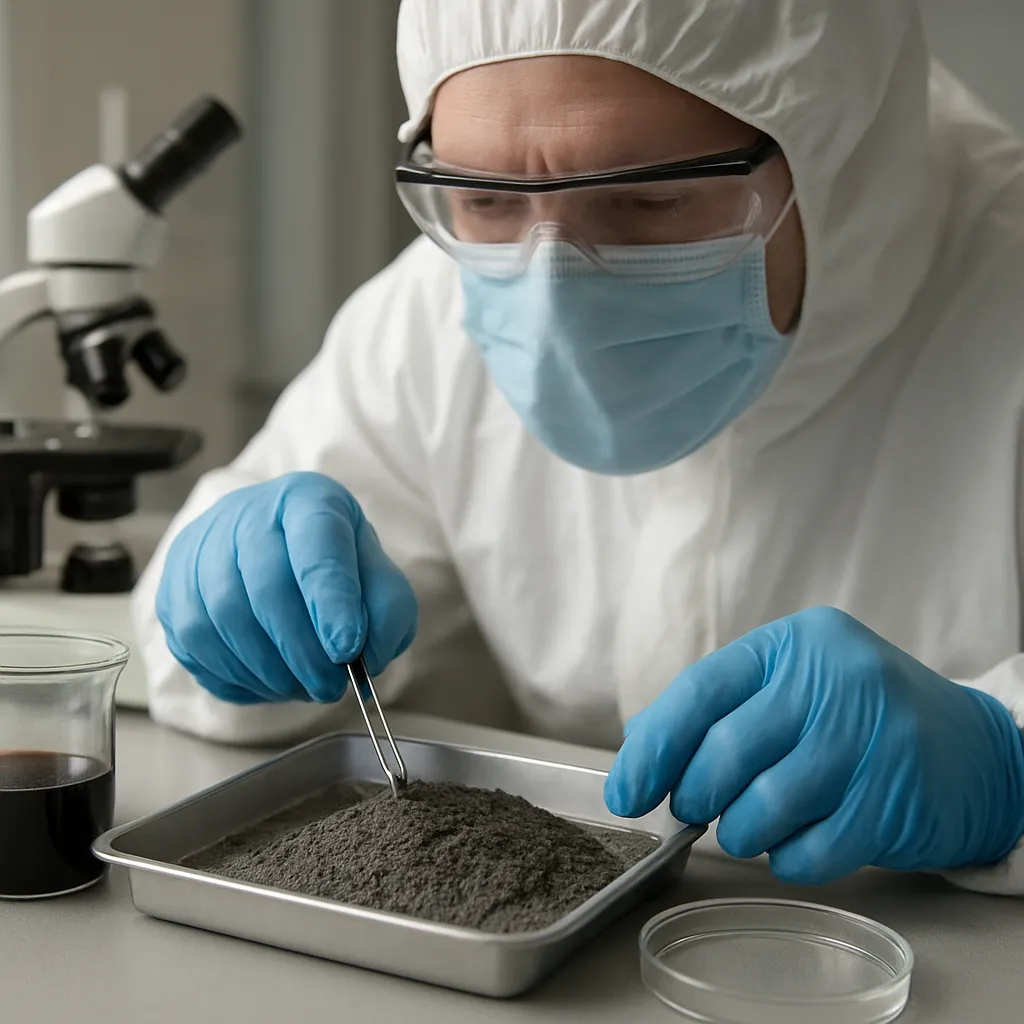
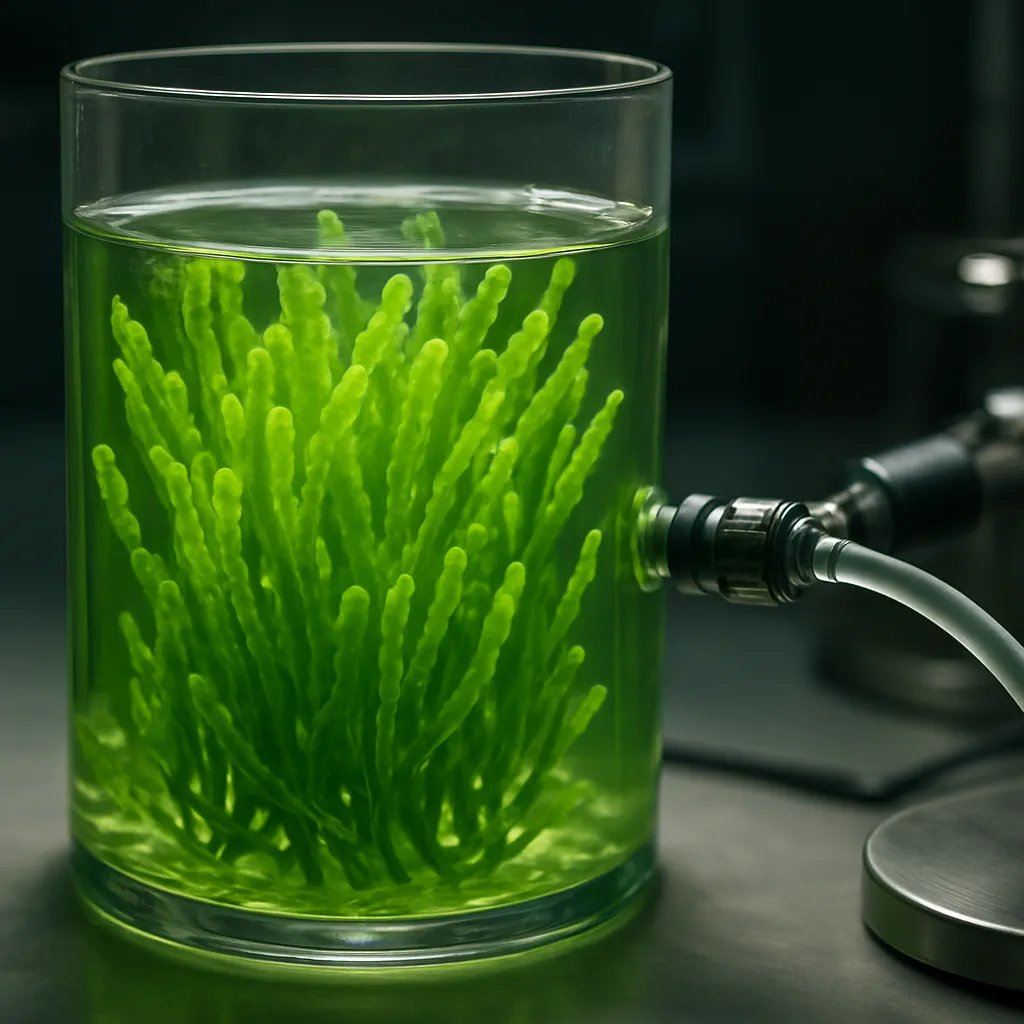
Traditional soil-based agriculture is impractical in space due to mass and contamination concerns. Substrates such as rock wool, perlite, and recycled plant biomass are under evaluation. Researchers are exploring in-situ resource utilization, using lunar regolith simulants enriched with organic amendments to create hybrid growth media. Concurrently, microbial consortia are being engineered to decompose plant residues and human waste into fermentable substrates and nutrient solutions. This approach supports a circular economy model aboard spacecraft and habitats, enhancing sustainability while reducing payload mass. Bioreactors containing nitrifying bacteria and microalgae may further process waste gases—ammonia and CO₂—into nitrogen sources and oxygen, respectively, closing critical life support loops.
Future Directions and Research Priorities
As missions extend beyond low Earth orbit, nutritional strategies must evolve. Key research priorities include optimizing light spectra for maximal phytonutrient production, enhancing root–microbe symbioses to improve nutrient uptake, and developing resilient cultivars with increased yield under stress. Advances in synthetic biology could yield plants that biosynthesize essential amino acids and fatty acids currently missing from standard space diets. Scalable biomanufacturing platforms may one day enable on-demand production of vitamins, pharmaceuticals, and insect protein to supplement plant-based foods. International cooperation and cross-disciplinary efforts will be vital in overcoming the multifaceted challenges of space agriculture, ensuring that astronauts not only survive but thrive on the next generation of interplanetary missions.