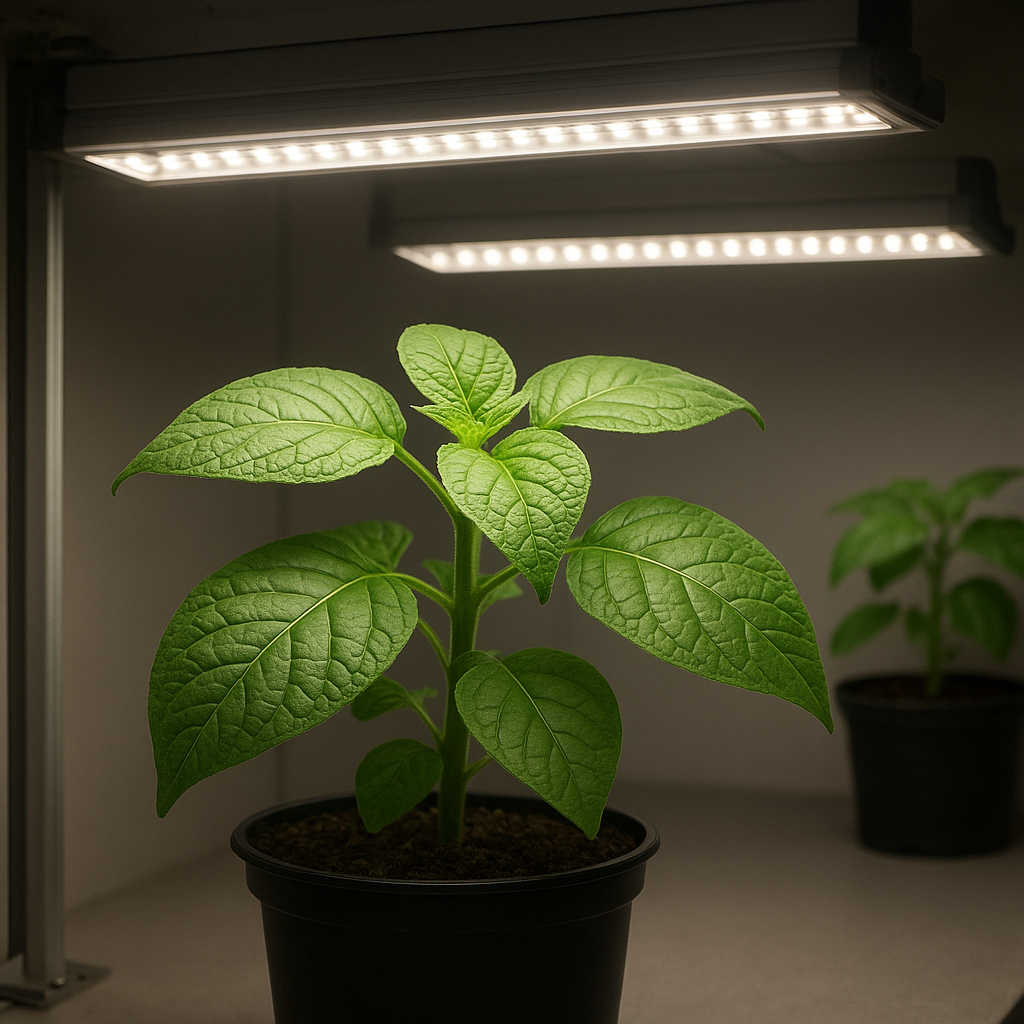
Artificial light has revolutionized the study and application of plant growth beyond natural environments. Researchers now harness the control offered by indoor cultivation systems to enhance the photosynthesis process, achieving unprecedented efficiency. By tailoring light spectra, intensity, and duration, scientists can push the boundaries of agricultural productivity, whether in urban vertical farms or in extraterrestrial habitats.
The Importance of Controlled Environment Agriculture
Controlled Environment Agriculture (CEA) refers to systems where factors such as light, temperature, humidity, and nutrients are precisely managed. These systems include vertical farms, greenhouses, and closed-loop spacecraft modules. CEA offers multiple advantages:
- Year-round production independent of seasonal changes
- Drastic reduction of water usage via recirculating hydroponics solutions
- Minimization of pests and pathogens without chemical pesticides
- Higher yield per unit area by stacking cultivation tiers vertically
By integrating sensors and automation, CEA can adapt light schedules and nutrient profiles in real time. This dynamic approach maximizes resource utilization while ensuring crop health. In addition, closed-loop water and nutrient recycling supports long-term sustainability, crucial for both urban agriculture and off-world missions.
Mechanisms of Artificial Light and Photosynthesis
Plant cells capture photons through pigment complexes centered around chlorophyll molecules located in chloroplasts. The efficiency of this conversion depends on several factors:
- PAR (Photosynthetically Active Radiation) range: 400–700 nm wavelengths drive the light reactions.
- Photon flux density (PFD): the number of photons hitting a surface per second.
- Quantum efficiency: fraction of absorbed photons used for photochemistry.
- Photoperiod: duration of light exposure influences flowering and biomass accumulation.
Traditional lighting sources like high-pressure sodium (HPS) lamps emit broad-spectrum light but suffer from high heat output and energy loss. In contrast, LED technology provides narrowband spectra, minimal heat, and long operational lifetimes. By selecting red and blue diodes in precise ratios, growers optimize the absorption peaks of chlorophyll a and b, enhancing conversion rates.
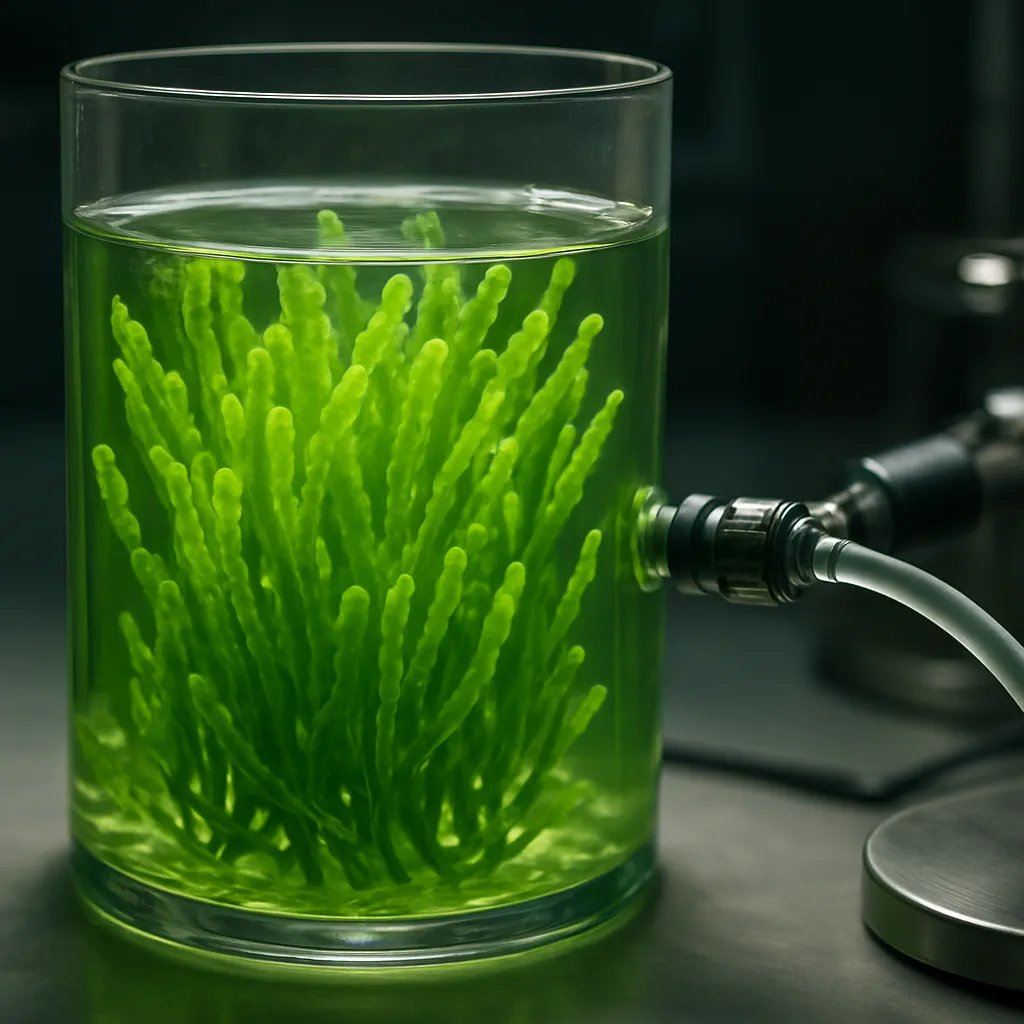
Advanced reactors, known as photobioreactor systems, enclose plants or algae in transparent chambers where nutrient media and light can be fine-tuned. Flow dynamics, gas exchange, and mixing ensure homogenous exposure, significantly improving growth rates compared to open ponds or fields. These systems are especially promising for microalgae cultivation, serving as biofactories for proteins, lipids, and high-value compounds.
Optimizing Light Spectra for Crop Performance
Not all wavelengths contribute equally to photosynthesis. Blue light (450–495 nm) regulates stomatal opening and morphology, while red light (620–700 nm) drives photochemical reactions and biomass accumulation. However, recent studies highlight roles for green (495–570 nm) and far-red (700–750 nm) wavelengths in canopy penetration and shade-avoidance responses.
Dynamic Lighting Strategies
Static lighting recipes, though effective, may not exploit the full potential of plant acclimation. Dynamic approaches include:
- Pulse photoperiods: intermittent high-intensity bursts boost carbohydrate synthesis with lower overall energy consumption.
- Daylight simulation: gradual ramp-up and ramp-down phases mimic sunrise and sunset, reducing plant stress.
- Spectrum shifting: increasing red fraction during vegetative growth and adjusting blue or far-red components at flowering.
These strategies can elevate the quantum efficiency of photosystem II and improve carbon assimilation rates. Real-time spectral control systems integrate feedback from leaf-level sensors, enabling automated tuning of light recipes based on plant developmental stage.
Applying Artificial Light in Space Agriculture
Long-duration missions to the Moon or Mars will depend on in situ food production to sustain crew health and reduce resupply costs. Space-based CEA must address unique challenges:
- Reduced gravity alters nutrient distribution and root growth patterns.
- Limited power budgets require ultra-efficient lighting and recycling systems.
- Radiation shielding around cultivation modules must be incorporated into habitat design.
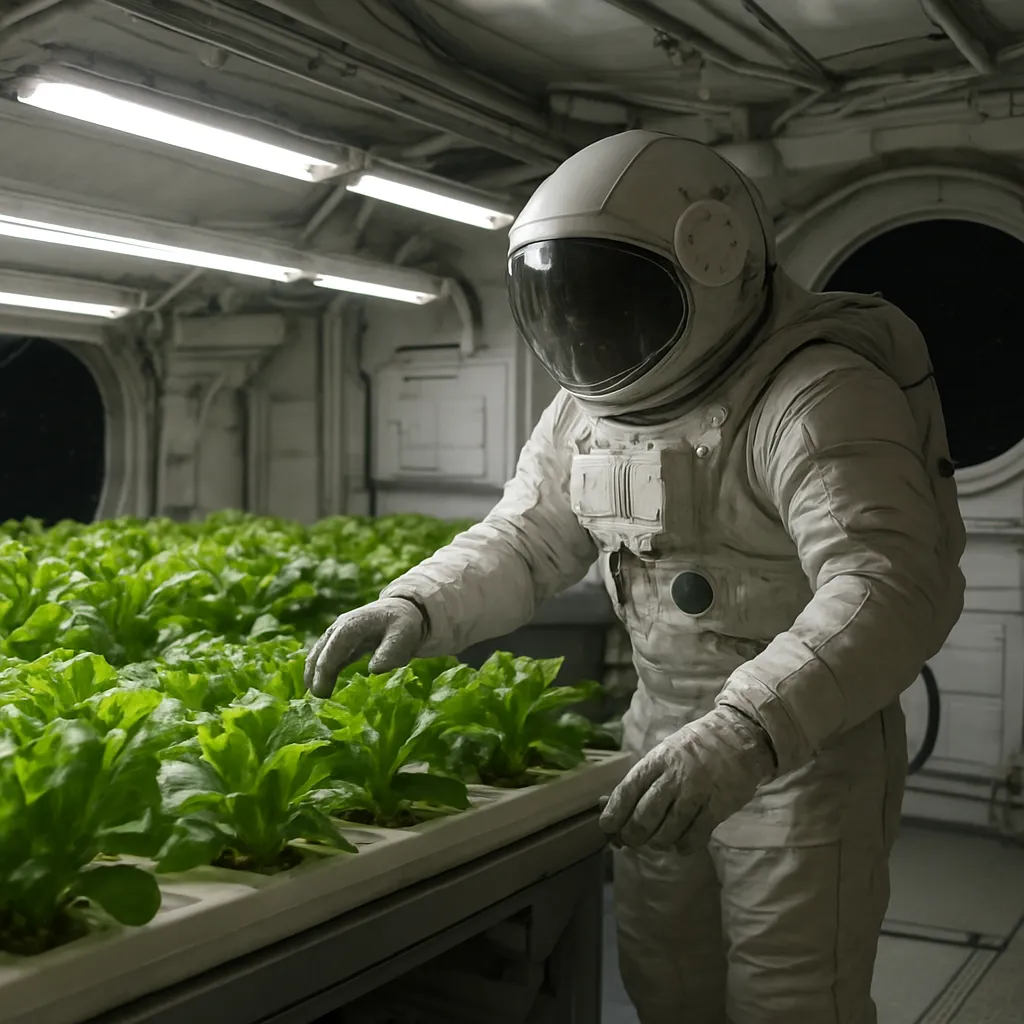
Experiments aboard the International Space Station (ISS) utilize LED panels to grow lettuce, wheat, and Arabidopsis. Data indicate that microgravity-grown plants can achieve comparable or even superior yield when offered tailored light environments. However, adaptations in water delivery—such as capillary wicks—and root zone sensors are critical to prevent desiccation or waterlogging.
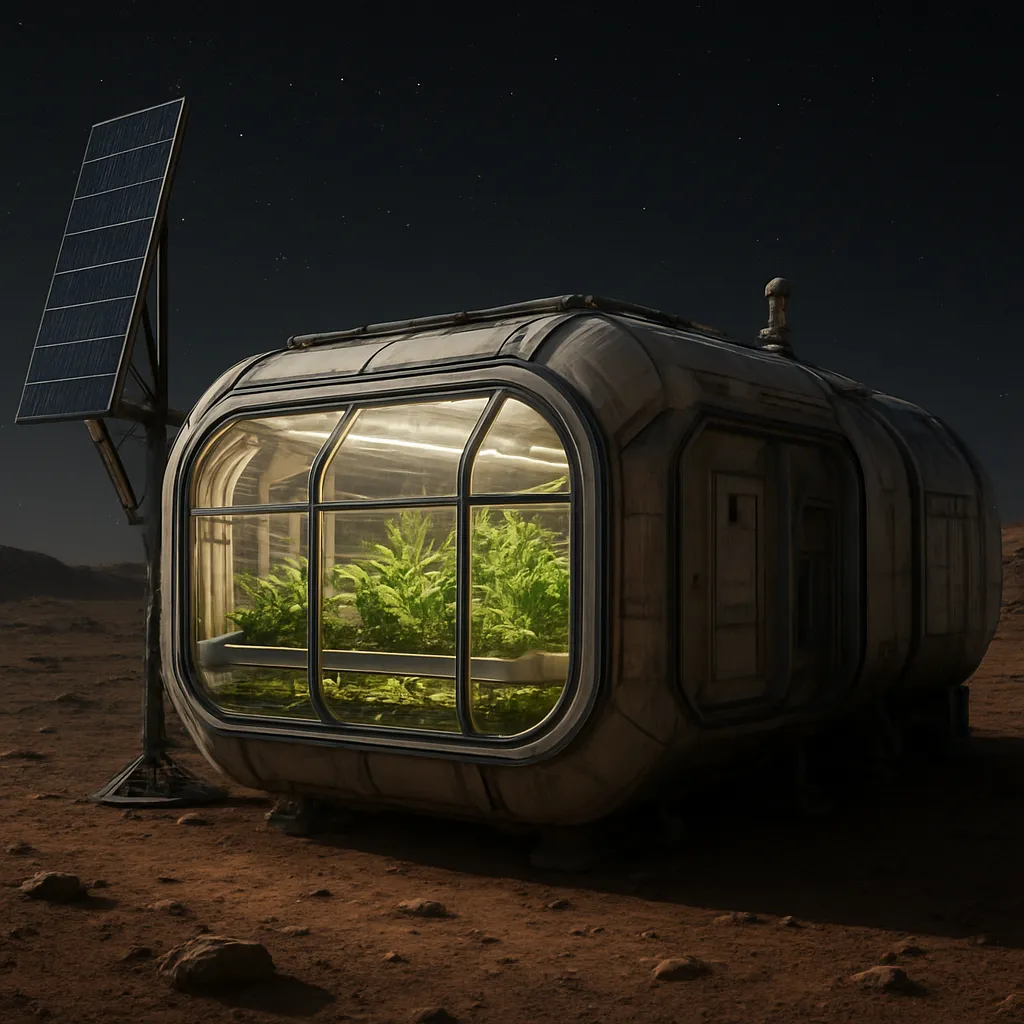
Future lunar greenhouses may leverage regolith-based shielding combined with inflatable plant chambers. Solar concentrators feeding fiber-optic cables could supplement electric lights, balancing energy input. Such hybrid systems would reduce reliance on photovoltaic panels and batteries, enhancing overall mission sustainability.
Challenges and Research Frontiers
Despite advancements, several hurdles remain:
- Understanding the interplay between light spectra, temperature, and CO₂ levels in closed systems.
- Scaling photobioreactor modules without compromising uniform illumination.
- Developing low-cost, high-durability LEDs tailored to extreme environments.
- Mapping genetic responses of crops to long-term exposure under artificial conditions.
Genetic engineering may yield varieties with modified pigment profiles or enhanced photoprotective mechanisms. These traits could increase tolerance to fluctuating light regimes and reduce photoinhibition under high-intensity sources. Integration of machine learning models with environmental sensors will further refine light management, predicting optimal spectral mixes to maximize resource efficiency.
Emerging Technologies in Artificial Lighting
Recent innovations promise to reshape agriculture:
- Organic LEDs (OLEDs): flexible, thin-film emitters that may wrap around plant canopies for omnidirectional illumination.
- Laser-driven lighting: coherent light with adjustable beam patterns, potentially reducing optical losses.
- Quantum dot converters: down-convert sunlight to targeted wavelengths, complementing electric lamps.
As these technologies mature, they will lower operational costs and open new design possibilities. The convergence of material science, photonics, and plant biology heralds an era where artificial light becomes a precision tool rather than a mere substitute for sunlight.
Broader Impacts on Food Security
Optimizing photosynthesis under artificial light extends beyond space exploration. Urban centers facing land scarcity can adopt vertical farms to shorten supply chains and reduce food miles. Controlled lighting ensures predictable harvests, strengthening resilience against climate variability. By achieving higher photosynthetic efficiency, producers can feed growing populations with fewer inputs, aligning agricultural expansion with environmental stewardship.
Key Terms
- Photosynthesis
- LED
- Photobioreactor
- Chlorophyll
- PAR
- Quantum efficiency
- Yield
- Microgravity
- Hydroponics
- Sustainability