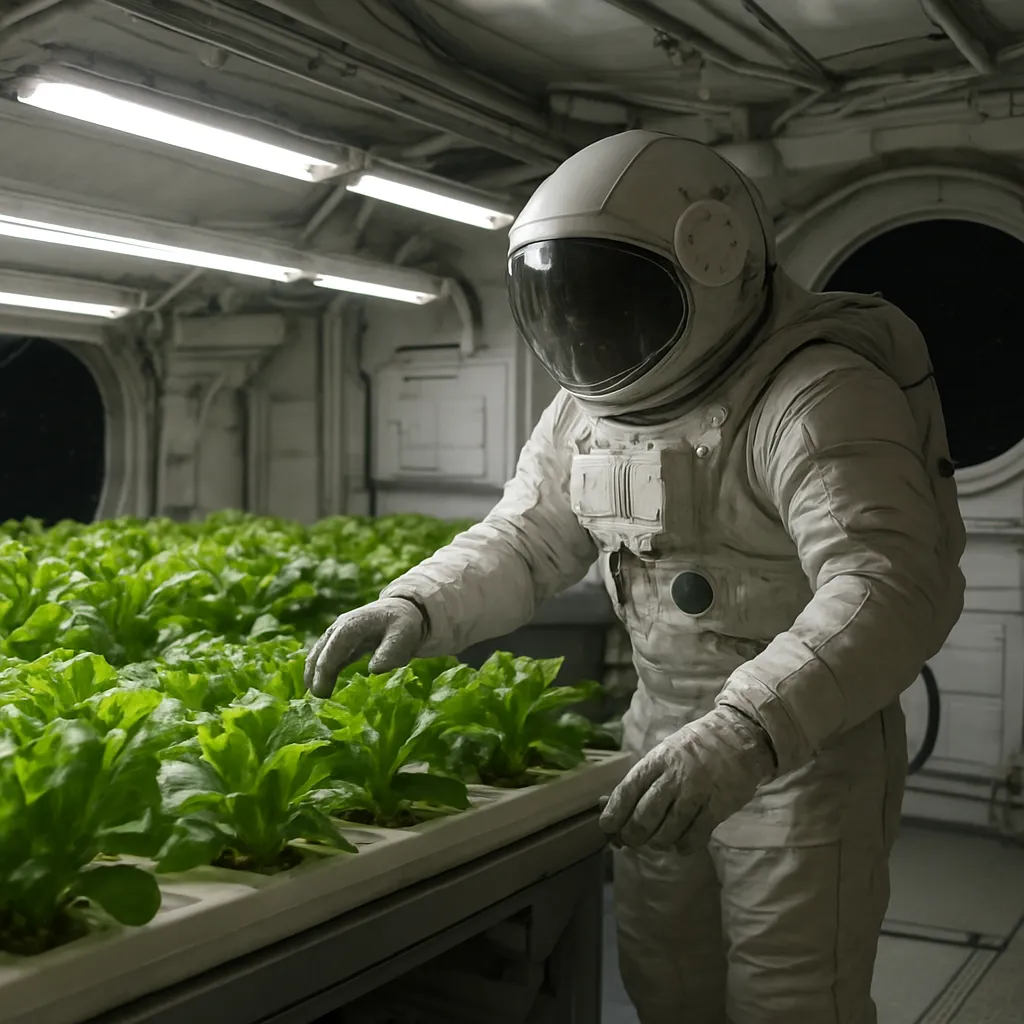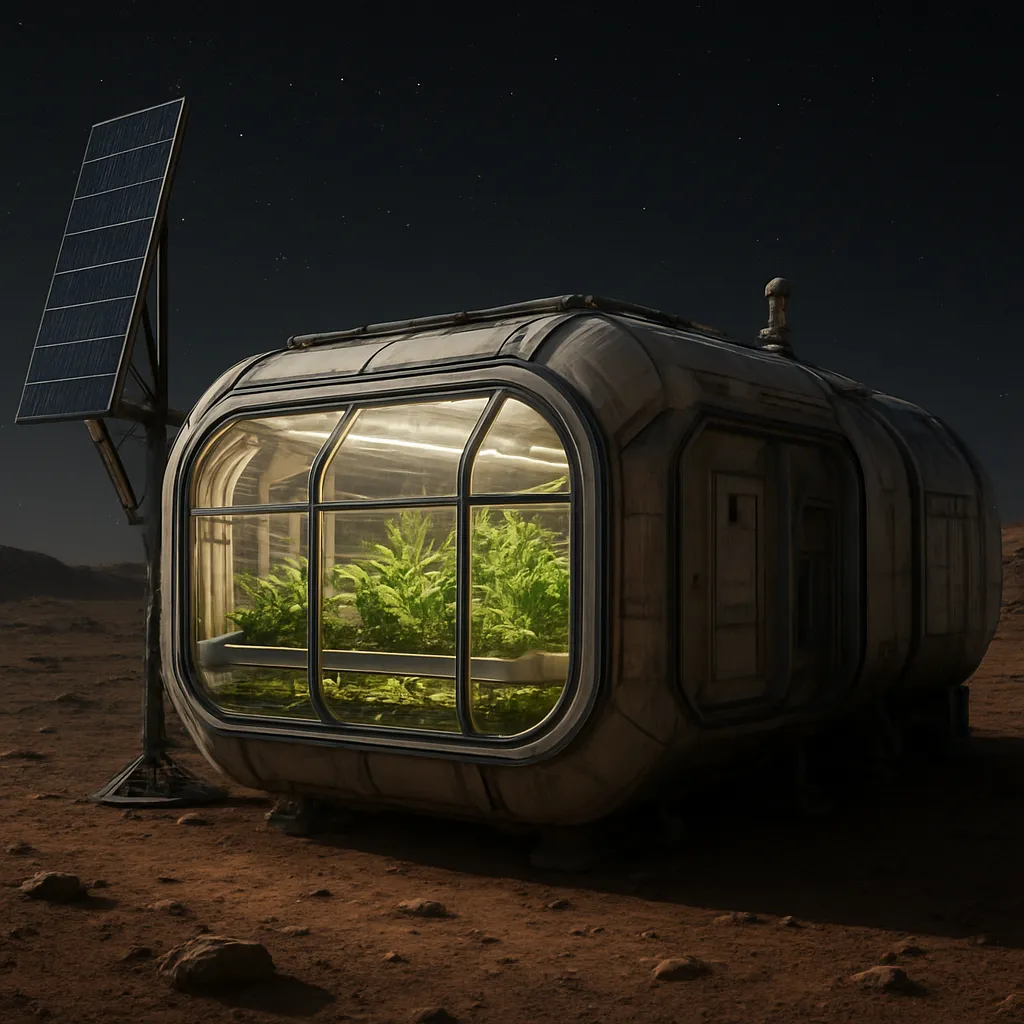
Exploring how plants react to high-energy particles beyond Earth’s atmosphere opens new avenues for sustainable agriculture in space environments. Insights into biological responses to cosmic radiation are crucial for long-term missions, habitats on Mars, and orbiting innovation platforms where traditional farming is not feasible.
Background on Cosmic Radiation and Plant Biology
Space is permeated by various types of ionizing radiation, including galactic cosmic rays (GCRs), solar particle events (SPEs), and trapped radiation belts around Earth. These high-energy particles can penetrate spacecraft walls and plant tissues, inducing DNA damage, oxidative stress, and alterations in cellular signaling. The field of astrobotany examines how these factors influence germination, growth, and yield in plants cultivated beyond terrestrial conditions.
On Earth, the shielding effect of the atmosphere and magnetic field drastically reduces exposure to cosmic rays. In contrast, plants grown on the International Space Station (ISS) or on planetary surfaces without a robust magnetosphere face elevated doses. Understanding baseline plant physiology under normal gravity helps contrast against data collected under microgravity and enhanced radiation, revealing vulnerabilities and possible resilience mechanisms.
Experimental Approaches in Space Agriculture
Controlled Environment Studies
Researchers employ growth chambers on the ISS equipped with LED lighting systems, water delivery modules, and sensor networks to monitor environmental parameters. Simulated radiation sources, such as linear accelerators and radionuclide panels, reproduce GCR-like energy spectra. These setups allow systematic variation of dose rates, cumulative exposure, and combined stress conditions (e.g., low pressure, altered temperature) to gauge threshold effects on seedlings.
Ground-Based Simulations
Facilities such as NASA’s Space Radiation Laboratory (NSRL) and Europe’s heavy ion research centers enable irradiation of plant samples with heavy ions (carbon, iron) at energy levels representative of cosmic rays. By coupling these exposures with growth chambers mimicking low gravity via clinostats or rotating platforms, scientists approximate the joint impact of radiation and altered mechanical loading on plant architecture and molecular pathways.
- Single-ion vs. mixed-field experiments to differentiate specific vs. synergistic effects
- Time-course analyses tracking DNA repair kinetics post-irradiation
- Integration of omics data for a systems-level view of plant responses
Physiological and Molecular Plant Responses
Exposure to cosmic radiation triggers a cascade of physiological changes. Common observations include reduced germination percentage, stunted root and shoot elongation, altered pigment composition, and delayed photosynthesis initiation. On a cellular scale, increased reactive oxygen species (ROS) can lead to lipid peroxidation and protein oxidation, compromising membrane integrity and enzyme function.
DNA Damage and Repair Mechanisms
Ionizing particles produce double-strand breaks (DSBs) in DNA. Plants activate non-homologous end joining (NHEJ) and homologous recombination (HR) pathways to excise and repair damaged loci. Key repair proteins like RAD51 and Ku70 display upregulated expression post-exposure. Persistent damage may lead to mutations, chromosomal aberrations, or cell cycle arrest.
Gene Expression and Genomics Insights
Transcriptomic analyses reveal differential regulation of genes involved in antioxidative defense (superoxide dismutase, catalase), hormone signaling (auxin, abscisic acid), and cell wall remodeling. Epigenetic modifications, such as DNA methylation changes at stress-responsive promoters, indicate an adaptation layer that may prime progeny for enhanced resilience. Genetic mapping identifies quantitative trait loci (QTLs) associated with radiation tolerance, guiding breeding or genetic engineering efforts.
Shielding Strategies and Genetic Adaptation
Effective shielding reduces the flux of high-energy particles reaching plant cultures. Approaches include:
- Water or polyethylene layers around growth modules to attenuate neutrons and protons
- Composite materials incorporating hydrogen-rich polymers and boron for neutron capture
- Deployable regolith-based panels on planetary habitats for in situ resource utilization
Alongside physical barriers, biological solutions involve selecting or engineering plant varieties with enhanced antioxidant capacity and robust DNA repair systems. Transgenic lines overexpressing genes like shielding protein ubiquitin ligases or ROS-scavenging enzymes demonstrate improved survival under simulated GCR exposure. Cross-species grafting and epigenome editing may further optimize stress hardiness.
Future Directions for Space Farming
Integrating knowledge from plant physiology, radiation physics, and habitat engineering is critical for developing reliable space-based agriculture systems. Key research priorities include:
- Long-term bioassays tracking multi-generational effects of chronic low-dose radiation
- Real-time monitoring of plant health using non-invasive sensors (fluorescence, spectral imaging)
- Designing modular growth units that self-adjust environmental variables in response to radiation spikes
- Applying machine learning to predict crop yield and stress responses based on multi-omic data
Transitioning from experimental testbeds to operational greenhouses on lunar bases, Martian habitats, or orbital platforms requires collaboration across disciplines. By harnessing advanced innovation in materials science, genomics, and automation, humanity moves closer to achieving sustainable food production beyond Earth.