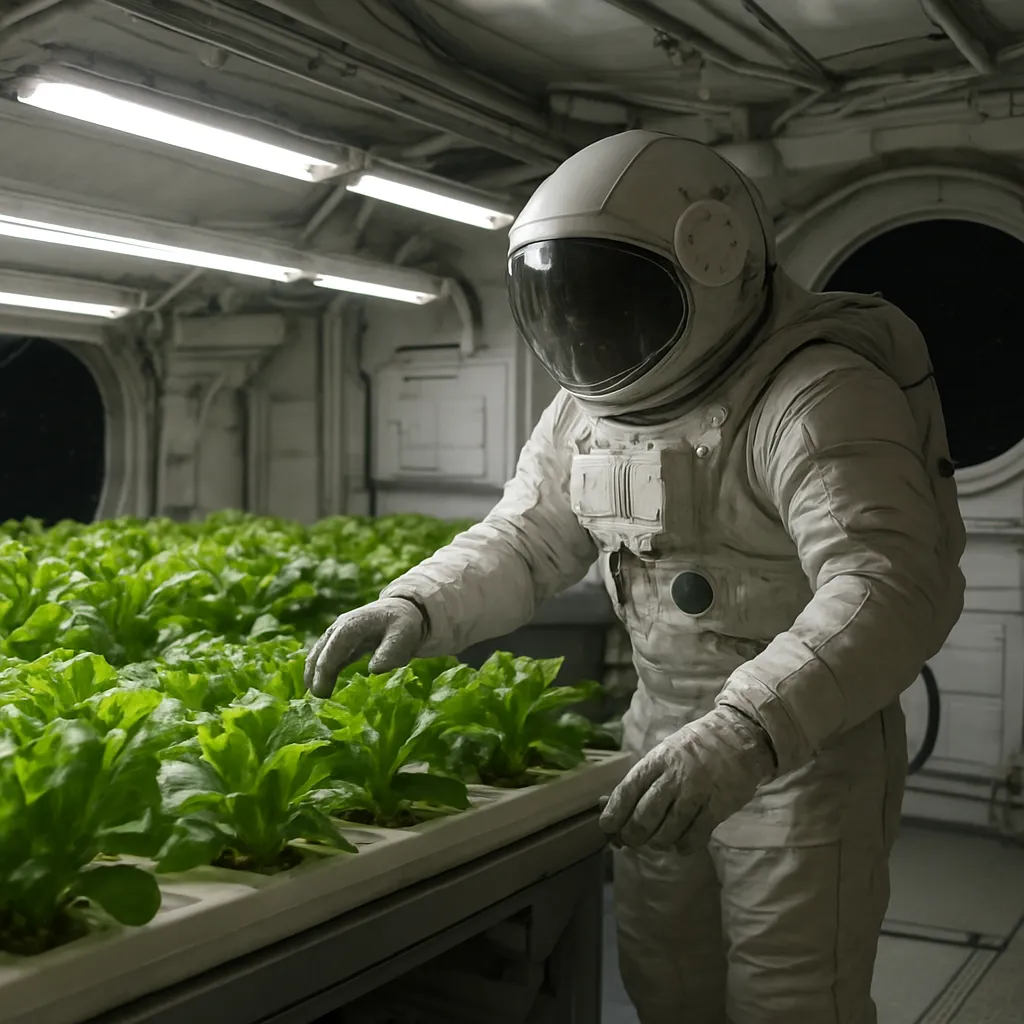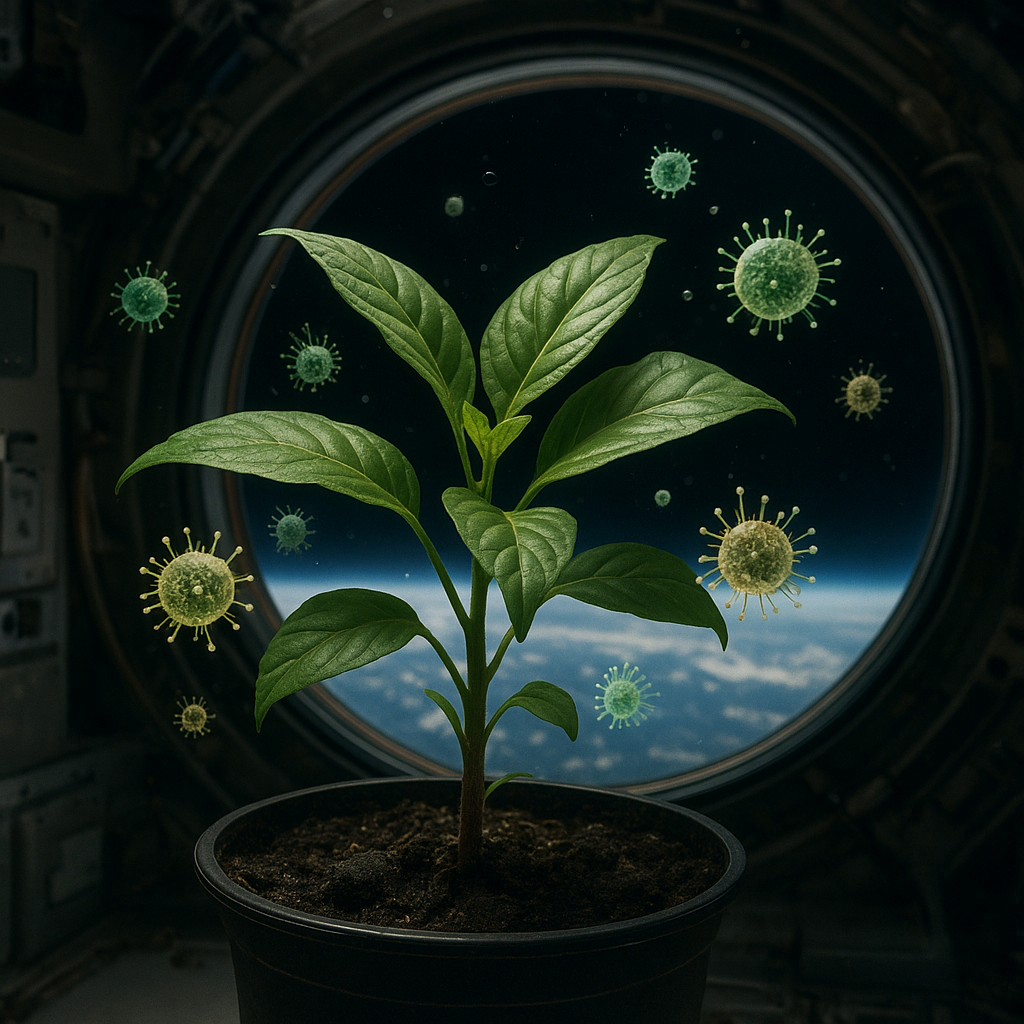
Exploring the uncharted frontier of space agriculture uncovers a network of unseen partners working tirelessly to support plant life beyond Earth’s atmosphere. From germination pods aboard the International Space Station to orbiting greenhouses, plants rely on their microbial allies to thrive under **extreme** conditions. Understanding these partnerships is crucial for developing sustainable food systems for long-duration missions and potential off-world colonies.
The Crucial Role of Microbiomes in Plant Health
Plants are not solitary organisms; they exist in intricate **symbiosis** with billions of microorganisms forming the plant microbiome. This community, consisting of bacteria, fungi, archaea, and viruses, colonizes the root zone (rhizosphere), leaves (phyllosphere), and internal tissues (endosphere). In terrestrial agriculture, these microbes contribute to:
- Nutrient cycling: Microbes convert unavailable soil nutrients into forms plants can absorb, such as fixing atmospheric nitrogen or solubilizing phosphorus.
- Biocontrol: Beneficial bacteria and fungi outcompete pathogens, secreting antibiotics or inducing systemic resistance.
- Stress resilience: Microbial partners help plants cope with drought, salinity, and temperature extremes by modulating hormone levels.
- Growth promotion: Production of phytohormones like auxins and gibberellins accelerates seedling vigor and biomass accumulation.
Translating these functions to space-based agriculture is not straightforward. The absence of gravity, limited resources, and closed-loop life support systems alter microbe-plant interactions, demanding careful **engineering** of microbial consortia.
Challenges of Cultivating Microbial Communities in Space
Establishing a stable microbiome in microgravity presents unique obstacles. Key factors include:
- Microgravity effects: Reduced sedimentation and fluid shear change microbial growth patterns and biofilm formation.
- Radiation exposure: Cosmic rays and solar particles can mutate microbial DNA, potentially altering their functionality.
- Resource scarcity: Water, nutrients, and growth mediums must be recycled rigorously within bioreactors to minimize resupply needs.
- Containment: Ensuring that beneficial microbes remain within plant cultivation modules and do not cross-contaminate life support equipment or astronaut habitats.
Microgravity Impact on Symbiotic Bonds
In orbit, microbes may exhibit altered gene expression profiles, affecting their ability to colonize root surfaces and secrete vital **enzymes**. NASA experiments have observed changes in bacterial motility and virulence factors under low gravity, raising questions about the **stability** of plant-microbe partnerships in space gardens.
Engineering Space-Ready Microbiomes
To overcome these challenges, researchers are pioneering strategies to design synthetic microbiomes tailored for extraterrestrial environments. Key approaches include:
- Selection of extremotolerant strains: Isolating microbes from deserts and polar regions that naturally withstand harsh conditions.
- Genomic tools: Utilizing CRISPR and metagenomic sequencing to identify and enhance genes responsible for stress tolerance and nutrient conversion.
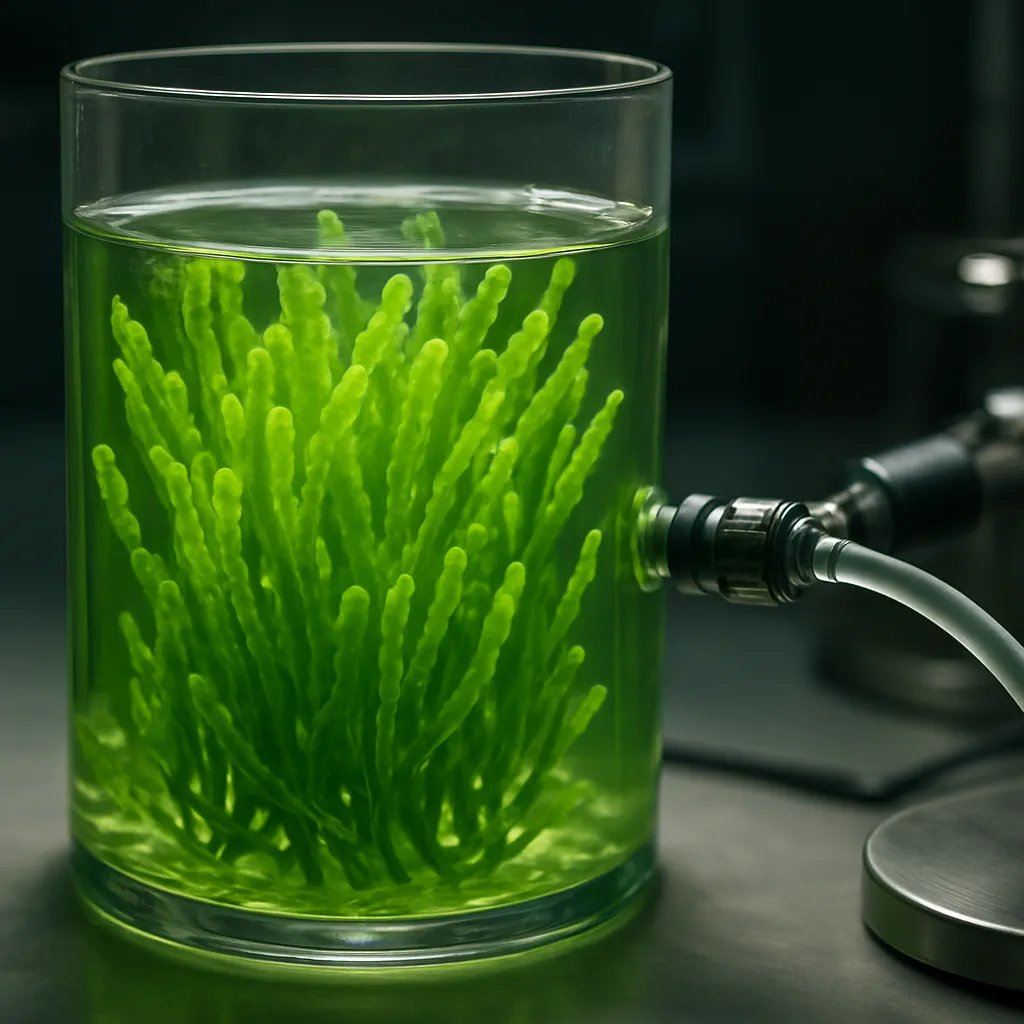
- Bioreactor optimization: Developing closed-loop culture systems that mimic plant root exudates to sustain beneficial populations.
- Seed coatings: Encapsulating microbial consortia on seed surfaces, ensuring rapid colonization during germination.
Case Study: Antarctic Microbes in Orbital Greenhouses
Recent experiments introduced cold-adapted bacterial strains from Antarctic soils into growth trays aboard orbital platforms. These microbes improved lettuce yield by 20%, thanks to efficient nitrogen fixation and enhanced **photosynthetic** activity. Findings suggest that recruiting Earth’s most resilient microorganisms can jumpstart space agriculture.
Future Horizons and Off-World Sustainability
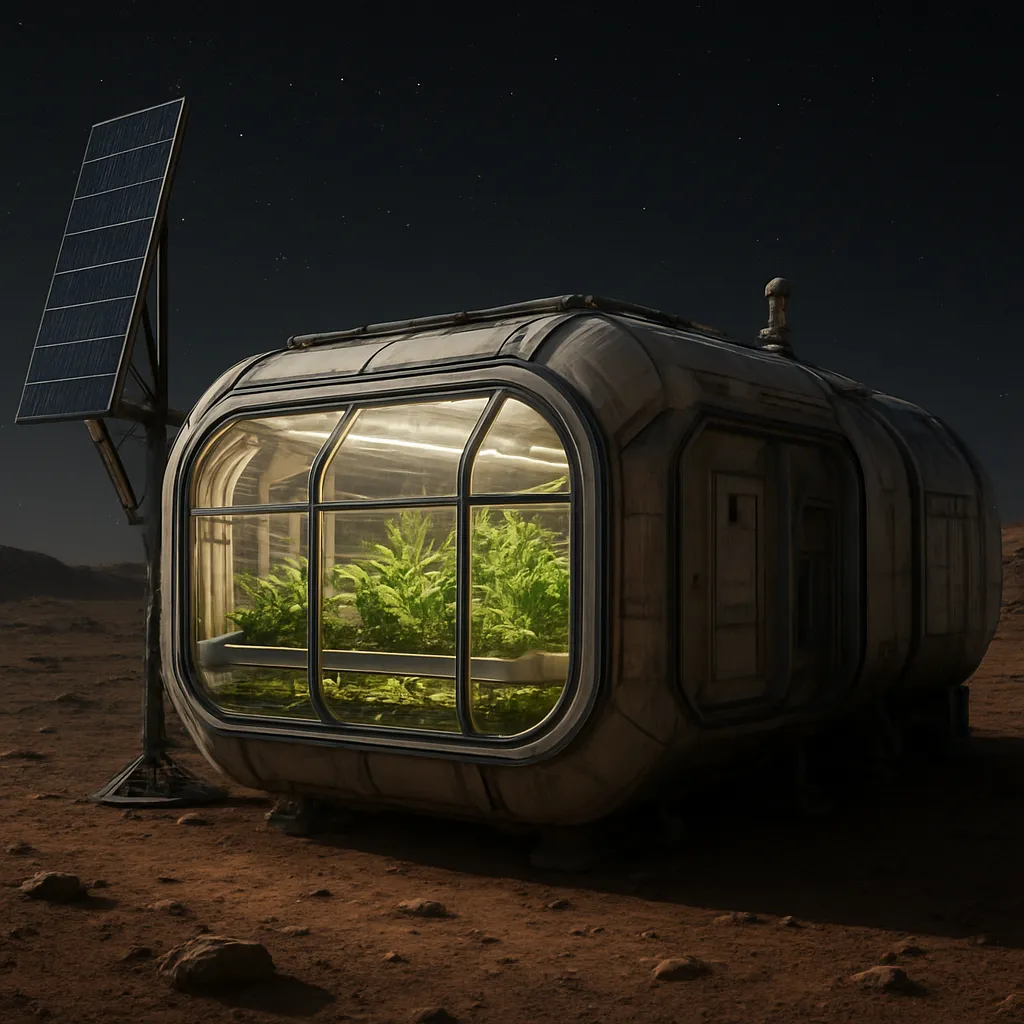
As humanity sets its sights on the Moon and Mars, scalable agricultural systems will hinge on microbial support networks. Future research directions include:
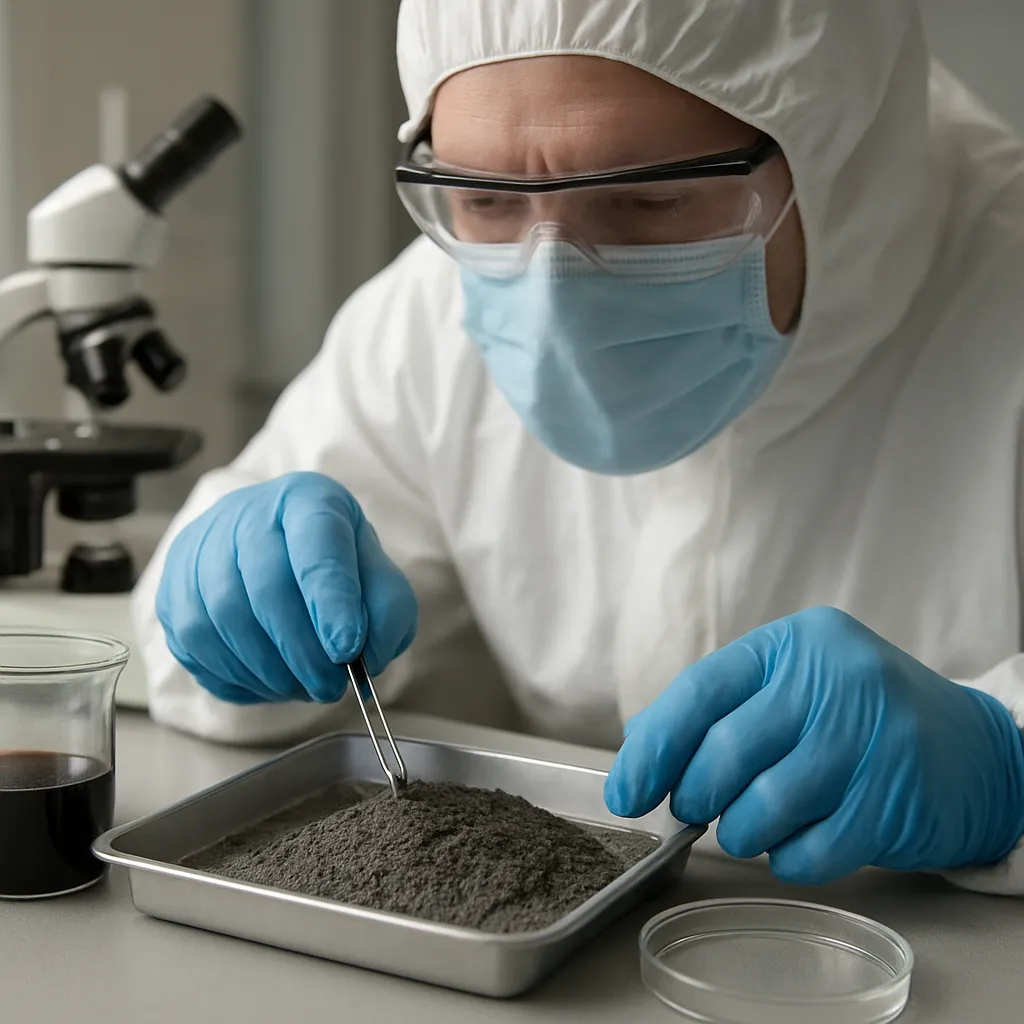
- In situ resource utilization: Harnessing lunar or Martian regolith as a substrate for microbial communities to extract minerals and support plant roots.
- Adaptive consortia: Employing **machine learning** to predict beneficial strain combinations under different planetary conditions.
- Vertical farming modules: Integrating light-emitting diodes (LEDs) with microbial bioreactors to create compact, high-yield food production units.
- Human-microbe-plant interface: Ensuring that closed ecological systems remain balanced, preventing pathogen emergence and maintaining astronaut health.
Towards a Green Frontier
The fusion of advanced microbial ecology with space engineering holds the key to sustainable food supplies on long-duration missions. By illuminating the hidden helpers within plant microbiomes, scientists pave the way for a future where crewed outposts thrive under the stewardship of tiny, yet mighty, biological partners.