Long-duration space missions present unique challenges to crew members as they navigate extended periods of confinement, microgravity, and separation from terrestrial environments. One innovative approach to mitigating psychological stress involves integrating **gardening** initiatives within spacecraft or planetary habitats. These green ventures not only satisfy requirements for food production and **sustainability**, but also serve as powerful tools to bolster mental health and interpersonal dynamics. This article delves into the multiple dimensions of psychological benefits derived from horticultural activities during extended missions beyond Earth.
Cultivating Life Beyond Earth
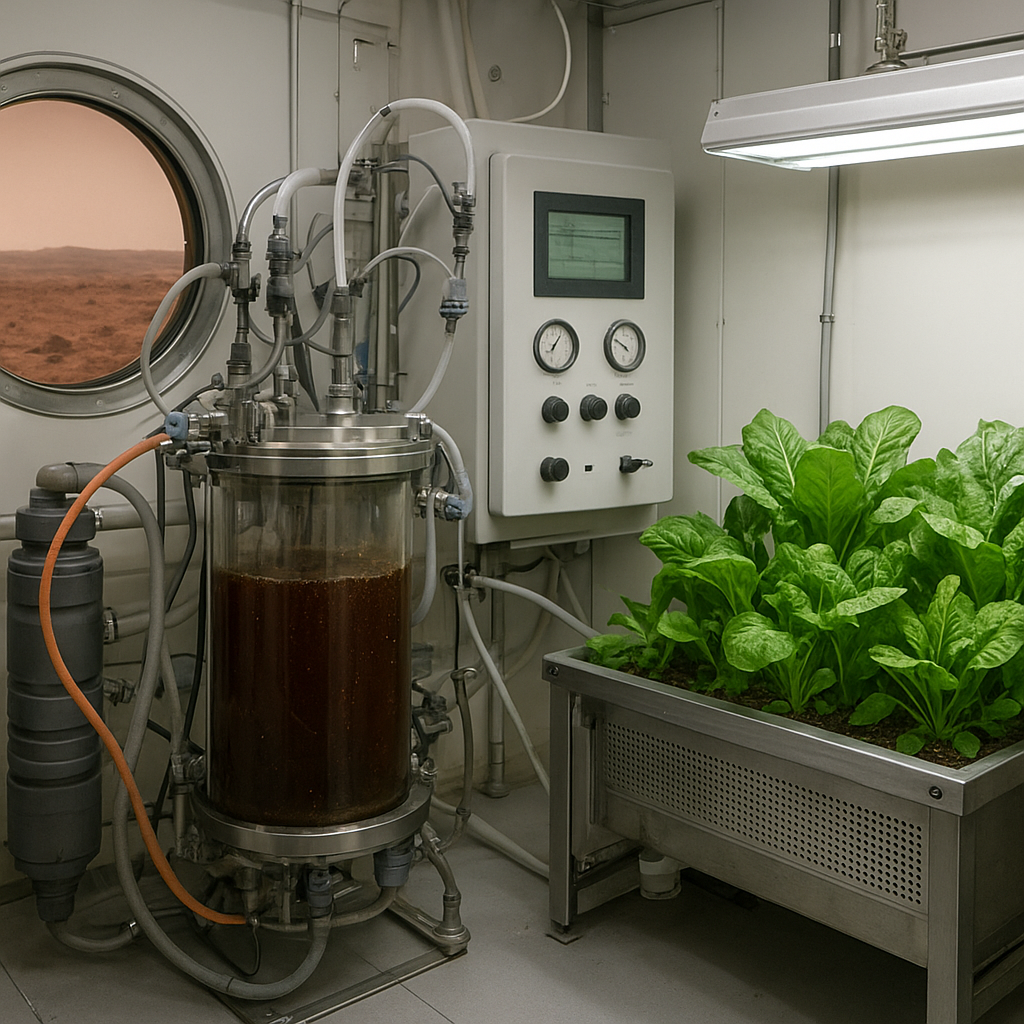
Designing agricultural systems for spaceflight demands meticulous attention to **microgravity**, resource constraints, and life support integration. Hydroponic racks, aeroponic chambers, and LED-lit growth modules have evolved into compact, closed-loop ecosystems. While these systems primarily address nutritional needs and oxygen regeneration, they also introduce living organisms into an otherwise sterile environment. The presence of vibrant leaves, budding flowers, and edible greens can transform a utilitarian cabin into a more inviting habitat.
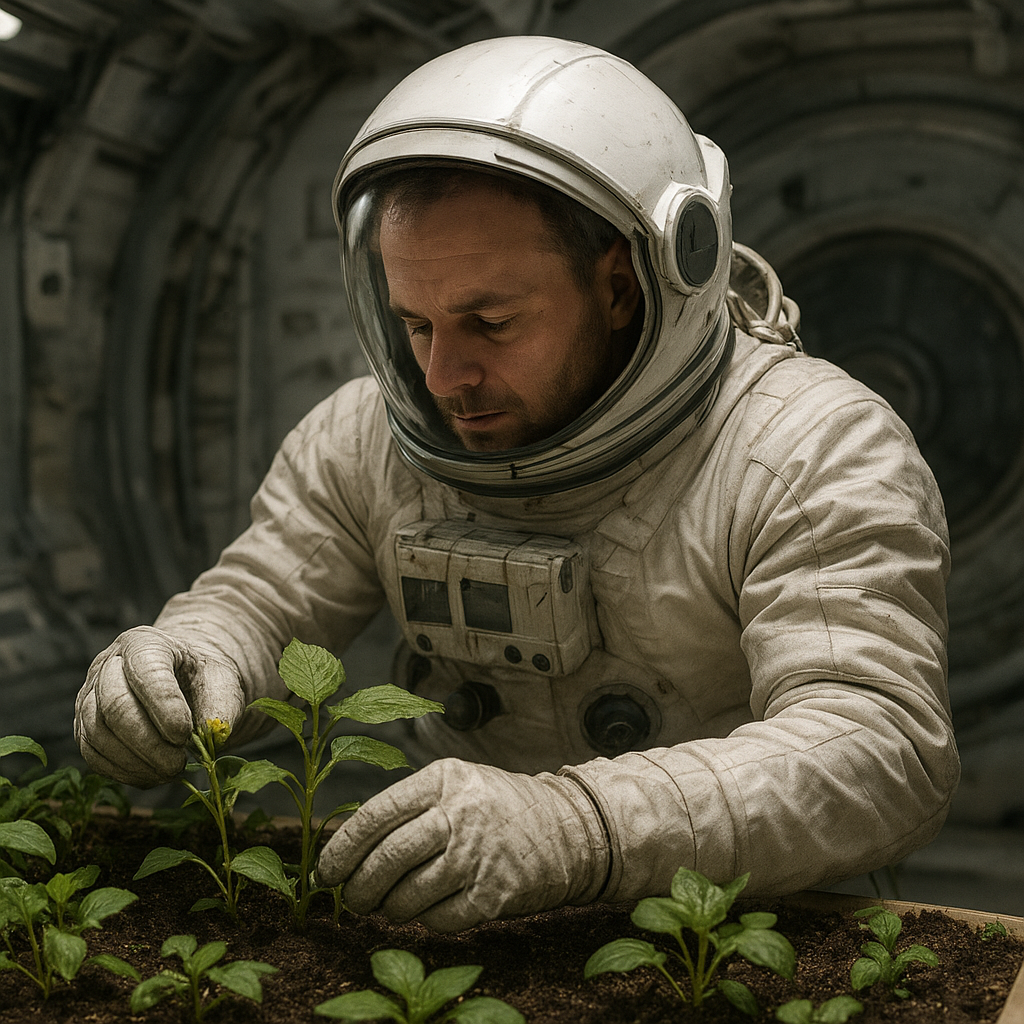
By engaging in routine gardening tasks—such as seed germination, nutrient monitoring, and harvest cycles—astronauts establish a sense of **agency** and continuity. Handling soil analogs or nutrient solutions fosters tactile engagement, grounding individuals in practical, hands-on activities. Moreover, witnessing plant growth stages creates a tangible temporal marker, countering the distorted perception of time that can arise from monotonous work schedules and the absence of natural day–night cues.
- Resource optimization: Recycling water and nutrients reduces waste.
- Bioregenerative life support: Plants contribute to air purification and CO₂ reduction.
- Environmental enrichment: Green modules offer a visual and olfactory respite.
Emotional Resilience Through Greenery
Psychological research underscores the restorative effects of nature on human cognition and emotion. On Earth, exposure to parks, forests, and gardens fosters **well-being**, reduces stress hormone levels, and enhances mood. In space, these benefits become even more pronounced due to heightened stressors such as isolation, sensory deprivation, and operational demands. Incorporating gardening tasks helps maintain emotional equilibrium by providing variety and a nurturing outlet.
Regular interactions with plant life stimulate sensory pathways: the subtle aroma of basil, the texture of lettuce leaves, or the bright hues of tomato blossoms. These **multisensory** experiences break the monotony of metallic corridors and digital interfaces, inviting astronauts to reconnect with their biological roots. Scientific studies on analog missions—such as Antarctic stations and underwater habitats—reveal that crew members report lower anxiety and improved coping mechanisms when responsible for horticultural experiments.
Furthermore, witnessing the phenomenon of growth and regeneration can foster feelings of hope and optimism. In environments where emergencies and equipment failures loom large, the sight of a thriving plant can reinforce a sense of purpose and long-term vision. This emotional boost often translates to greater **resilience** when confronting unforeseen challenges, from system malfunctions to interpersonal conflicts.
Cognitive and Team Dynamics Benefits
Beyond individual well-being, gardening exerts positive influences on cognitive performance and team cohesion. Engaging in plant cultivation demands planning, problem-solving, and fine motor coordination—skills directly transferable to mission-critical tasks. For instance, calibrating nutrient solutions or diagnosing plant maladies enhances analytical reasoning under resource-limited conditions.
Collaboration on agricultural experiments offers a shared goal that transcends technical assignments. Crew members can assume diverse roles—botanist, engineer, data analyst—fostering **camaraderie** and mutual respect. Structured team activities like communal planting or periodic harvest celebrations encourage communication and cultural exchange, which are vital to maintaining harmony in multicultural crews.
- Psychomotor skills: Precision in trimming or pollinating flowers sharpens dexterity.
- Problem-based learning: Addressing plant growth setbacks translates to creative troubleshooting.
- Cross-disciplinary exchange: Biologists, physiologists, and technicians share insights in joint projects.
Data from simulation centers show that teams engaged in horticultural projects report higher levels of trust and reduced feelings of monotony. In turn, this positive dynamic can lead to improved task performance, fewer social frictions, and enhanced mission success rates.
Practical Implementation and Challenges
Implementing space-based gardening requires balancing **efficiency** with psychological impact. Key considerations include:
- Mass and volume constraints: Growth chambers must fit within tight payload limits.
- Power consumption: LED lighting schedules have to optimize both plant photoperiods and energy budgets.
- Water reclamation: Closed-loop irrigation systems must minimize evaporation loss and microbial contamination.
- Automation versus manual care: While robotics can handle routine tasks, manual interventions provide the therapeutic benefit.
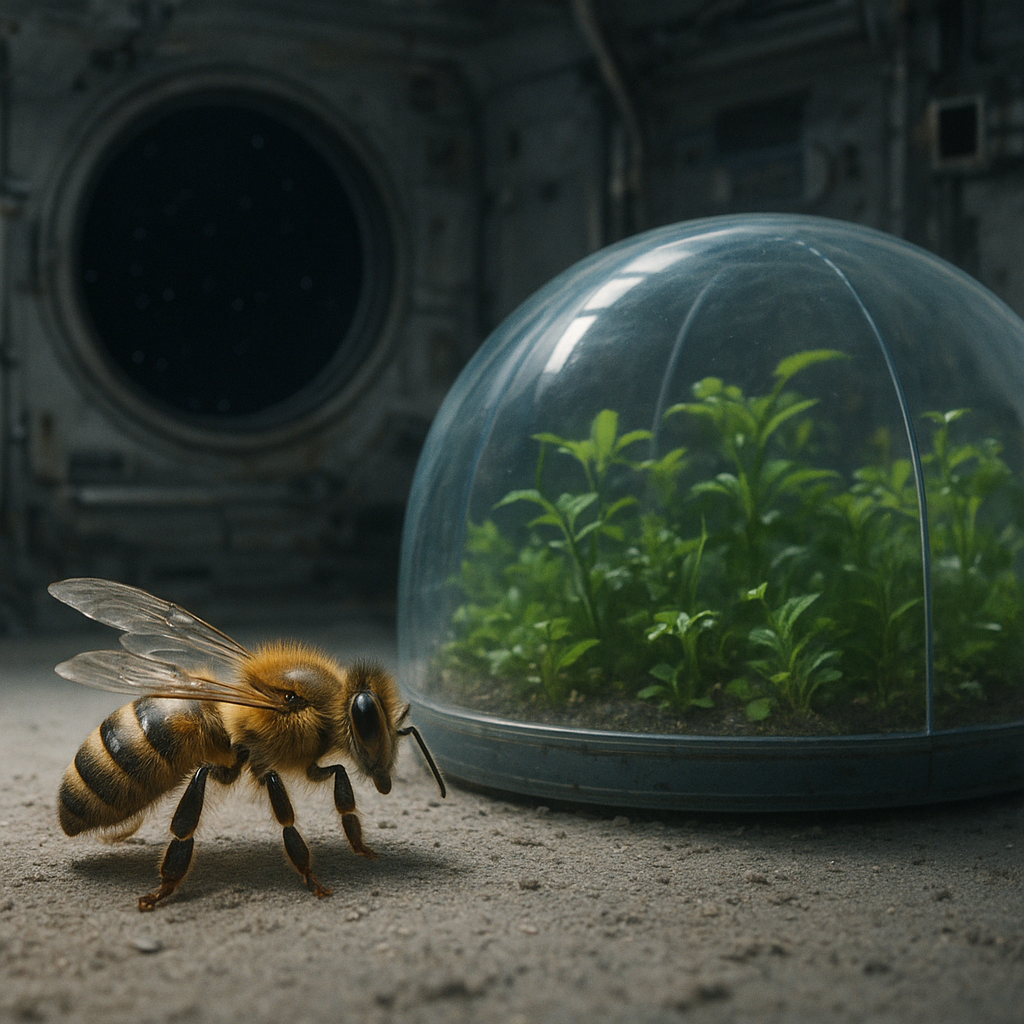
The choice of plant species also influences psychological outcomes. Fast-growing, fragrant herbs like mint and basil offer rapid gratification, while legumes and grains showcase more complex developmental cycles. Flowering plants such as marigolds or zinnias introduce color variation and pollination challenges, compelling astronauts to engage creatively.
Another hurdle lies in mitigating **microbial risks**. Maintaining a sterile environment clashes with introducing organic material. Rigorous protocols for pathogen monitoring and air filtration are essential to prevent the spread of mold or unwanted bacteria. Yet, when managed effectively, these safety measures themselves can instill confidence in crew members, reinforcing the notion that plant cultivation is both safe and beneficial.
Future Directions and Innovation
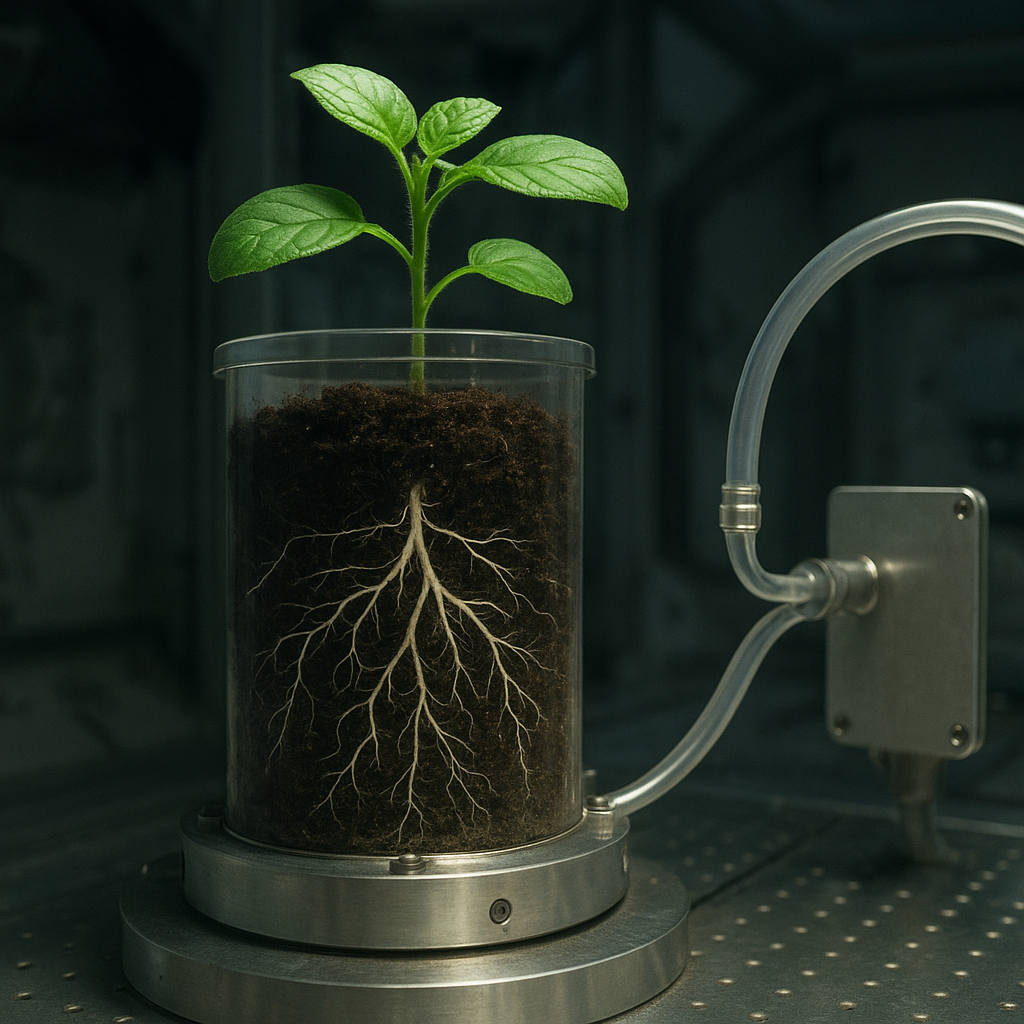
As missions push farther into deep space, the scale and complexity of bioregenerative systems will expand. Advances in synthetic biology propose engineered plants with enhanced resilience to radiation or reduced gravity. Smart sensors integrated into root modules could provide real-time feedback on plant stress, enabling more dynamic engagement and deeper scientific inquiry.
Virtual and augmented reality may supplement actual gardens, allowing astronauts to design layouts or simulate growth cycles during downtime. This fusion of digital and biological worlds can magnify psychological benefits, offering immersive escapes and interactive learning experiences.
Ultimately, the marriage of space agriculture and mental health reflects a **groundbreaking** paradigm: astronauts nurtured by the same living systems they cultivate. As humanity embarks on missions to Mars and beyond, these verdant outposts will serve not only as life support but also as vital bulwarks against the psychological hurdles of interplanetary exploration.