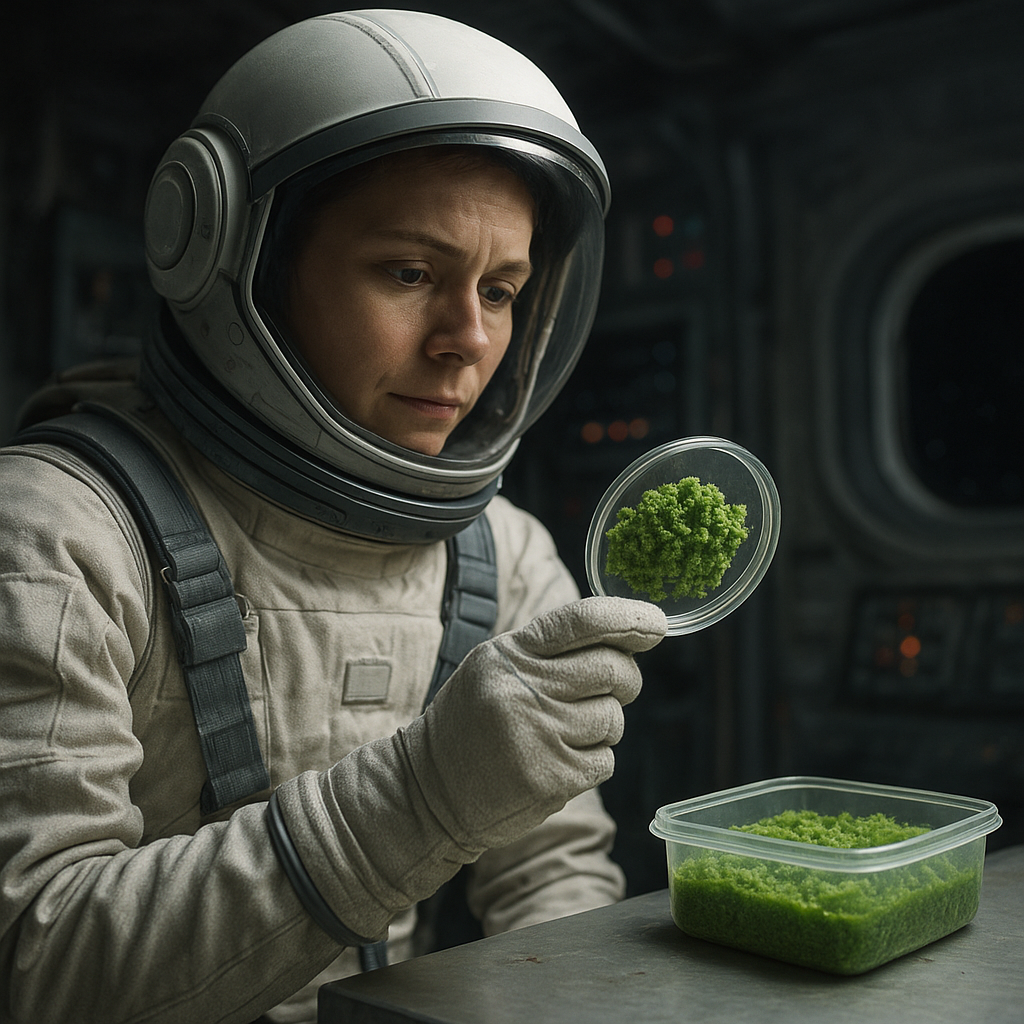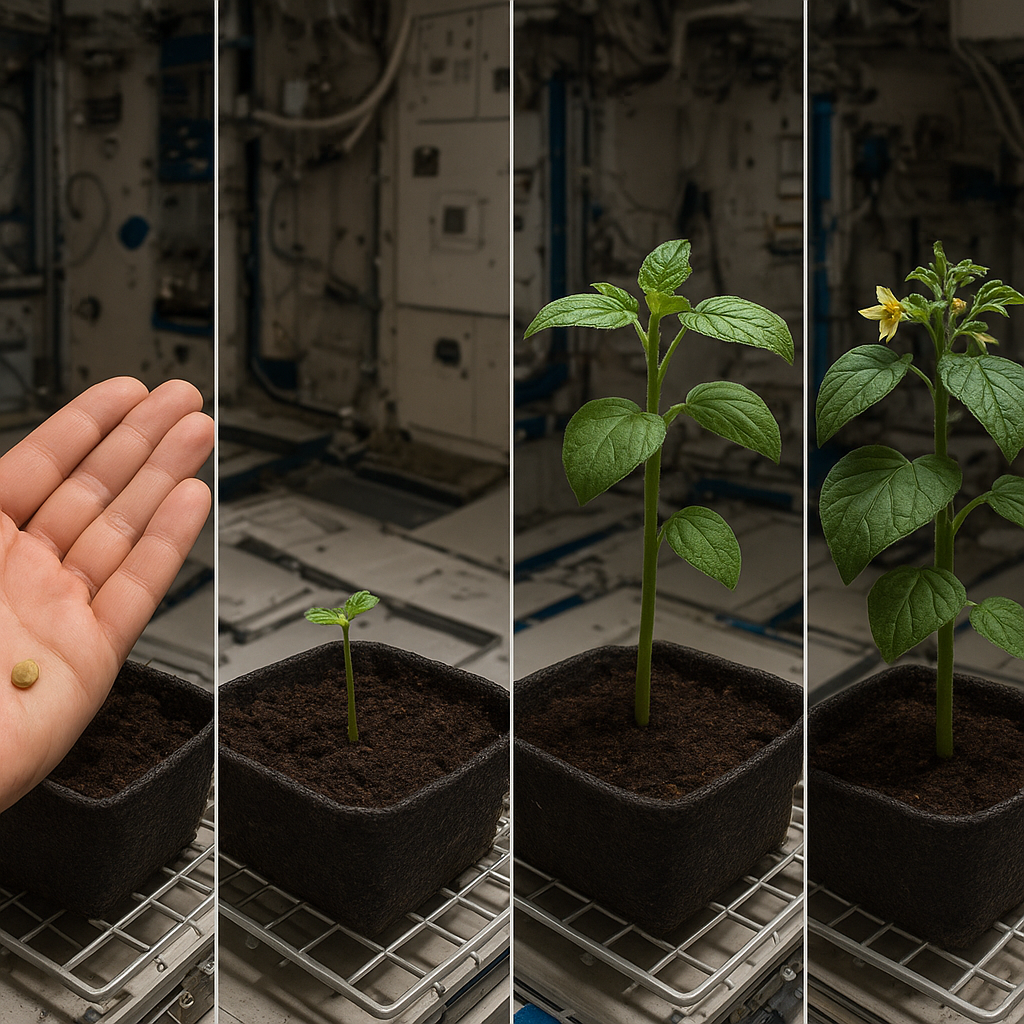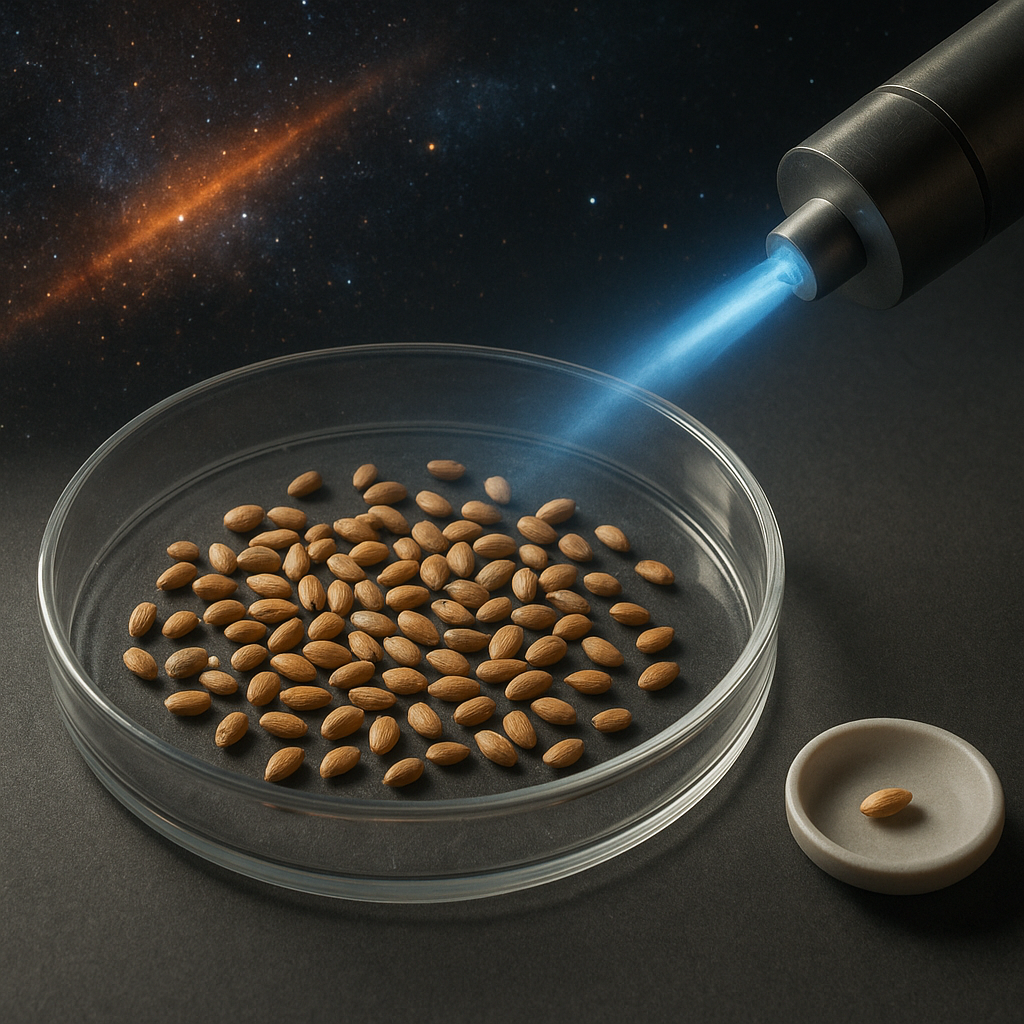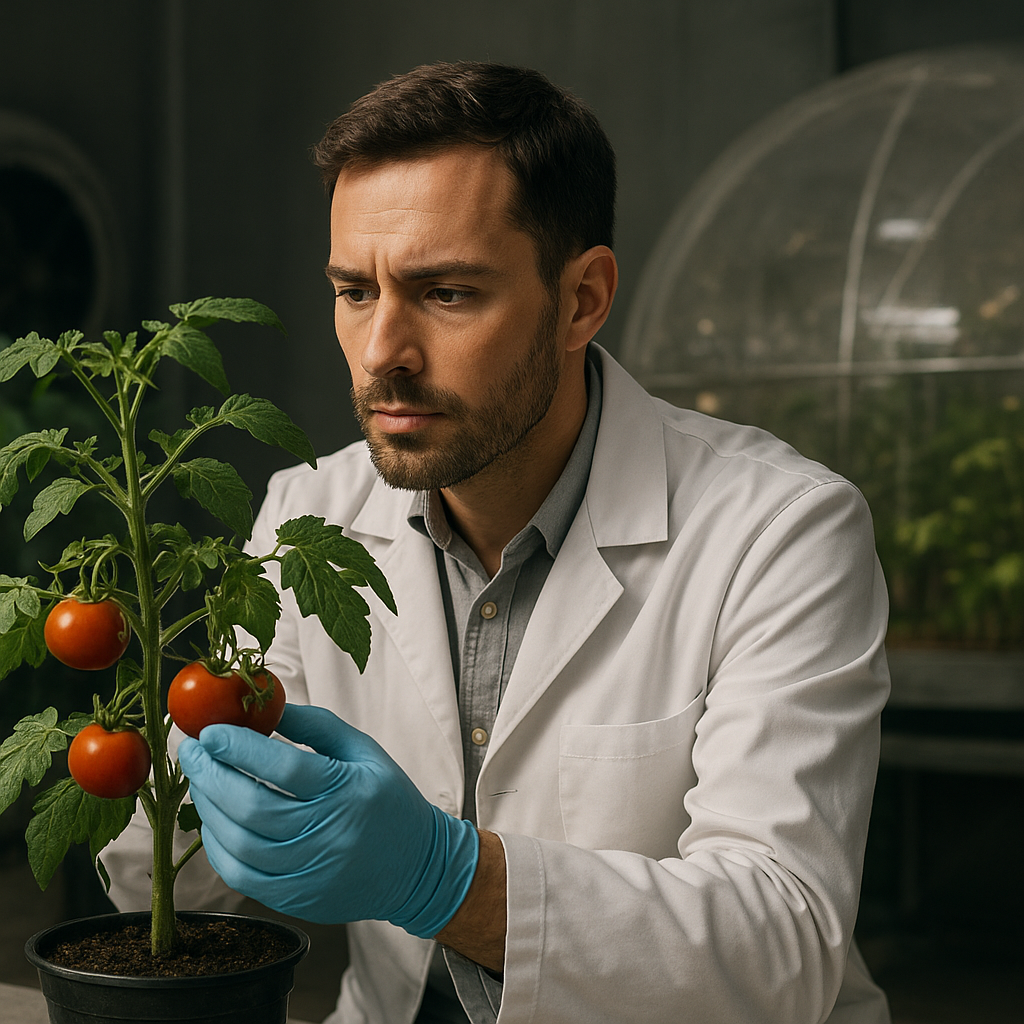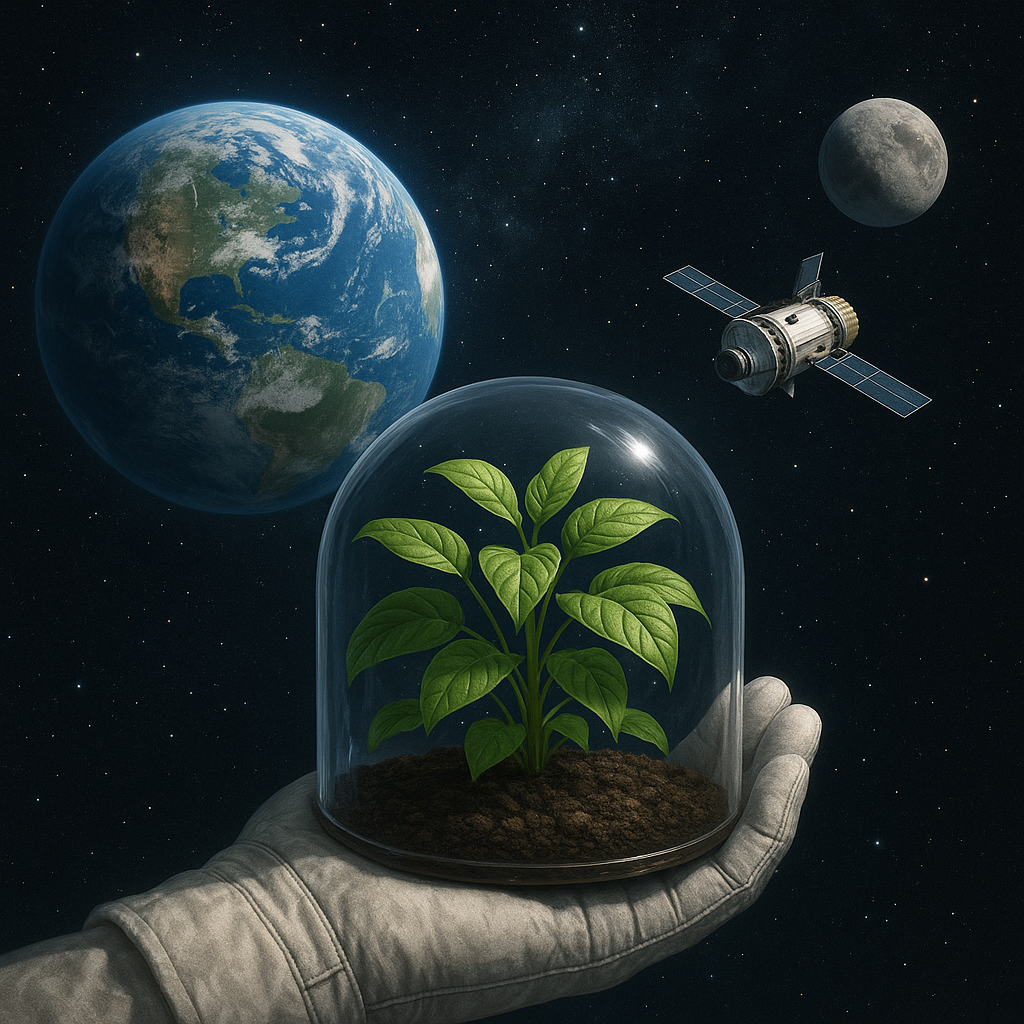
Space farming represents a pivotal frontier in human exploration, marrying biology with engineering to transform habitats into self-sufficient ecosystems. Through innovative plant cultivation techniques, astronauts can convert carbon dioxide exhaled by crew members into breathable air and fresh produce, closing critical resource loops. Harnessing these systems demands an intricate understanding of plant physiology, advanced technologies, and the rigors of the off-world environment.
Capturing and Recycling CO2: Principles and Challenges
CO2 Sources and Accumulation
Within a sealed habitat, carbon dioxide steadily accumulates from human respiration, life-support equipment, and microbial activity. Elevated CO2 levels can impair cognitive functions and upset atmospheric balance. Traditional methods rely on physicochemical scrubbers that chemically bind CO2, but these require consumable sorbents and generate waste. A biological alternative employs plants as dynamic scrubbers, leveraging their natural ability to fix carbon during photosynthesis. However, optimizing the rate of uptake to meet crew demands remains a central challenge. Engineers must tailor chamber pressure, temperature, and humidity to align with both human comfort and plant metabolic rates.
Plant-Based CO2 Sequestration
The efficiency of CO2 capture depends on leaf area, light intensity, and air circulation. Innovative designs utilize rotating growth trays and directed airflow to ensure uniform gas exchange across foliage. Selected species often feature high stomatal density and rapid growth cycles, such as leafy greens and dwarf cereals. Genetic screening for enhanced carbon fixation pathways has yielded promising candidates. However, integrating these varieties into a habitat imposes trade-offs involving resource allocation and system complexity.
Advanced Cultivation Technologies for Space Plants
Hydroponic and Aeroponic Systems
Soilless cultivation methods eliminate the mass and volume penalty of transporting bulk media. In hydroponic setups, roots immerse in nutrient-rich water, enabling precise control of mineral availability. Aeroponics suspends roots in air, misting them periodically with nutrient droplets, which maximizes oxygen access and reduces water usage. Both approaches facilitate automated monitoring of EC (electrical conductivity), pH, and dissolved oxygen levels. Typical nutrient formulations deliver essential elements like nitrogen, phosphorus, potassium, and trace minerals, ensuring balanced nutrients uptake. Advanced sensors and AI-driven adjustments maintain environmental stability within narrow tolerances.
Lighting and Growth Chambers
Photosynthetic efficiency hinges on appropriate light spectra. LED systems allow customizable wavelengths, targeting red and blue bands to match chlorophyll absorption peaks. Dynamic dimming schedules simulate Earth’s day-night cycles to regulate circadian rhythms. Growth chambers incorporate multi-layer shelving, maximizing biomass per habitat volume. Effective thermal management dissipates heat generated by LEDs, preventing localized hotspots and preserving crew comfort. Innovative fiber-optic delivering units channel sunlight harvested externally, further reducing power consumption and enhancing plant vigor.
Bioregenerative Life Support Integration
Maintaining a Closed-Loop Atmosphere
A truly closed-loop ecosystem recycles air, water, and waste with minimal external resupply. Plants consume CO2 and produce oxygen, while humans and microbes return CO2 and humidity. Greywater from hygiene and kitchen residues undergoes biofiltration through water-culture beds where plant roots and beneficial bacteria break down organics. Advanced tolerance to salinity and trace contaminants makes certain species ideal for double-duty water treatment and food production. Continuous monitoring ensures that gas concentrations, water quality, and biomass yield remain within optimal bands.
Structural and Environmental Constraints
Space habitats impose unique design limitations: mass restrictions, radiation exposure, and erratic gravity fields. Systems must be compact, modular, and resilient. Utilizing local materials, such as regolith shielding, can protect plants from cosmic rays. Installations near planetary poles or underground caverns leverage natural insulation. Under microgravity conditions, fluid behavior changes drastically, demanding pumps and capillary structures for nutrient delivery. Root morphology adapts to the absence of a gravitational pull, necessitating support matrices that anchor seedlings and guide root growth.
Future Directions and Sustainability Considerations
Scaling Bioregenerative Systems
Long-duration missions to Mars and beyond will require robust, upscalable life-support units. Bioreactors combining algae and higher plants could boost carbon fixation rates and provide dietary diversity. Closed bioprocess loops might integrate insect farming for protein and additional waste recycling. Gene editing may yield strains engineered for low-resource environments, faster growth, and enhanced stress tolerance. Data-driven optimization will refine light regimens, nutrient profiles, and microbial consortia to maintain system equilibrium.
Extraterrestrial Agriculture and Resource Utilization
Expanding beyond low Earth orbit, extraterrestrial agriculture must adapt to soil-like materials found on the Moon or Mars. In situ resource utilization (ISRU) techniques aim to process regolith into plant-friendly substrates, combining it with recycled organic matter to create hybrid growth media. Electrolysis of local water ice produces both oxygen and hydrogen, further integrating plant systems into the broader life-support framework. Sustainable expansion hinges on minimizing Earth-dependence and establishing resilient colonies capable of autonomous operation.
Ethical and Operational Implications
As humans transition from short-duration stays to permanent settlements, agricultural systems become central to crew morale, health, and independence. Fresh produce can alleviate nutrient deficiencies and mitigate radiation-induced damage through antioxidant-rich diets. Collaborative research across agencies and private entities accelerates innovation while ensuring ethical deployment of biotechnologies. Regulatory frameworks will oversee genetic modifications, ecological containment, and planetary protection protocols to safeguard extraterrestrial environments.