The vision of cultivating crops beyond Earth’s atmosphere demands innovative approaches to **sustainable** resource management. Transforming human and organic waste into valuable plant nutrients closes critical loops in life support systems for astronauts. By integrating advanced recycling processes, spacefarers can convert sludge, greywater and inedible biomass into potent fertilizers that drive the growth of fresh produce in off-world habitats. This article explores the technological, biological and engineering strategies that underpin this transformative cycle, ensuring reliable food production on missions to the Moon, Mars and deep-space stations.
Challenges of Agriculture Beyond Earth
Growing plants in orbit or on planetary surfaces presents unique constraints. The lack of abundant water, limited power and absence of natural soil demand **closed-loop** systems that maximize every resource. In **microgravity**, water distribution and root zone aeration become formidable hurdles. Additionally, transporting large volumes of commercial fertilizer from Earth proves neither cost-effective nor sustainable for long-duration missions.
To establish viable farms, engineers and biologists must devise methods that recycle all forms of waste into usable inputs. These include:
- Human urine and fecal matter
- Greywater from hygiene and cleaning processes
- Inedible plant residues and food packaging
- Solid waste from life-support systems
Converting these streams into a balanced blend of **nutrients**—nitrogen, phosphorus, potassium and micronutrients—requires robust **microbial** consortia, tailored reactors and precise environmental control.
Waste Streams and Recycling Technologies
Implementing an effective recycling chain demands the integration of several technologies:
- Composting units that aerobically degrade organic matter, stabilizing carbon and releasing nutrients.
- Anaerobic digesters that produce biogas for energy and mineral-rich digestate.
- Membrane filtration systems for greywater purification and nutrient concentration.
- Electrochemical reactors that recover nitrogen compounds from ammonia-rich streams.
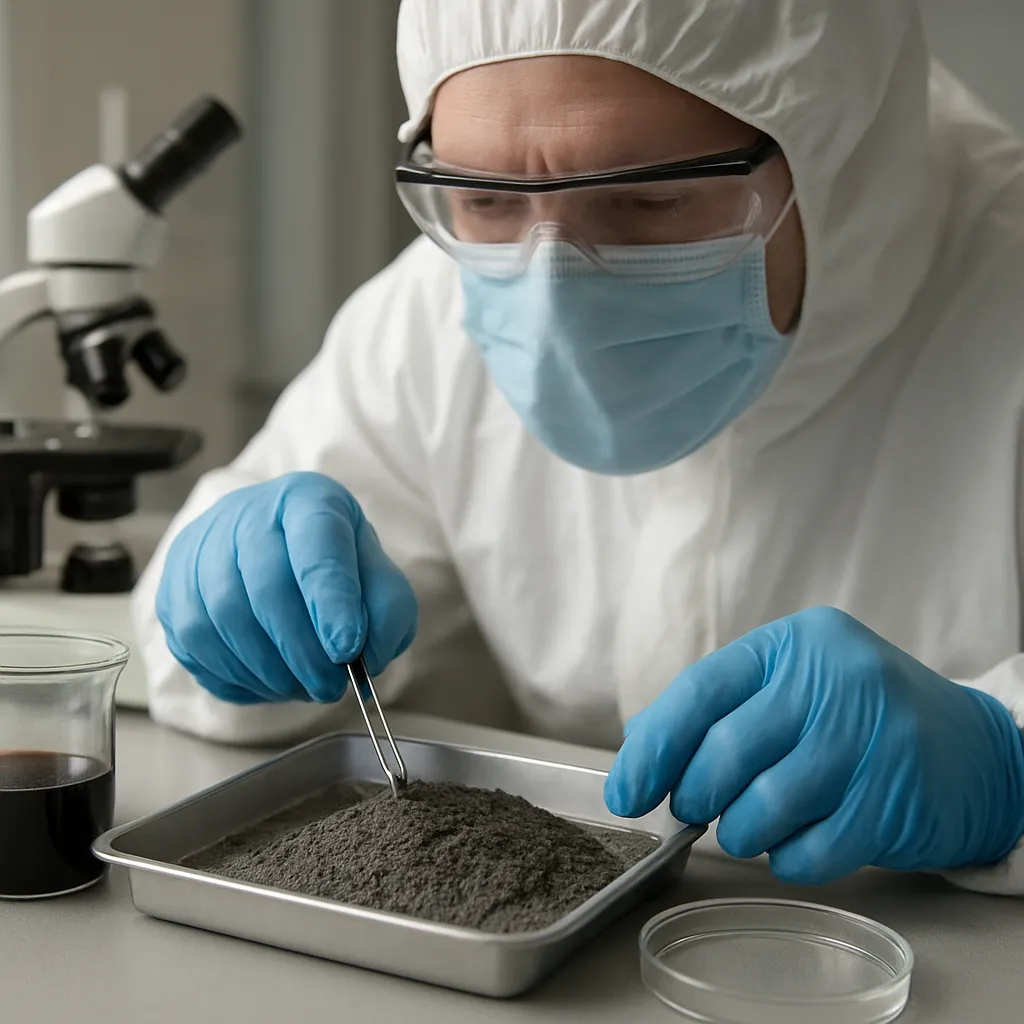
On the International Space Station, small-scale experiments have demonstrated partial recovery of phosphorus from urine. Yet, scaling these processes for a **resilient** base on Mars involves addressing radiation shielding, dust contamination and power fluctuations. Incorporating Mars regolith simulant into recycling substrates also offers prospects to blend mineral content with organic fertilizers, creating hybrid soil analogs.
Bioreactor Design for Nutrient Recovery
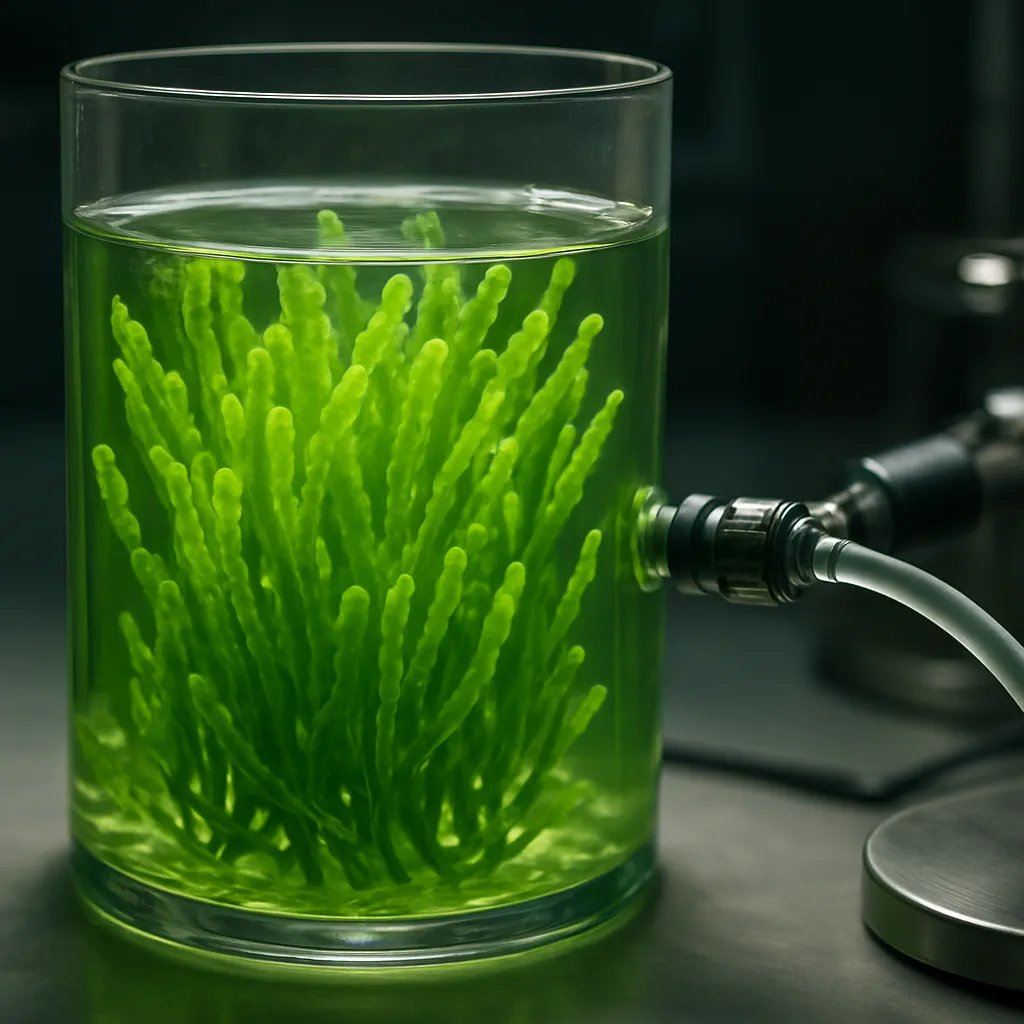
Key to closing the loop is the design of modular **bioreactors** that can operate autonomously. Such systems must manage:
- Precise temperature and pH control to optimize microbial activity.
- Automated feeding and harvesting cycles to adjust for crew schedules.
- Gas exchange modules that supply oxygen and remove carbon dioxide.
- Robust sensors and AI-driven feedback loops for real-time adjustments.
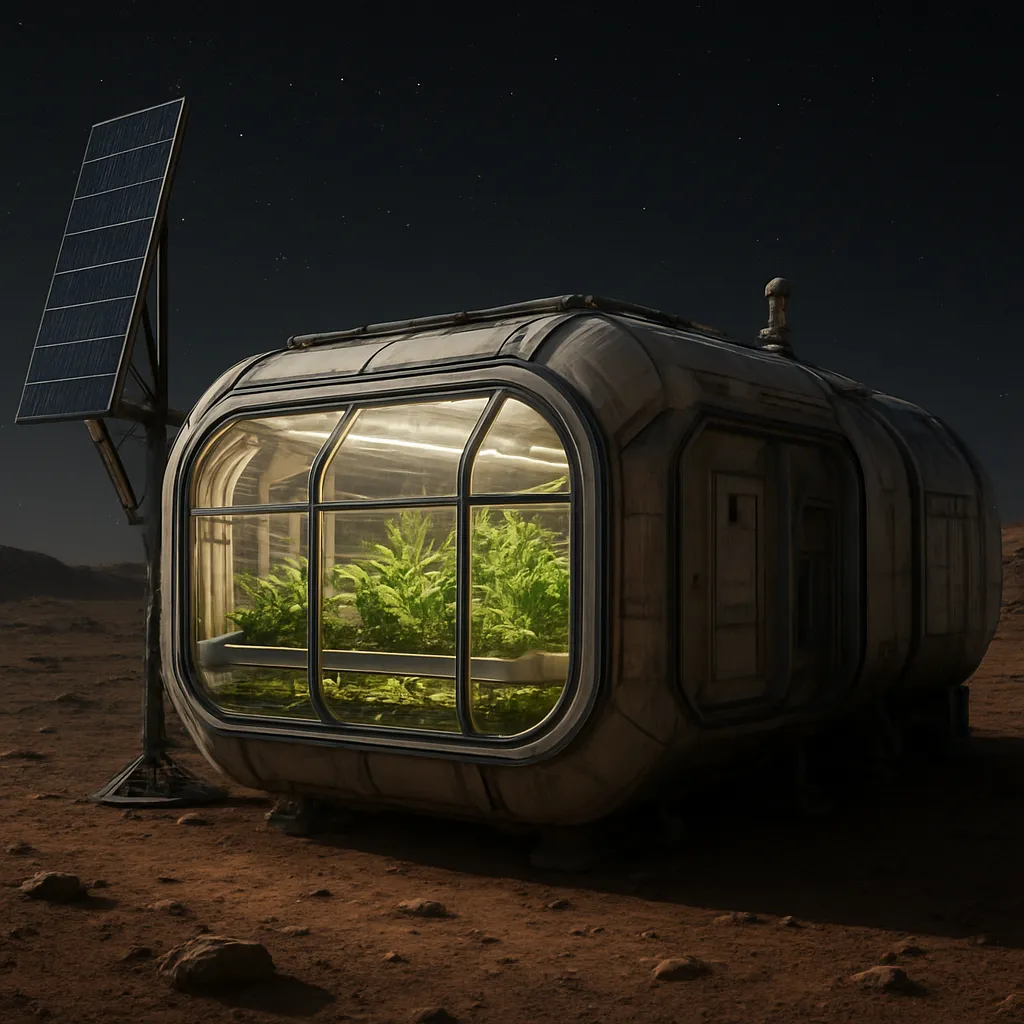
Researchers are exploring microfluidic reactors that facilitate high surface-to-volume ratios, enhancing contact between microbes and substrates. Meanwhile, biofilm-based approaches immobilize microbial communities on carriers, simplifying separation of solid digestate from liquid effluent. Integration with solar panels or compact nuclear sources ensures uninterrupted power, even during dust storms on Mars or eclipses around the Moon.
Microbial Consortia and Genetic Enhancements
Optimizing **microbial** strains for space conditions includes selecting extremophiles capable of tolerating radiation and low pressure. Genetic engineering can enhance nutrient solubilization—such as phosphorus-mobilizing genes—and improve nitrogen fixation efficiency. Introducing synthetic biology circuits allows these microbes to self-regulate based on waste composition, reducing the need for crew intervention.
From Digestate to Fertilizer: Processing Steps
Once organic waste is processed biologically, the resulting digestate undergoes several refinement steps:
- Separation of solids via centrifugation or sedimentation.
- Thermal treatment to eliminate pathogens and stabilize the material.
- Drying or pelletizing to produce a consistent, storable fertilizer.
- Blending with mineral additives, including ground lunar or Mars regolith for structural integrity.
The final product must meet strict purity standards to prevent salt buildup in **hydroponics** tanks or soil analogs. Continuous monitoring of electrical conductivity, osmotic potential and microbial activity ensures the fertilizer supports healthy root development and robust plant growth.
Crop Trials and Growth Performance
Extensive greenhouse experiments on Earth have validated the efficacy of recycled waste fertilizers. Key findings include:
- Leafy greens such as lettuce and spinach achieve comparable biomass when grown with recycled fertilizers versus commercial analogs.
- Tomato and pepper plants exhibit improved fruit set when supplemented with trace elements recovered from waste streams.
- Root crops like radish benefit from the balanced texture of digestate-amended substrates.
Simulated gravity environments aboard parabolic flights and centrifuge-equipped platforms allow researchers to assess root architecture and nutrient uptake under fractional gravity. Results indicate that plants adapt well, though root zone irrigation must be precisely controlled to prevent waterlogging or drought stress.
Integration with Habitat Life-Support
Recycling waste into fertilizer not only produces food but also contributes to air revitalization and water purification. **Closed-loop** ecosystems leverage plant transpiration to recycle moisture, while CO₂ exhaled by crew members supports photosynthesis. Solid waste converted into fertilizer reduces the need for storage and offloading, enhancing the habitat’s **resilience**.
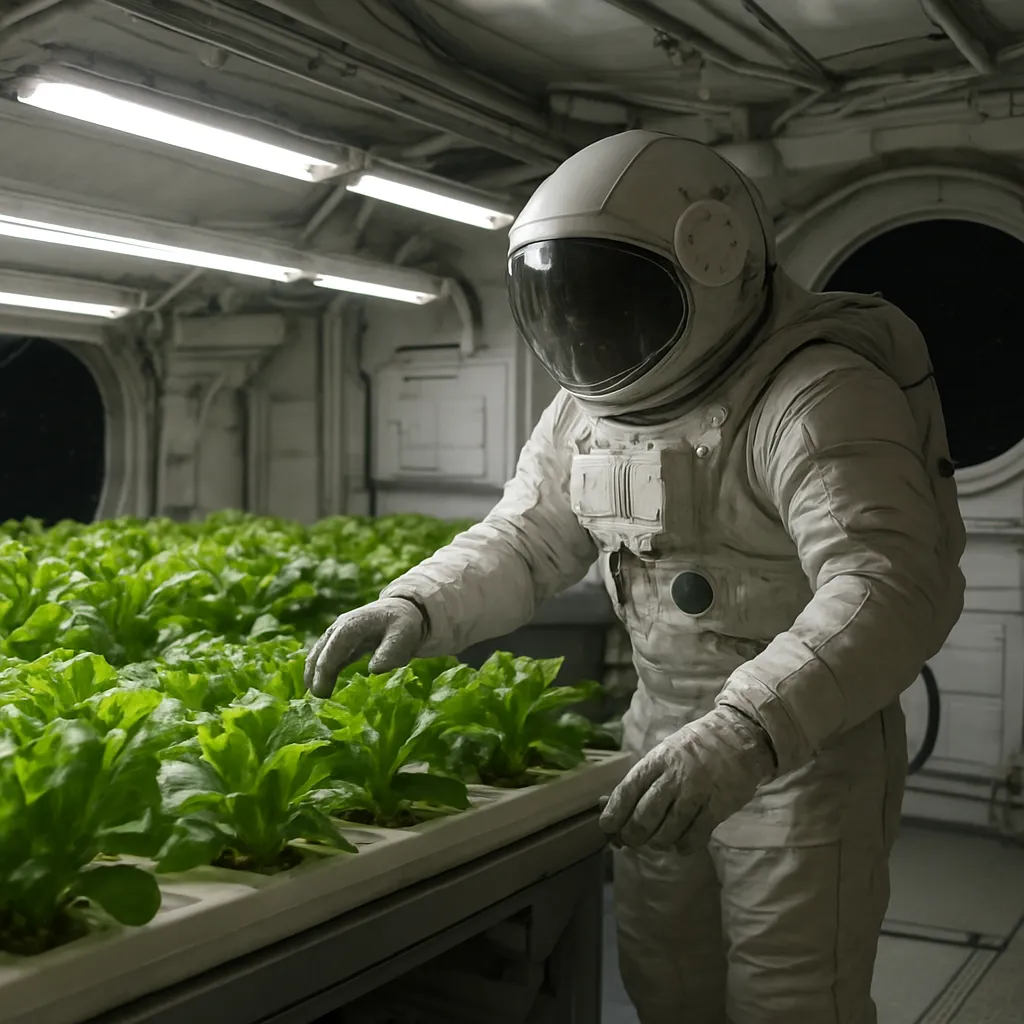
Advanced habitat designs incorporate vertical farming racks, LED lighting arrays and real-time telemetry to monitor crop performance. By situating **composting** and anaerobic digestion units adjacent to growth chambers, thermal energy from exothermic microbial reactions can preheat nutrient reservoirs, improving overall energy efficiency.
Outlook for Long-Duration Missions
As space agencies and private enterprises prepare for sustained presence on the Moon and Mars, the importance of self-sufficient agriculture cannot be overstated. Future research will focus on:
- Scaling bioreactors to handle increasing crew sizes.
- Enhancing fertilizer formulations with rare micronutrients found in planetary soils.
- Integrating AI-driven predictive maintenance for waste-processing equipment.
- Developing multi-purpose modules that switch between water recycling and nutrient recovery.
The union of **regolith** utilization, **hydroponics** innovation and advanced waste recycling paves the way for thriving plant ecosystems beyond Earth. By mastering these technologies, humanity can ensure a continuous supply of fresh produce, bolster crew health and unlock the full potential of extraterrestrial colonization.