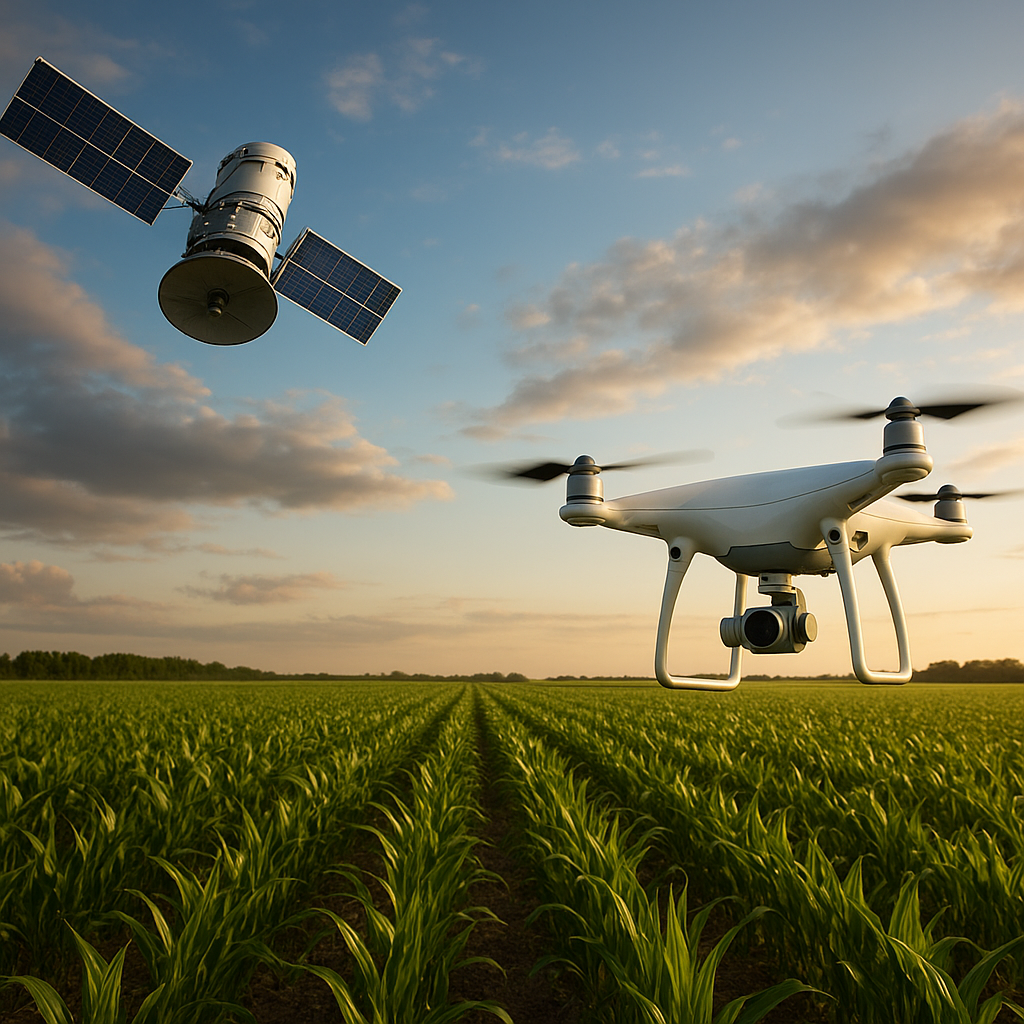
Revolutionizing Agriculture with Lessons from Space explores how breakthroughs developed for extraterrestrial environments are shaping the future of farming on Earth. By studying closed ecosystems, remote monitoring technologies, and resource-efficient cultivation, scientists are unlocking new strategies to tackle global food security, climate change, and sustainability challenges.
Embracing Microgravity-driven Crop Growth
Research on the International Space Station has revealed the profound impact of microgravity on plant physiology. In orbit, roots grow in all directions, and water distribution behaves differently, forcing botanists to develop novel watering systems and growth mediums. This has led to:
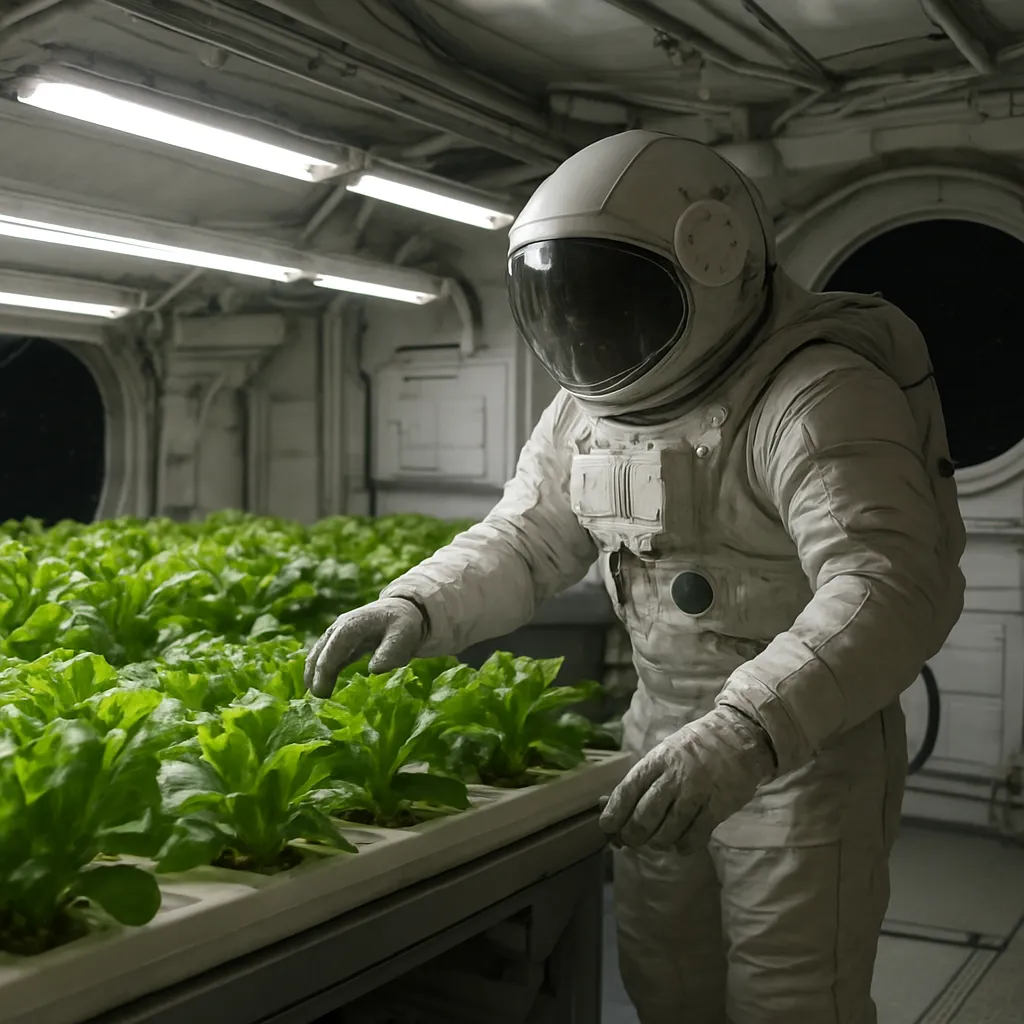
- Hydroponic chambers with precise nutrient delivery, inspired by space-based experiments.
- Automated pH and salinity control to mimic optimal root-zone conditions.
- Space laboratories testing genetic adaptations that boost plant vigor.
Such innovations translate directly to Earthly farms by enabling soilless cultivation in arid regions, slashing water usage by up to 90%. They also empower vertical farms, where stacked trays of leafy greens thrive under LED lights calibrated according to space-derived photosynthesis data.
Advanced Sensor Networks and Data Analytics
Space missions depend on real-time monitoring of every subsystem, from oxygen levels to fuel reserves. In agriculture, similar sensors and telemetry platforms deliver granular insights into field conditions:
- Soil moisture probes and drone-mounted multispectral cameras provide high-resolution maps of crop health.
- Satellite constellations relay weather forecasts and detect stress signals such as heatwaves or pest outbreaks.
- Machine learning algorithms process terabytes of data to recommend irrigation schedules and fertilizer doses with unmatched precision.
The result is a shift from calendar-based management to data-driven decision making, reducing chemical runoff and energy waste. Farmers can anticipate risks days in advance, creating resilient supply chains that mirror the redundancy standards of spacecraft design.
Bioregenerative Life Support Systems and Closed-loop Farming
On long-duration missions, resupplying food from Earth is impractical. Instead, astronauts rely on bioregenerative modules where plants recycle carbon dioxide and produce nutrients. Key elements include:
- Integrated aquaponics combining fish and plants, closing the nutrient loop.
- Algae-based oxygen generators that double as high-protein food sources.
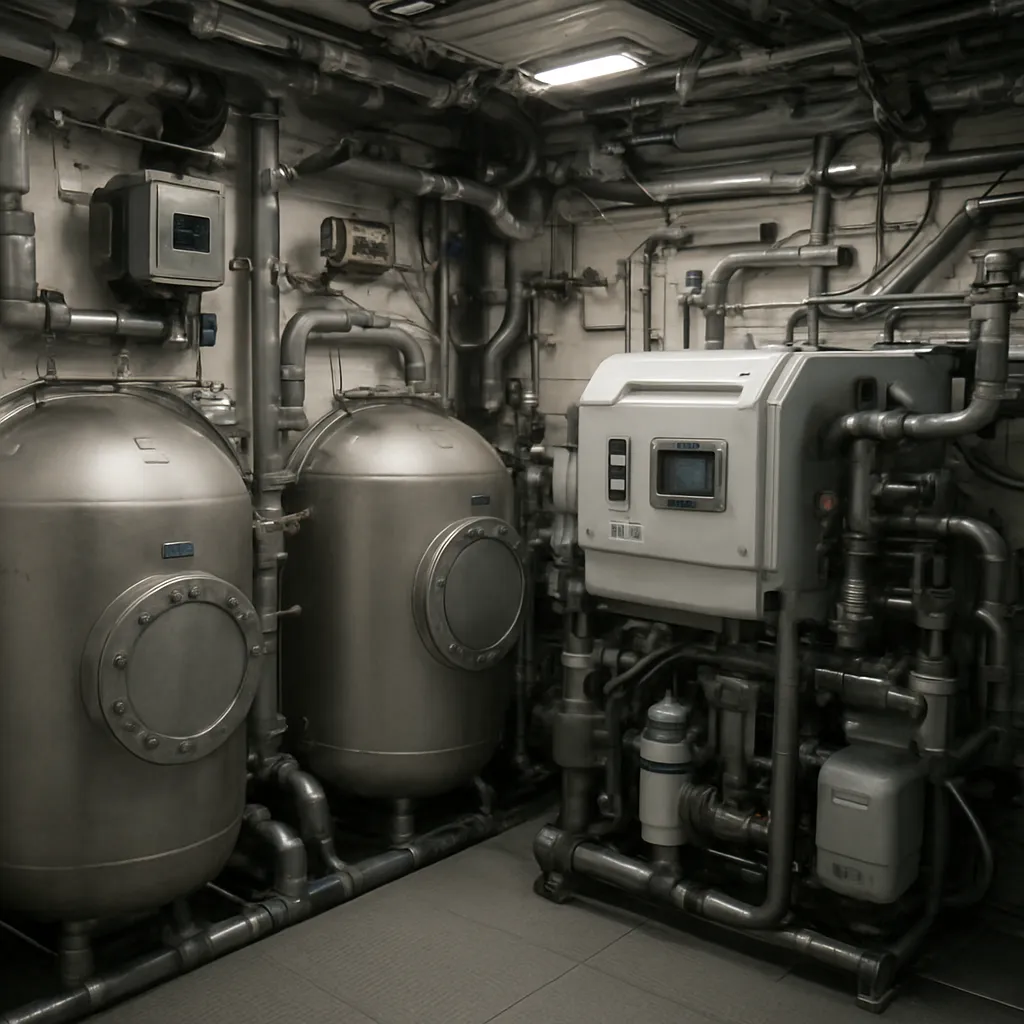
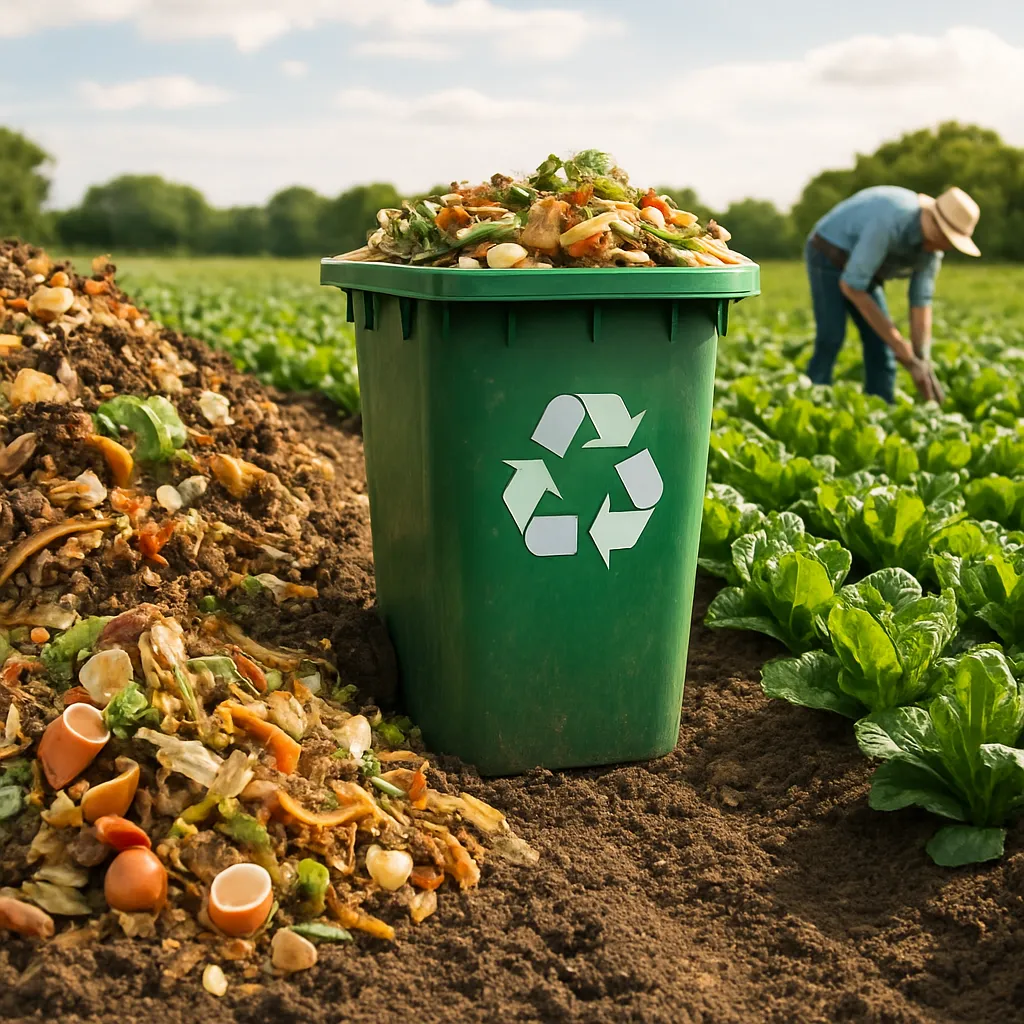
- Microbial bioreactors converting human waste into fertilizer without environmental contamination.
These closed-loop strategies inspire sustainability-focused farms on Earth, especially in locations with limited arable land. By mimicking spacecraft ecology, communities can achieve year-round cultivation, reduce import reliance, and minimize their ecosystem footprint.
Translating Space Technologies to Earthly Farms
Numerous technologies originally created for space exploration are finding pragmatic applications in agriculture:
- Robotic arms from rover prototypes adapted to pick delicate fruits and prune vines.
- Compact water recycling units developed for lunar habitats now employed in greenhouse irrigation.
- Radiation-hardened electronics ensuring uninterrupted operation of remote field nodes in harsh climates.
Plus, modular habitat designs used in Martian colony concepts are influencing greenhouse architecture, enabling rapid deployment of lightweight structures that withstand extreme weather. This cross-pollination accelerates farm scalability and enhances food production in emerging economies.
The Promise of Innovation and Resilience in Tomorrow’s Agriculture
As we push the boundaries of space travel, the lessons learned on orbit and beyond will continue to feed back into terrestrial farming. Future satellites equipped with hyperspectral imagers will detect plant diseases at the molecular level, while AI-driven growth chambers adapt lighting spectra on the fly. Emerging areas include:
- Genomic editing guided by radiation resistance studies from cosmic radiation experiments.
- 3D-printed soil matrices infused with slow-release nutrients, inspired by lightweight habitat materials.
- Energy-neutral farms powered by solar arrays designed for Martian dust tolerance.
By harnessing these tools, agriculture can become more scalable, more resource-efficient, and better able to endure the pressures of a growing population and changing climate. The synergy between space science and farming heralds a new era where every harvest benefits from the ingenuity that once vaulted humans beyond our planet.