Advancing agriculture beyond Earth’s confines requires a thorough approach to recreating extraterrestrial conditions. This article explores the intricate process of simulation aimed at understanding how greenhouses can thrive under Martian parameters, focusing on key technological breakthroughs, biological trials, and the integration of interdisciplinary research to achieve true in situ food production.
Understanding Martian Environment Challenges
The Red Planet presents a suite of environmental hurdles that must be overcome before crops can be cultivated successfully. Temperatures fluctuate between –125°C at the poles to a daytime high of about –20°C at the equator. The atmosphere is composed of roughly 95% carbon dioxide, with trace amounts of nitrogen and argon, and nearly zero oxygen or water vapor. Cosmic radiation levels are high due to the thin atmosphere and lack of a global magnetic field. Dust storms can envelop the entire planet, decreasing light availability and potentially impacting solar-powered systems.
Thermal and Pressure Extremes
Simulating Martian pressure at around 6 millibars challenges even the most robust containers. Thermal regulation must address rapid shifts in temperature. Research facilities on Earth employ vacuum chambers and cooled walls to mimic Martian night cycles, while resisting material fatigue over repeated thermal cycles. Successful trials require integrating active heating systems with highly insulated structures, ensuring internal temperatures stay within the range of 10–25°C suitable for plant growth.
Radiation and Light Management
Martian ultraviolet (UV) radiation is approximately 1.5 times higher than on Earth’s surface. To counteract damage to DNA and cellular structures, greenhouse skins incorporate UV-transmitting yet filtering materials, sometimes augmented by coatings of polyethylene or other polymers embedded with nanoparticles. LED arrays tuned to the specific wavelengths needed for optimized photosynthesis can supplement diffused sunlight, ensuring plants receive both blue light for leaf development and red light for flowering.
Soil and Regolith Constraints
- Regolith analogs are created from volcanic deposits or crushed basalt to mimic Martian dust. This medium lacks organic matter and has a high salt content.
- pH-balancing and desalination processes are tested to reduce perchlorate levels, which are toxic to plants but prevalent on Mars.
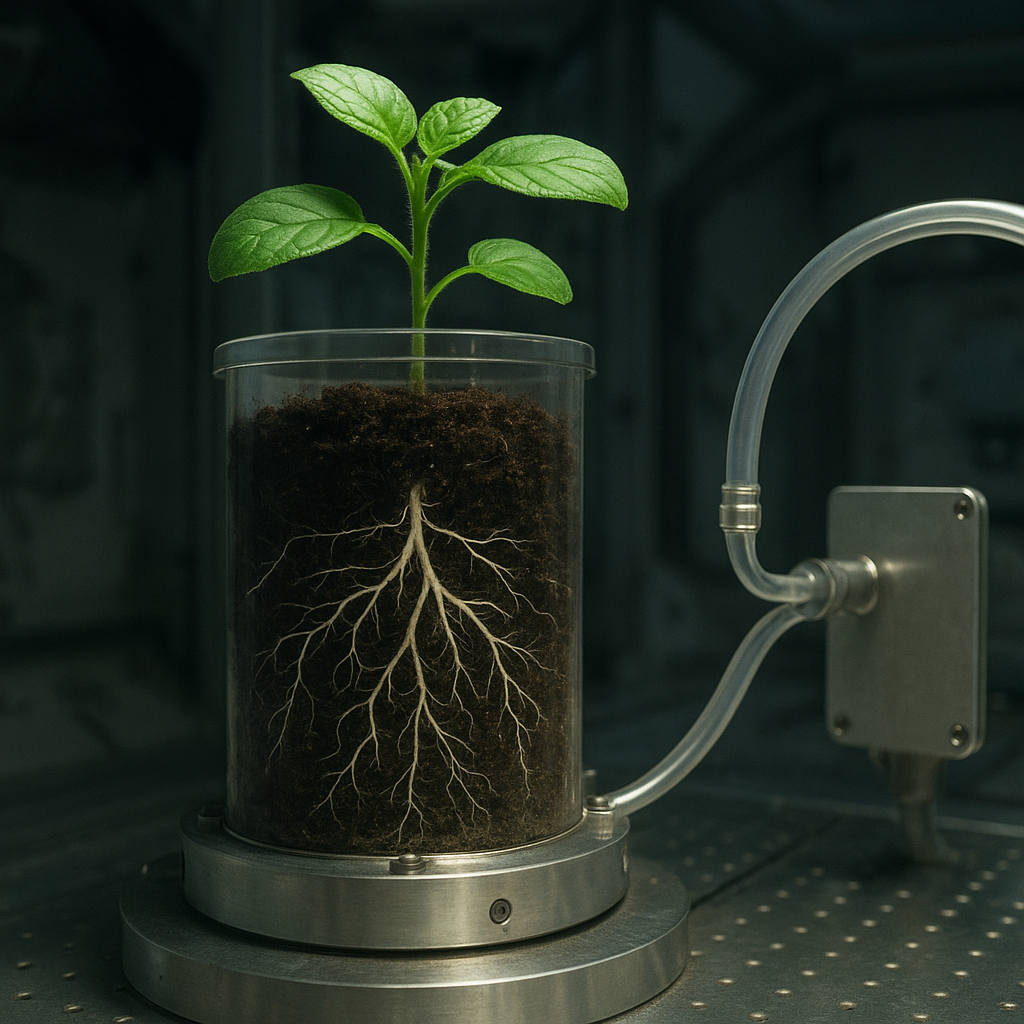
- Bioaugmentation strategies introduce beneficial microorganisms, such as nitrogen-fixing bacteria and mycorrhizal fungi, to improve nutrient cycling.
Engineering Terrestrial Simulators for Mars Agriculture
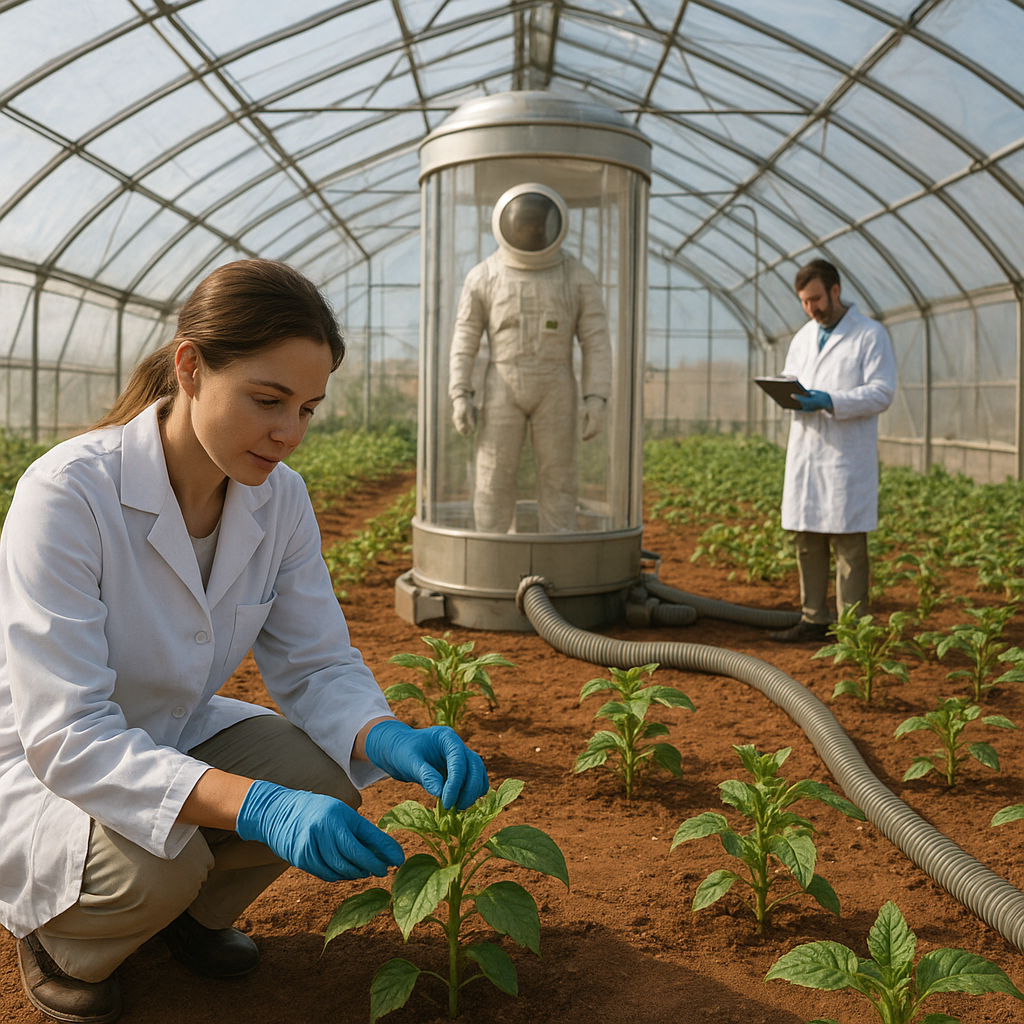
Creating functional Earth-based analogues is pivotal for refining greenhouse designs before any Martian deployment. Large-scale simulation facilities replicate planetary conditions by combining environmental control with advanced monitoring systems. These testbeds often integrate robotics, sensor networks, and modular growth chambers to assess both hardware resilience and crop performance under extended durations.
Modular Growth Chambers
Modular units facilitate parallel experiments, allowing researchers to vary parameters such as CO₂ concentration, humidity, and nutrient delivery. Each chamber contains hydroponic or aeroponic installations with precise dosing systems. Continuous data streams from temperature, humidity, gas composition, and light sensors feed into machine-learning algorithms, which adjust climate controls in real time, maximizing resource efficiency and ensuring optimal conditions for plant development.
Resource Recycling and Life Support Integration
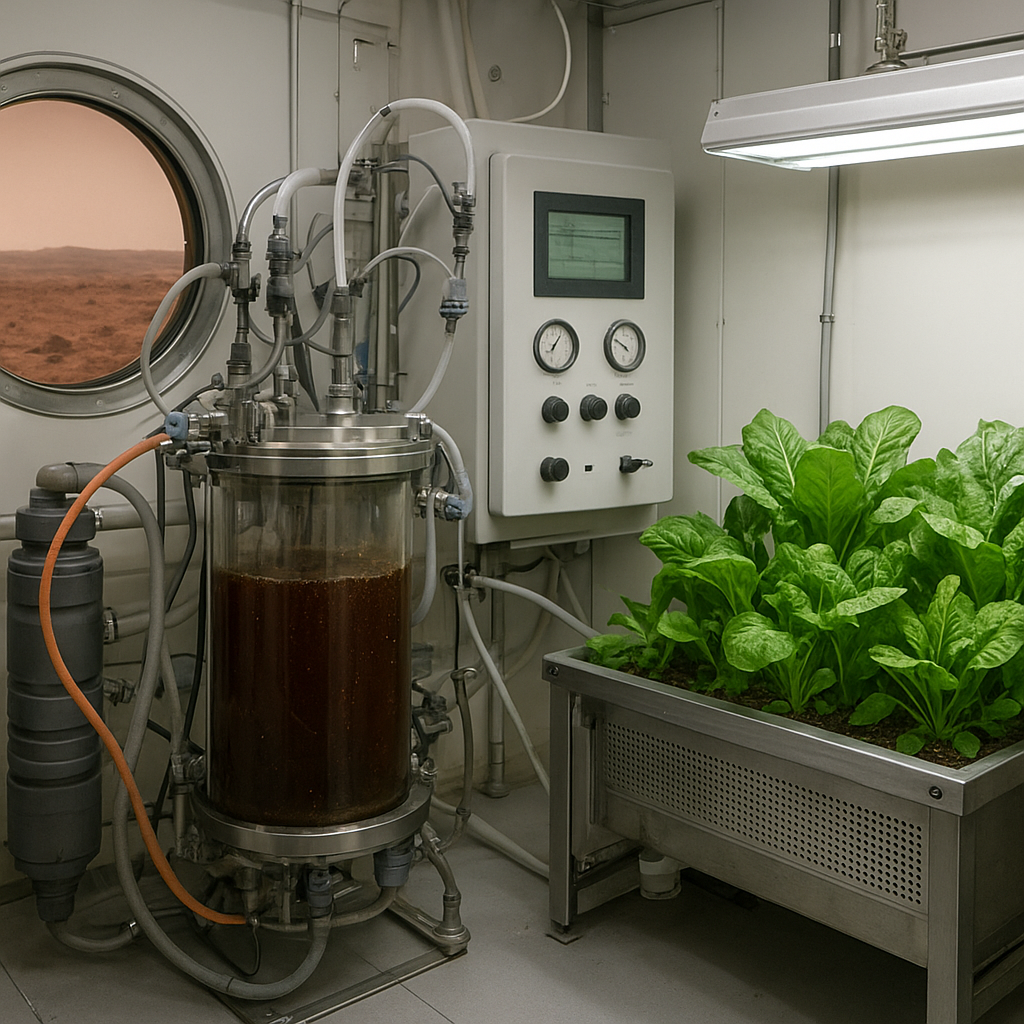
Closed-loop systems aim to recover water from plant transpiration, human waste, and condensation on greenhouse walls. Advanced water recyclers employ membrane distillation and reverse osmosis to purify greywater for reuse. In parallel, waste-processing bioreactors break down organic matter, yielding nutrient-rich effluent that can be redirected to hydroponic reservoirs. Carbon dioxide exhaled by crew members feeds directly into plant canopies, enhancing photosynthetic rates and contributing to a self-sustaining habitat.
Energy Management
Solar arrays supplement energy demands, but dust accumulation and lower solar irradiance require robust storage solutions. Regenerative fuel cells and high-capacity batteries store excess energy during peak generation periods. Smart grid systems prioritize power allocation between lighting, heating, water processing, and fans, ensuring that critical life support remains uninterrupted during peak dust storm simulations.
Crop Trials and Biological Adaptations
Not all crops cultivated on Earth perform equally well under Martian conditions. Scientists are screening diverse species for traits such as low water requirements, rapid growth cycles, and resistance to abiotic stress. Genetic and epigenetic approaches are used to enhance desired characteristics, while classical breeding techniques focus on selecting robust strains.
Hydroponics versus Soil-Based Systems
Hydroponics offers precise nutrient control and minimal substrate weight, making it an attractive option for space missions. Nutrient film technique (NFT) and deep water culture (DWC) have both shown promise for lettuce, spinach, and herbs. Conversely, soil-based analogs enriched with composted organic matter provide a platform to study root–microbe interactions and long-term soil health restitution, critical for sustainability over multi-year missions.
Genetic Engineering for Resilience
CRISPR and other gene-editing tools enable targeted modifications to crops, improving tolerance to high-salinity soils or low-light conditions. For example, research teams have introduced genes that enhance antioxidant production, protecting plants from oxidative stress induced by cosmic radiation. Other efforts focus on elevating water-use efficiency by adjusting stomatal density, reducing transpiration without compromising gas exchange.
Microbial Partnerships
- Symbiotic bacteria can convert atmospheric nitrogen into bioavailable forms, decreasing fertilizer requirements.
- Mycorrhizal fungi establish networks that facilitate phosphorus uptake from mineral substrates.
- Research into plant growth-promoting rhizobacteria (PGPR) highlights the potential for increasing root biomass and disease resistance.
Future Directions in Extraterrestrial Farming Research
As preparation for crewed missions to Mars accelerates, the next decade of research will expand upon current simulation platforms and integrate new technologies. Leveraging advances in artificial intelligence, materials science, and synthetic biology, scientists aim to develop fully autonomous agricultural modules capable of functioning with minimal human intervention.
Artificial Intelligence and Automation
Machine-learning models are being trained on vast datasets collected from Earth analog sites to predict system failures, optimize growth parameters, and schedule maintenance tasks. Robotic arms equipped with vision systems perform sowing, pruning, and harvesting operations, freeing crew members to focus on critical exploration activities. Decision-support tools synthesize environmental data, crop status, and life support metrics into intuitive dashboards, guiding resource allocation.
Novel Material Innovations
Next-generation greenhouse panels will incorporate self-healing polymers and variable-opacity windows that adapt to changing light conditions. 3D-printed habitat structures embedded with bioreceptive surfaces may allow for microbial colonization, enhancing waste processing and insulation. Nanocoatings that repel dust can maintain solar panel efficiency and keep translucent surfaces clear.
Synthetic Biology and Designer Ecosystems
Researchers are designing microbial consortia that perform complementary functions: methane-oxidizing bacteria to convert any residual environmental contaminants, algae that produce edible biomass while generating oxygen, and engineered yeasts capable of synthesizing vitamins and bioplastics directly from captured CO₂. These living systems operate as micro-ecosystems within controlled environments, offering scalable solutions for long-duration missions.
International Collaboration and Testbed Networks
- Distributed simulation sites, from desert research stations to polar outposts, contribute unique data on stress tolerance and resource cycling.
- Open-access platforms share experimental protocols, environmental datasets, and genetic resources, accelerating global innovation.
- Joint missions between space agencies, universities, and private enterprises foster multidisciplinary teams capable of tackling the complex challenges of Martian agriculture.