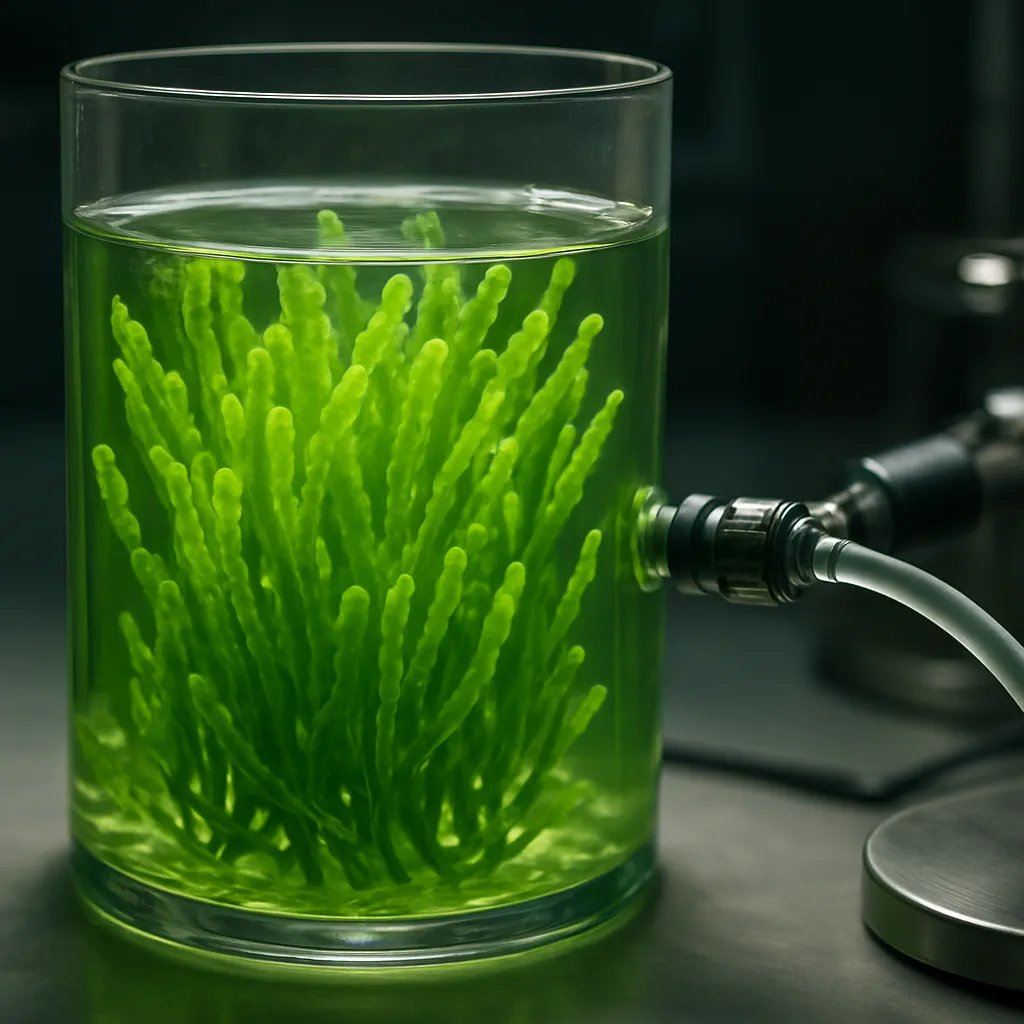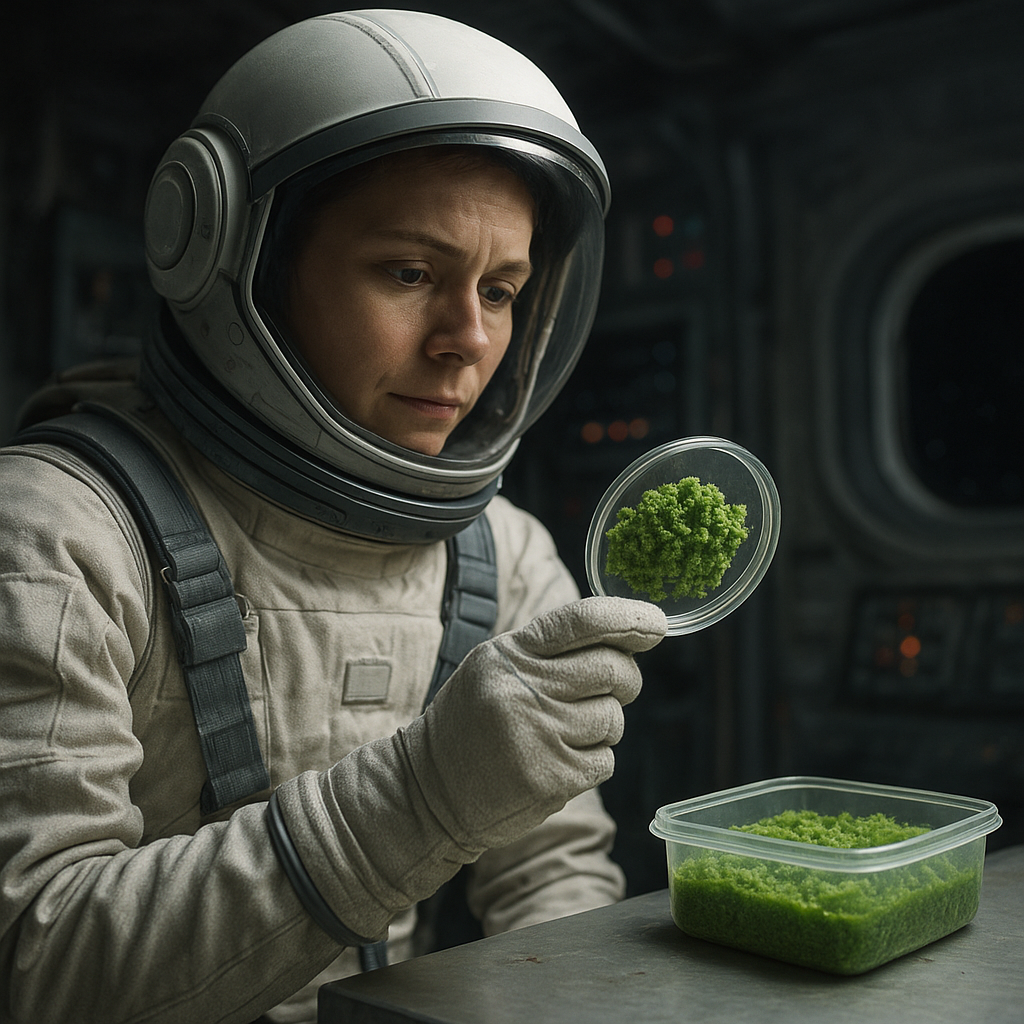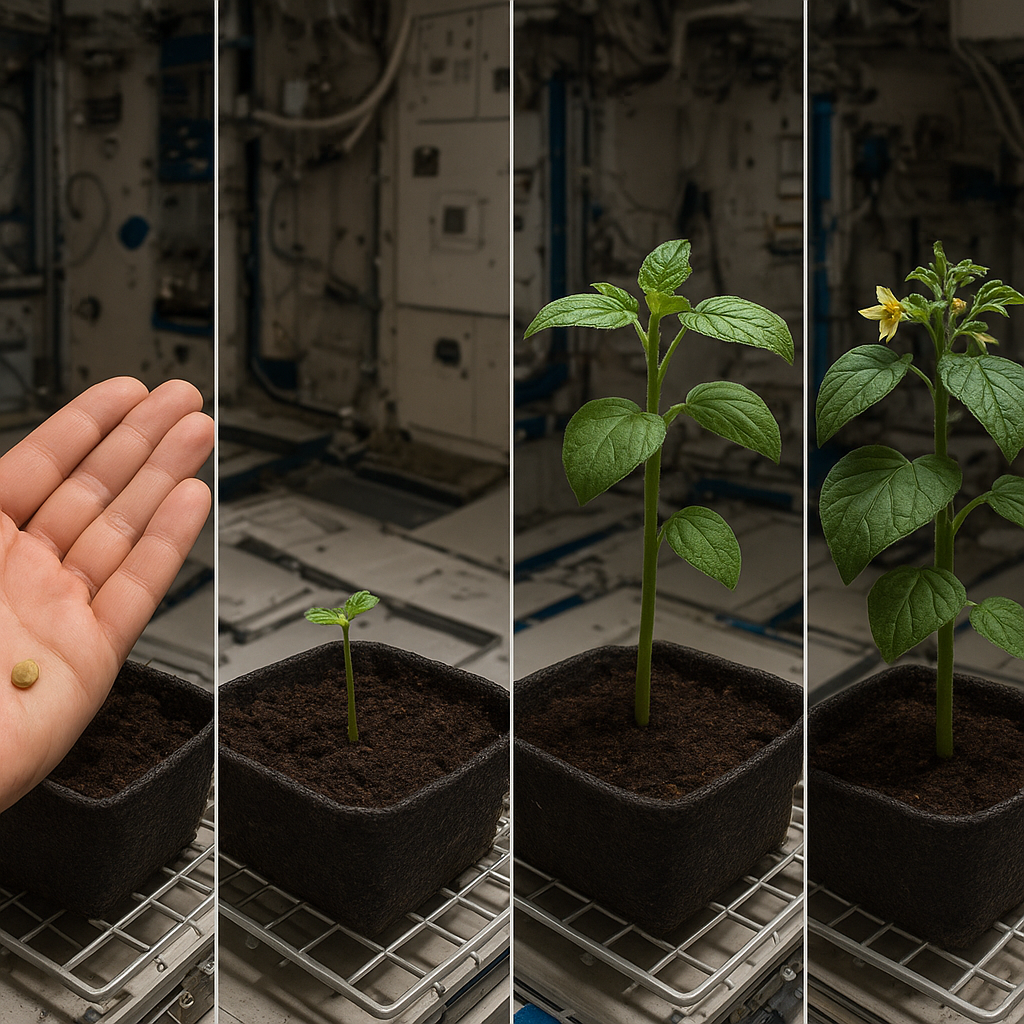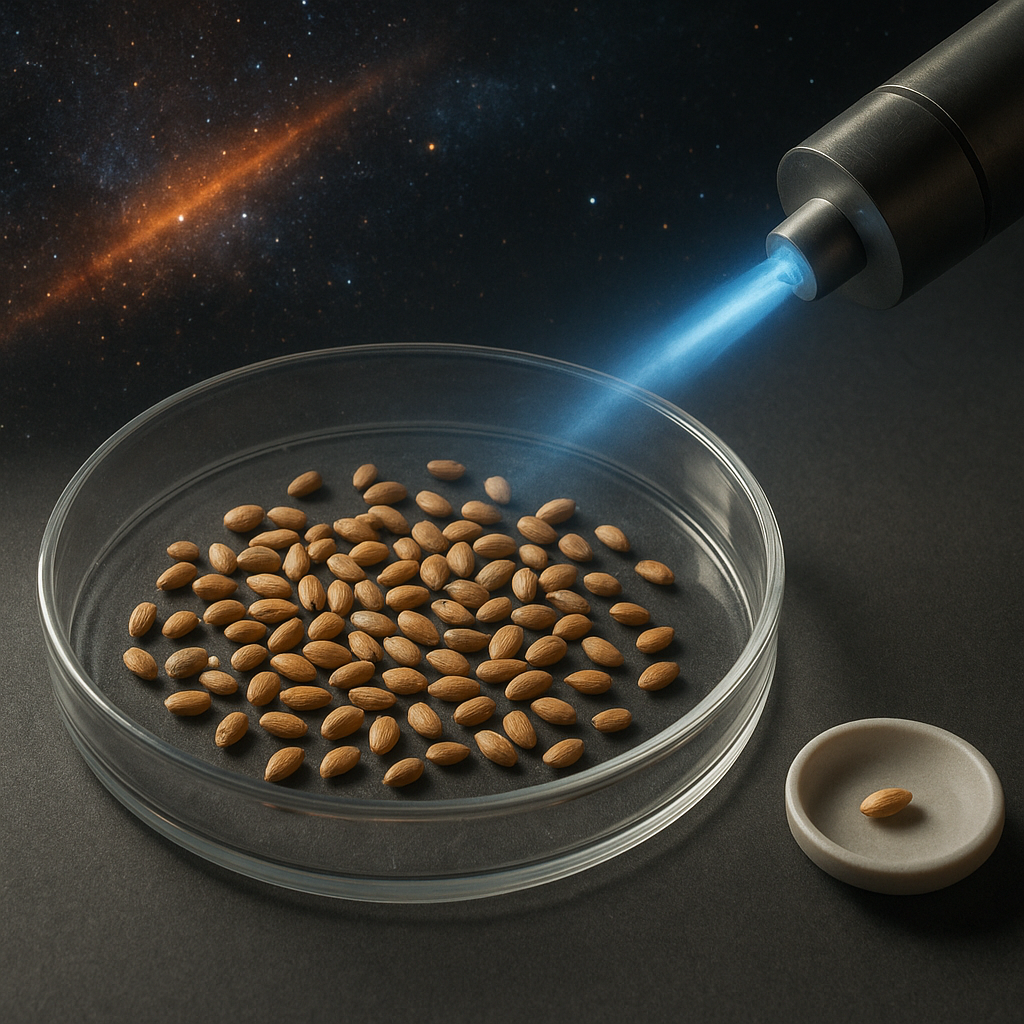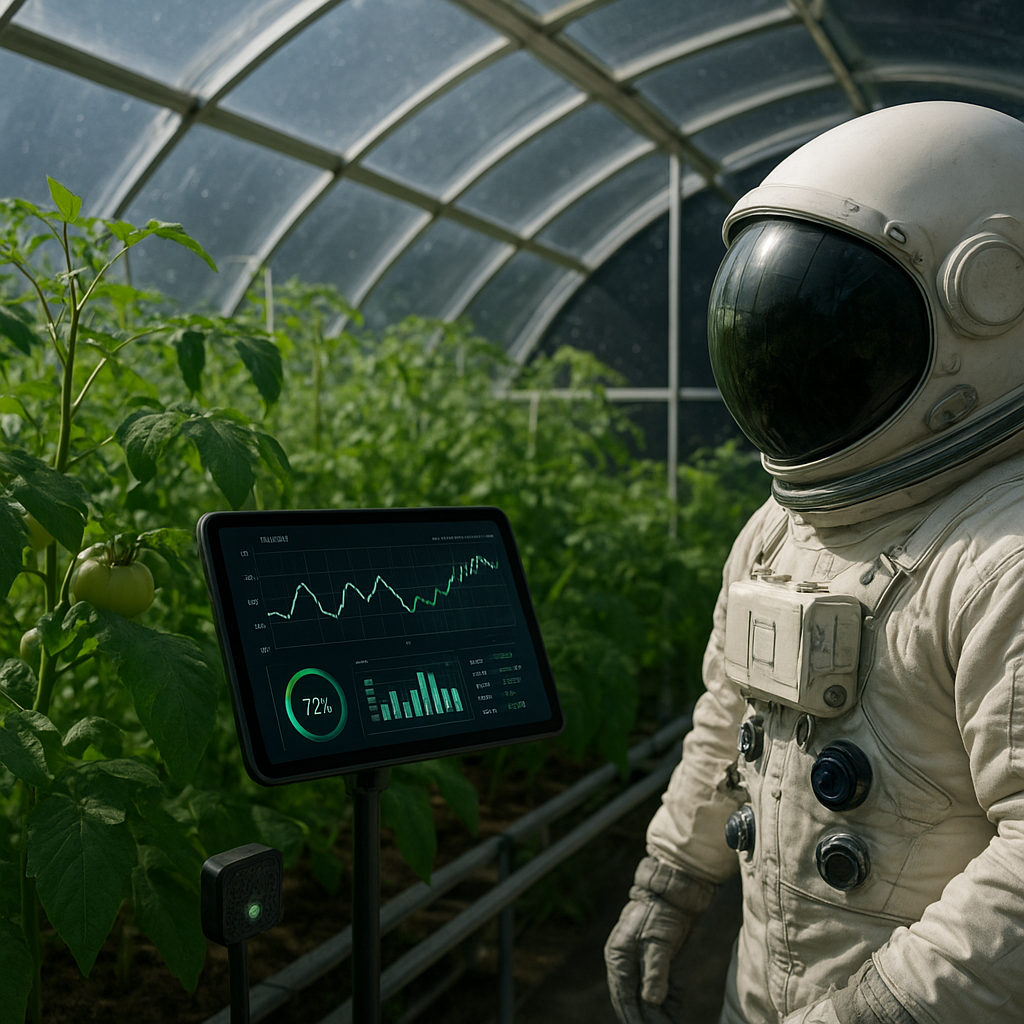
The advancement of space exploration has ushered in a new era for agriculture beyond Earth’s atmosphere. As astronauts prepare for long-duration missions to the Moon, Mars, and beyond, the concept of cultivating crops in orbit or on extraterrestrial surfaces becomes increasingly critical. Smart sensors and real-time data systems form the backbone of these space greenhouses, enabling precise control over environmental conditions, resource utilization, and plant health monitoring. This article delves into the latest innovations, challenges, and future directions in space-based agriculture, focusing on how integrated sensor networks and advanced data analytics drive sustainable crop production in microgravity environments.
Sensor Technologies in Microgravity Environments
Operating a greenhouse in microgravity presents unique engineering and biological challenges. Traditional farming relies on gravity for root anchoring, fluid distribution, and air circulation—conditions that do not apply in orbit. To address these issues, researchers have developed specialized sensor modules and growth systems designed to function effectively in reduced-gravity settings.
Environmental Control Modules
- Temperature and Humidity Sensors: High-precision thermistors and capacitive humidity detectors maintain optimal ranges for photosynthesis and transpiration.
- CO₂ and O₂ Monitors: Infrared gas analyzers provide continuous readings of carbon dioxide and oxygen levels essential for photosynthetic efficiency.
- Radiation Dosimeters: Solid-state detectors measure ionizing radiation to assess risks to plant tissue and ensure radiation shielding is adequate.
By integrating multiple sensing elements into compact sensor arrays, space greenhouses can dynamically adjust heating, ventilation, and gas exchange systems. These modules must be robust against vibration and radiation, as well as energy-efficient to align with strict power budgets on spacecraft.
Optical and Spectral Monitoring
- Multispectral Cameras: Capture plant reflectance at various wavelengths (red, blue, near-infrared) to assess chlorophyll content and stress indicators.
- Leaf Chlorophyll Fluorescence Sensors: Evaluate quantum yield and photosystem performance under different lighting regimes.
- 3D Imaging Systems: Use structured light or stereo vision to measure biomass accumulation and canopy structure without direct contact.
Real-time optical data allow automated feedback loops to adjust LED lighting spectra, photoperiod, and light intensity. Such adaptability optimizes energy sustainability and promotes uniform growth across the crop canopy.
Real-Time Data Acquisition and Transmission
Continuous monitoring of space greenhouse parameters generates vast quantities of data. Efficient collection, processing, and transmission capabilities are vital to support timely decision-making both onboard and on Earth. The design of data systems must balance throughput, latency, and reliability.
Onboard Data Processing
To reduce communication overhead, preliminary data filtering and aggregation occur locally within the spacecraft’s computational units. Edge computing architectures, often built on radiation-hardened microcontrollers or FPGAs, execute machine learning algorithms that detect anomalies, predict automation control adjustments, and prioritize essential telemetry for downlink.
- Anomaly Detection: Unsupervised learning models flag deviations in temperature, humidity, or nutrient flow.
- Predictive Analytics: Time-series forecasting algorithms estimate future environmental trends, enabling proactive system tuning.
- Data Compression: Lossless or near-lossless compression techniques reduce bandwidth requirements for transmitting high-resolution imagery and sensor logs.
Space-Earth Communication Links
Spacecraft rely on radio frequency (RF) or laser-based optical communication channels to relay greenhouse status to mission control. Key considerations include:
- Bandwidth Allocation: Ensuring sufficient capacity for high-priority telemetry while accommodating other mission-critical data streams.
- Latency Management: Balancing data packet sizes and transmission schedules to optimize the flow of real-time updates.
- Redundancy Protocols: Implementing error-correction codes and packet re-transmission strategies to counteract signal loss or interference.
The integration of real-time feedback loops between onboard controllers and Earth-based analysts supports adaptive resource management, helping to conserve water, nutrients, and power.
Integration of AI and Advanced Analytics
With diverse sensor inputs streaming from environmental, spectral, and physiological monitors, artificial intelligence (AI) emerges as a transformative tool. AI-driven platforms harness analytics to orchestrate complex control strategies tailored to the unique dynamics of space farming.
Digital Twin Modeling
Digital twins replicate the physical greenhouse environment in silico, enabling simulation of plant growth responses under varying conditions. By comparing real-world sensor outputs with virtual models, AI systems can:
- Calibrate control parameters for lighting, irrigation, and nutrient delivery.
- Perform what-if analyses to anticipate failure modes or resource bottlenecks.
- Optimize harvest timing to maximize yield and nutritional value.
Autonomous Decision-Making
In scenarios where communication delays may exceed several minutes or hours—such as Mars missions—fully autonomous systems become essential. AI agents leverage reinforcement learning to:
- Adjust root-zone moisture and aeration without human intervention.
- Monitor plant stress through spectral signatures and deploy targeted countermeasures (e.g., modifying light spectrum or nutrient ratios).
- Coordinate with other subsystems, including waste recycling and atmospheric control, for closed-loop integration of life-support functions.
Applications and Future Prospects
The technologies piloted in low Earth orbit (LEO) are paving the way for agricultural outposts on the lunar surface and Martian colonies. Insights gained from space greenhouse experiments will also drive innovation in terrestrial vertical farming, remote-area agriculture, and disaster-relief food production systems.
Transferring Space Lessons to Earth
- Resource Efficiency: Precision irrigation and nutrient dosing techniques reduce water consumption, benefiting arid regions.
- Climate Adaptation: Closed-environment greenhouses equipped with resilient sensors can maintain consistent yields despite external weather volatility.
- Urban Farming: Compact, modular sensor-actuated growth chambers enable high-density production in city environments.
Next-Generation Missions
Future spacecraft and habitats will host increasingly autonomous greenhouse modules, marrying robotics, sensor networks, and synthetic biology. Among the most promising developments are:
- Bioengineered Crops: Plants tailored to thrive under specific spectral or nutrient regimes monitored by specialized sensors.
- Swarm Robotics: Teams of mobile robots equipped with multisensory suites that perform planting, pruning, and harvesting tasks.
- Distributed Networks: Interconnected greenhouses across multiple habitats share sensor data and control algorithms to enhance overall sustainability and resilience.
As humanity extends its reach into deep space, the marriage of cutting-edge automation, advanced analytics, and robust sensor systems will propel space agriculture from experimental prototypes to reliable food-production platforms. The journey toward self-sustaining off-world colonies relies on our ability to harness data-driven insights, manage resources intelligently, and continuously refine the delicate art of farming beyond Earth’s gravitational embrace.