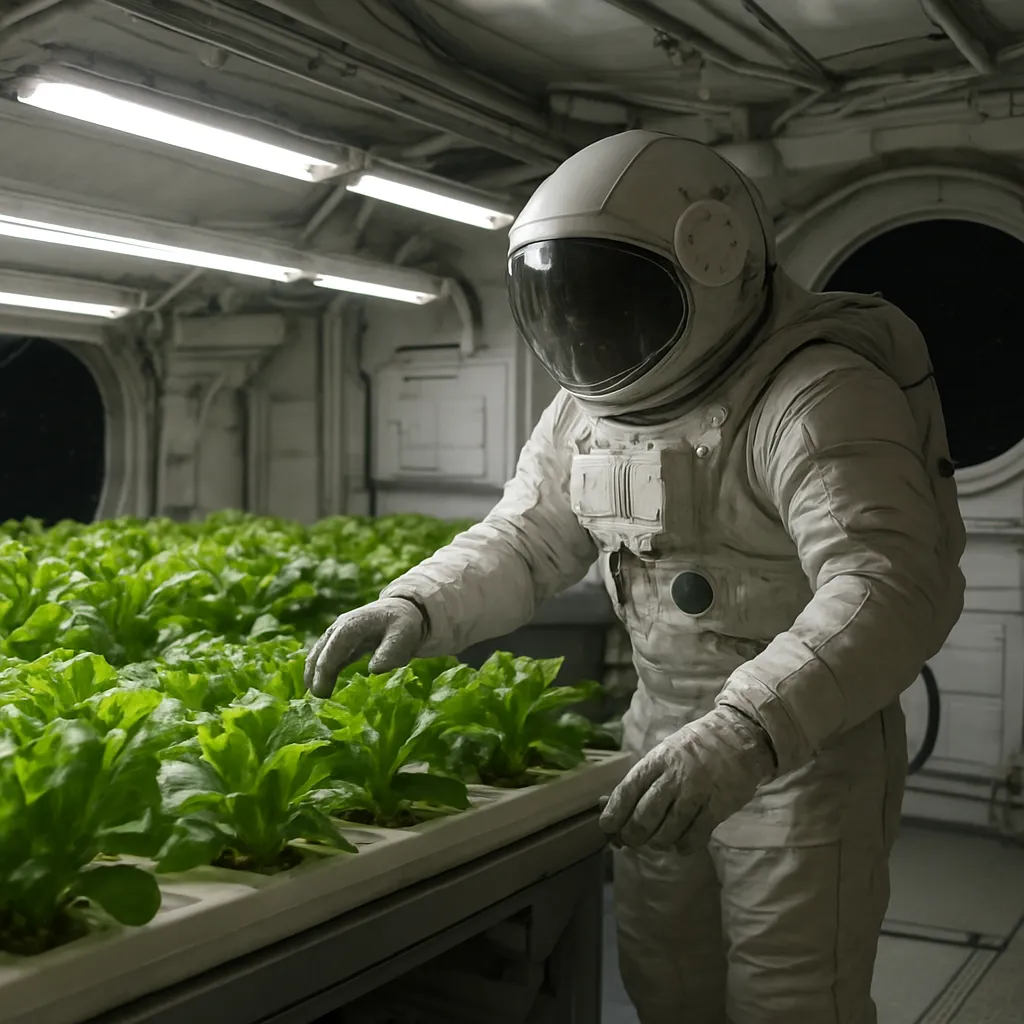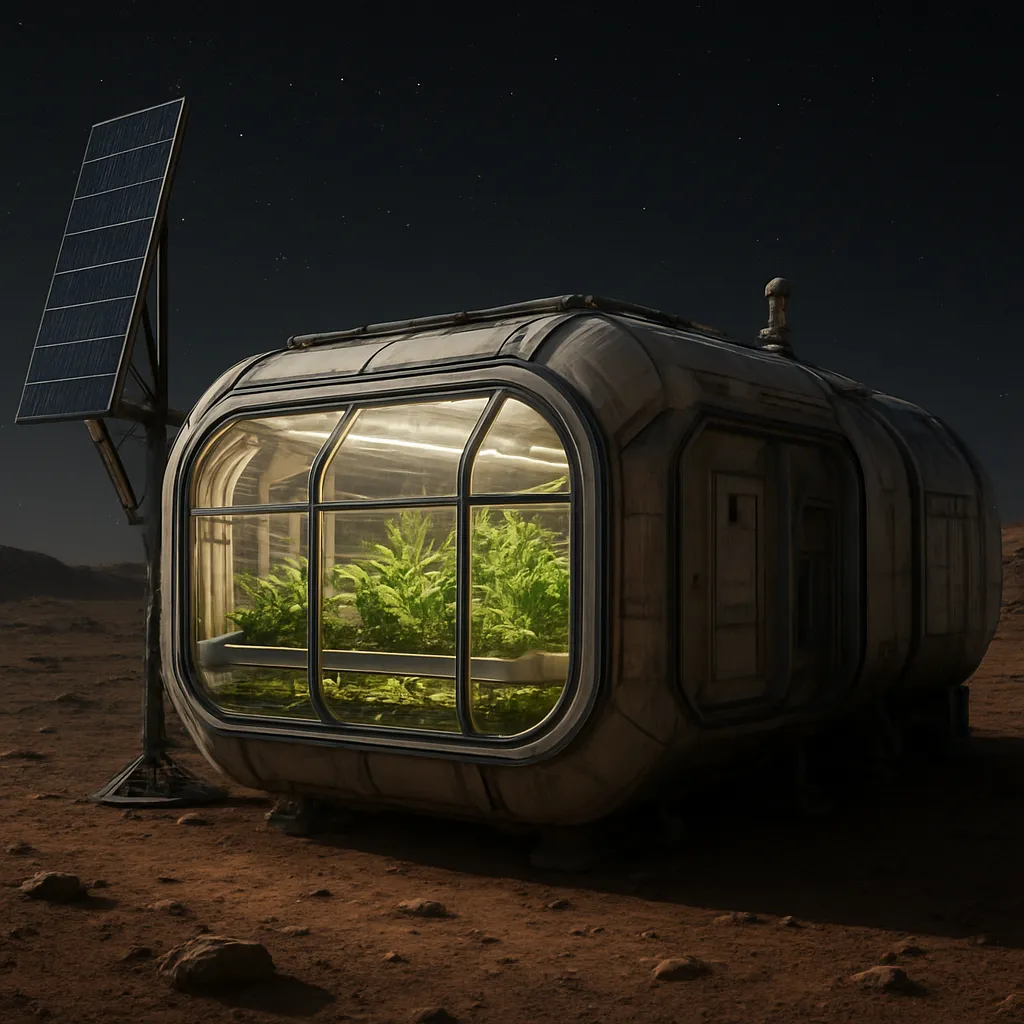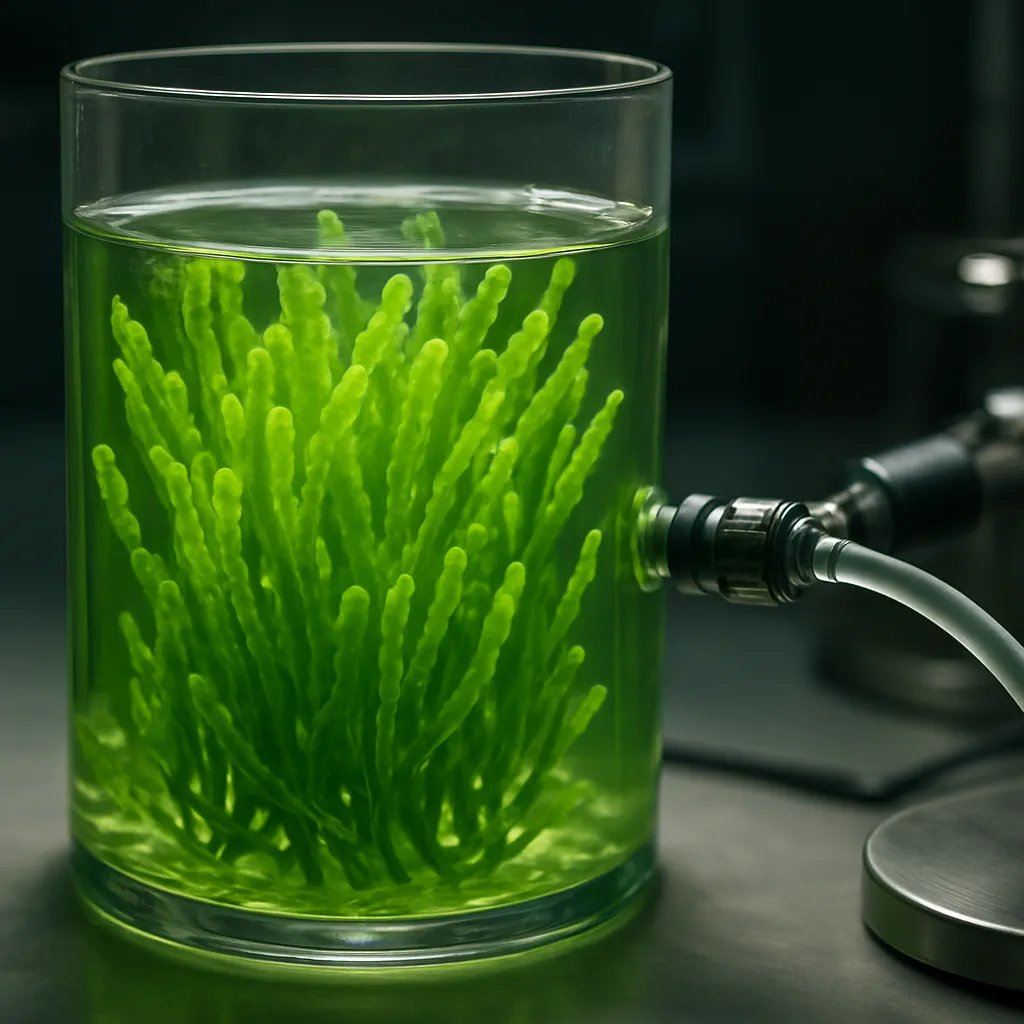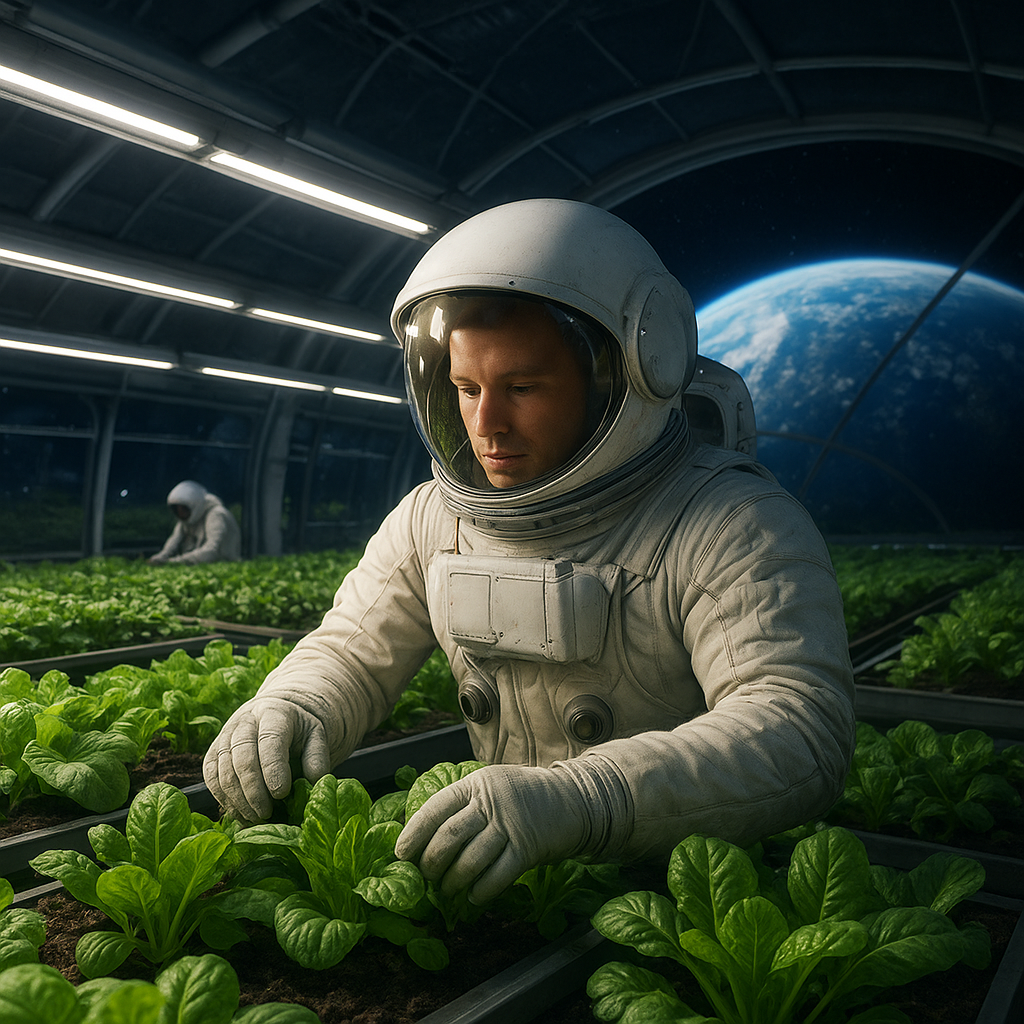
Space agriculture has transcended its original purpose of sustaining astronauts on long-duration missions, evolving into a fertile ground for pioneering solutions that can revolutionize farming practices on Earth. By examining the methodologies devised for extraterrestrial cultivation, researchers are uncovering pathways to address critical issues such as water scarcity, nutrient management, and carbon emissions. This article delves into the core challenges of growing food beyond our planet, explores the **innovations** shaping terrestrial agriculture, and charts a course for a future where Earth’s food systems benefit from the lessons learned in orbit and beyond.
Challenges of Farming in Space Environments
Establishing a viable **agriculture** system in the vacuum of space or on planetary surfaces such as the Moon and Mars demands overcoming a series of complex obstacles. The absence of gravity, heightened levels of cosmic radiation, and the need for absolute **resource** efficiency force researchers to reimagine every aspect of cultivation. Each solution tailored for off-world planting offers rich insights that can be adapted to enhance sustainability on Earth.
Microgravity and Plant Physiology
Under **microgravity**, plant roots no longer orient toward the Earth’s gravitational pull, complicating nutrient uptake and water distribution. Experiments on the International Space Station (ISS) have revealed that certain species adapt better by modifying their root architecture and hormone signaling pathways. Understanding these physiological responses helps scientists breed Earth crops that are more tolerant to stress and suboptimal growing conditions.
Radiation Shielding and Crop Protection
Unshielded space environments bombard crops with ionizing radiation that can mutate DNA and impair growth. Innovative habitat designs incorporate layers of regolith or specialized polymers to attenuate harmful rays. These frontiers in **closed-loop** shielding pave the way for novel greenhouse materials on Earth, capable of filtering UV radiation while maximizing light transmission, thereby improving crop yields in harsh climates.
Resource Constraints and System Integration
- Water Recovery: Advanced life support systems reclaim up to 90% of wastewater, including plant transpiration and greywater from crew activities.
- Nutrient Recycling: Solid and liquid wastes are processed into fertilizer streams through microbial bioreactors, closing the nutrient cycle.
- Energy Management: Photovoltaic arrays combined with energy storage ensure continuous power for lighting and climate control.
These integrated modules exemplify **efficiency** at every turn, offering scalable models for water- and energy-stressed farming regions on Earth.
Innovations Driving Sustainable Practices on Earth
Spaceflight-driven breakthroughs are migrating from orbital labs to commercial farms across the globe. Techniques like **hydroponics**, aeroponics, and photobioreactor cultivation reduce dependency on arable land and precious freshwater resources. By adopting these systems, agricultural stakeholders are minimizing the ecological footprint of food production.
Vertical Farming and Urban Integration
Vertical farms, often housed within repurposed warehouses, leverage stacked growth racks under optimized LED spectra. This **innovation** yields substantial increases in output per square meter while slashing water use by up to 95% compared to traditional fields. Cities can thus reclaim food sovereignty by situating production near consumers, reducing logistical emissions and enhancing **resilience** against supply chain disruptions.
Automated Monitoring and AI Optimization
Space missions rely on autonomous sensors and machine learning to detect and correct deviations in plant health. On Earth, similar platforms now track pH, nutrient levels, and microclimate conditions in real time. Predictive analytics guide farmers to apply fertilizers and adjust lighting only when necessary, fostering both **sustainable** yields and cost savings.
Bioregenerative Life Support and Soil Health
- Microbial Consortia: Beneficial bacteria and fungi partner with crops to enhance nutrient uptake and suppress pathogens, reflecting bioreactors conceived for Martian greenhouses.
- Biochar Integration: Space research into lightweight, carbon-rich substrates is informing soil amendment strategies that bolster **biodiversity** and sequester carbon.
- Closed-Loop Organic Matter: Plant residues are converted into vermicompost, completing the nutrient cycle without synthetic inputs.
Achieving Resilience through Controlled Environment Agriculture
Controlled Environment Agriculture (CEA) systems, once exclusive to microgravity experiments, are increasingly recognized as vital to global food security. By isolating crops from external weather extremes and pests, these facilities guarantee year-round production and consistent quality, mitigating the unpredictability posed by climate change.
Climate Control and Carbon Footprint
CEA units harness renewable energy sources—solar arrays, wind turbines, and geothermal loops—to power heating, cooling, and lighting infrastructures. The result is a drastic cut in greenhouse gas emissions compared to soil-based farming. Furthermore, capturing CO₂ from industrial processes for use in plant photosynthesis demonstrates a circular approach to carbon management inspired by closed-system habitats in space.
Scalable Modular Farms
Modularity is a hallmark of space station design, enabling crews to expand or reconfigure habitat segments as needed. Terrestrial farms are adopting containerized growth modules that can be assembled rapidly on any terrain, offering rapid deployment in disaster zones or remote communities. Such **resilience** ensures food availability despite infrastructural challenges.
Education and Workforce Development
International space agencies have established educational initiatives to train specialists in astrobotany and life support engineering. These programs are now extending to civilian sectors, creating a new generation of agritech professionals versed in precise resource stewardship. Partnerships between universities, private enterprises, and government bodies accelerate the transfer of space-derived techniques into mainstream agriculture.
Looking Ahead at Earth’s Agricultural Evolution
The interdisciplinary collaboration fueled by space agriculture research heralds a paradigm shift for how humanity cultivates its food. Emerging frontiers such as synthetic biology, 3D-printed growth vessels, and AI-driven ecosystem modeling promise to further refine the balance between productivity and environmental harmony. As missions to Mars and beyond equip crews with robust food systems, Earth stands to gain from the **closed-loop** philosophies and **innovation** pipelines forged among the stars.
By internalizing the **efficiency**, **sustainability**, and **resilience** demanded by space exploration, terrestrial agriculture can evolve into a more adaptable and resource-conscious enterprise. The journey from orbiting farms to valley fields charts a course toward a healthier planet and a more secure food future for all.