Space exploration is rapidly evolving from short orbital visits to ambitious missions targeting Mars, asteroids, and beyond. As travel durations extend, ensuring reliable access to fresh, nutritious food becomes critical for crew health and mission success. Space-based agriculture offers a pathway toward sustainable life support systems, moving beyond resupply from Earth to self-sufficient, closed-loop habitats. This article explores the driving forces, cutting-edge technologies, challenges, and future directions of cultivating crops in the harsh environment of deep space.
Importance of Space-Based Agriculture
Long-duration missions expose astronauts to unique physiological and psychological stresses. Fresh produce delivers essential vitamins, minerals, and >phytonutrients that cannot be fully replicated by processed rations. Incorporating plant cultivation into spacecraft design enhances crew morale, provides sensory stimulation, and supports waste recycling. By integrating plant growth modules, missions achieve:
- Enhanced nutrient diversity through leafy greens, herbs, and fruit-bearing plants.
- Improved mental health via connection to living organisms and visible growth cycles.
- Efficient nutrient cycling by converting carbon dioxide into oxygen and biomass.
Developing robust agricultural systems in space is pivotal for realizing long-term human presence on Mars and other deep space destinations.
Technologies Enabling Food Production
Hydroponics
Hydroponics refers to growing plants in nutrient-rich water solutions without soil. This approach reduces mass and volume compared to earth-based agriculture and allows precise control over root-zone conditions. Key components include:
- Custom nutrient formulations tailored to each crop’s needs.
- Sensors for monitoring pH, electrical conductivity, and water temperature.
- Recirculation systems that minimize water consumption, essential in resource-limited environments.
In microgravity, hydroponic setups require capillary action and wicking materials to deliver water uniformly to roots. Tests aboard the International Space Station have demonstrated lettuce and mizuna mustard grown successfully using this method.
Aeroponics and Photobioreactors
Aeroponics suspends plant roots in air and periodically mists them with nutrient solutions, optimizing oxygen availability and accelerating growth rates. Advantages include:
- Lower water usage—up to 90% less than conventional soil-based systems.
- Reduced risk of root diseases due to improved aeration.
- Compact designs suitable for modular spaceship interiors.
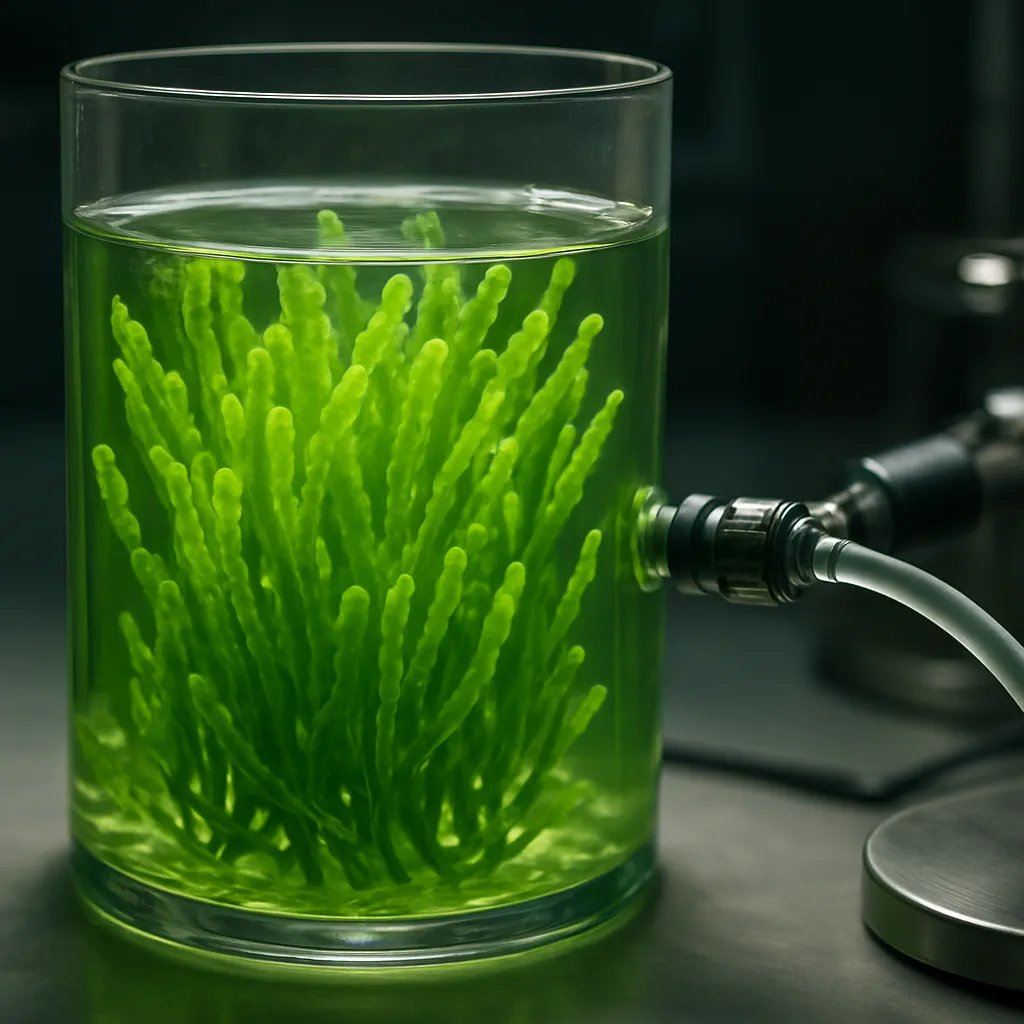
Meanwhile, photobioreactors cultivate microalgae and cyanobacteria, offering a dual function of oxygen generation and food production. Strains like Spirulina are nutrient-dense and have rapid doubling times, making them valuable for bioregenerative life support. Photobioreactor modules integrate LED lighting tuned to optimal wavelengths, CO₂ scrubbers, and harvesting mechanisms to process biomass into edible form.
Challenges in Deep Space Farming
Cultivating plants beyond Earth introduces technical and biological hurdles. Addressing these challenges is essential for reliable, long-term operations.
- Microgravity: Lack of gravity alters fluid dynamics, root orientation, and plant signaling pathways. Engineers develop special root chambers and scaffolds to guide growth.
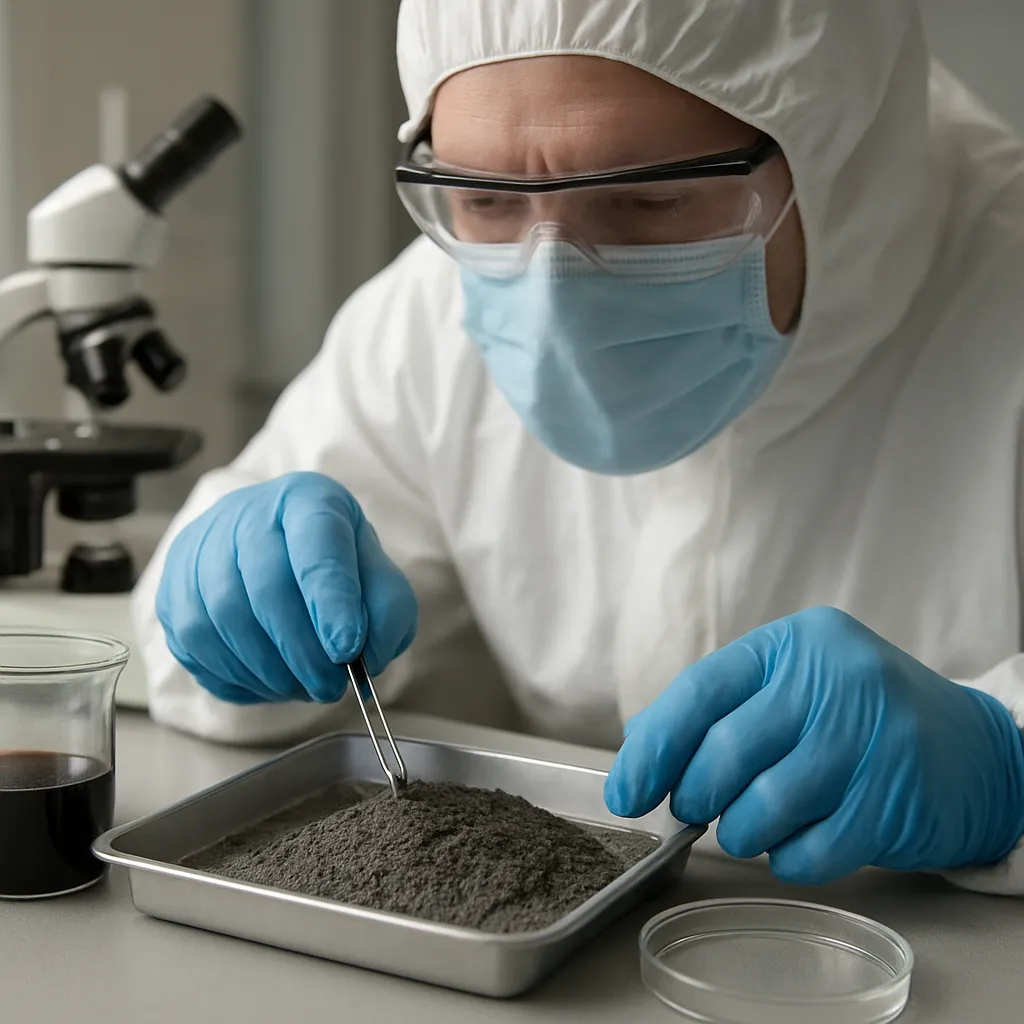
- Radiation: Cosmic rays and solar particle events can damage DNA, affecting seed viability and plant health. Shielding strategies, including water jackets and regolith-based barriers, help mitigate exposure.
- Energy Constraints: Lighting, climate control, and pumping systems require substantial power. Optimizing LED spectra and leveraging waste heat from spacecraft systems improve overall efficiency.
- Resource Recycling: Water reclamation and waste processing must operate in a closed-loop manner to conserve mass. Integrating phototrophic organisms and biofilters ensures continuous reuse of nutrients.
- Automation and Monitoring: Minimizing crew time demands automated sensors, image analysis, and robotics to detect plant stress, diseases, or system malfunctions.
Systems Integration and Habitat Design
Embedding agriculture into spacecraft and extraterrestrial habitats requires multidisciplinary coordination. Life support engineers collaborate with botanists, microbiologists, and control systems specialists to develop unified modules. Critical design considerations include:
- Modularity and Scalability: Growth units that can be expanded as mission requirements evolve.
- Redundancy: Backup subsystems for water delivery, lighting, and air circulation to prevent crop failure.
- Ergonomics: Plant trays positioned for easy harvesting, cleaning, and maintenance by crew members wearing gloves or EVA suits.
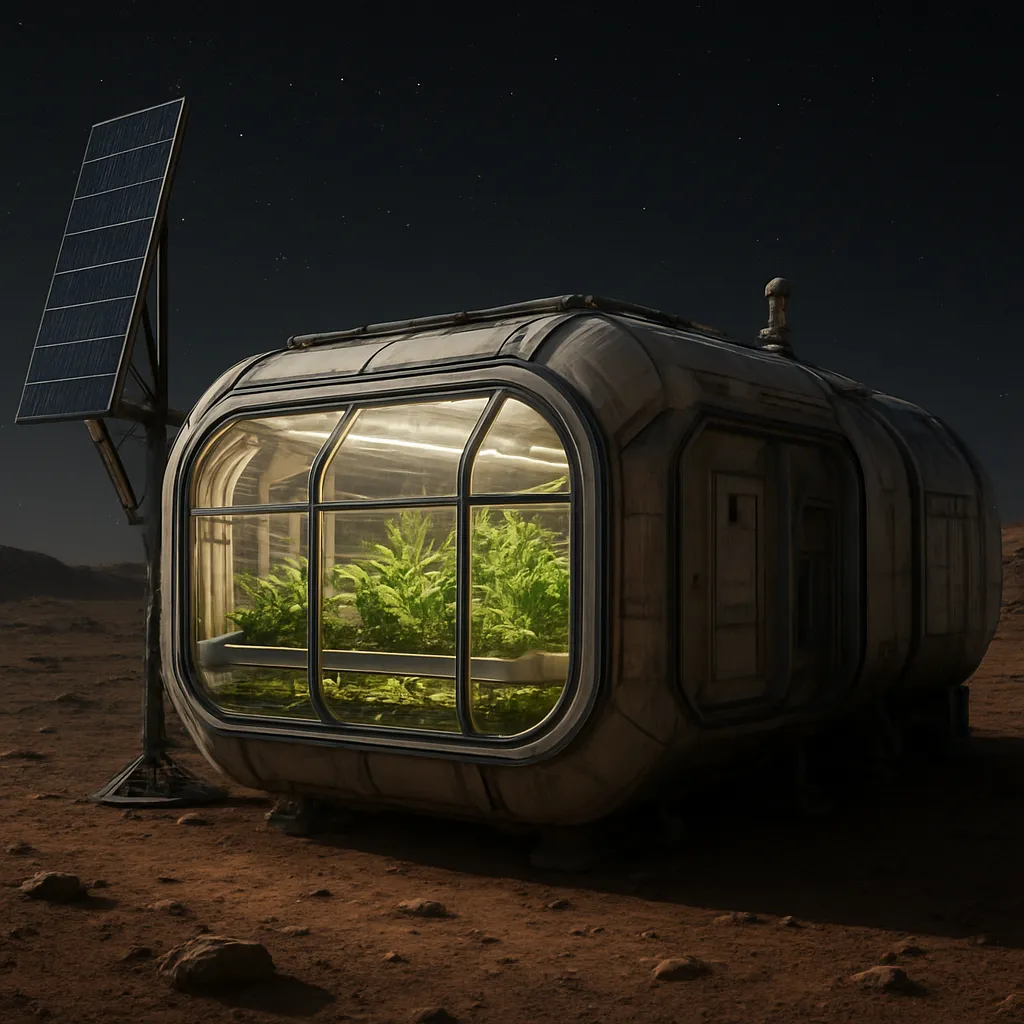
On Martian bases, greenhouses might utilize transparent regolith panels, leveraging in-situ materials to provide both light transmission and radiation protection. Dome-shaped structures optimize internal volume while maintaining uniform environmental control.
Future Directions and Innovations
Recent advances point to next-generation agricultural platforms capable of supporting larger crews and extended expeditions.
- Genetic Optimization: Editing plant genomes for enhanced growth rate, nutrient content, and radiation resilience.
- Microbial Consortia: Co-cultivation of beneficial bacteria and fungi to promote nutrient uptake and disease resistance.
- Bioregenerative Systems: Integrated modules combining plant growth, waste processing, and air revitalization for fully self-sustaining habitats.
- AI-Driven Cultivation: Machine learning models predict stress responses, optimize lighting cycles, and recommend nutrient adjustments in real time.
- 3D-Printed Growth Substrates: Customizable matrices engineered with optimal porosity and nutrient release profiles.
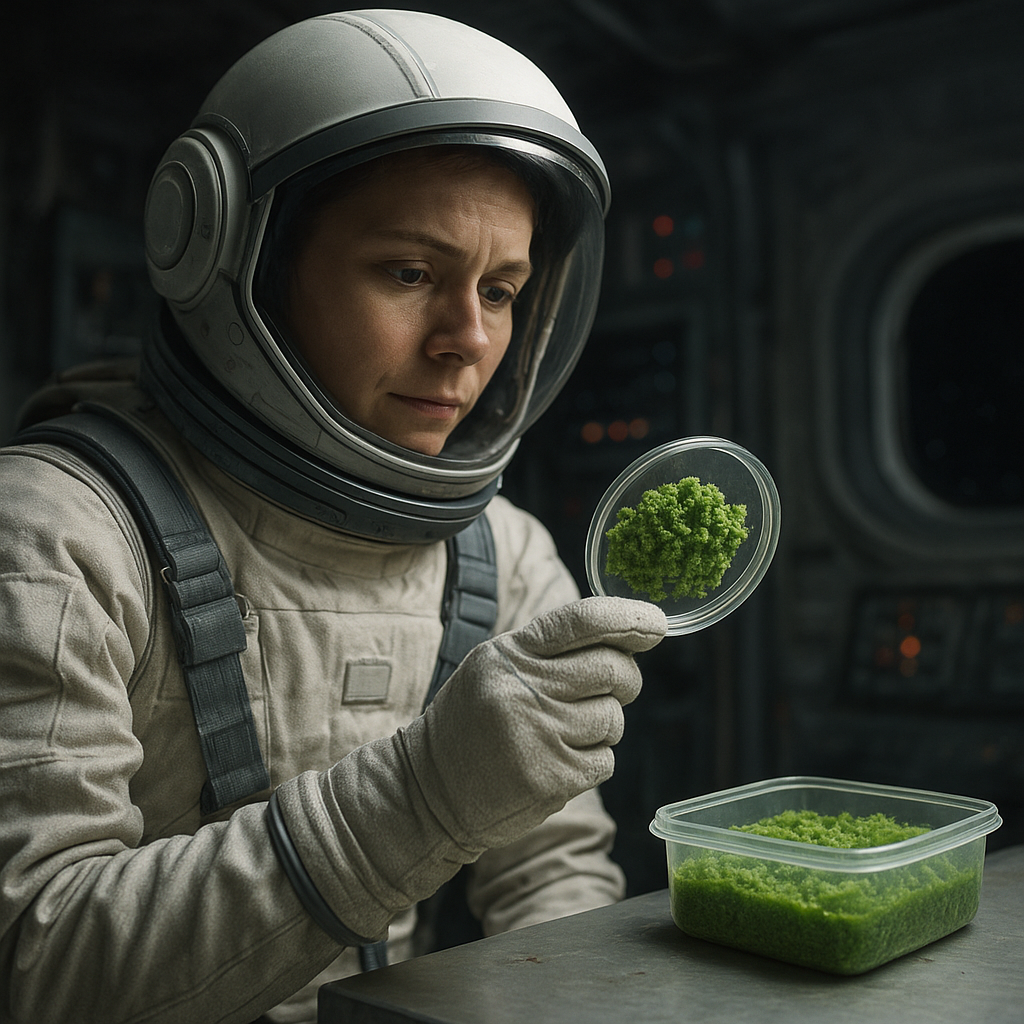
As technology matures, the vision of astronauts tending to lush gardens on distant worlds moves from science fiction toward reality. Through continued research and innovation, space-based food production will become a cornerstone of human exploration, enabling us to venture farther into the cosmos with greater autonomy and resilience.