Establishing *sustainable, productive* greenhouses beyond Earth’s atmosphere is becoming an essential step toward long-duration space missions and permanent off-world settlements. Space greenhouses must integrate advanced **agriculture** methods, robust environmental control, and resource-efficient designs. By combining innovative technologies with biological principles, engineers and scientists aim to cultivate fresh food, recycle air and water, and support human crews on the Moon, Mars, and beyond.
The Challenges of Extraterrestrial Agriculture
Cultivating crops in space or on other celestial bodies presents a set of unprecedented obstacles. Harsh radiation, extreme temperature swings, and low-gravity environments all require careful consideration. Traditional soil-based farming is impractical given constraints on mass, volume, and contamination risk. Furthermore, microbial **biosecurity** must be ensured to protect both plant and crew health. Any system that fails to maintain strict containment could jeopardize mission objectives or introduce harmful pathogens.
Microgravity Effects on Plant Growth
In microgravity, plants struggle with root orientation and fluid distribution. Without gravity-driven drainage, water and nutrients may accumulate unevenly, leading to root rot or nutrient imbalances. Researchers use substrates like porous ceramics and fiber mats to wick moisture and deliver precise hydration. Experiments aboard the International Space Station (ISS) have shown altered gene expression in Arabidopsis and wheat plants, highlighting the need for tailored **microgravity** solutions.
Radiation and Cosmic Exposure
Outside Earth’s magnetosphere, radiation levels soar, threatening DNA integrity in plants and microbes. Engineers must integrate effective **radiation shielding** into greenhouse walls, using materials like polyethylene or regolith-based composites. Transparent shielding panels employing hydrogen-rich polymers can protect photosynthetic organisms while allowing sufficient light transmission. Balancing protection with energy-efficient design is a critical trade-off.
Innovative Technologies in Space Greenhouses
Cutting-edge hardware and cultivation methods are transforming how we envision off-world food production. From closed-loop water recycling to modular growth chambers, these technologies aim to optimize yield, reduce mass, and ensure reliability under remote operation.
Hydroponics and Aeroponics Systems
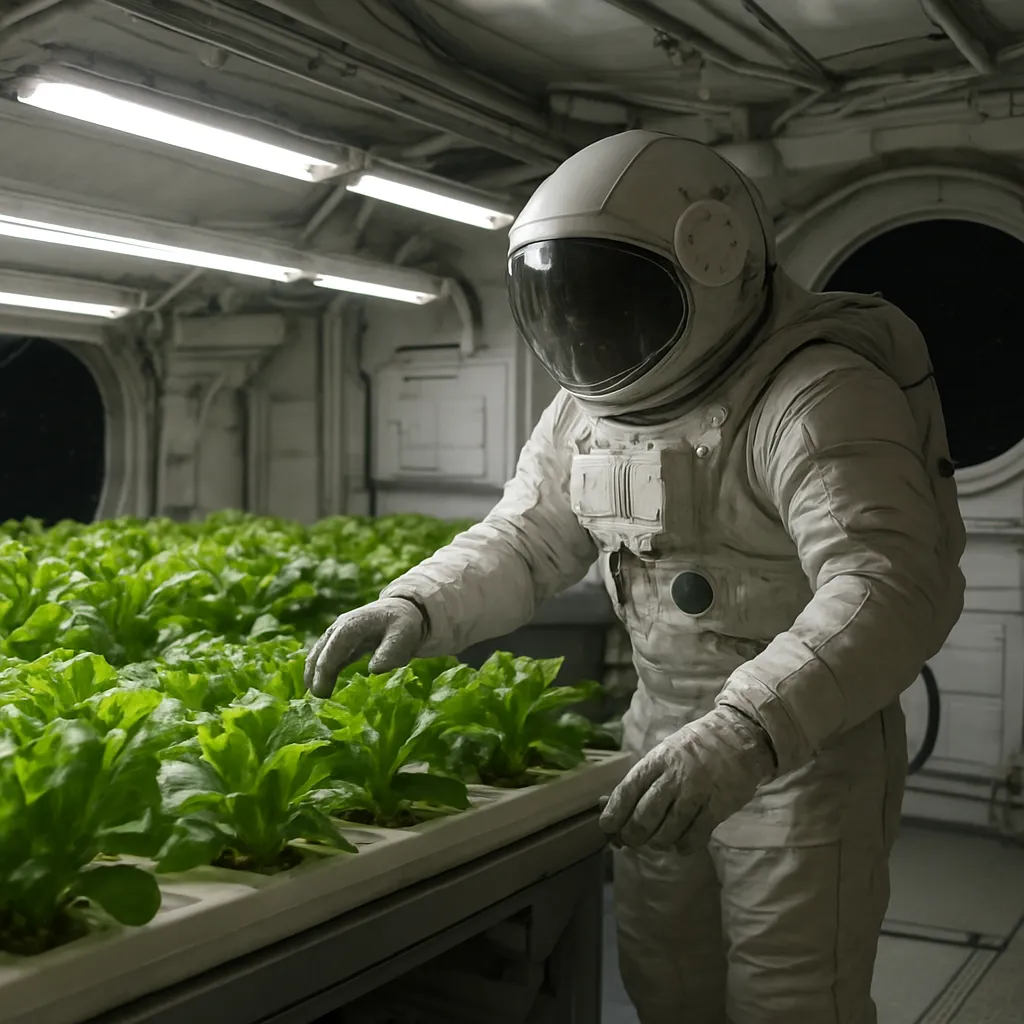
Soilless methods like **hydroponics** and aeroponics deliver water and dissolved nutrients directly to plant roots, reducing resource waste and system mass. Aeroponic towers mist nutrient-rich solutions in fine droplets, maximizing oxygen availability and accelerating growth cycles. Recirculating nutrient solutions through UV and filtration units prevents microbial buildup and maintains water quality over extended missions.
Photobioreactors and Algae Cultivation
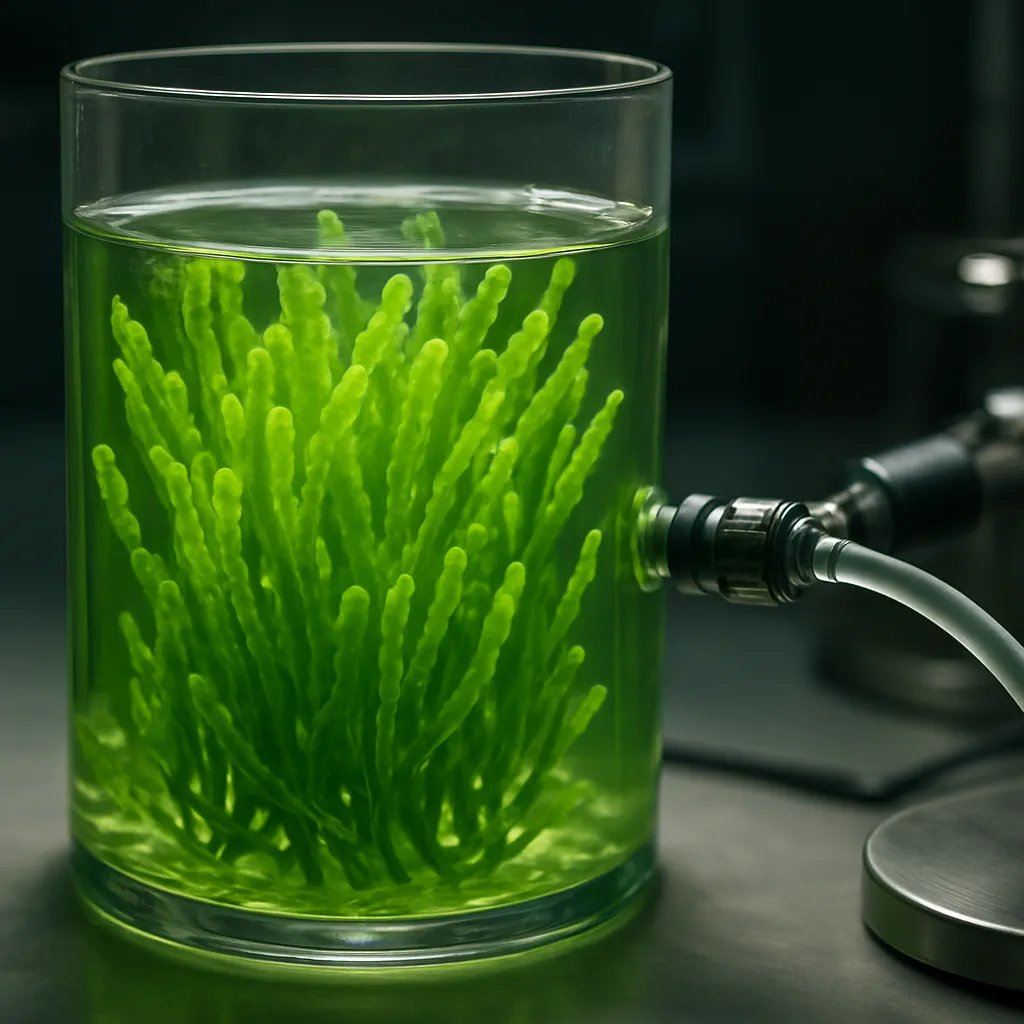
Algae-based **photobioreactor** units complement higher-order crops by offering rapid biomass production and oxygen regeneration. Species like Spirulina and Chlorella thrive in closed, transparent tubes illuminated by LEDs tuned to specific wavelengths. These microalgae deliver high-protein food supplements, recycle carbon dioxide, and generate vital biopolymers for packaging or biocomposite manufacturing.
- Adjustable-spectrum LEDs for precise control of photosynthesis
- Thin-film solar cells integrated on chamber exteriors
- Automated monitoring of pH, dissolved oxygen, and turbidity
Bioregenerative Life Support Systems
Beyond pure food production, space greenhouses must function as key components in closed ecological systems. Integrating flora with waste and resource management loops creates **closed-loop** habitats that sustain human life with minimal resupply from Earth.
Nutrient Recycling and Waste Processing
Organic waste from humans and uneaten plant matter can be composted or processed through microbial bioreactors to release nutrients back into hydroponic reservoirs. Specialized microbial consortia break down complex organics into ammonium and nitrate, feeding subsequent crop cycles. This nutrient recycling reduces dependence on Earth-supplied fertilizers and enhances overall **resilience** against system failures.
Air and Water Regeneration
Plants naturally absorb carbon dioxide and release oxygen via photosynthesis, crucial for maintaining breathable cabin air. Combining higher plants with algae systems ensures continuous gas exchange balancing. Simultaneously, transpiration from leaves contributes to humidity control, collected by dehumidifiers and condensed back into potable water. This synergy underscores the importance of holistic design for **sustainability**.
Design Considerations and Future Prospects
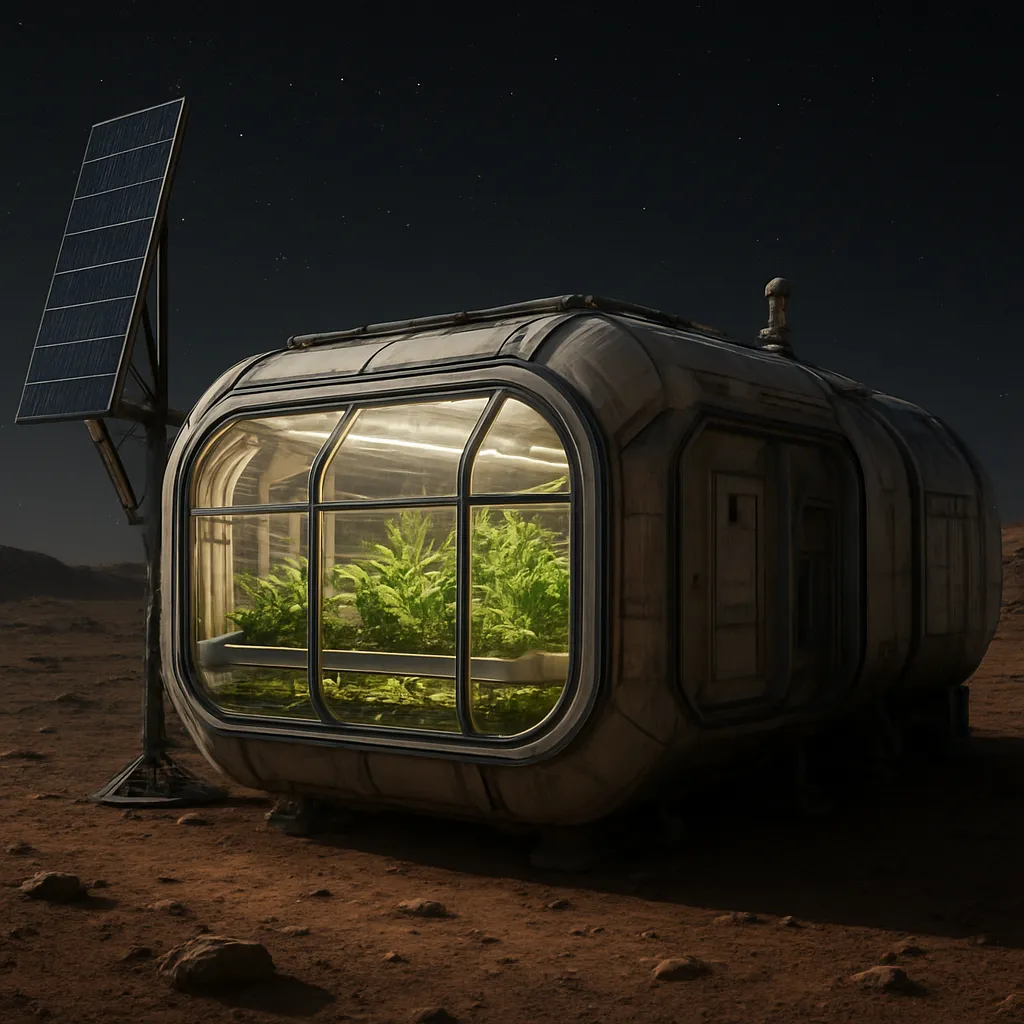
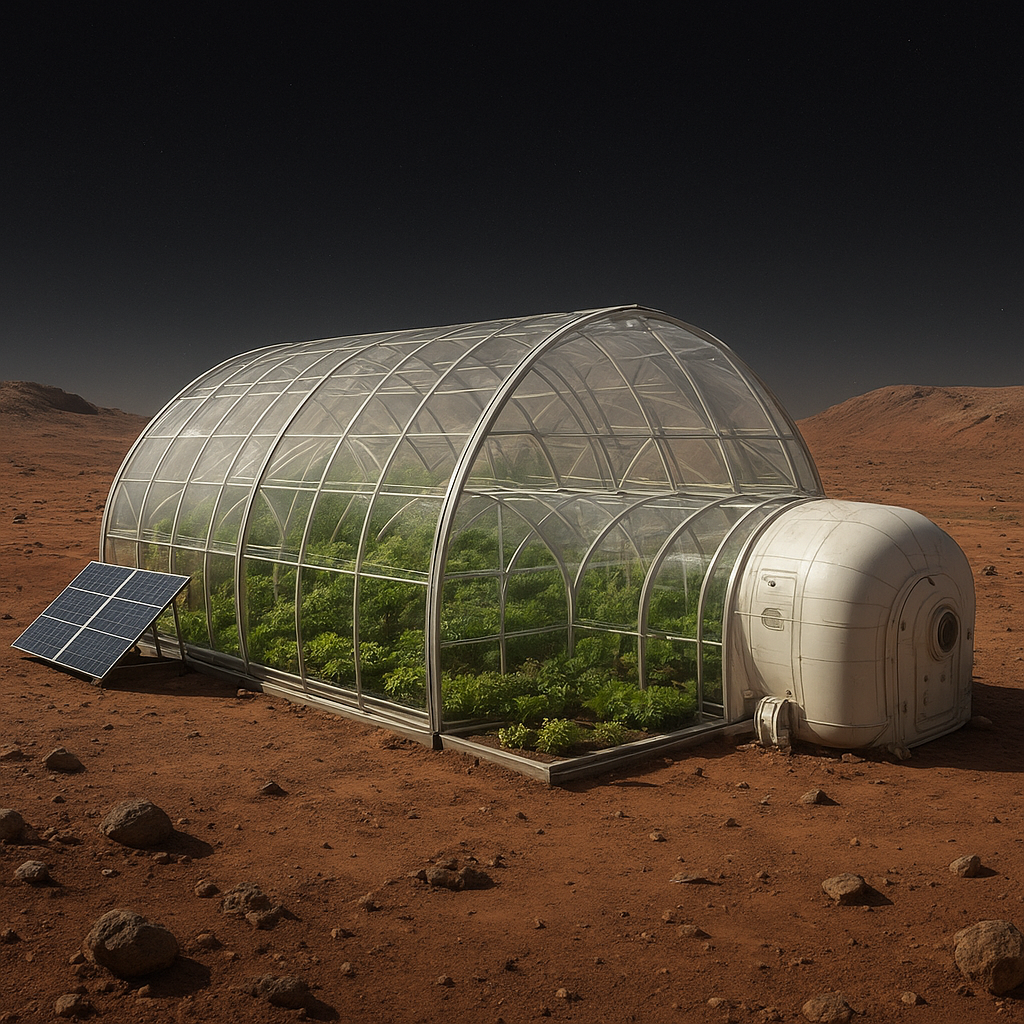
As prototypes evolve into fully operational modules, designers must address ergonomics, scalability, and adaptability. Future greenhouses will likely adopt expandable, inflatable structures that minimize launch volume while maximizing internal cultivation area. Regolith-based greenhouses on the lunar surface could use in-situ materials for construction and radiation shielding, reducing payload mass.
Modular, Scalable Architectures
Modularity allows incremental expansion of greenhouse capacity in alignment with crew size and mission duration. Standardized growth pods, each equipped with independent environmental control, can be replaced or upgraded without interrupting overall operation. This plug-and-play approach simplifies maintenance in remote, resource-limited settings.
Automation and Remote Operations
Robotic systems, AI-driven monitoring, and advanced sensors will enable autonomous control of lighting, irrigation, and nutrient delivery. Machine learning algorithms can predict plant stress, dynamically adjusting environmental parameters to optimize yield. Remote teleoperation from Earth or nearby orbital platforms ensures expert oversight without requiring constant crew intervention.
Integration with Martian and Lunar Habitats
Greenhouse modules will be co-located with living quarters, laboratories, and manufacturing units, forming integrated habitat networks. Leveraging **temperature control** via regolith insulation or buried tunnels can maintain stable internal climates. Coordinated resource sharing—water, power, air—between greenhouse and habitat ensures overall mission efficiency.
The pursuit of functional space greenhouses represents a convergence of **agriculture**, environmental engineering, and life support innovation. As humanity prepares to venture deeper into the solar system, these biotechnical sanctuaries will be pivotal in forging a self-reliant presence on the Moon, Mars, and beyond.