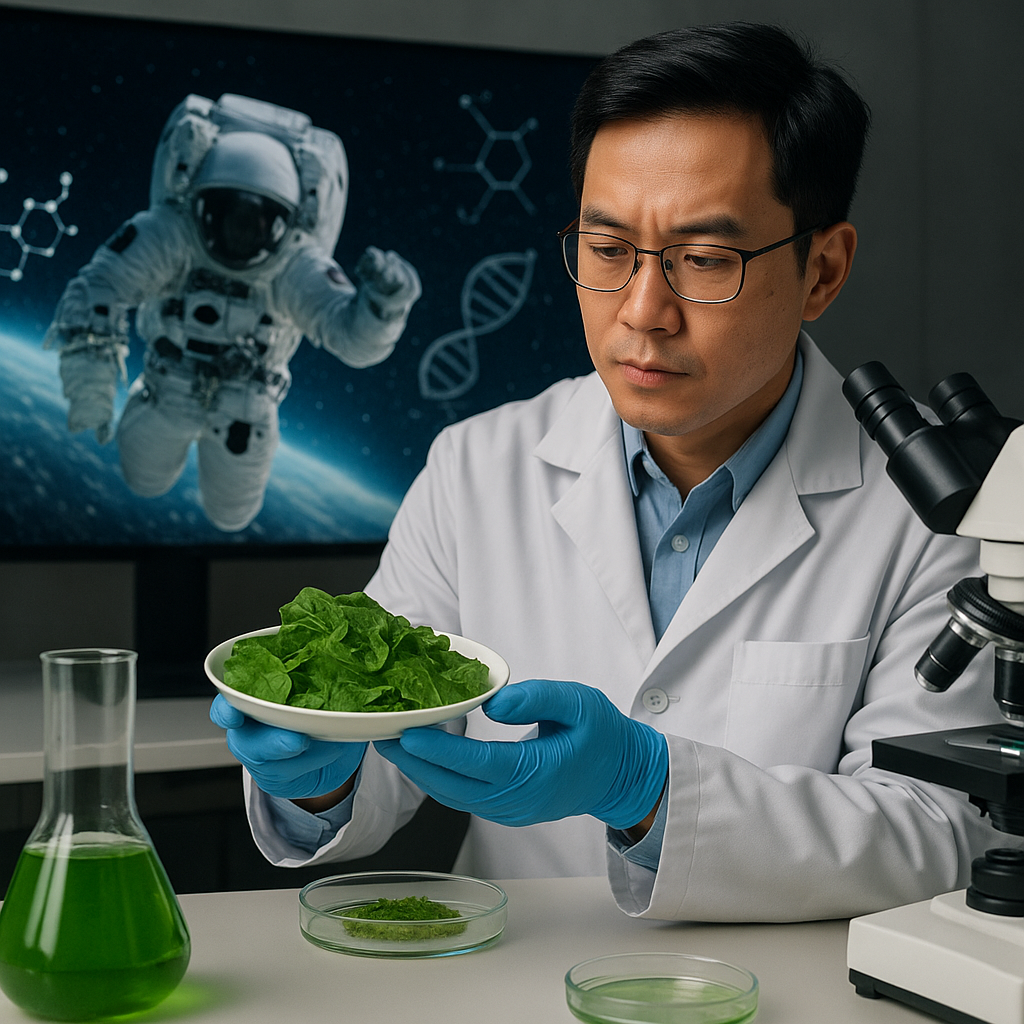
The exploration of space presents unprecedented challenges for sustaining human life beyond Earth’s atmosphere. As missions extend further into the solar system, the need for reliable, efficient, and adaptable food production systems becomes critical. Advances in synthetic biology are paving the way for innovative strategies that combine genetic engineering, automation, and resource recycling to create self-sufficient habitats. By harnessing the power of engineered organisms, scientists aim to develop robust platforms capable of converting raw materials—such as carbon dioxide, water, and sunlight—into edible biomass, essential nutrients, and even pharmaceuticals. This article delves into the interplay between cutting-edge biotechnology and space agriculture, examining how modular designs, closed-loop systems, and novel bioproduction pathways can redefine the future of space food systems.
The Foundations of Synthetic Biology in Space Agriculture
At its core, synthetic biology involves the rational design and construction of biological systems that perform novel functions or enhance existing capabilities. In the context of spaceflight, this field offers transformative potential by enabling organisms to thrive under extreme conditions. Early research focused on understanding the genetic basis of stress tolerance in microorganisms found in harsh terrestrial environments—known as extremophiles. By isolating and characterizing stress-response genes, scientists can incorporate these traits into chassis organisms, creating strains that withstand radiation, desiccation, and wide temperature fluctuations.
Modularity and Standardization
Synthetic biology relies on standardized biological parts—promoters, ribosome binding sites, coding sequences, and terminators—that can be assembled into complex circuits. The BioBrick framework and other registries facilitate the sharing of these components, accelerating the design-build-test cycle. In space agriculture, modular constructs enable rapid reconfiguration of metabolic pathways to produce vitamins, essential amino acids, or specialty compounds on demand. Standardization also supports remote troubleshooting, as mission control can upload revised genetic blueprints to colony reactors via secure communication links.
Designing for Space Environments
Design criteria for extraterrestrial bioprocesses diverge from terrestrial applications. Low-gravity and microgravity conditions affect fluid dynamics, heat transfer, and mixing efficiency. Radiation levels outside Earth’s magnetosphere can induce mutations or impair DNA integrity. Researchers address these challenges by engineering redundancy into genetic circuits, integrating UV- or gamma-resistant DNA repair modules, and tailoring host cell membranes to maintain integrity in low-pressure habitats. The result is a new class of biological systems optimized specifically for the rigors of space.
Engineering Microbial Systems for Nutrient Production
Microorganisms serve as the backbone of many proposed space biomanufacturing platforms. Their rapid growth rates, minimal nutrient requirements, and capacity for genetic manipulation make them ideal for producing food, feedstock, and biomaterials. Key strategies include:
- Precision fermentation of yeasts and bacteria to synthesize proteins, lipids, and carbohydrates on an industrial scale.
- Utilizing microalgae strains to convert light and carbon dioxide into biomass rich in essential fatty acids, vitamins, and pigments.
- Deploying photosynthetic cyanobacteria to recycle atmospheric CO₂ while generating oxygen and edible biomass.
Case Study: Algal Photobioreactors
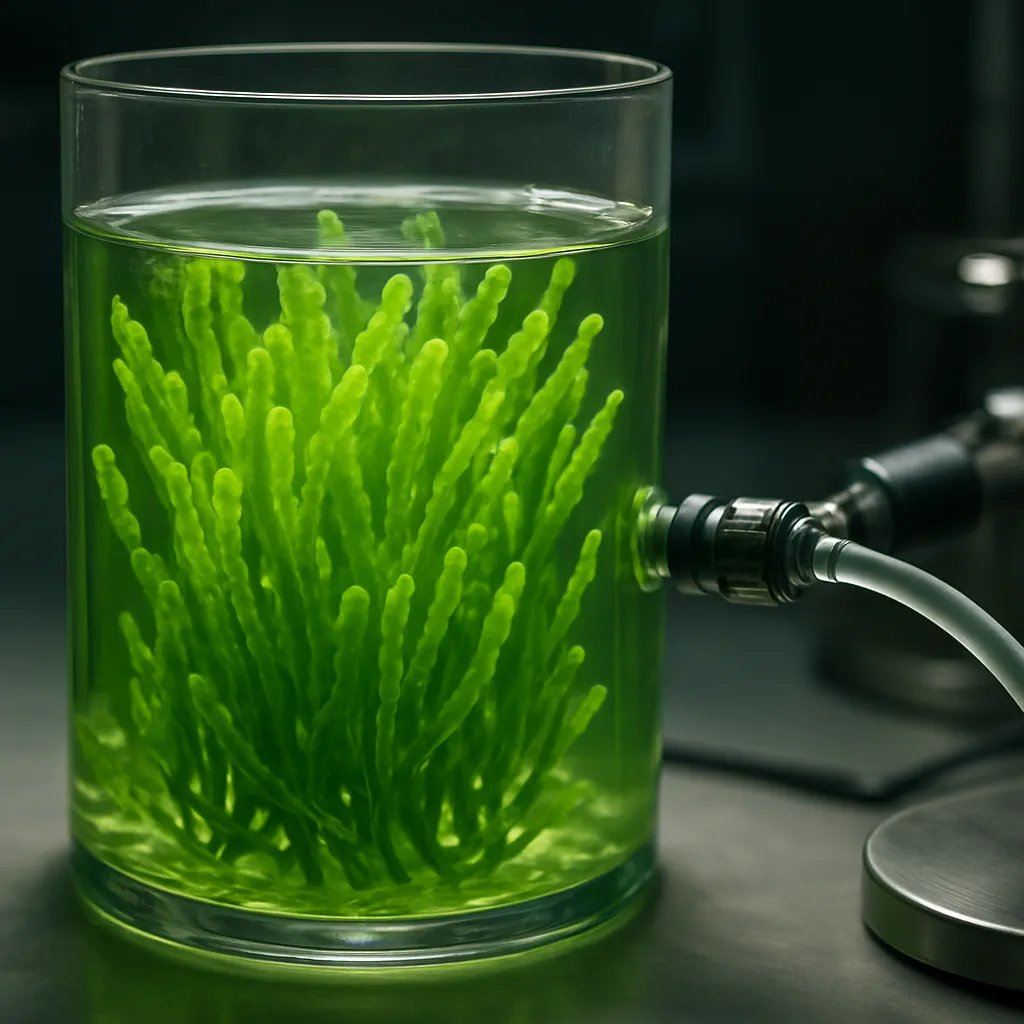
Algal photobioreactors leverage transparent vessels or tubular arrays to maximize light exposure. Integration of LED arrays tuned to optimal wavelengths enhances photosynthetic efficiency. Circulation systems ensure even nutrient distribution and gas exchange. Recent prototypes demonstrate yields exceeding 2 grams of dry biomass per liter per day under simulated Martian conditions. Genetic modifications—such as overexpressing carbon fixation enzymes and optimizing lipid synthesis pathways—further increase output and nutritional value.
Customizable Nutrient Profiles
By editing metabolic pathways, researchers tailor macronutrient and micronutrient content to meet specific dietary requirements. For example, yeast strains engineered to produce elevated levels of vitamin B12, essential for preventing anemia, can supplement plant-based diets. Bacterial strains expressing antimicrobial peptides offer in situ preservation, reducing the need for refrigeration or chemical additives. The adaptability of microbial platforms ensures a diverse menu of nutrient-rich products, mitigating food monotony on long-duration missions.
Advancements in Plant Engineering for Extraterrestrial Farms
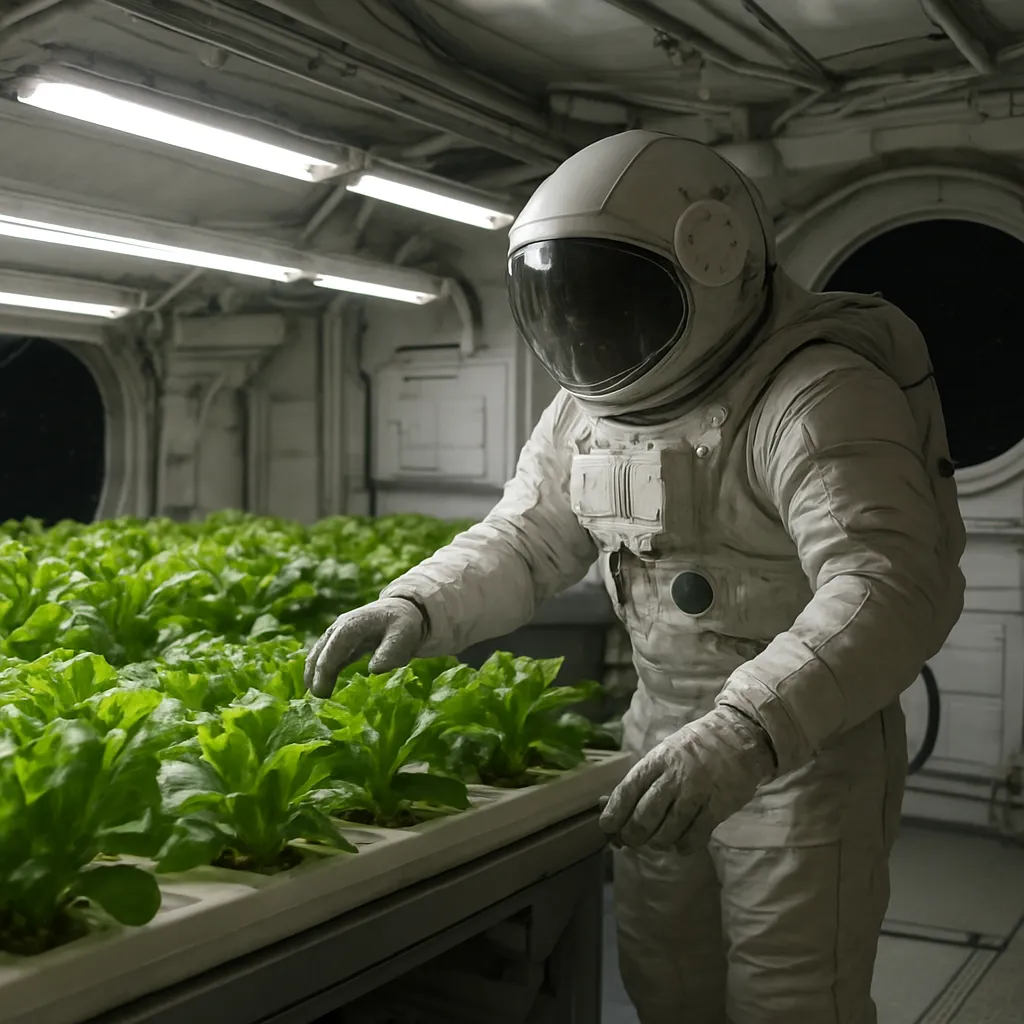
While microorganisms excel at compact biomanufacturing, higher plants provide psychological comfort, tactile interaction, and familiar flavors to crew members. Advances in CRISPR-based gene editing have accelerated the breeding of space-ready crops with traits such as:
- Dwarf or compact growth habit for confined greenhouse modules.
- Enhanced photosynthetic efficiency under low light or non-terrestrial spectra.
- Accelerated lifecycle and continuous harvest potential.
- Improved tolerance to salinity and limited water availability.
Hydroponics and Aeroponics Integration
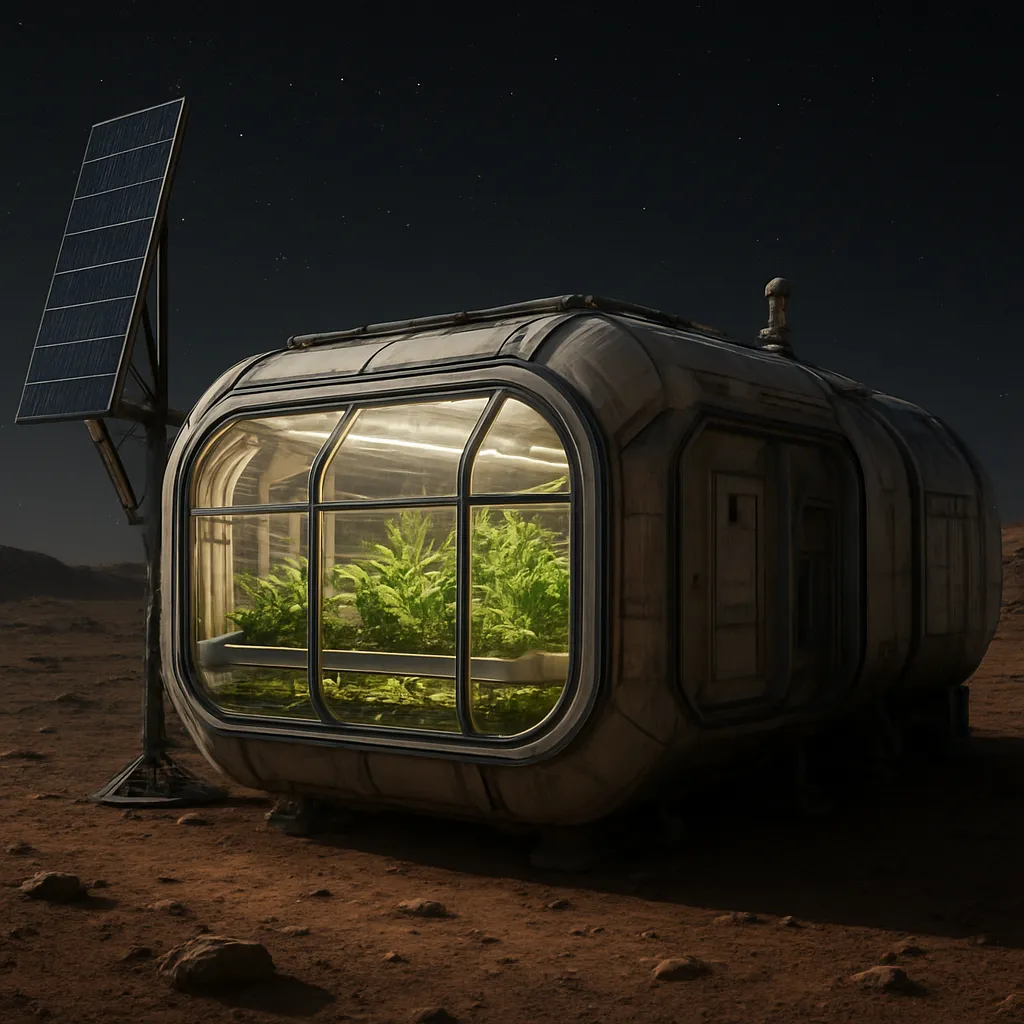
The absence of arable soil on the Moon or Mars necessitates soilless cultivation. Hydroponic systems circulate nutrient solutions through root mats, while aeroponics suspends roots in mist chambers, maximizing oxygen availability. Both approaches minimize water usage and allow precise control over nutrient delivery. By coupling these platforms with real-time sensors and AI-driven control algorithms, automated nutrient balancing maintains optimal growth conditions without constant human intervention.
Genetic Safeguards and Containment
Engineered crops intended for closed habitats require physical and genetic containment to prevent unintended spread. Genetic kill switches—activated by absence of specific chemical inducers—ensure that plants cannot survive if they exit designated growth chambers. Modular containment strategies combine with advanced filtration on exhaust gases to maintain biosafety and prevent cross-contamination between biological modules.
Challenges and Opportunities in Closed-Loop Life Support
Long-duration missions demand fully integrated life support systems that recycle air, water, waste, and food. Conventional physicochemical processes, such as carbon dioxide scrubbing and water electrolysis, work in tandem with biological modules to form a closed-loop ecosystem. Synthetic biology enhances this synergy by enabling dynamic adaptation to fluctuating resource availability.
Integrated Bioregenerative Systems
A typical bioregenerative life support loop includes:
- Microbial reactors converting CO₂ and wastewater into biomass and oxygen.
- Plant growth chambers regenerating air and producing food.
- Mechanical filters and biopolymers for water purification.
- Automated monitoring systems with machine learning for predictive maintenance.
These components interlink via nutrient streams, with waste from one module serving as feedstock for another. For instance, human waste can be processed by microbial consortia to extract nitrogen and phosphorus, which then fertilize hydroponic crops. Oxygen generated by algae or plants replenishes breathable air, while carbon dioxide exhaled by the crew feeds photosynthesis. Such reciprocity maximizes sustainability and minimizes resupply needs.
Resilience and Redundancy
Mission planners build redundancy into biological networks to guard against system failures. Parallel reactor arrays, duplicate seed banks, and modular cartridge exchanges ensure continuous operation even if individual units malfunction. Data-driven diagnostics and remote patching of genetic circuits allow real-time optimization, enhancing overall resilience.
Future Perspectives on Sustainability and Biomanufacturing
As space agencies and commercial companies chart crewed missions to Mars and beyond, the role of synthetic biology in agriculture will continue to expand. Emerging trends include:
- On-demand production of complex molecules, such as essential amino acids and vaccines, using precision fermentation.
- Development of 3D-printed food technologies that layer protein gels and lipid matrices into customizable textures and flavors.
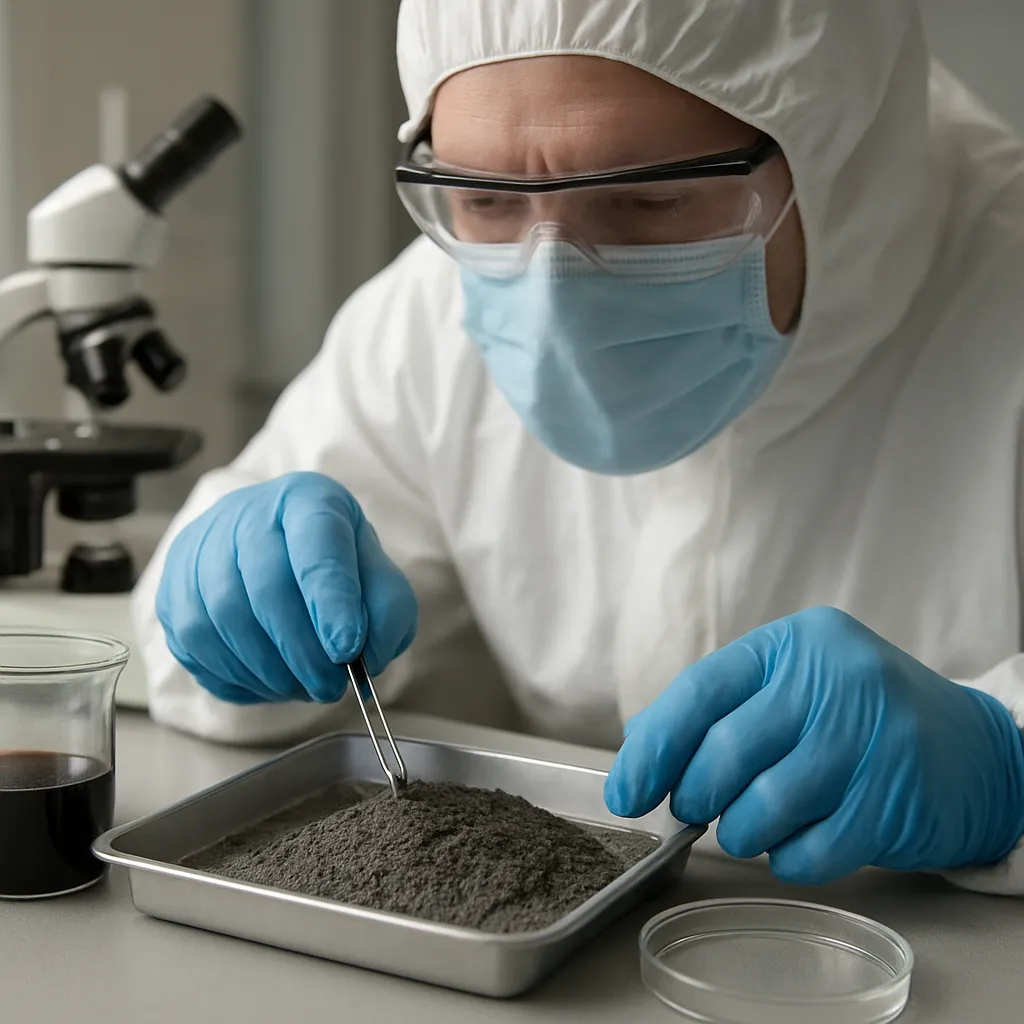
- In situ resource utilization (ISRU) approaches that mine regolith minerals to supply trace elements for biological growth.
- Advanced robotics and automation integrating with bioreactors for hands-off cultivation and harvesting.
The integration of synthetic biology with space agriculture signifies a paradigm shift in how we conceive life support beyond Earth. By constructing versatile, adaptable, and robust biomanufacturing platforms, humanity moves closer to self-sustaining colonies on Mars, lunar bases, and deep-space habitats. The blend of genetic innovation, ecological design, and engineering rigor will shape the next frontier of food security, resource efficiency, and long-term human presence in the cosmos.