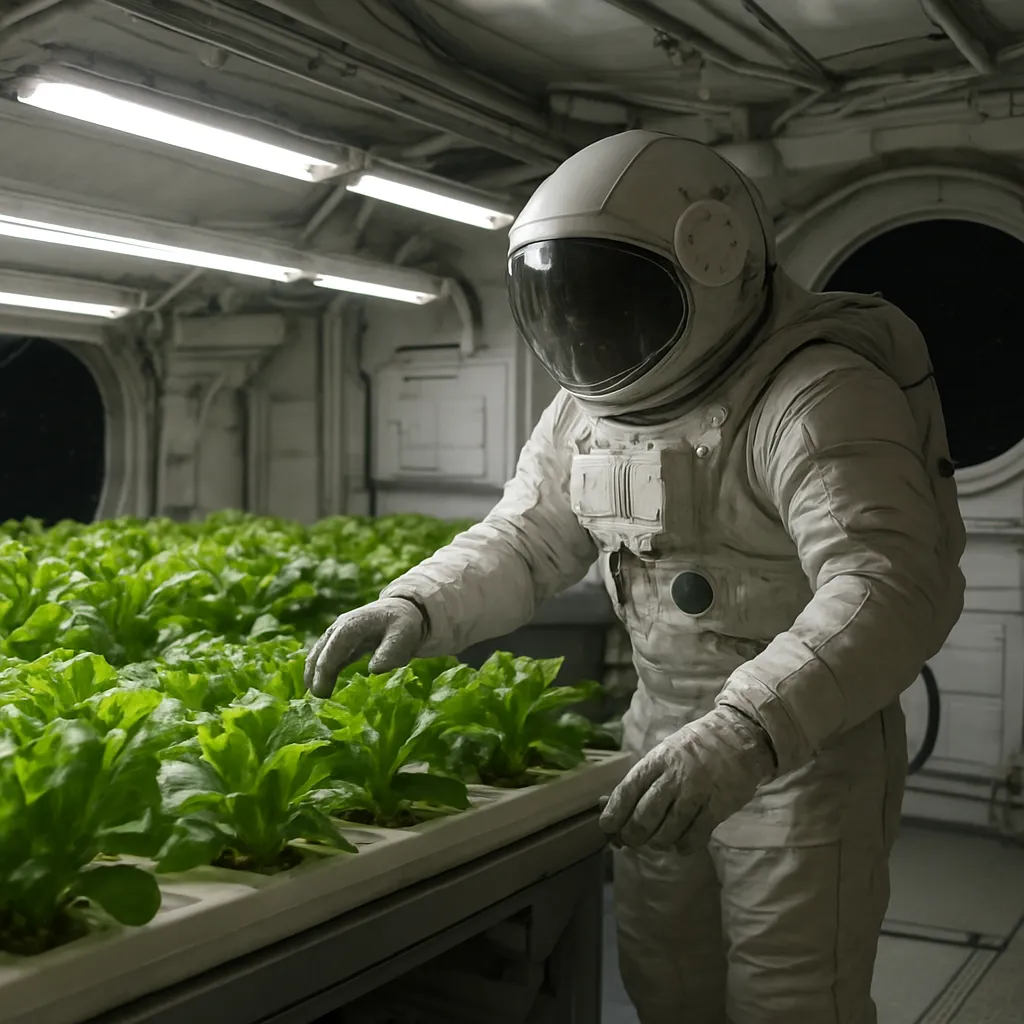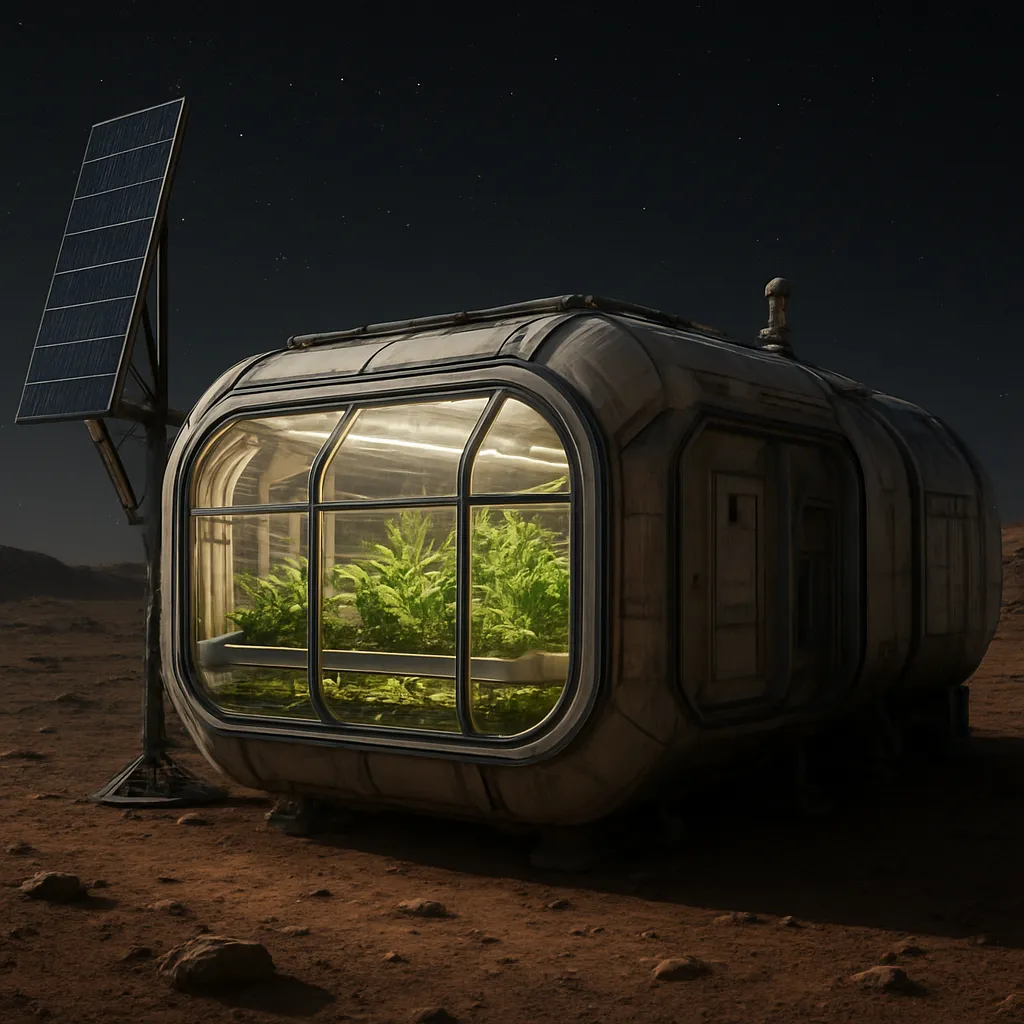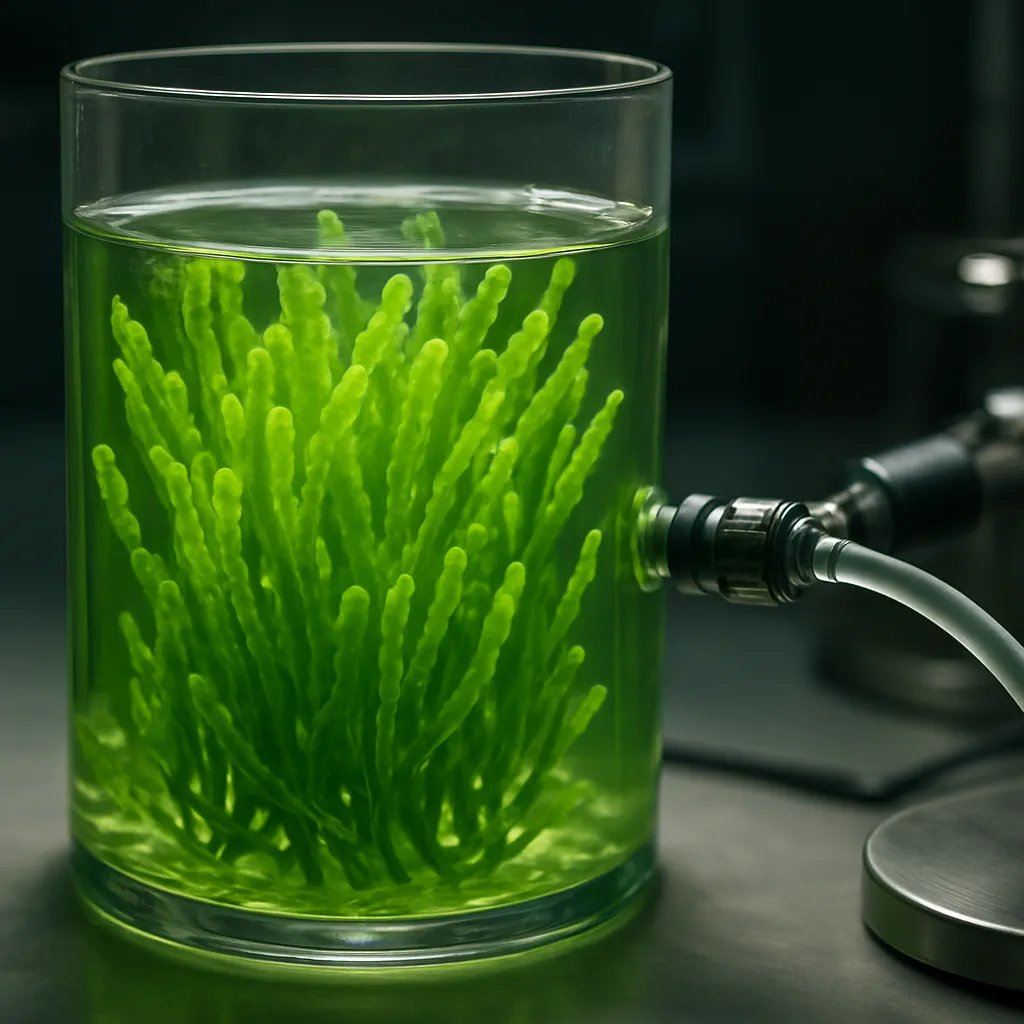
Terraforming with plants represents a pioneering approach to creating self-sustaining ecosystems on extraterrestrial bodies. By harnessing the power of photosynthesis and leveraging advances in space agriculture, researchers aim to cultivate A-to-Z solutions for oxygen generation, soil rehabilitation, and temperature regulation. This introductory overview uncovers strategies for transforming barren landscapes into vibrant, life-supporting environments.
Atmospheric Modification through Pioneer Species
Establishing a breathable atmosphere is the foundation of any terraforming effort. Early-stage interventions focus on hardy microbes and plant-like organisms that can survive extreme conditions. Cyanobacteria have emerged as prime candidates due to their resilience under high radiation and low-pressure environments. By releasing oxygen as a byproduct of photosynthesis, they begin the gradual buildup of an Earth-like biosphere.
Key features of pioneer species strategies:
- Genetic engineering to enhance UV tolerance and metabolic efficiency.
- Deployment in controlled bioreactors or protective greenhouses before open exposure.
- Integration with solar concentrators to maximize light-driven productivity.
The initial phase targets the reduction of harmful greenhouse gases, such as carbon dioxide, through carbon fixation pathways. Over time, these organisms lay the groundwork for higher plants to flourish, creating a layered ecosystem that supports increasingly complex life forms.
Soil Rehabilitation: From Regolith to Fertile Substrate
Extraterrestrial soils—known as regolith—are often deficient in water retention, organic matter, and essential nutrients. Converting this sterile medium into arable land requires innovative conditioning techniques:
- Inoculation with nitrogen-fixing bacteria to boost fertility.
- Addition of biochar and composted organic waste to improve structure and moisture capacity.
- Use of microbial consortia to mobilize phosphorus and trace minerals.
Specialized root systems of pioneer plants, such as hydroponics-adapted algae and mosses, penetrate regolith simulants to create channels for air and water. Over several growth cycles, the soil analog acquires a more porous texture and accumulates biodegradable matter, transforming into a substrate capable of supporting larger crops like wheat, potatoes, or legumes.
Simultaneously, advanced sensors monitor pH levels, salinity, and nutrient content in real time, enabling automated adjustments to irrigation and fertilization schedules. This bioregenerative approach ensures a dynamic equilibrium between plant growth and soil health.
Designing Closed-Loop Growth Systems for Habitability
Maintaining a stable, closed agricultural system is crucial for long-duration missions and planetary bases. Engineers combine physical infrastructure with biological cycles to create self-regulating habitats:
- Hydroponic towers and aeroponic chambers that recycle up to 95% of water.
- LED lighting systems tuned to specific wavelengths to optimize plant metabolism.
- CO₂ enrichment protocols synced with crew respiration to maximize gas exchange.
These systems operate under strict redundancy designs, featuring multiple growth modules to mitigate crop failures. Every part of the plant biomass—from leaves to roots—is repurposed as feedstock, compost, or biofuel feed, exemplifying zero-waste principles. Advanced AI-driven controls adjust nutrient delivery and environmental parameters, ensuring ideal growth conditions without constant human intervention.
Such closed-loop units serve dual roles: they support astronaut crews with fresh produce and oxygen, while also acting as living testbeds for scaling up to open-air terraforming on planetary surfaces.
Selecting Plant Species for Extraterrestrial Cultivation
Choosing the right organisms is a delicate balance between survival toughness and nutritional value. Candidate species fall into three broad categories:
- Microalgae (e.g., Chlorella, Spirulina) for rapid growth and protein-rich biomass.
- Low-maintenance vascular plants (e.g., Arabidopsis, lettuce) for early studies of flowering and seed cycles.
- Root and tuber crops (e.g., sweet potatoes, radishes) for calorie density and ease of harvest.
Each species undergoes rigorous screening under simulated Martian and lunar conditions. Plant chambers replicate diurnal temperature swings, cosmic radiation levels, and reduced gravity. Data from these experiments inform genome-editing campaigns aimed at enhancing drought tolerance, UV resistance, and nutrient uptake efficiency.
On Mars analog sites on Earth—such as the Atacama Desert and Arctic permafrost—research stations cultivate these plants in greenhouse domes. Successes in these harsh terrestrial environments bolster confidence in their potential off-world performance.
Integration with Planetary Infrastructure and Robotics
Terraforming is intrinsically interdisciplinary, requiring synergy between biology, engineering, and robotics. Autonomous rovers distribute seeds or microbial cultures across vast fields of regolith. Precision drones monitor plant health, detect stress signals, and administer targeted treatments. Underground hydroponic labs link to solar arrays and geothermal heat sources to maintain optimal thermal profiles.
Critical elements of infrastructure integration include:
- Robotic arms for delicate planting and harvesting tasks in reduced gravity.
- Modular greenhouse units that can be expanded or reconfigured as the biosphere matures.
- Resource-sharing networks that allocate water, power, and nutrients between agricultural modules and human habitats.
These automated systems reduce crew workload and ensure continuous operation, even during dust storms or solar flare events. By blending mechanical precision with living organisms, the effort transforms barren terrain into fertile ground, inching closer to full habitability.
Challenges and Roadmap to Full-Scale Terraforming
Despite promising breakthroughs, numerous hurdles remain. Long-term stability of engineered ecosystems must be proven over decades. Genetic drift, invasive microbes, and unexpected feedback loops pose risks. Ethical considerations about planetary protection and contamination also demand careful protocols.
Future milestones on the roadmap include:
- Establishment of pilot farms in lunar orbit or on the Moon’s surface.
- Scaled demonstration of large-area regolith conditioning on Mars analog sites.
- Deployment of advanced exobiology labs for real-time monitoring of extraterrestrial biota.
Each step deepens our understanding of how living systems adapt beyond Earth. Armed with robust data and increasingly refined technologies, the scientific community moves steadily toward its ultimate goal: crafting self-sufficient, thriving worlds where humanity can flourish among the stars.