The exploration of extraterrestrial environments demands innovative solutions to sustain human presence beyond Earth. Testing agricultural systems in lunar simulants unlocks critical insights into plant establishment, nutrient management, and habitat design under conditions that mimic the Moon’s regolith properties. Researchers worldwide are developing closed-loop, bioregenerative systems to ensure crewed missions benefit from reliable food production, life support, and psychological well-being.
Lunar Simulants and Their Properties
Creating realistic lunar soil analogs is fundamental for agronomic experiments on Earth. Various simulants replicate the mineralogy, texture, and particle size distribution of true lunar dust:
- JSC-1A: High glass content, replicating mare basalt compositions.
- NU-LHT: Derived from terrestrial basalts for high-Titanium regions.
- OB-1: Designed to emulate highland anorthosites.
These analogs permit systematic study of pH, cation exchange capacity, and trace element availability. Understanding how simulants interact with water, fertilizers, and root exudates allows optimization of nutrient cycles before committing resources to planetary missions.
Designing Bioregenerative Systems
Bioregenerative life support integrates plant cultivation with atmospheric and waste processing. In this context, three subsystems play pivotal roles:
- Hydroponic Modules: Without relying on soil, these systems deliver nutrient solutions directly to plant roots, enhancing resource use efficiency.
- Aeroponics Chambers: Roots are misted with nutrient-rich droplets, reducing water volume while maximizing oxygen exchange.
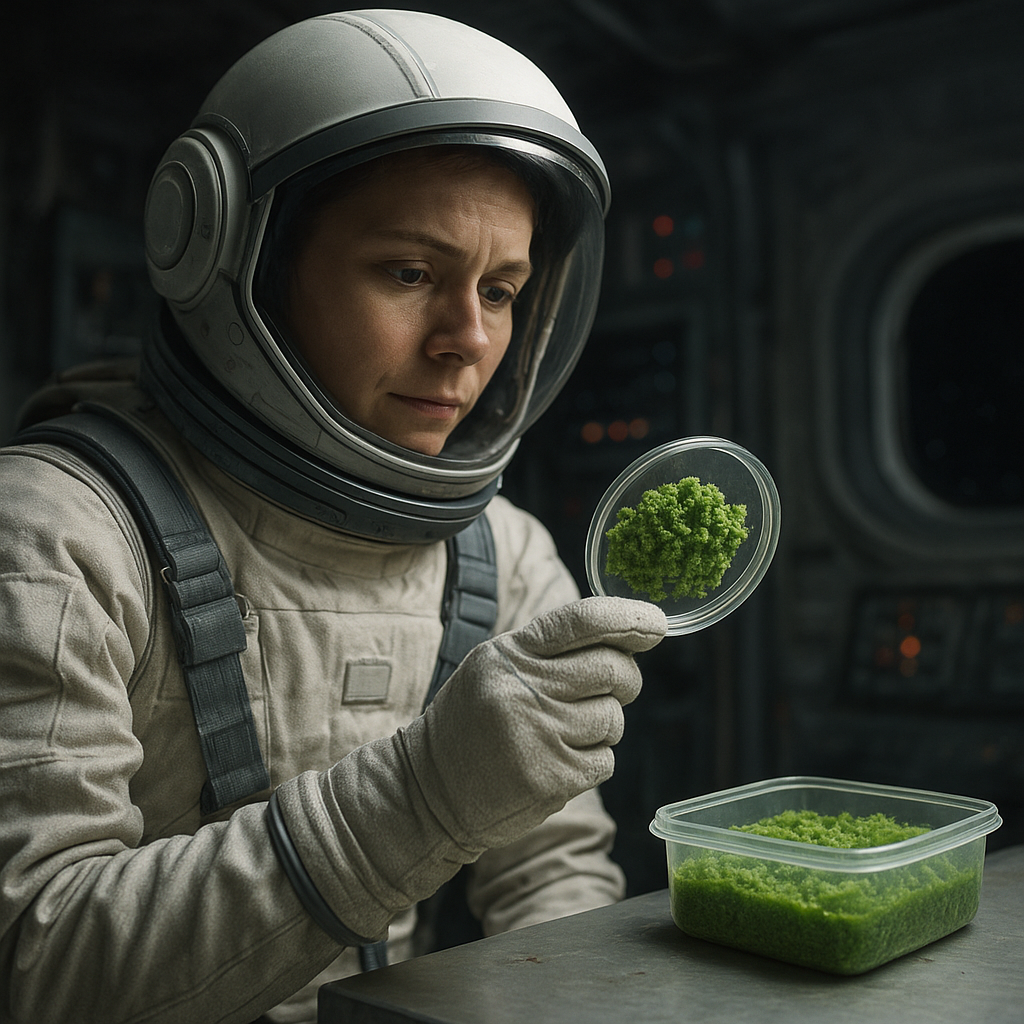
- Photobioreactors: Cultures of algae and cyanobacteria supplement air revitalization and produce additional biomass.
By interlinking these modules, controlled environment agriculture can recycle water, fix carbon dioxide, and generate oxygen. Researchers calibrate light spectra, humidity, and temperature to mirror Martian and lunar lighting conditions. Achieving optimal plant growth rates under simulated microgravity remains a priority, as altered gravity influences cell morphology and nutrient uptake.
Experimental Platforms and Methodologies
Several facilities and flight experiments offer platforms to test agricultural hardware and protocols:
Ground-Based Testbeds
- Biopanels simulate solar exposure and vacuum conditions in sealed chambers.
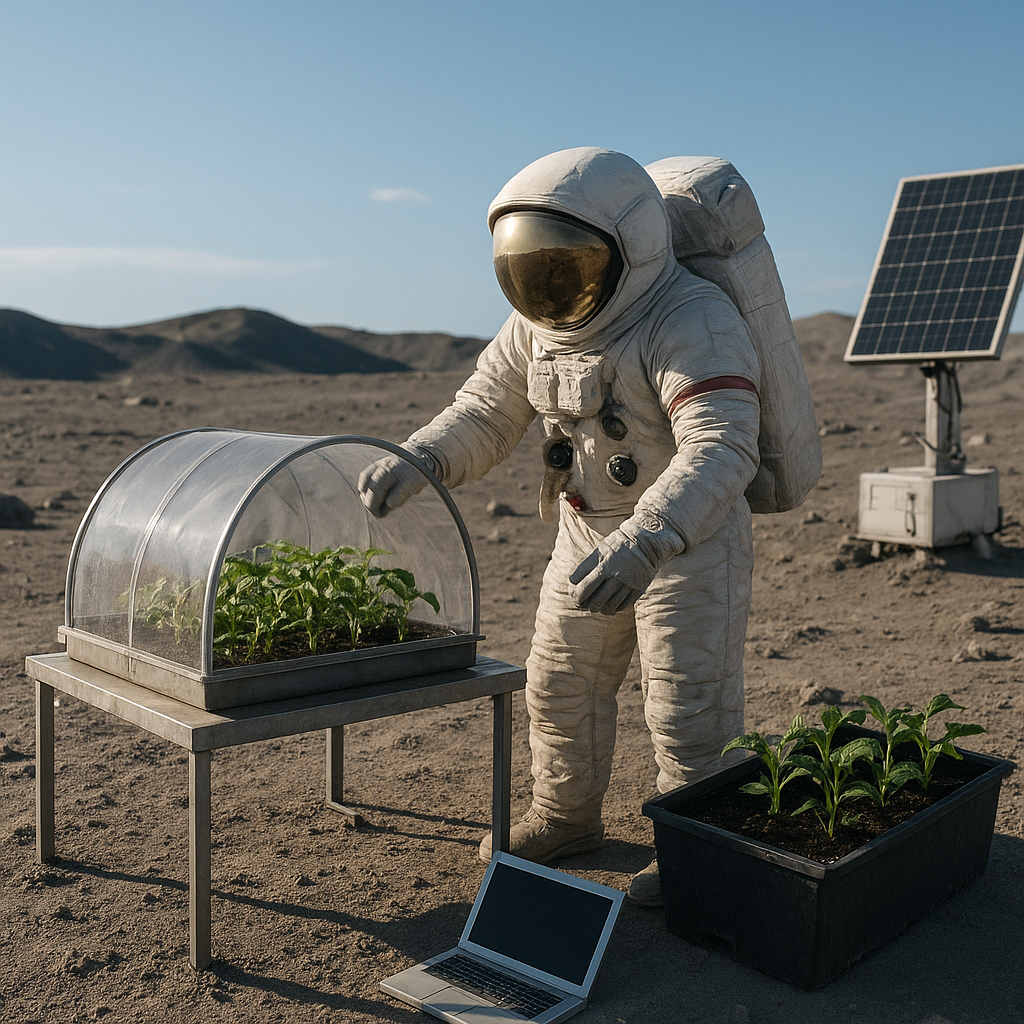
- Regolith Growth Beds integrate lunar simulants in greenhouse benches to monitor root penetration and water retention.
- Closed Ecological Life Support Systems (CELSS) evaluate full cycles of waste processing, including human urine to fertilizer conversion.
Microgravity Experiments
- Drop tower tests offer seconds of weightlessness to examine root gravitropism.
- Parabolic flight campaigns assess fluid distribution in soil and hydroponic substrates.
- International Space Station (ISS) modules, such as Veggie and Advanced Plant Habitat, deliver prolonged microgravity data.
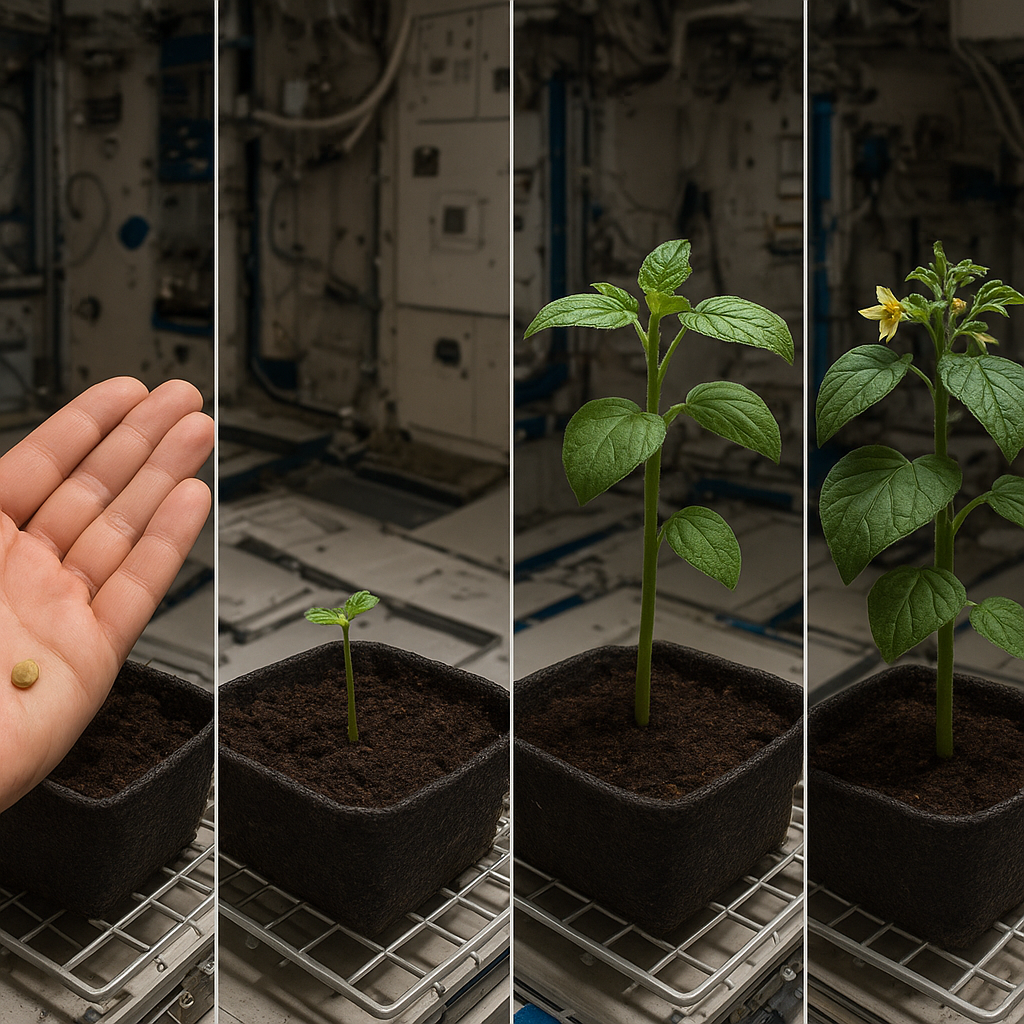
Combining data from these platforms refines protocols for seed germination rates, root system architecture, and pathogen suppression techniques. Researchers also track physiological markers like chlorophyll fluorescence and stomatal conductance to optimize photosynthetic efficiency.
Challenges and Future Prospects
The path to reliable off-Earth agriculture involves overcoming multiple obstacles:
- Physical hazards of fine dust that can abrade surfaces and clog filtration systems.
- Maintaining microbial balance to prevent disease outbreaks in closed environments.
- Developing lightweight, energy-efficient lighting and climate control systems for remote habitats.
Emerging technologies promise significant advances:
- 3D-printed regolith planters customized for root architecture and water retention.
- Smart nutrient delivery using machine learning to adjust solution composition in real time.
- Integration of sustainability metrics in mission planning to balance food output with power draw and mass budgets.
Collaborative ventures between space agencies, universities, and private companies drive progress in this field. Near-future lunar gateways and Artemis missions will test prototypes in cislunar orbit and on surface outposts. These endeavors will validate technologies and pave the way for extended stays on the Moon and eventual colonization of Mars.