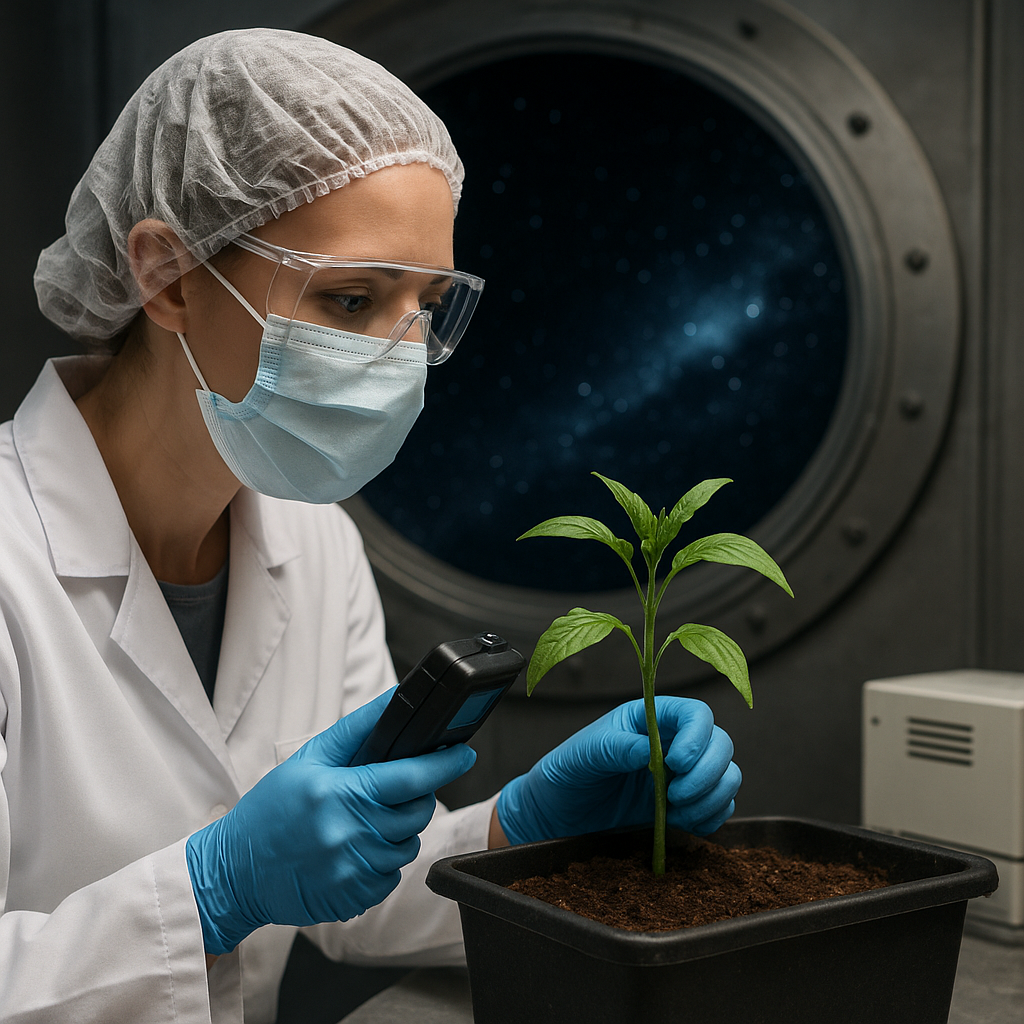
The pursuit of cultivating plants beyond Earth has led scientists to design intricate experiments aimed at understanding how vegetation can thrive in extraterrestrial settings. By creating simulated environments that mimic the harsh conditions of space—characterized by microgravity, high levels of cosmic radiation, and limited water resources—researchers can uncover the mechanisms behind crop resilience. These findings are crucial not only for long-term missions to the Moon and Mars but also for advancing space agriculture technologies that could revolutionize terrestrial farming. This article examines the latest methodologies in testing plant hardiness under space-like stressors, explores physiological adaptations, and highlights emerging innovations that pave the way toward sustainable off-world food production.
Experimental Design and Simulated Environments
Reproducing the conditions of outer space in a laboratory setting requires a combination of mechanical, chemical, and optical systems. One of the most significant challenges is replicating the absence of gravitational forces. Using clinostats and random positioning machines, researchers can subject plant samples to continuous rotation, effectively neutralizing directional gravity vectors. Simultaneously, specialized chambers generate tailored levels of radiation by employing gamma-ray sources or particle accelerators, providing a controlled spectrum similar to cosmic rays.
Another critical component involves regulating atmospheric composition and pressure. By adjusting concentrations of CO₂, O₂, and inert gases, experimenters simulate the thin Martian atmosphere or the vacuum of space. Temperature gradients are also manipulated to mimic the extremes encountered on planetary surfaces or in transit. Each variable can be independently controlled, enabling multivariate studies that reveal how combined stress factors affect plant development.
Hydroponic and Soil-based Platforms
- Hydroponics: Leveraging nutrient-rich water solutions to bypass soil limitations, hydroponic platforms offer precise control over mineral delivery and pH levels.
- Substrate Systems: Alternatives such as volcanic rock dust or recycled organic fibers aim to emulate lunar regolith or Martian regolith, testing how roots anchor and extract nutrients.
- Aeroponics: By misting roots with nutrient aerosols, aeroponic setups reduce water usage and allow real-time monitoring of root health and mass accumulation.
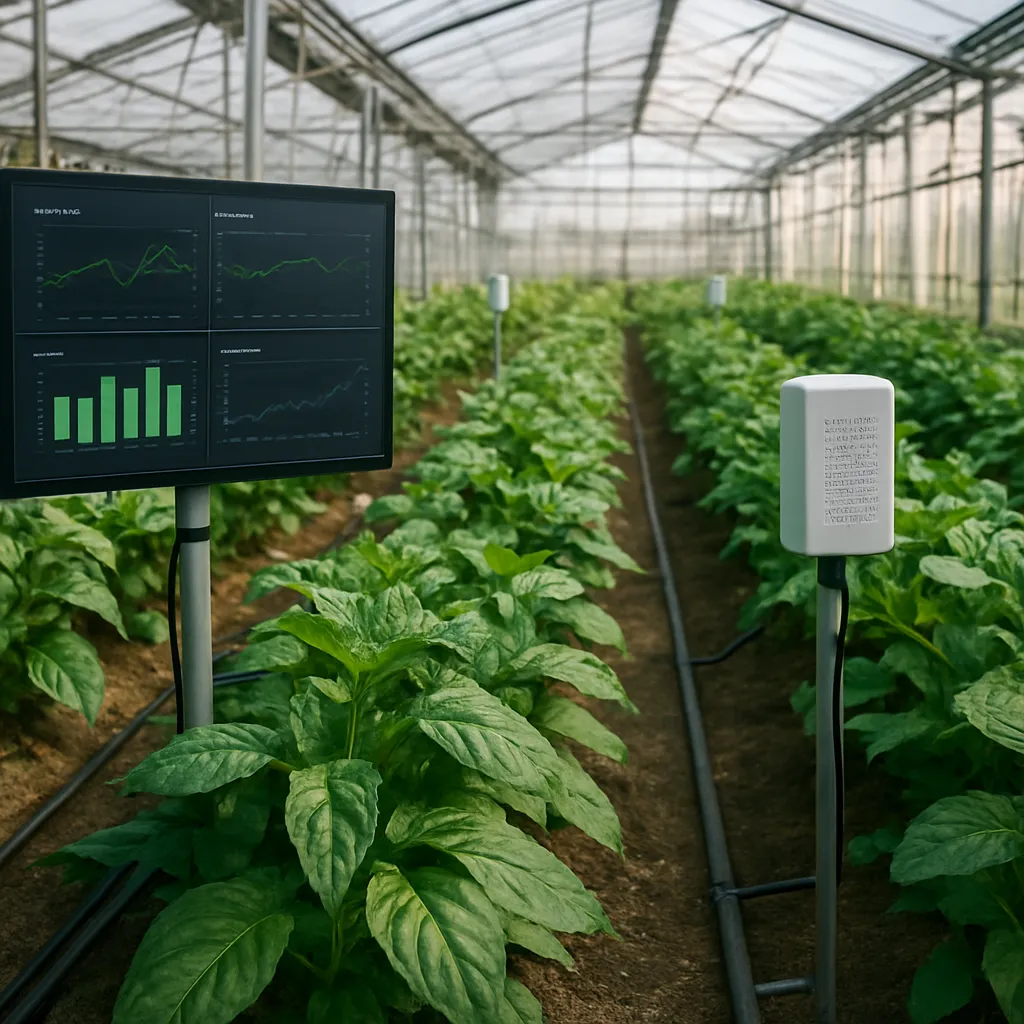
Combining these platforms with high-resolution imaging and spectroscopic sensors, scientists can track growth metrics—such as leaf chlorophyll content, stem diameter, and biomass accumulation—with unprecedented accuracy. Data streams from optical sensors, infrared cameras, and multispectral imaging systems feed into machine-learning algorithms, identifying subtle phenotypic shifts that signal stress responses or adaptive benefits.
Physiological Responses to Space-like Stressors
When subjected to simulated space conditions, plants exhibit a spectrum of physiological changes. Key among these is the alteration of the photosynthesis pathway. Under high radiation exposure, chloroplast function can become impaired, reducing the efficiency of light-harvesting complexes. To compensate, some species upregulate protective pigments—such as carotenoids and anthocyanins—thus absorbing and dissipating excess photon energy.
Root architecture also adapts to low-gravity signals. In conventional gravity, roots grow downward following hydrostatic pressure, but in clinostat experiments, they adopt randomized growth directions. This disorientation triggers modifications in the auxin transport system, a plant hormone responsible for directional growth. By mapping gene expression changes in auxin carriers, researchers can pinpoint genetic loci associated with enhanced resilience to mechanical stresses.
Metabolic Shifts and Secondary Compounds
- Antioxidant Production: Elevated levels of reactive oxygen species (ROS) under simulated space conditions prompt plants to bolster their antioxidant defenses, synthesizing compounds like superoxide dismutase and glutathione.
- Osmoprotectants: In response to desiccation or low-pressure environments, crops may accumulate proline and glycine betaine, stabilizing cellular structures and maintaining turgor pressure.
- Stress Hormones: Abscisic acid levels often surge to close stomata, reducing water loss but also limiting CO₂ uptake. Balancing this trade-off is critical for sustaining growth.
Detailed metabolomic profiling reveals that certain cultivars exhibit a more robust stress signature, maintaining higher levels of primary metabolites—such as sugars and amino acids—while allocating resources to protective pathways. These findings guide selective breeding and genetic engineering efforts, aiming to create elite lines optimized for sustainability in extraterrestrial greenhouses.
Technological Innovations and Future Outlook
Advancements in automation, sensor technology, and artificial intelligence are transforming the field of space agriculture. Autonomous robotic systems can manage planting, harvesting, and environmental control with minimal human intervention—critical for missions where crew time is limited and safety is paramount. Real-time analytics enable dynamic adjustments to nutrient regimes and light cycles, maximizing yield while conserving precious resources.
Closed-loop Life Support Systems
Integrating plant cultivation into closed-loop life support architectures is paramount for long-duration missions. Below are key components:
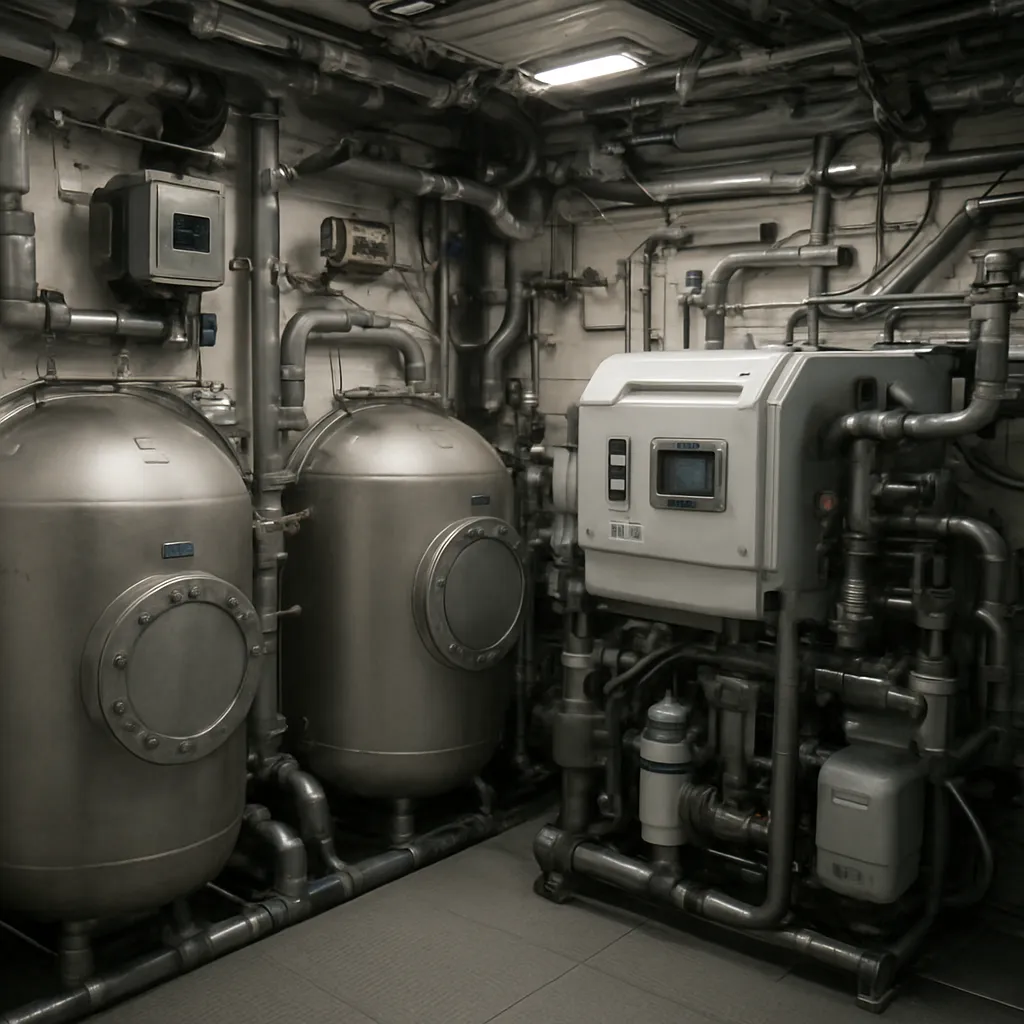
- Water Recycling: Transpired moisture is condensed and purified, providing a renewable supply for hydroponic reservoirs.
- Air Regeneration: Photosynthetic activity replenishes O₂ and sequesters CO₂, reducing the need for external gas supplies.
- Waste Valorization: Organic residues, such as root matter and unharvested biomass, are composted or processed into growth substrates, minimizing planetary contamination.
By adopting a holistic approach, future habitats may achieve near-complete resource recovery, enabling self-sustaining ecosystems that support human life. Such bioregenerative systems, informed by rigorous ground-based testing, will be essential stepping stones toward permanent lunar bases and Martian colonies.
Looking ahead, integrating synthetic biology holds promise for further enhancing crop performance. Engineered microbial consortia could act as biofertilizers, facilitating nutrient available in inert regolith substrates. CRISPR-based edits may confer enhanced tolerance to cosmic radiation and desiccation, while customizable photoreceptors allow plants to utilize unconventional light spectra from LED arrays optimized for energy efficiency.
The collective progress in understanding plant adaptive mechanisms under simulated space stressors and the concurrent evolution of cultivation technologies herald a new era in off-world agriculture. As we push the boundaries of human exploration, the ability to produce safe, nutritious food on-site will define the success and longevity of extraterrestrial missions. Ongoing research continues to unlock the secrets of plant resilience, bringing us ever closer to the dream of flourishing gardens on distant worlds.