The pursuit of human expansion into outer space brings to the forefront a series of pressing questions surrounding the manipulation of living organisms to withstand harsh extraterrestrial conditions. As technological advancements push the boundaries of possibility, it becomes crucial to examine the moral quandaries that accompany the engineering of plants, microbes, and even animals for survival beyond Earth. This discussion delves into the scientific strategies, ethical debates, and broader implications of modifying life to ensure food production, ecosystem stability, and human health on other worlds.
Biological Adaptation Strategies for Space Agriculture
Innovations in biotechnology have paved the way for new approaches to cultivating life in environments with limited light, extreme radiation, and scarce resources. Researchers are exploring:
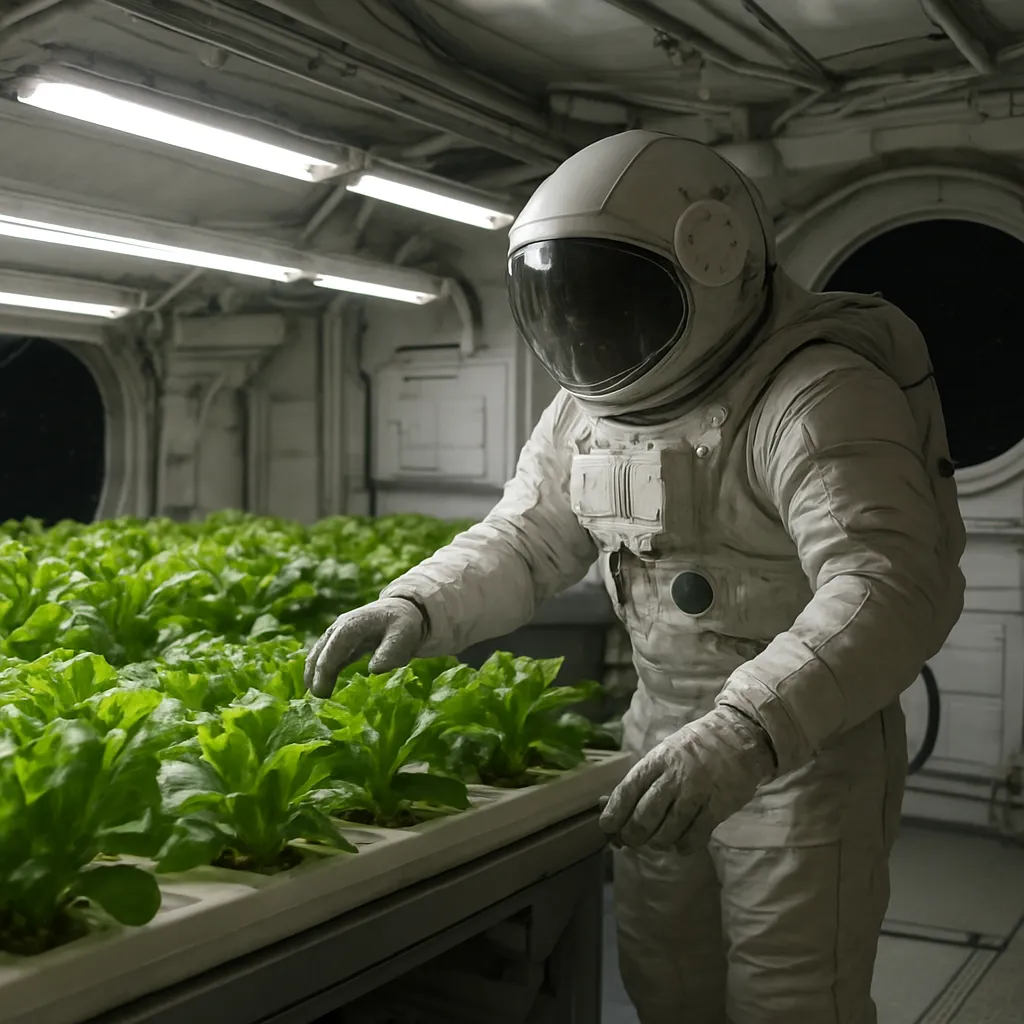
- Hydroponic and aeroponic systems that recycle water and nutrients in closed loops.
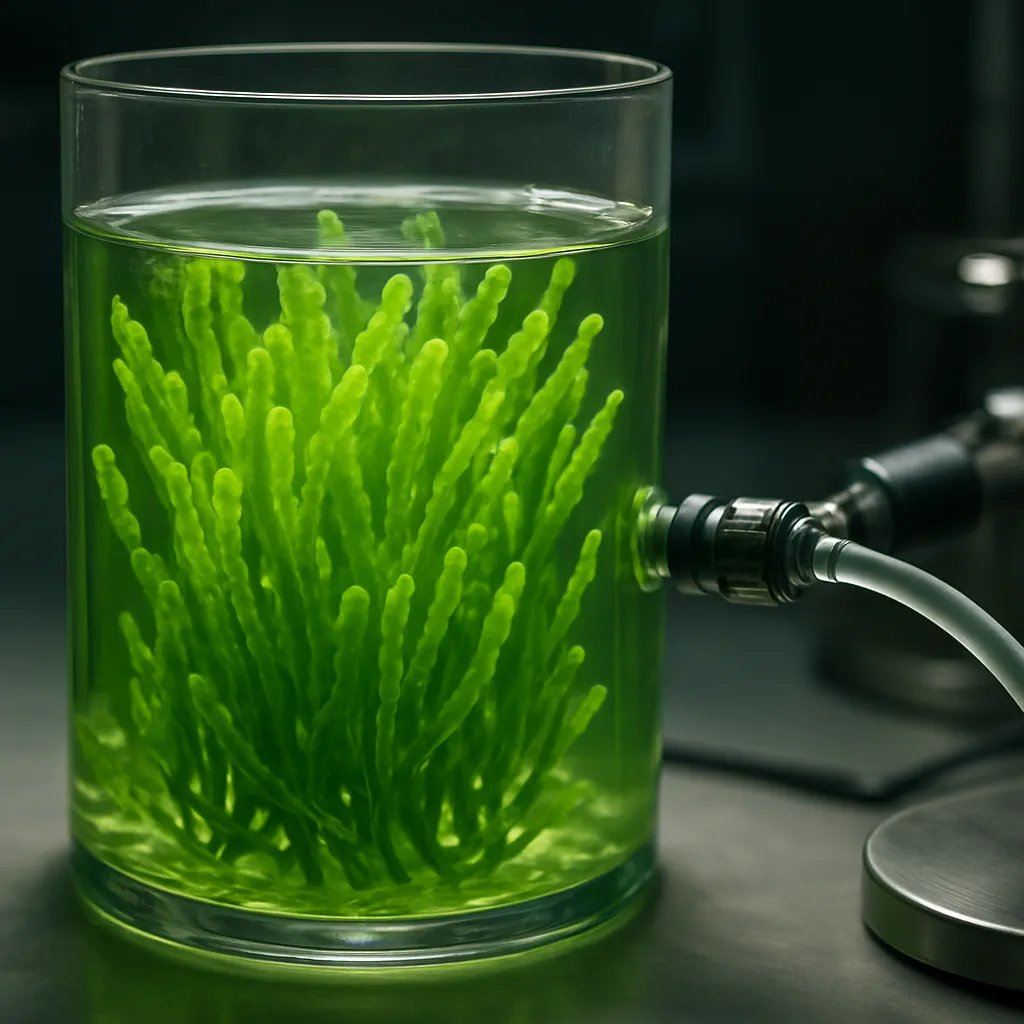
- Symbiotic cultivation of bacteria and algae to generate oxygen, fix nitrogen, and break down waste.
- Selective breeding programs to develop resilience traits, such as drought tolerance, rapid growth cycles, and enhanced nutrient uptake.
By harnessing these methods, scientists hope to create self-sustaining bioreactors and greenhouses capable of supporting human missions to the Moon, Mars, and beyond. Still, the introduction of novel species or heavily modified crops raises concerns about ecological balance, cross-contamination, and the preservation of Earth’s precious biodiversity.
Genome Editing and Ethical Dilemmas
CRISPR and Beyond
Genome editing technologies, notably CRISPR-Cas9, have unlocked the potential to make precise alterations in an organism’s DNA. Proponents argue that targeted edits can:
- Enhance photosynthetic efficiency by integrating genes from extremophiles.
- Increase vitamin and mineral content to combat food security challenges on long-duration missions.
- Introduce protective pigments that shield against cosmic radiation.
Nevertheless, ethical considerations loom large. Key issues include:
- Consent: Cannot be obtained from future generations or novel species impacted by such modifications.
- Unintended consequences: Off-target mutations might trigger new vulnerabilities or toxin production.
- Moral boundaries: To what extent is it permissible to engineer sentient organisms for human benefit in alien habitats?
The debate extends to the notion of playing a role akin to cosmic gardeners—reshaping life forms to thrive in extraterrestrial soils. Critics warn of hubris and advocate for stringent oversight frameworks to balance scientific progress with respect for life’s intrinsic value.
Agricultural Systems for Extraterrestrial Environments
Designing the Martian Farm
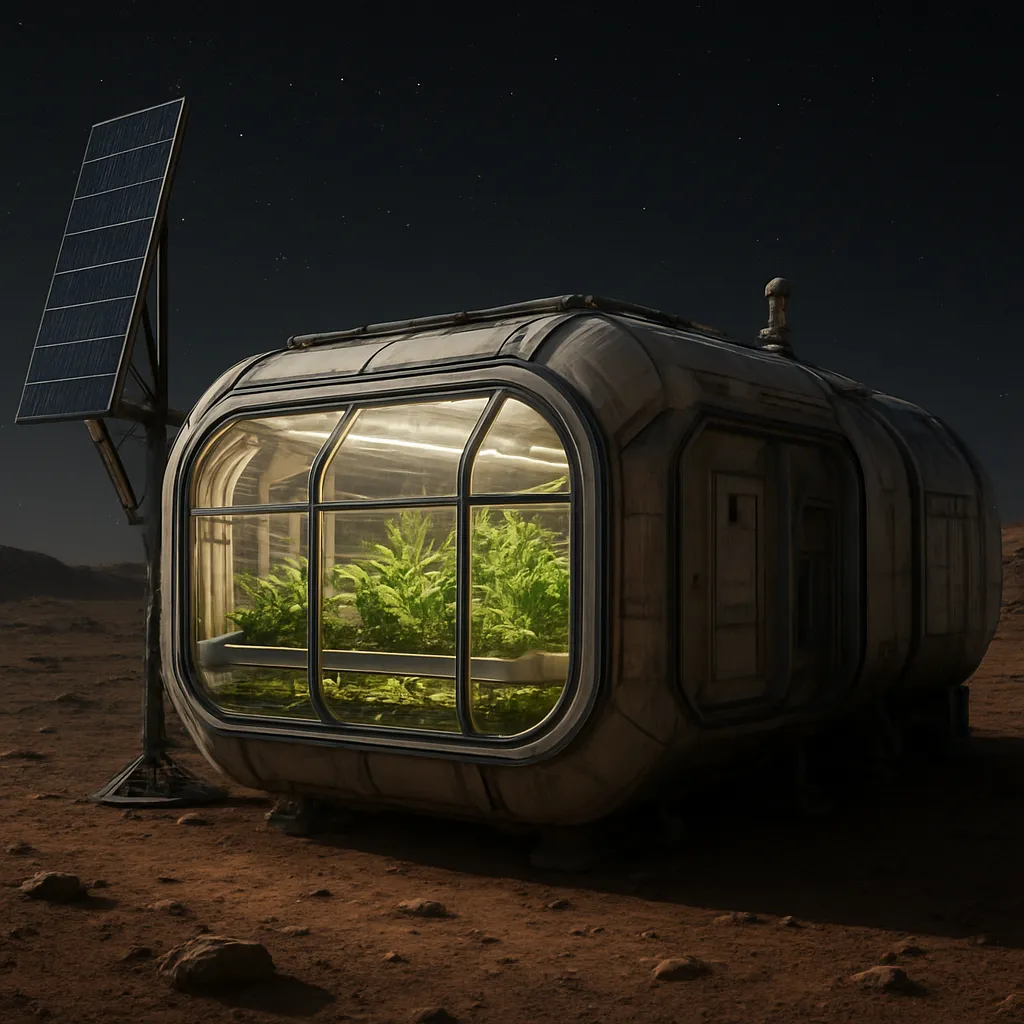
Creating a viable farm on Mars or the Moon demands innovative solutions to issues such as gravity differences, reduced atmosphere, and limited solar intensity. Proposed systems include:
- Modular greenhouses with adjustable LED lighting to mimic Earth’s day-night cycles.
- Regolith-based substrates fortified with organic amendments from composted human waste.
- Microbial consortia engineered to mobilize phosphates and trace elements locked in lunar or Martian soil.
Such designs aim to maximize resource efficiency and ensure a stable food supply. However, the prospect of altering native regolith through biotechnology raises questions about planetary protection and terraforming ethics. Should humanity transform other worlds to suit our needs, or preserve them in a pristine state for future scientific study? Balancing these priorities is central to any off-world agricultural endeavor.
Societal Implications and Regulatory Challenges
Beyond technical feasibility lies the realm of governance and public acceptance. National and international bodies must grapple with:
- Developing comprehensive guidelines for the release and containment of genetically modified organisms in space habitats.
- Ensuring equitable access to biotechnological tools so that all participating nations can contribute and benefit.
- Addressing intellectual property disputes over patented genes and cultivation techniques.
A robust regulatory framework should integrate perspectives from scientists, ethicists, indigenous voices, and global citizens who will be affected by decisions made today. Transparency and interdisciplinary dialogue are crucial to avoid monopolies of power and to foster trust in space-faring endeavours.
Long-Term Vision: Coexistence of Earth and Space Ecosystems
Synchronizing Goals
As humanity ventures into the cosmos, the interplay between terrestrial and extraterrestrial agriculture will become increasingly intertwined. Lessons learned from closed-loop space systems could revolutionize sustainable farming on Earth by:
- Reducing waste through complete nutrient recycling.
- Minimizing chemical inputs by leveraging engineered microbial partners.
- Enhancing crop yields in arid or degraded lands, bolstering global sustainability.
Conversely, moral responsibility dictates that we prevent irreversible damage to off-world environments. The challenge lies in harmonizing technological ambition with ethical stewardship, ensuring that our reach for the stars does not compromise the delicate web of life both at home and beyond.