The intersection of space exploration and **agriculture** is reshaping how humanity approaches food production beyond Earth’s boundaries. As missions to the Moon, Mars, and other celestial bodies advance, the reliance on **robotics** and cutting-edge **technology** becomes paramount. These systems must ensure reliable **cultivation** in extreme environments where resources are scarce and conditions are unforgiving. By integrating smart machines with advanced environmental controls, extraterrestrial farms promise to support long-duration human presence and pave the way for interplanetary colonization.
Emerging Frontiers in Extraterrestrial Farming
Early experiments in microgravity aboard orbiting platforms have demonstrated that plants can adapt to unique stressors, but scaling these trials to surface-based agriculture introduces new variables. Reduced gravity alters root orientation and fluid dynamics, while cosmic radiation disrupts cellular processes. To overcome these challenges, space agencies and private ventures are collaborating on closed-loop **sustainability** models that recycle water, capture carbon dioxide, and optimize light spectra for plant growth.
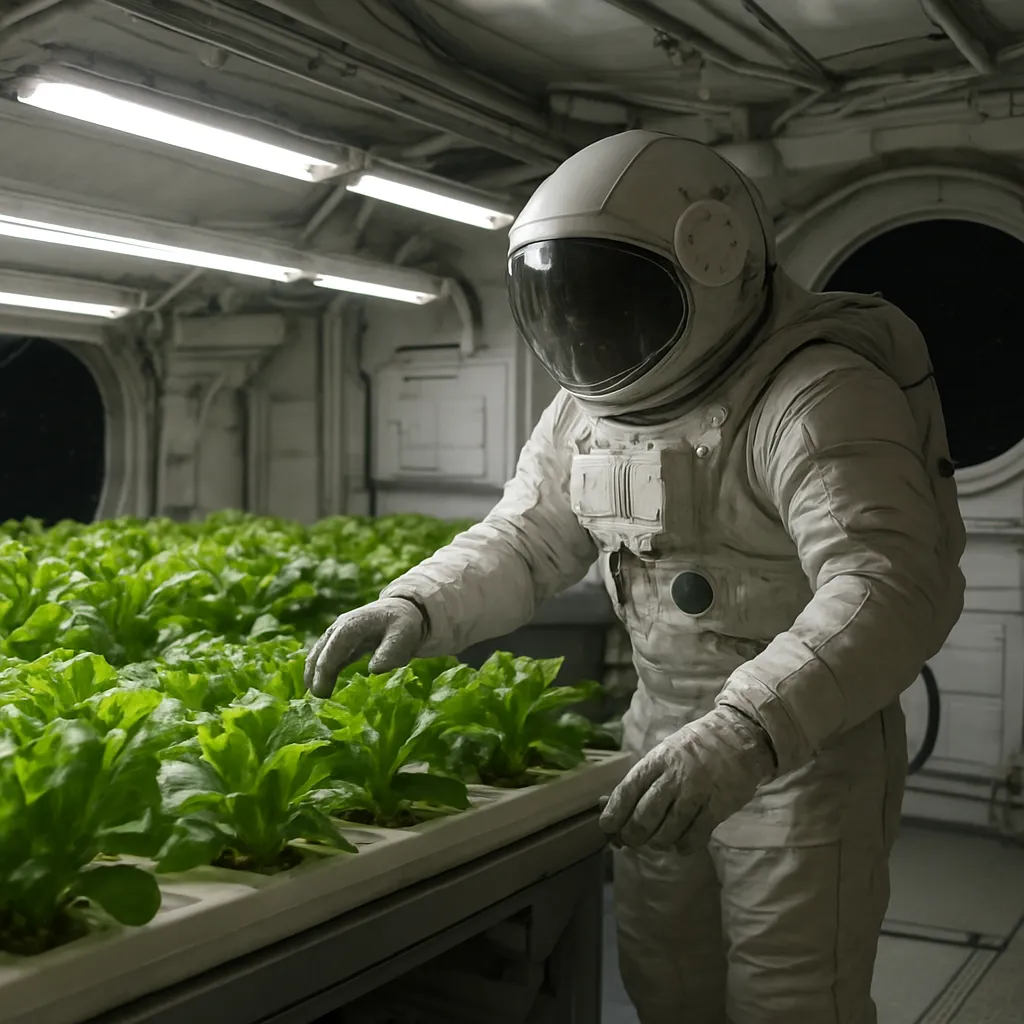
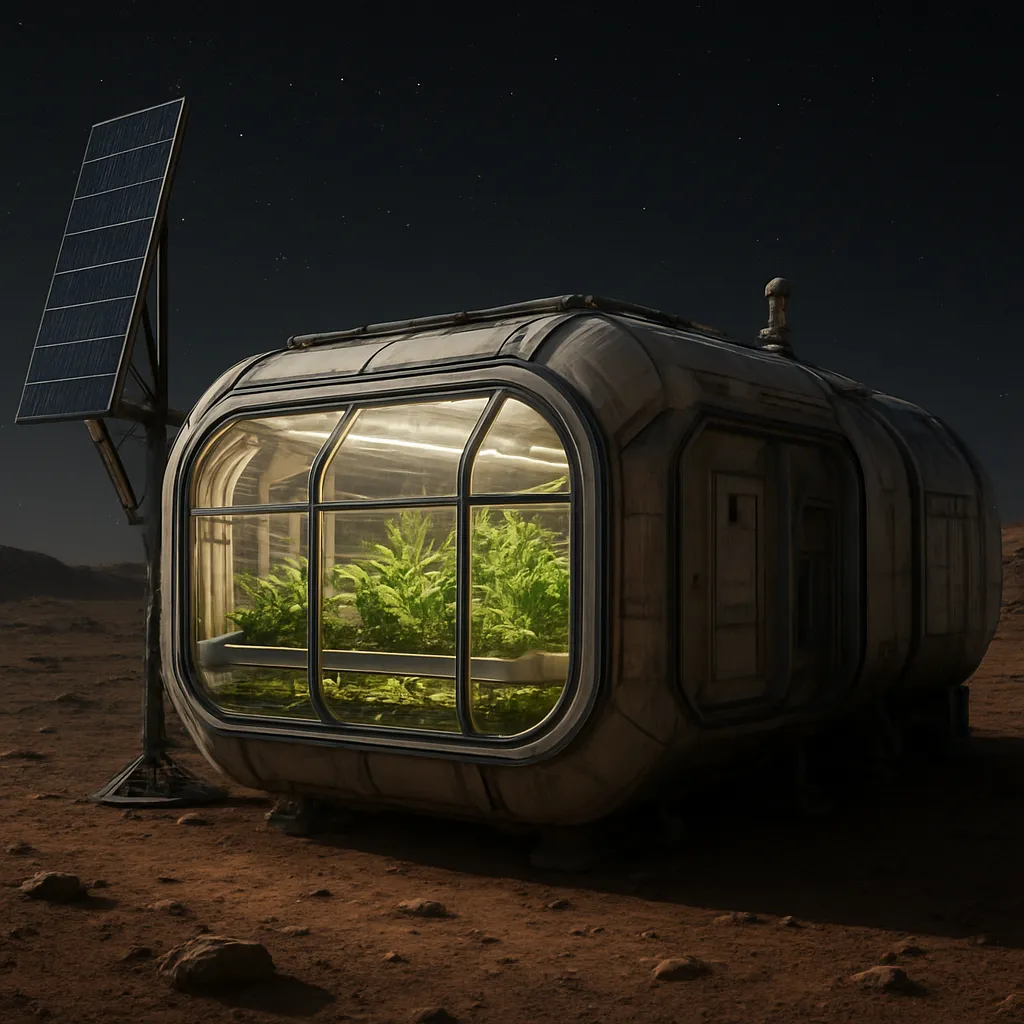
In designing lunar greenhouses or Martian biospheres, engineers must balance structural integrity with weight constraints. Deployable habitats, constructed from lightweight composites and inflatable modules, provide sheltered environments for hydroponic and aeroponic systems. Within these structures, climate control relies on precise temperature and humidity regulation. Smart vents, heat exchangers, and LED arrays work in concert to mimic Earthlike conditions, enabling robust crop yields despite extreme diurnal temperature swings.
Innovations in Robotics and Sensor Networks
Core to extraterrestrial farming is the integration of intelligent **sensors** with mobile robotic platforms. These distributed networks gather real-time data on soil analog properties, moisture content, and nutrient distribution. By fusing sensor inputs with machine learning algorithms, systems can detect signs of plant stress, pest intrusion, or microbial imbalance before visible symptoms emerge. Early remediation preserves crop health and maximizes resource use.
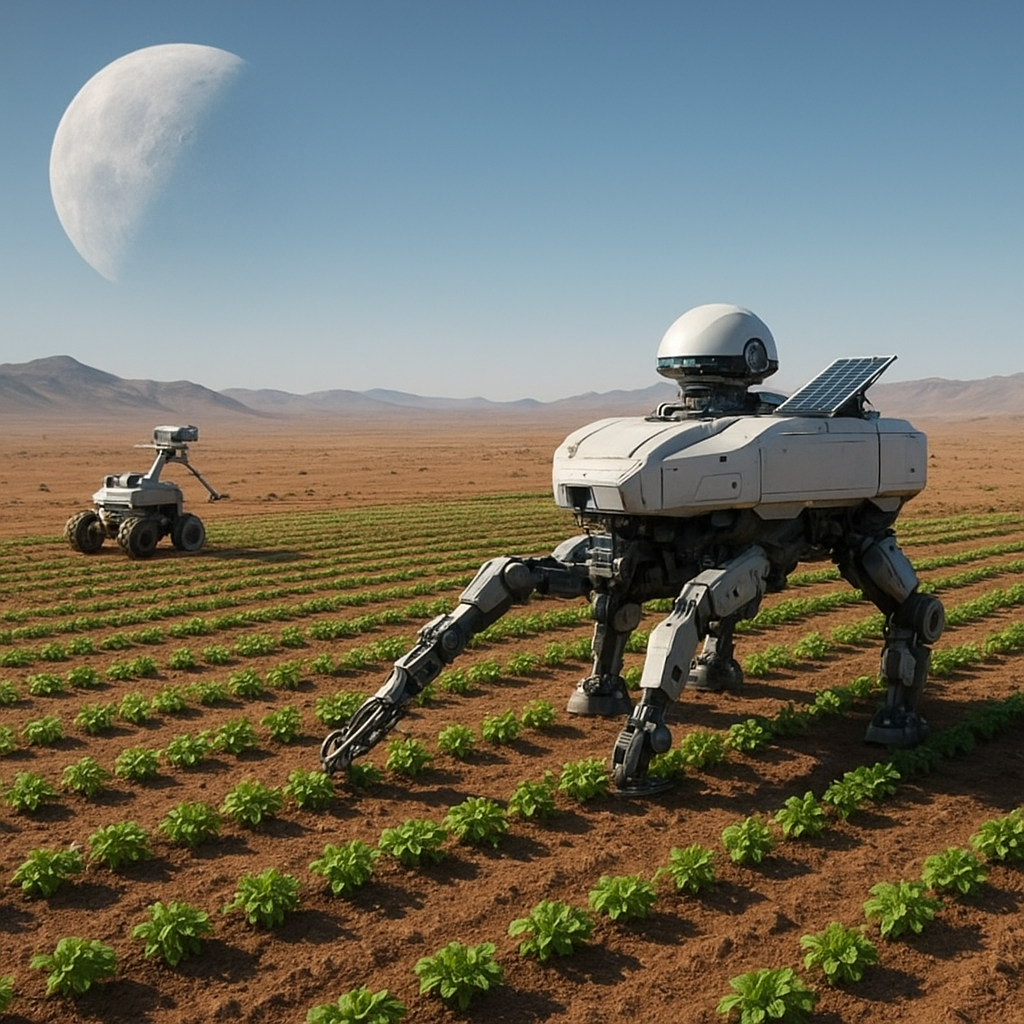
- Autonomous rovers equipped with multi-spectral cameras scan plant canopies for growth rates and photosynthetic efficiency.
- Robotic arms harvest mature produce and perform delicate tasks such as pollination and pruning.
- Micro-drone swarms navigate confined greenhouse spaces to deliver targeted nutrients or conduct environmental sampling.
Each robotic agent operates under distributed control, sharing insights through a mesh network. When one unit encounters an anomaly—such as a localized humidity drop—it can dispatch supplementary units or adjust ventilation settings. This cooperative behavior underpins system-wide **resilience**, ensuring that individual failures do not compromise overall productivity.
Designing Autonomous Systems for Resource Efficiency
Resource scarcity on extraterrestrial outposts demands extreme **efficiency**. Water, air, and energy must be managed using minimal inputs and maximal recycling. Automated hydroponic racks recirculate nutrient solution with closed-loop filtration, removing pathogens and replenishing macro- and microelements. Intelligent pumps and valves adjust flow rates to match root uptake, avoiding waterlogging and root-zone hypoxia.
Energy conservation relies on synergies between agricultural robots and habitat power systems. Solar arrays on Martian fields generate electricity during daylight, while regenerative fuel cells store surplus energy for nocturnal operations. Robots schedule high-load tasks—such as lighting-intensive growth phases or mechanical harvesting—to coincide with peak power availability, smoothing demand curves and reducing battery wear.
Addressing Lunar and Martian Soil Constraints
Unlike hydroponic approaches, in situ soil cultivation offers potential advantages in resource autonomy. Lunar regolith and Martian regolith analogs contain minerals that, once processed, can support plant life. However, these substrates lack organic matter and present issues such as particle toxicity and void-induced poor water retention.
Regolith Processing and Amendments
Robotic processors grind and sterilize regolith to remove harmful perchlorates and sharp particulates. Enzymatic treatments break down mineral compounds into bioavailable forms. Automated mixers then combine processed regolith with imported or locally synthesized organic matter—such as microbial biomass—to create a fertile growth medium.
Targeted Nutrient Delivery
Drip systems insert micro-doses of dissolved nutrient salts directly into the root zone, monitored by soil moisture sensors. These networks calibrate pH, electrical conductivity, and ion concentration, ensuring that plants receive a balanced supply of nitrogen, phosphorus, and potassium. If deficiencies arise, robotic injectors deliver corrective supplements without disrupting root architecture.
The Role of Artificial Intelligence in Farm Management
Advanced **AI** frameworks orchestrate the myriad tasks required for successful off-world agriculture. By analyzing historical growth data and predictive climate models, these systems forecast optimal planting schedules, crop rotations, and harvest windows. Reinforcement learning agents adapt strategies over time, improving yield outcomes under variable environmental conditions.
Machine vision modules classify plant phenotypes, detect disease markers, and gauge fruit ripeness. When integrated with robotic harvesters, this vision technology supports selective picking, reducing waste and preserving product quality. Feedback loops allow AI controllers to refine detection algorithms, continuously enhancing performance as more data are collected.
Collaboration and Future Prospects
Realizing extraterrestrial farms requires interdisciplinary collaboration across robotics, **autonomy**, botany, and human factors engineering. International consortia pool resources to build testbeds on Earth, such as polar research stations and desert simulators, where systems face analogous stressors. These analog missions validate designs in isolation, low temperatures, and limited resupply scenarios.
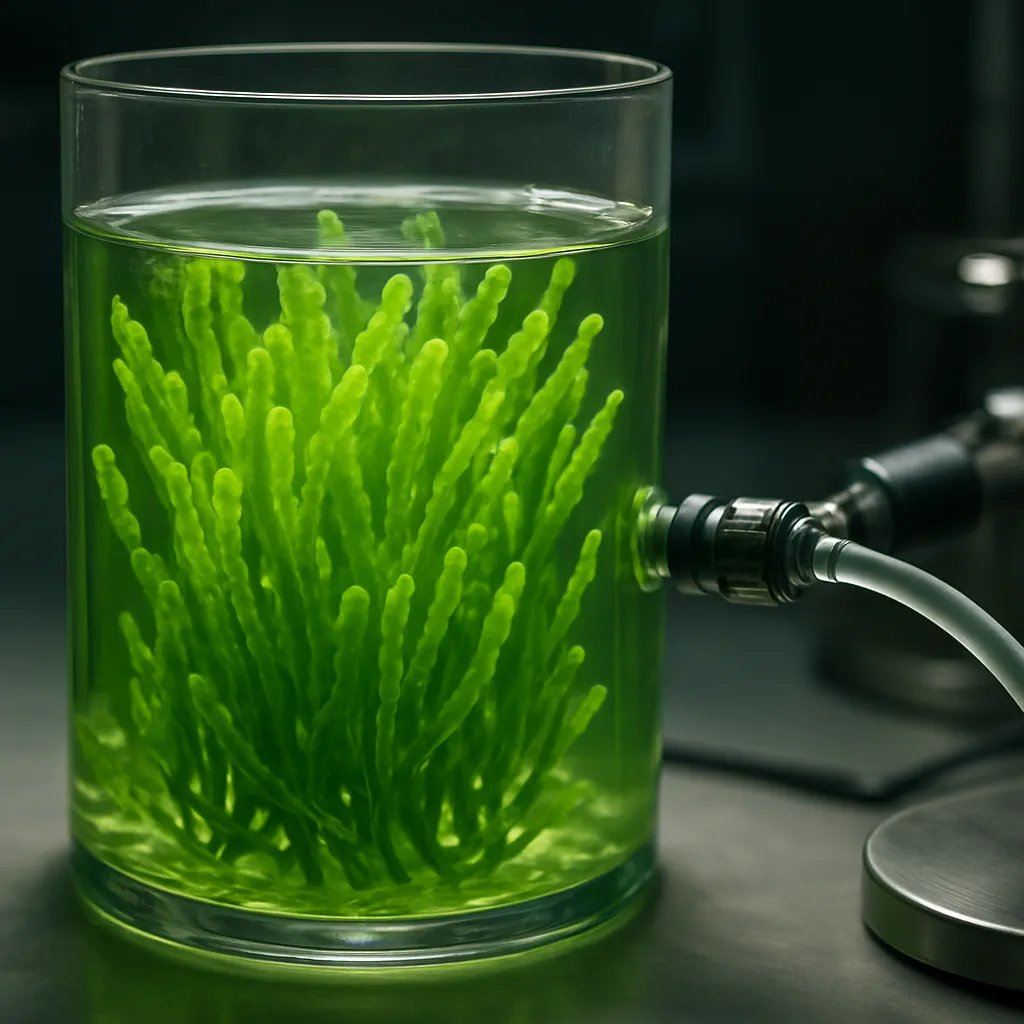
Looking ahead, the convergence of synthetic biology and robotics offers revolutionary possibilities. Genetically tailored plants could emit chemical signals to guide robotic pollinators or secrete enzymes that simplify nutrient extraction from regolith. In turn, adaptive machines might cultivate multi-species ecosystems, integrating algae, fungi, and bacteria to create robust, self-regulating bioregenerative habitats.
As humanity ventures deeper into the Solar System, the synergy between advanced **robotics**, environmental monitoring, and controlled-environment agriculture will become indispensable. Through innovation in **autonomy**, cross-disciplinary research, and iterative testing, extraterrestrial farms will evolve from conceptual prototypes into essential life-support systems, enabling sustainable presence on the Moon, Mars, and beyond.