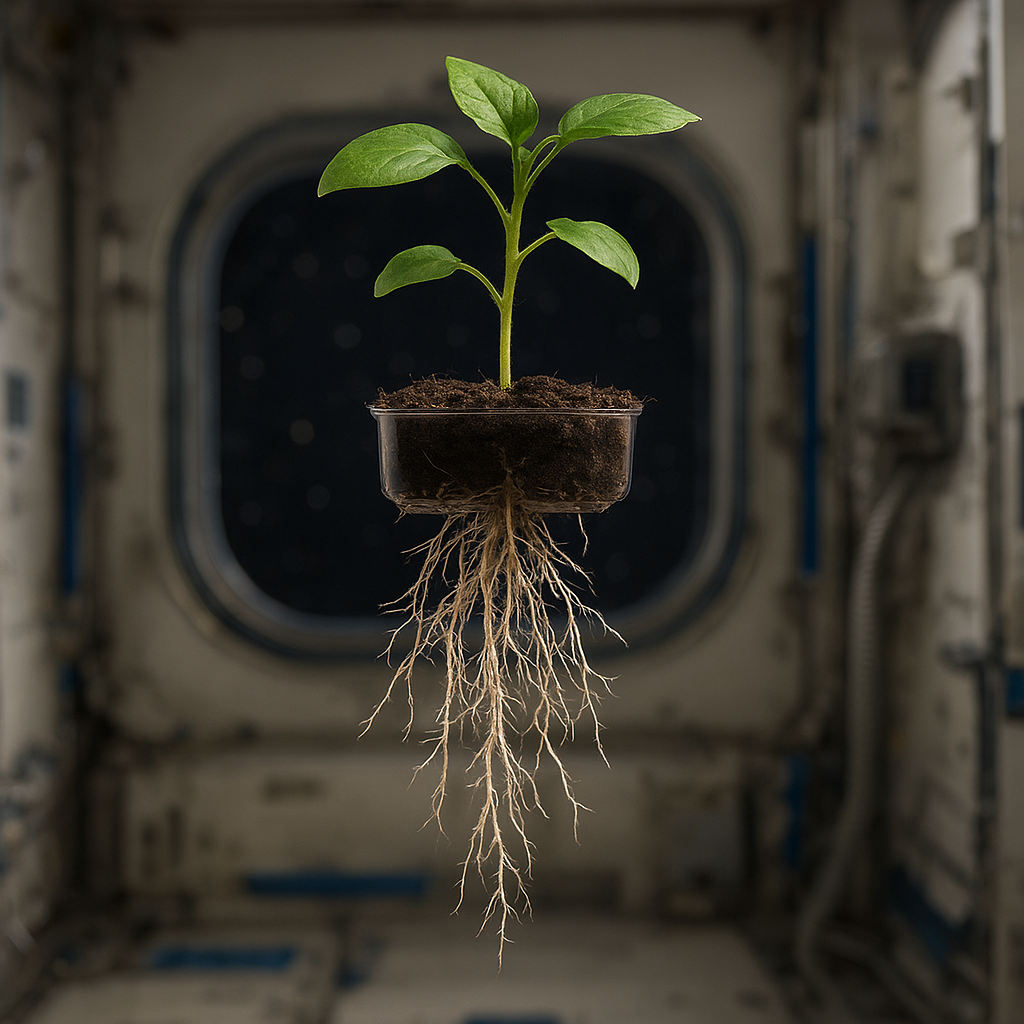
Exploring the underground world of plants in weightless environments reveals a complex interplay of biology, engineering, and innovation. As humanity seeks to establish a sustained presence beyond Earth, understanding how root systems behave in microgravity becomes vital. Without the guiding force of gravity, roots must adapt to new cues for orientation, water acquisition, and nutrient distribution. This article examines the significance of these adaptations, the underlying biological mechanisms, and the technologies driving progress in space agriculture.
Significance of Root Behavior in Space Cultivation
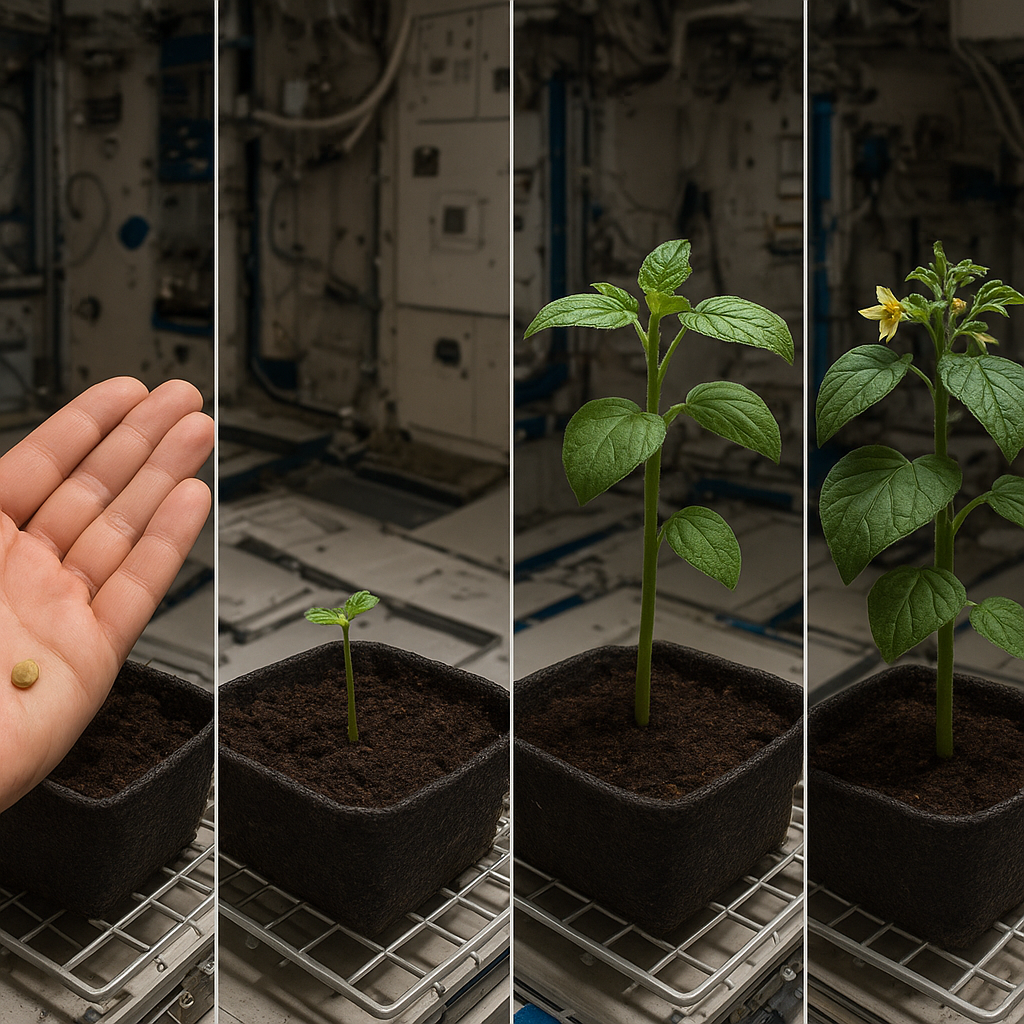
Root systems form the foundation of any plant’s health and productivity. In terrestrial farming, roots anchor plants, regulate water uptake, and facilitate mineral absorption. However, in the absence of gravitational pull, plants lose their primary guidance system for downward growth. Researchers have observed dramatic alterations in growth patterns when roots are exposed to microgravity, leading to challenges such as root entanglement, uneven nutrient distribution, and reduced overall yield.
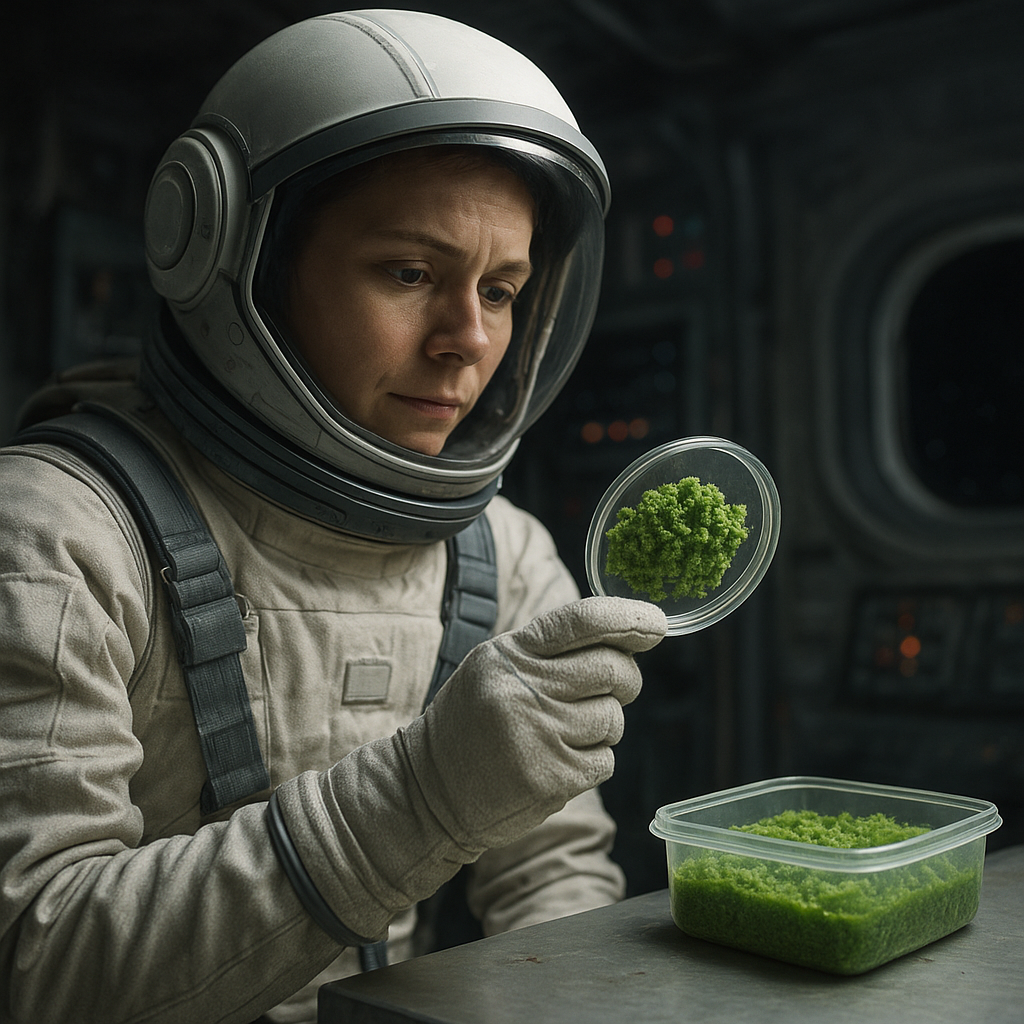
Understanding root behavior in space is more than a scientific curiosity—it underpins efforts to cultivate fresh food for astronauts on long-duration missions. Without reliable, high-quality produce, crews become increasingly reliant on resupply missions, which are costly and logistically complex. Developing robust root systems is therefore essential to:
- Optimize water and nutrient delivery systems.
- Ensure structural stability in plant support modules.
- Reduce dependence on Earth-bound resources.
- Enhance psychological well-being through fresh produce.
Moreover, insights gained from space-based root research often translate into advancements in soil-less agriculture on Earth, such as hydroponics and aeroponics, benefiting communities facing water scarcity or limited arable land.
Biological Mechanisms of Root Adaptation
At the heart of root adaptation to microgravity lies a network of cellular sensors and signal transduction pathways. On Earth, root cap cells detect gravitational forces via statoliths—dense, starch-filled organelles—that settle in response to gravity. In orbit, the absence of a downward pull prevents statolith sedimentation, prompting alternative guidance mechanisms to emerge.
Gravity Perception and Signal Transduction
Without statolith-based cues, plants activate cell signaling pathways that rely on fluid pressure differentials and hormonal gradients. Key players include auxins, cytokinins, and ethylene, which regulate root curvature and elongation. Experimental data from the International Space Station (ISS) reveals that auxin distribution becomes more uniform in microgravity, leading to less directional growth. Understanding these hormonal shifts allows researchers to manipulate culture conditions—such as light orientation and nutrient solution flow—to compensate for lost gravitational signals.
Root Morphology and Cellular Structure
Microgravity influences root morphology at the cellular level. Observations highlight:
- Enhanced lateral root emergence, creating a bush-like architecture.
- Altered cell wall composition, with changes in pectin and cellulose content.
- Variations in root hair density, impacting surface area for nutrient uptake.
Such morphological changes affect the plant’s ability to access water and minerals. By engineering nutrient solutions with tailored ion concentrations and viscosity, scientists can promote desirable root traits even in the absence of gravity’s directional input.
Genomic and transcriptomic analyses have further revealed that genes associated with mechanoperception and cytoskeletal organization show differential expression in microgravity. These insights pave the way for breeding or genetically modifying plant varieties optimized for space cultivation.
Engineering Solutions and Technological Innovations
Translating biological understanding into practical systems requires interdisciplinary collaboration. Engineers design cultivation modules that provide artificial cues to guide root growth, while biologists fine-tune environmental parameters to support plant health.
Substrate-Based Approaches
Traditional soil analogs are impractical in microgravity due to particle dispersion. Instead, rigid or semi-rigid substrates—such as foam blocks, clay granules, or polymer fibers—anchor roots and maintain porosity. These substrates are integrated into closed-loop systems featuring:
- Controlled irrigation channels for uniform moisture distribution.
- Embedded sensors to monitor root zone pH, temperature, and oxygen levels.
- Modular design allowing for easy replacement and sterilization.
Substrate systems can be optimized for water retention and aeration. For instance, foam-based media enriched with hydrogels provide a buffer against over- or under-watering, crucial when gravity cannot aid drainage.
Fluid-Based Cultivation: Hydroponics and Aeroponics
Advances in hydroponics and aeroponics offer promising alternatives to substrate cultivation. In hydroponic systems, roots are suspended in nutrient-rich solutions, while aeroponic setups deliver a fine mist directly to root surfaces. Both methods eliminate the need for soil or solid support, reducing mass and complexity.
- Hydroponics systems rely on pumps and tubing to maintain continuous flow and oxygenation.
- Aeroponics systems employ high-frequency nozzles to create a nutrient-laden mist, enhancing root exposure to oxygen.
- Integration with LED lighting and climate control allows for precise modulation of growth conditions.
Critical to these systems is the management of fluid behavior in microgravity. Without gravity-driven circulation, designers use centrifugal pumps and directional flow channels to prevent nutrient stagnation and ensure even distribution. Computational fluid dynamics (CFD) models guide the placement of inlets and outlets within plant growth chambers.
Future Prospects: Automation and AI Integration
As space missions extend to Mars and beyond, autonomous agricultural systems will be indispensable. Artificial intelligence and machine learning algorithms analyze sensor data to adjust environmental parameters in real time. Potential capabilities include:
- Predictive modeling of plant stress responses to microgravity.
- Automated harvesting and replanting using robotic arms.
- Dynamic reconfiguration of nutrient formulas based on growth stage.
By embedding smart sensors in root zones and foliage, these systems can optimize resource use, minimize waste, and maximize productivity. Integration with spacecraft life support systems further improves efficiency, recycling water and oxygen between plants and crew.
Implications for Earth and Beyond
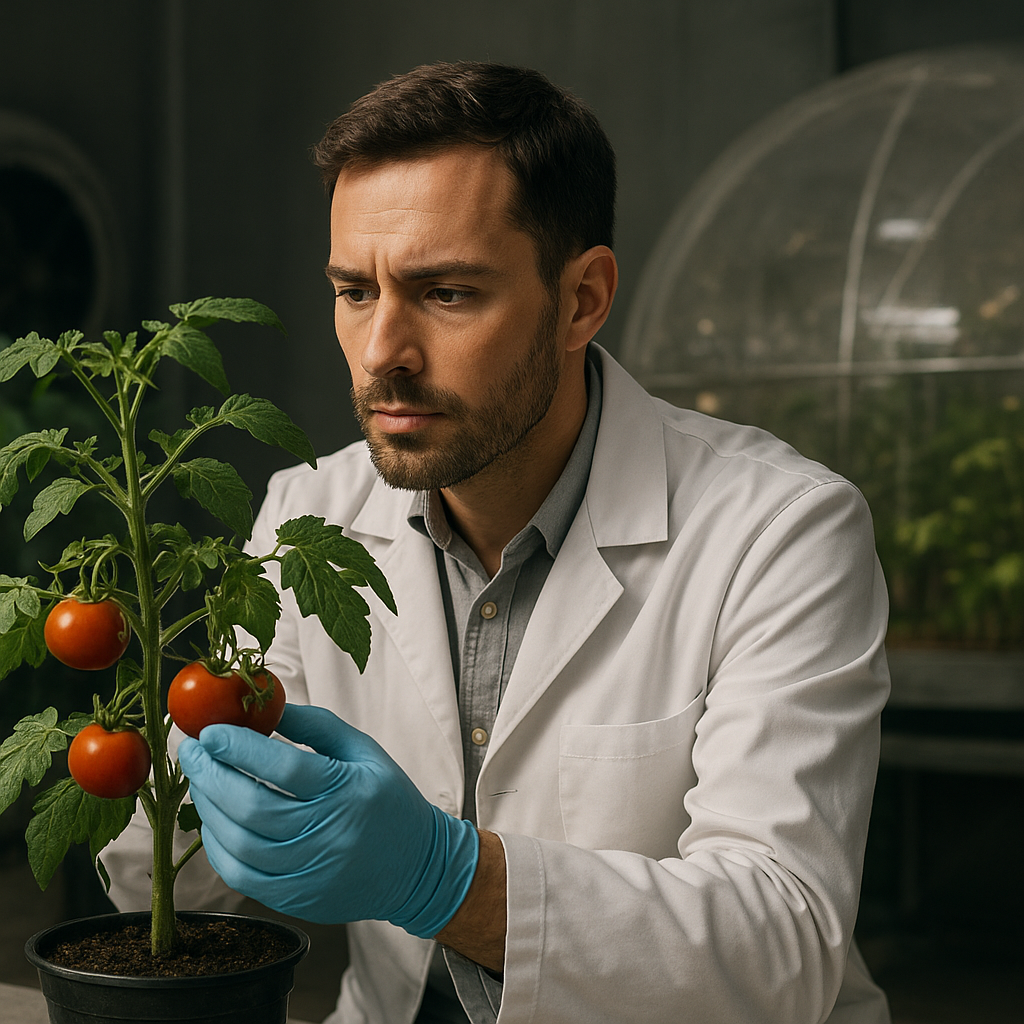
Research on root systems in microgravity not only supports extraterrestrial agriculture but also drives innovation on Earth. Techniques developed for closed-loop environments inform vertical farming, urban agriculture, and precision horticulture. By mastering root behavior without gravity, scientists unlock new possibilities for sustainable food production in deserts, polar regions, and densely populated cities.
Furthermore, the study of plant responses to altered gravitational vectors deepens our understanding of fundamental plant physiology. Insights into mechanoperception and cytoskeletal dynamics can lead to crops that are more resilient to environmental stressors, such as flooding or compacted soils. Collaborative efforts between space agencies, universities, and private companies continue to accelerate progress, ensuring that the next generation of spacefarers and farmers alike can harness the power of root systems for a thriving future.