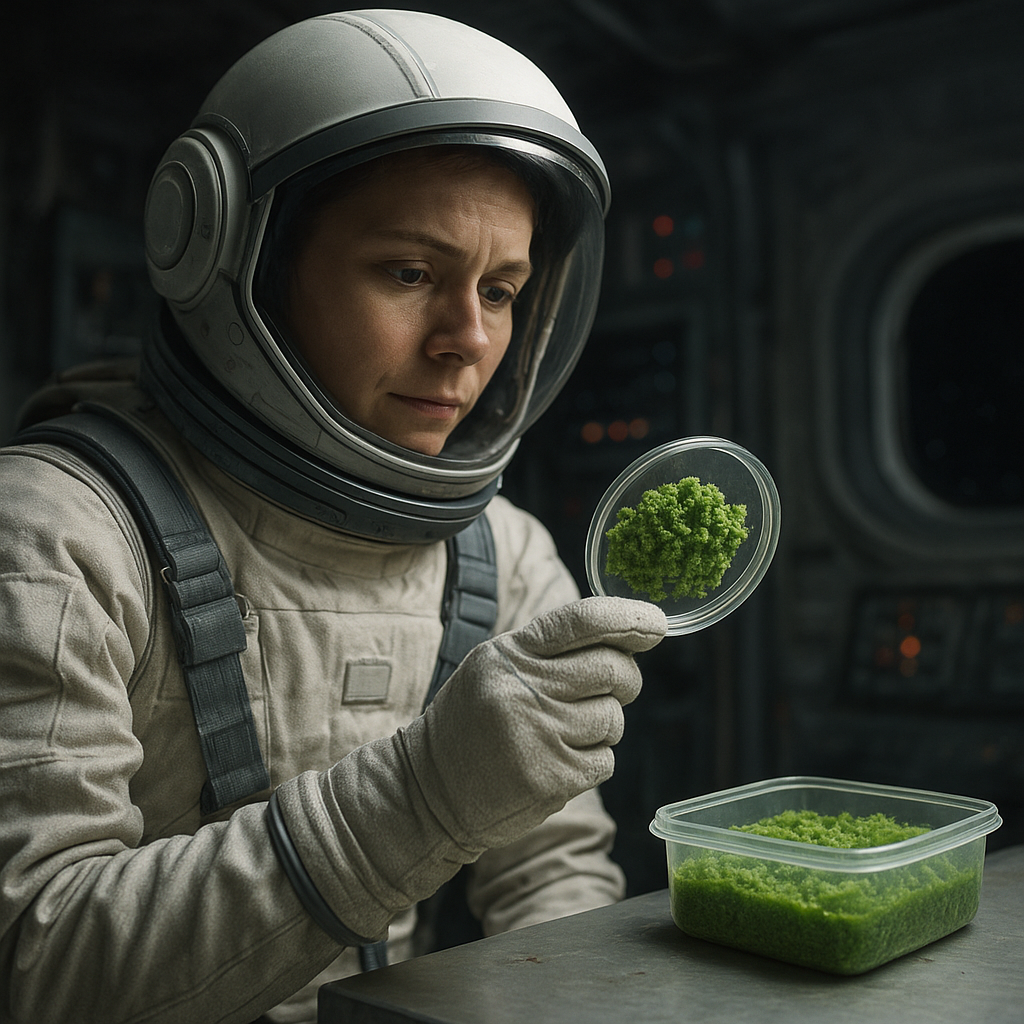
Exploring the intersection of agriculture and space exploration unveils a transformative approach to feeding crew members on long-duration missions. Edible microorganisms promise a compact, efficient, and highly adaptable source of nourishment, addressing critical constraints of storage, weight, and resource recycling. This article delves into the scientific advances enabling microbial foods, their nutritional advantages, and the technological challenges that must be overcome to implement them in extraterrestrial environments.
Harnessing Microbial Magic for Spacefarers
Traditional food systems rely on soil, sunlight, and extensive logistics chains—elements that are scarce or absent beyond Earth’s atmosphere. In contrast, cultivating microorganisms such as algae, yeasts, and bacteria requires minimal space and can proceed in closed-loop facilities. These tiny life forms can convert simple substrates like carbon dioxide, water, and trace minerals into biomass rich in protein, essential amino acids, and vitamins. For astronauts embarking on missions to Mars or lunar bases, microbial foods offer a reliable back-up to pre-packaged rations and hydroponic crops, boosting dietary diversity and psychological well-being.
Advanced Cultivation Strategies in Controlled Environments
Photobioreactors and Closed-Loop Systems
Modern bioreactors are engineered to maximize growth rates while minimizing contamination risks. Photobioreactors harness artificial lighting or natural sunlight to drive photosynthesis in algae species like Spirulina and Chlorella. Their compact design supports automated monitoring of temperature, pH, and nutrient levels, enabling continuous harvests of fresh biomass. Closed-loop systems recycle water and carbon dioxide exhaled by crew, creating a symbiotic relationship between life support and food production technologies.
- High surface-to-volume ratios for optimal light penetration
- Modular architectures enabling scalable deployments
- Automated nutrient dosing and waste removal
Genetic Optimization and Synthetic Biology
Cutting-edge research in synthetic biology allows scientists to engineer strains with enhanced nutritional profiles, faster growth kinetics, and tolerance to space radiation. By inserting genes from nutrient-dense crops, microbes can be tailored to produce specific vitamins, essential fatty acids, and pigments. Genetic circuits also enable self-regulating systems that adjust metabolic rates in response to environmental cues, improving resource efficiency and reducing the need for manual intervention.
Nutritional Superiority and Health Implications
Edible microorganisms excel in providing balanced macronutrients and micronutrients. Single-cell proteins deliver up to 70% of their dry weight as high-quality protein, rivaling meat sources without the associated land and water demands. Additionally, certain bacteria can synthesize vitamin B12, a nutrient often scarce in plant-based diets. The inclusion of microalgae introduces beneficial omega-3 fatty acids and antioxidants, supporting cardiovascular health and cognitive function—critical for crews in isolated, high-stress environments.
- Complete amino acid spectra comparable to animal proteins
- Rich sources of vitamins (B-complex, K2) and minerals (iron, magnesium)
- Bioactive compounds promoting immune resilience
Environmental and Operational Benefits
Integrating microbial platforms into spacecraft and planetary habitats offers significant sustainability advantages. They require up to 90% less water than traditional crops and can use waste carbon dioxide and greywater as inputs. The by-products of microbial fermentation—residual biomass and extracellular polymers—can be repurposed for resource recovery, such as bioplastics or soil conditioners in hybrid agriculture modules. This closed-loop mentality reduces cargo mass and launch costs, while enhancing mission autonomy.
Technological Challenges and Research Frontiers
Despite their promise, microbial food systems face hurdles in scaling from laboratory prototypes to reliable spaceflight operations. Maintaining sterility in microgravity, preventing biofilm formation on equipment, and ensuring consistent quality of edible biomass require robust engineering solutions. Radiation shielding, vibration dampening, and automation of harvesting processes are active areas of investigation. Collaborative efforts between aerospace agencies, academia, and private companies are accelerating the development of pilot facilities on the International Space Station and analog habitats on Earth.
Envisioning the Next Generation of Space Agriculture
Future research aims to integrate microbial cultivation with plant and insect farming, forging multifunctional ecosystems that bolster resilience. Artificial intelligence and real-time sensing will optimize growth cycles, while modular units can be adapted for missions of varying duration. As humanity sets its sights on Mars outposts and beyond, edible microorganisms will play a pivotal role in sustaining life, fostering greater self-reliance, and unlocking new possibilities for long-term exploration.