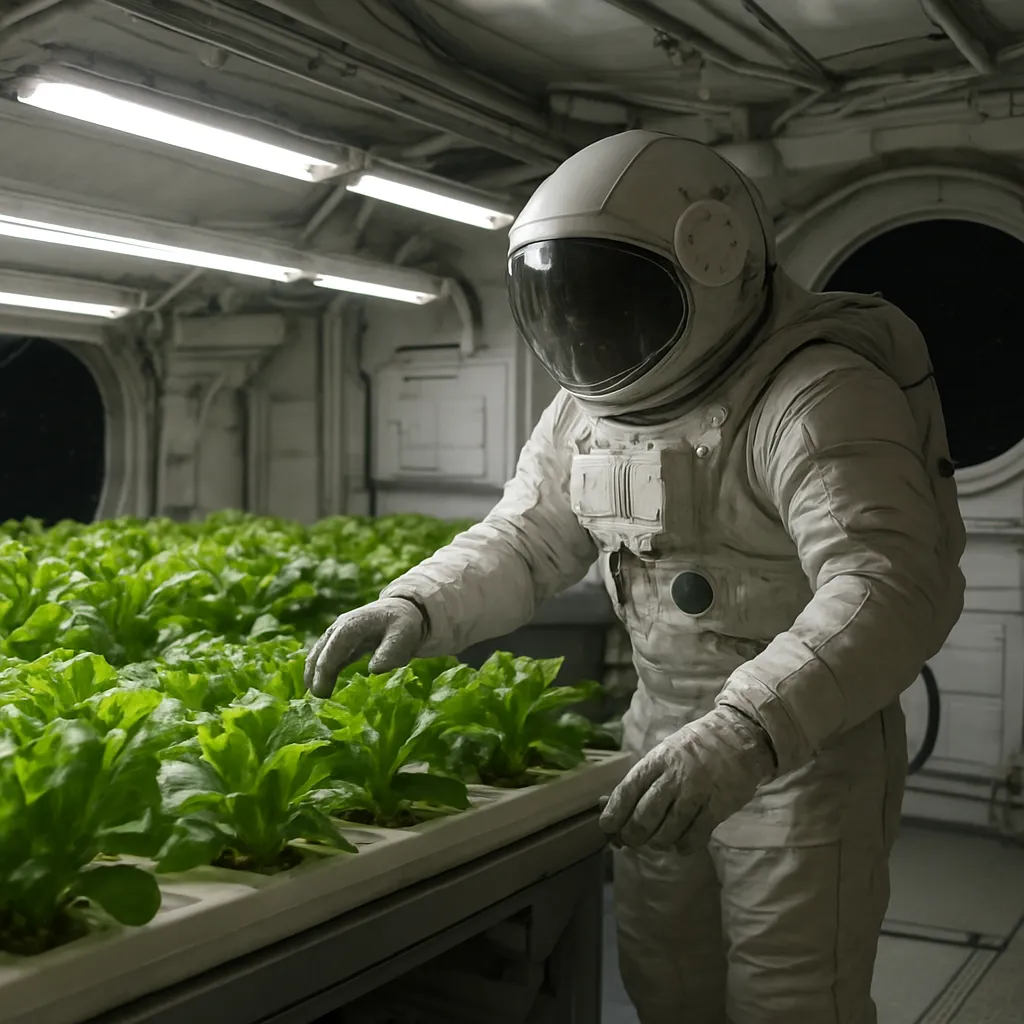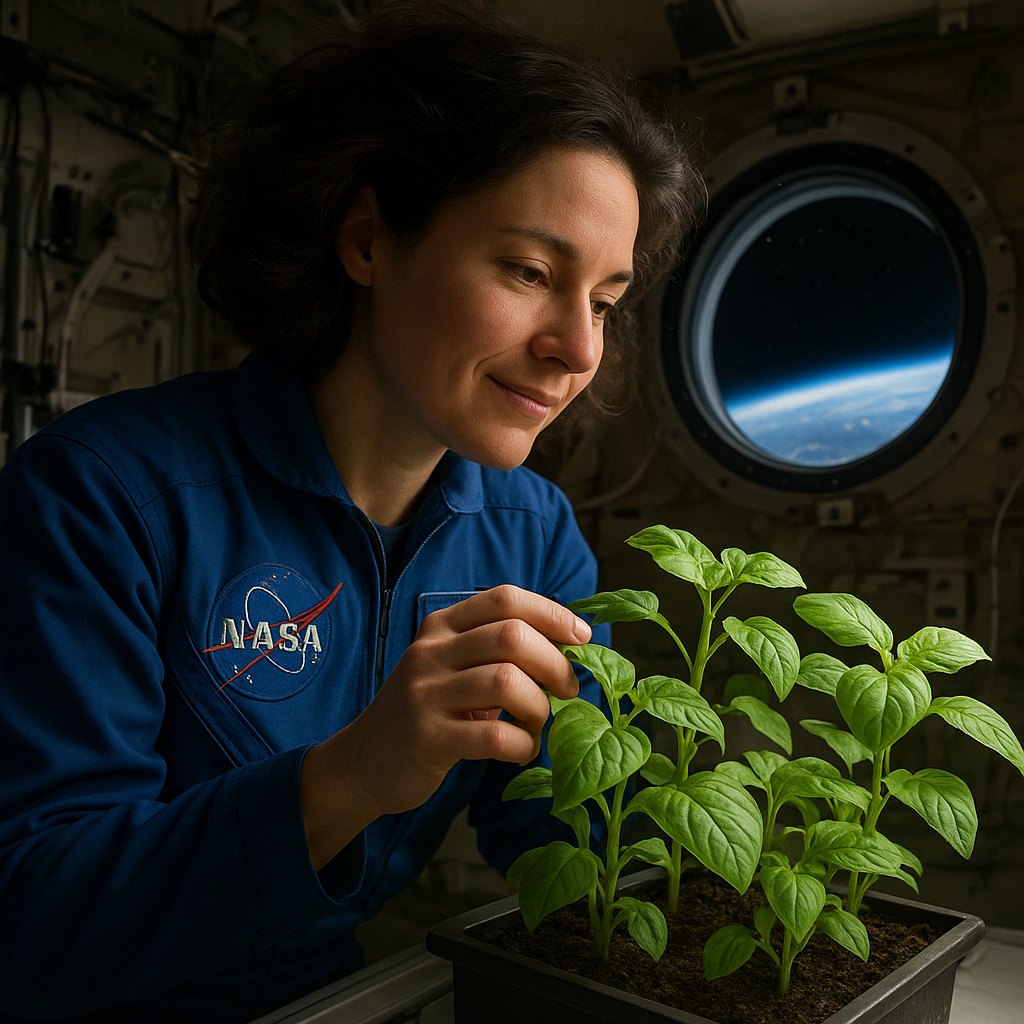
Exploring the final frontier goes beyond rockets and space stations; it delves into the human mind and heart. Growing plants in orbit offers more than just a source of fresh food—it provides profound psychological advantages that can shape the future of long-duration spaceflight. From counteracting the effects of isolation to enhancing productivity, the simple act of nurturing greenery in microgravity resonates deeply with astronauts’ innate connection to life on Earth.
Understanding the Psychological Landscape of Space Missions
Space missions pose a unique set of mental health challenges. Extended periods of confinement, separation from loved ones, and the stark, unyielding environment of space can contribute to stress, anxiety, and mood fluctuations. Researchers have identified how sensory deprivation and the absence of natural environments amplify psychological strain. Introducing living plants into spacecraft habitats creates a familiar, soothing atmosphere with subtle sights, sounds, and even smells that mimic terrestrial settings.
Studies suggest that interacting with vegetation in microgravity triggers cognitive and emotional responses similar to those experienced in terrestrial gardens. This biophilia effect—humankind’s innate urge to connect with nature—reduces tension and fosters a sense of normalcy. By cultivating plants under controlled lighting, water recycling systems, and tailored nutrients, crews engage in meaningful tasks that distract from mission-related stressors and promote mental recovery.
Microgravity and Mental Focus
Microgravity alters perception, coordination, and spatial orientation. Performing routine chores becomes mentally taxing when basic assumptions of gravity no longer apply. Plant care offers a structured yet flexible daily routine. Through activities like watering, pruning, and observing growth patterns, astronauts anchor themselves in consistent, purposeful work that sharpens attention, resilience, and cognitive agility.
Connections to Earth
Each sprouting leaf on the International Space Station or a lunar habitat reminds astronauts of home. These living organisms bridge the emotional gap between the sterile habitat and the vibrant ecosystems left behind, reinforcing morale and reinforcing bonds with terrestrial loved ones. When crew members share images of flourishing greenery with family members on Earth, they invite them into the habitat’s moments of calm and wonder.
Enhancing Mental Well-being through Plant Cultivation
Integrating horticultural modules into spacecraft architecture goes beyond aesthetics. It shapes interpersonal dynamics, fosters teamwork, and cultivates a nurturing environment. Several experiments have demonstrated measurable improvements in mood, stress reduction, and social cohesion among crew members who care for onboard gardens.
- Stress Reduction: Handling leaves, feeling soil-like substrates, and studying root structures engage the sense of touch, providing a meditative escape from high-stakes operations.
- Emotional Support: Plants serve as silent companions, their growth milestones paralleling the crew’s emotional journey. Celebrating a first blossom or a successful harvest strengthens collective optimism.
- Purposeful Engagement: As missions extend into months or years, monotony can undermine motivation. Gardening tasks offer fresh challenges, such as adjusting nutrient delivery or dealing with unexpected microbial interactions.
- Creative Expression: Designing garden layouts and selecting plant species instigate creative problem-solving, enriching the habitat’s cultural tapestry with personalized green spaces.
The Role of Sensory Stimuli
Spaces devoid of natural elements often feel artificially constrained. Introducing greenery provides a spectrum of sensory inputs—soft foliage, floral aromas, and the gentle rustling of leaves under circulating air. These stimuli activate reward pathways in the brain, lower cortisol levels, and nurture resilience against psychological fatigue.
Collaborative Dynamics
Gardening functions as a collective mission within the broader space expedition. Crew members share responsibilities such as monitoring humidity, calibrating LED spectra, and cross-training for repair tasks. This collaborative spirit curbs feelings of loneliness, fosters mutual trust, and enhances overall mission performance.
Practical Considerations and Technological Innovations
Developing an effective plant cultivation system for space requires meticulous engineering. Constraints include limited volume, mass restrictions, and the need for closed-loop water and nutrient recycling. Yet these challenges have spurred remarkable advancements that carry over to Earth-based agriculture and sustainability efforts.
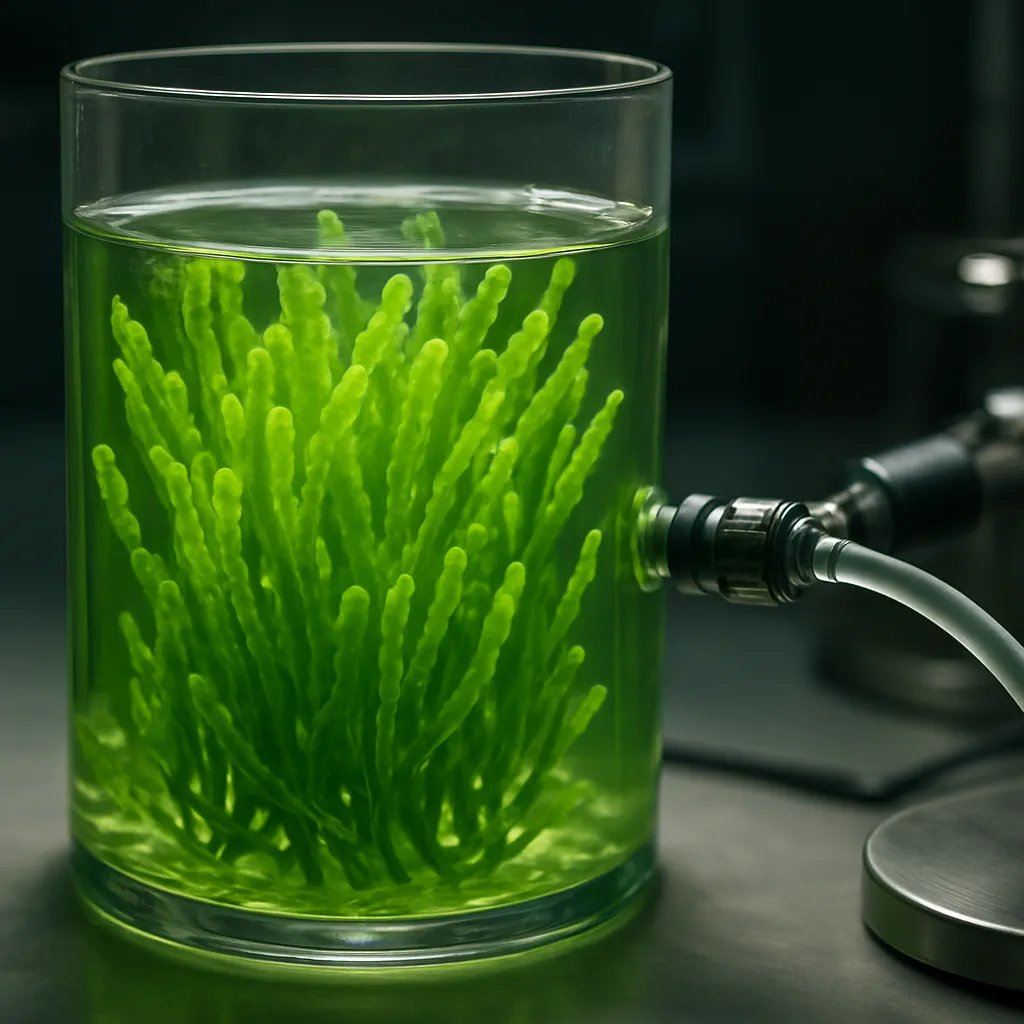
- Hydroponics and Aeroponics: Soilless systems minimize weight and prevent microbial contamination. Nutrient solutions circulate through root chambers, ensuring precise control over plant growth and reducing waste.
- LED Lighting Arrays: Customizable light spectra target photosynthetic efficiency, influence plant morphology, and optimize resource consumption. Programmable cycles simulate sunrise and sunset, regulating circadian rhythms.
- Automated Monitoring: Sensors track moisture, pH, and nutrient levels in real time. Data is transmitted to ground control and onboard displays, allowing crews to make data-driven adjustments and predict growth outcomes.
- Closed-Loop Systems: Wastewater reclamation and gas exchange processes integrate plant transpiration into life-support systems. Oxygen production and carbon dioxide absorption by plants support crew respiration and reduce reliance on chemical scrubbers.
Challenges and Solutions
Despite progress, microgravity presents unique hurdles. Root orientation, fluid dynamics around leaves, and limited convection currents require specialized design. Engineers employ rotating growth chambers, capillary action channels, and microfluidic pumps to mimic gravitational cues and ensure robust development.
Cross-Disciplinary Innovations
Techniques born from space horticulture are already revolutionizing terrestrial farming. Precision agriculture tools, resource-efficient greenhouses, and vertical farming concepts draw inspiration from space-based systems. These innovations contribute to global efforts in urban food production, sustainability, and climate resilience.
Future Prospects for Space Agriculture and Crew Well-being
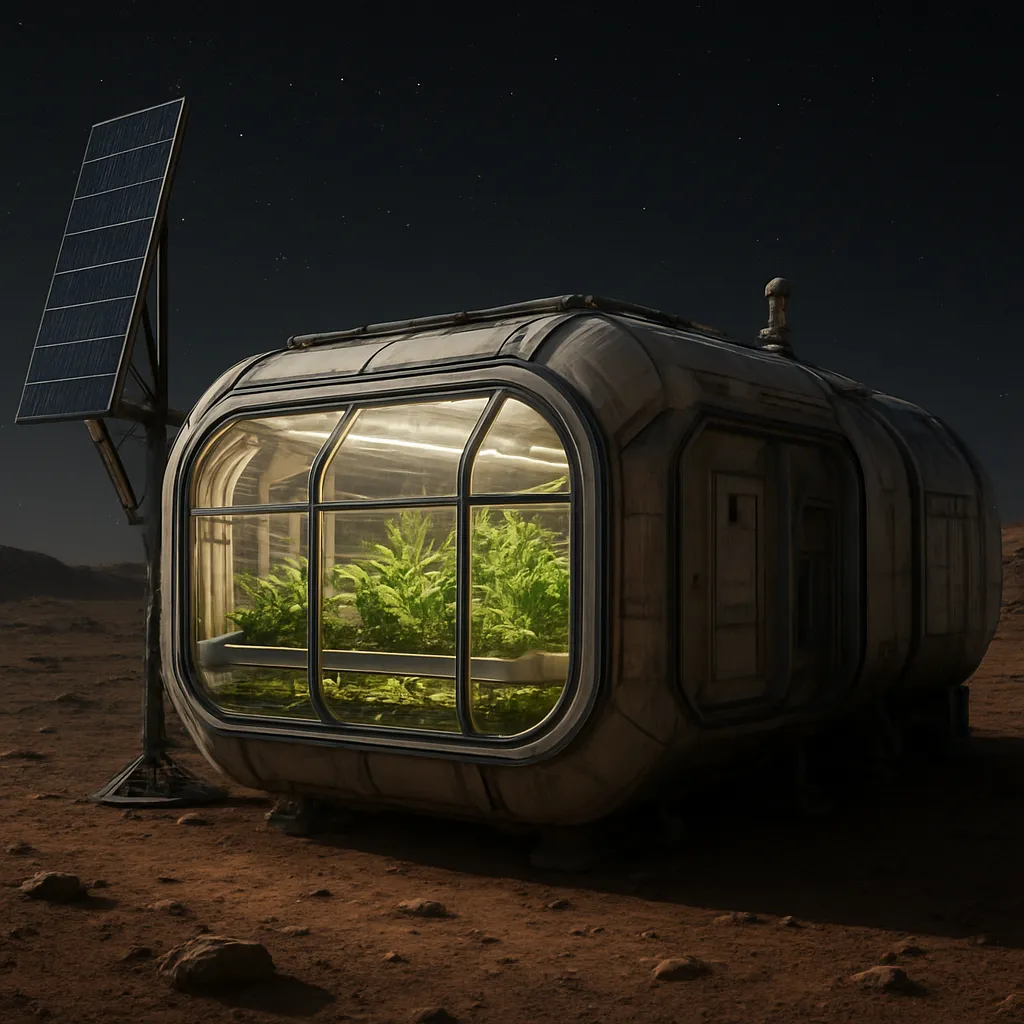
As humanity sets its sights on missions to Mars and beyond, the psychological dimension of crew health becomes increasingly critical. Future habitats on the Moon or Mars may feature expansive greenhouse modules, where astronauts experiment with diverse plant species, from leafy greens to staple crops like potatoes and wheat.
Advanced bioengineering could yield plants with enhanced nutritional profiles, faster growth rates, and tailored appearances to evoke emotional comfort. Synthetic biology may produce blossoms that emit subtle fragrances, amplifying the creativity of life in confined spaces. Virtual reality overlays could combine with real plant visuals, creating mixed-reality gardens that adapt to individual mood states.
Moreover, commercial space stations might host biophilic retreats where researchers, tourists, and educators engage with orbital farms. These experiences would not only advance scientific knowledge but also underscore the transformative power of nature in the most extreme environments.
By integrating plant cultivation into every facet of space exploration, we nurture both crops and crew, forging a path toward resilient, flourishing communities among the stars. The simple act of tending a leaf in microgravity becomes a testament to human adaptability, hope, and the enduring bond between people and the living world.