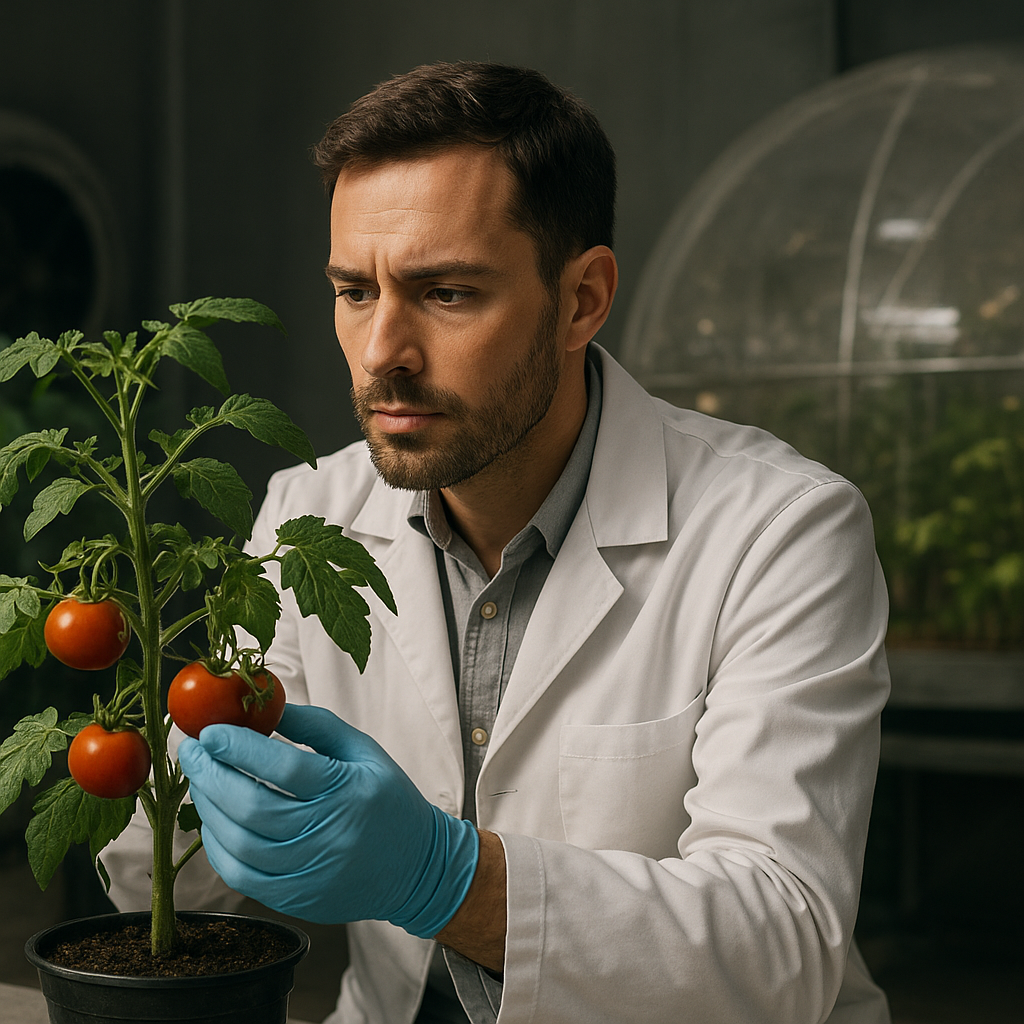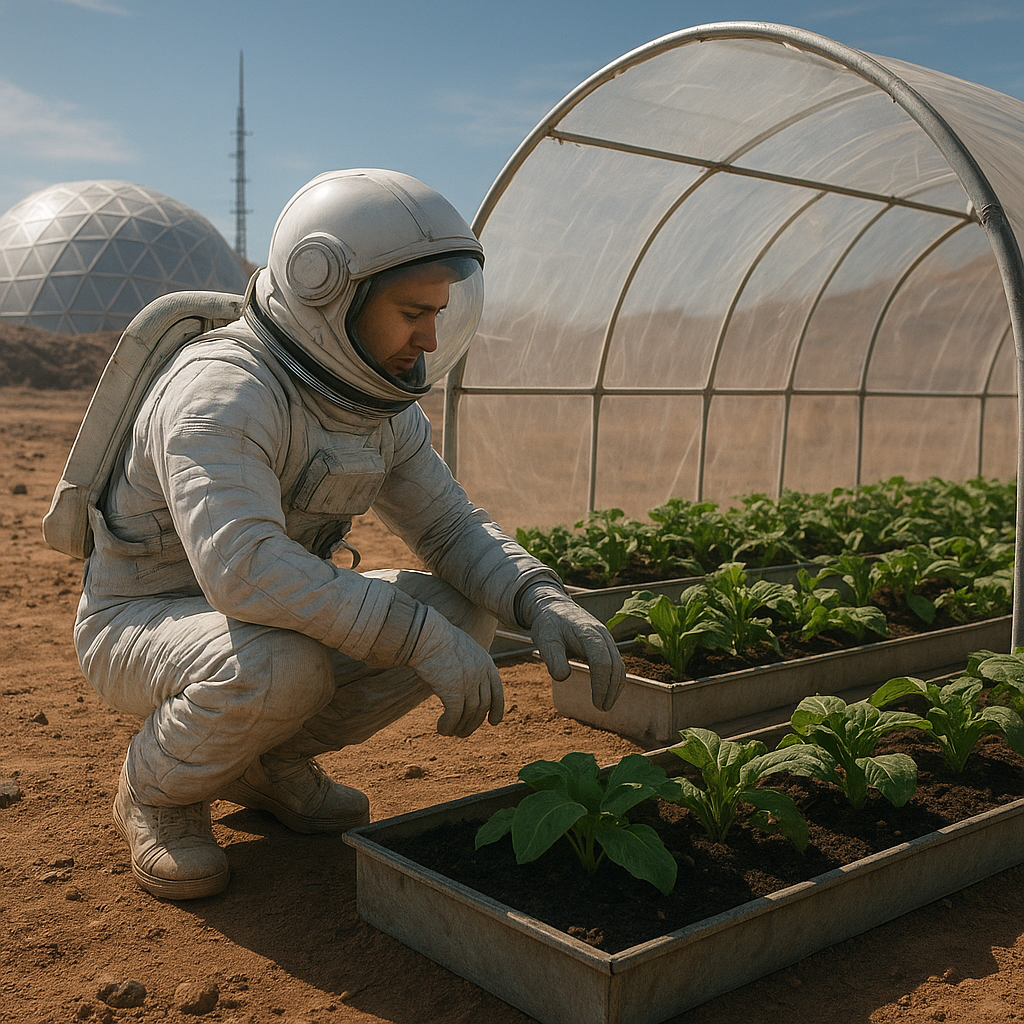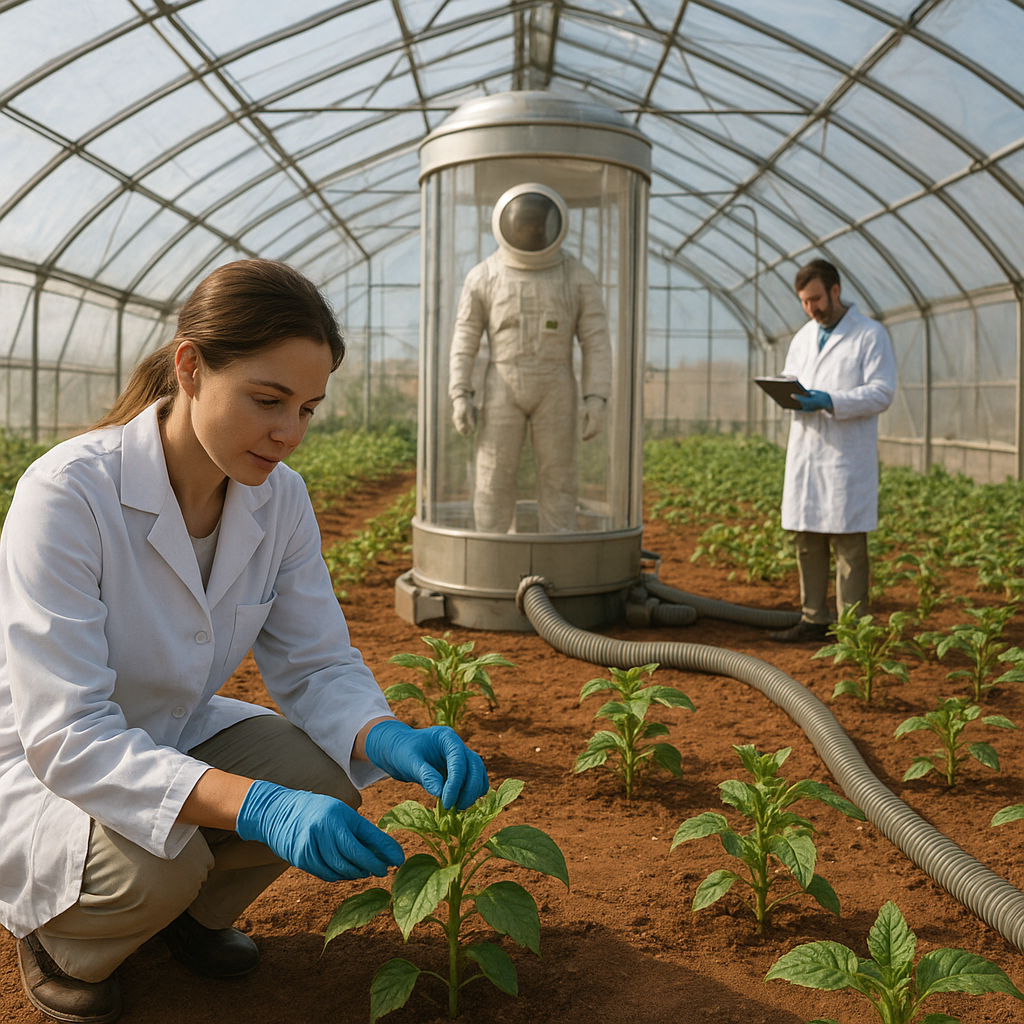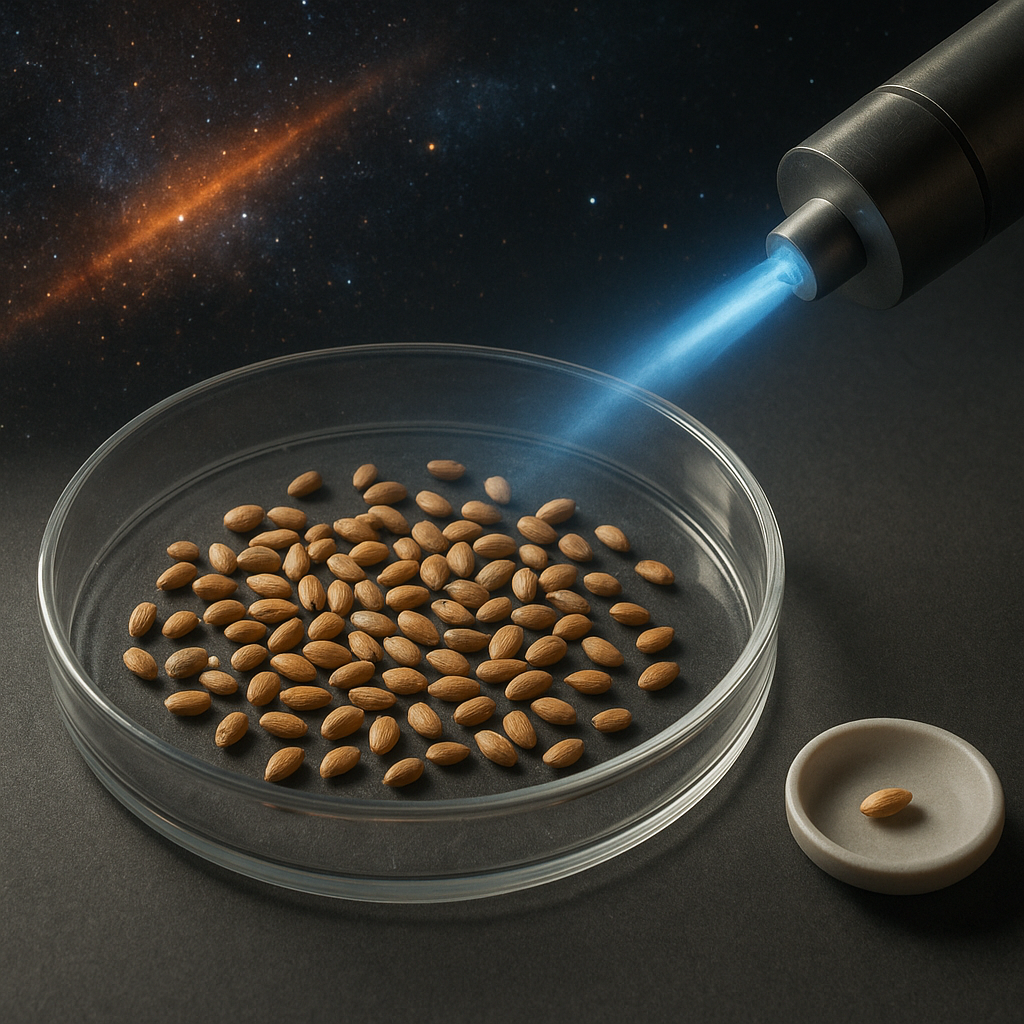
Exploring the intersection of agriculture and space science reveals a frontier where survival, innovation, and biology converge. The quest to cultivate plants beyond Earth’s protective atmosphere demands a deep understanding of cosmic hazards and the intrinsic resilience of life’s building blocks. Seeds, as primary vectors for future food systems on the Moon, Mars, and orbital habitats, face a unique gauntlet of radiation that can alter their genetic blueprint and developmental trajectory.
Origins and Challenges of Space Radiation
Space radiation encompasses a spectrum of high-energy particles originating from both solar activity and distant astrophysical events. Galactic Cosmic Rays (GCRs) and Solar Particle Events (SPEs) pose significant risks to living organisms in space. While Earth’s magnetic field and atmosphere offer substantial shielding, spacecraft and extraterrestrial installations must rely on engineered barriers to protect sensitive biological samples.
- Ionizing Particles: High-energy protons, alpha particles, and heavy ions that can inflict direct damage on DNA.
- Secondary Radiation: Neutrons and gamma rays produced when primary particles interact with shielding materials.
- Unpredictable Intensity: Solar flares can spike radiation levels within minutes, challenging real-time protection strategies.
Understanding the flux and energy spectrum of these particles is critical. Advanced detectors aboard the International Space Station (ISS) and interplanetary probes continuously monitor radiation levels, informing habitat design and operational schedules for agricultural experiments. These measurements guide the development of simulators on Earth, facilitating rigorous preflight testing of seed resilience under cosmic conditions.
Effects of Space Radiation on Seed Biology
Seeds possess remarkable mechanisms for enduring environmental extremes, including desiccation, temperature fluctuations, and limited oxygen availability. However, exposure to high-energy radiation introduces unique stressors that can disrupt physiological and molecular processes:
DNA Damage and Repair Pathways
- Single- and Double-Strand Breaks: Ionizing radiation can cleave the phosphodiester backbone, leading to potential mutations during replication.
- Base Modifications: Radiolytic reactions generate reactive oxygen species, which oxidize nucleotides and threaten genomic integrity.
- Repair Activation: Seeds activate enzymatic pathways such as non-homologous end joining and homologous recombination to mend breaks. Efficiency varies among species and developmental stages.
Germination and Early Growth Impairment
Irradiated seeds may exhibit delayed or inhibited germination due to compromised cellular machinery. Studies have documented:
- Reduced Enzyme Activity: Key metabolic enzymes may lose functionality under oxidative stress, slowing energy production.
- Membrane Integrity Loss: Lipid peroxidation weakens cellular membranes, leading to leakage and cell death.
- Altered Hormonal Signals: Disruption of auxin and gibberellin pathways can impede root and shoot emergence.
Long-Term Genetic and Phenotypic Consequences
While mild mutations can introduce beneficial traits, excessive damage risks lethality or maladaptive phenotypes. Observed outcomes include:
- Increased Variability: Mutagenesis can foster novel traits, such as enhanced drought tolerance or nutrient efficiency.
- Epigenetic Changes: Radiation may trigger methylation patterns that influence gene expression across generations.
- Reduced Viability: High doses correlate with lower seedling survival rates and stunted growth.
Mitigation Strategies and Advances in Space Agriculture
To harness the full potential of space-based cultivation, researchers employ multifaceted approaches that blend biological innovation with engineering solutions:
Shielding and Habitat Design
- Material Choices: Hydrogen-rich polymers, water jackets, and regolith-based barriers absorb and scatter incoming particles.
- Layered Architecture: Combining dense and lightweight layers optimizes mass constraints while maximizing protection.
- Active Shielding: Electromagnetic fields generated around habitats may deflect charged particles, reducing exposure.
Seed Treatment and Genetic Enhancement
- Preflight Priming: Exposing seeds to controlled doses of radiation on Earth can induce adaptive responses, boosting resistance during actual missions.
- Biotechnology Tools: CRISPR-Cas9 and other gene-editing techniques enable targeted modifications to enhance DNA repair genes and antioxidant production.
- Symbiotic Coatings: Beneficial microbes or nanoparticles applied to seed surfaces can provide extra layers of radio-protection and nutrient delivery.
Controlled Environment Agriculture (CEA)
Within space stations, tightly regulated growth chambers minimize additional stress factors:
- LED Lighting: Custom spectra optimize photosynthesis without excess heat.
- Atmospheric Control: Oxygen, carbon dioxide, and humidity levels are precisely managed to support robust seedling development.
- Real-Time Monitoring: Sensors track microbial communities, nutrient concentrations, and radiation flux around the crops.
Future Prospects for Cultivating Crops Beyond Earth
The horizon of extraterrestrial agriculture points toward integrated systems that merge plant, microbial, and animal components into self-sustaining ecosystems. Key research directions include:
- Mixed-Species Bioreactors: Cultivating algae or fungi alongside plants to recycle waste and produce supplementary oxygen and nutrients.
- Adaptive Breeding Programs: Successive selection of seedlings that thrive under simulated Martian or lunar radiation profiles.
- Autonomous Farming Robots: AI-driven platforms to sow, monitor, and harvest crops, reducing astronaut workload and human error.
By unraveling the complex interactions between space radiation and seed biology, scientists pave the way for future explorers to cultivate reliable food sources in off-world colonies. These endeavors not only expand humanity’s reach but also deepen our understanding of life’s resilience under the harshest conditions known.