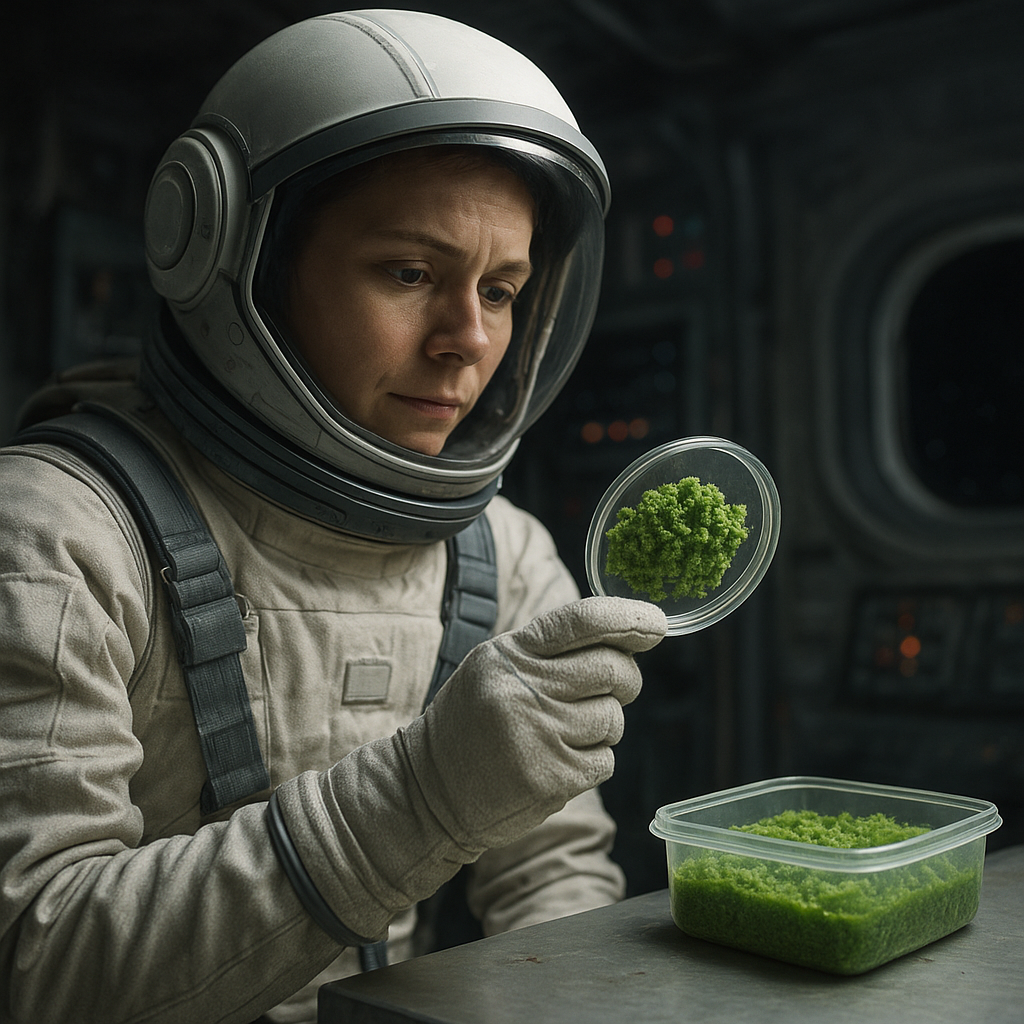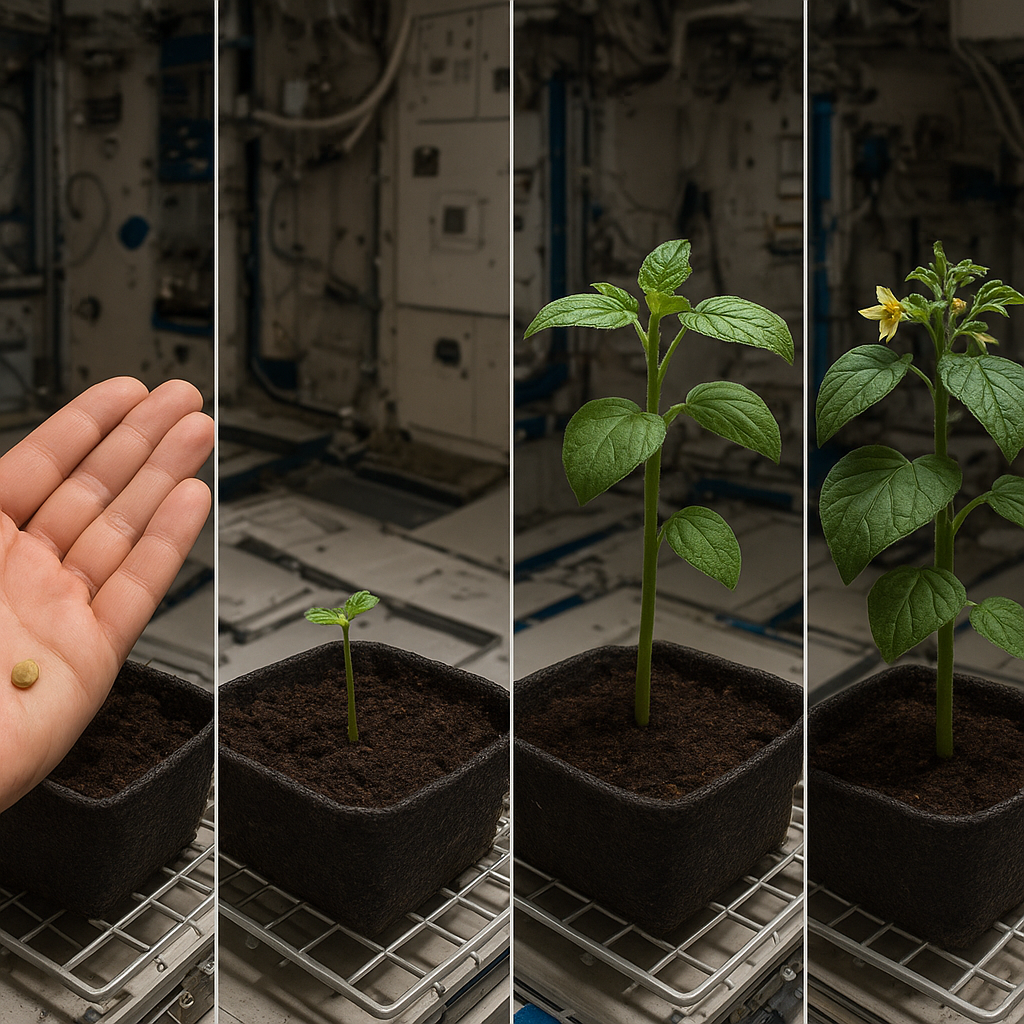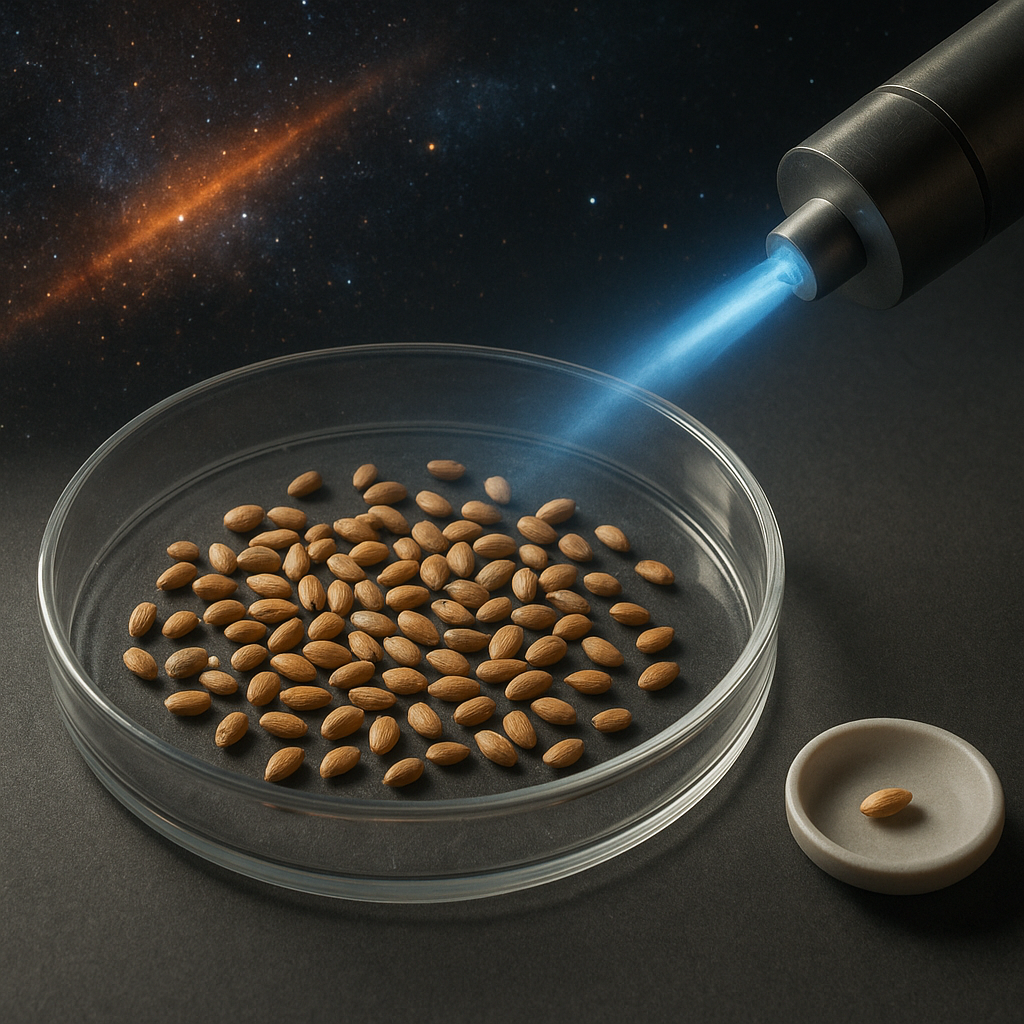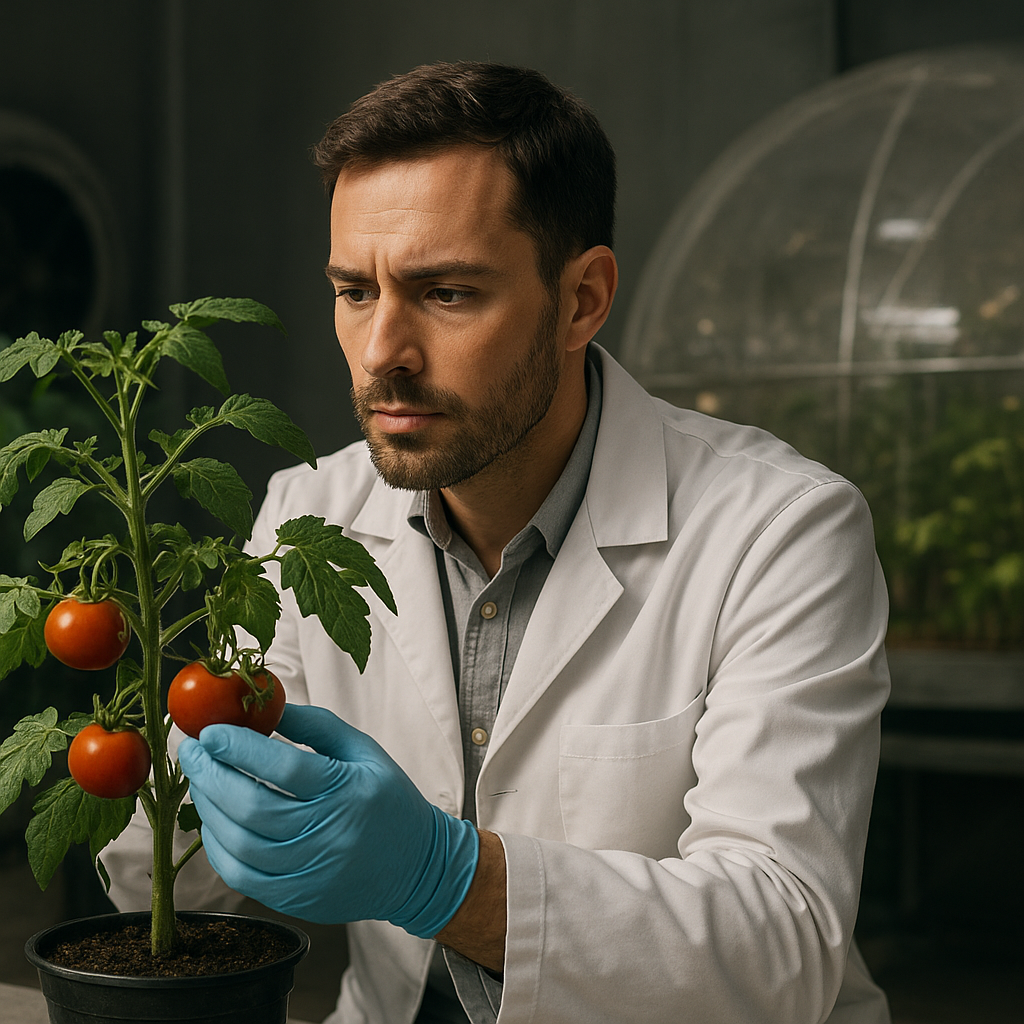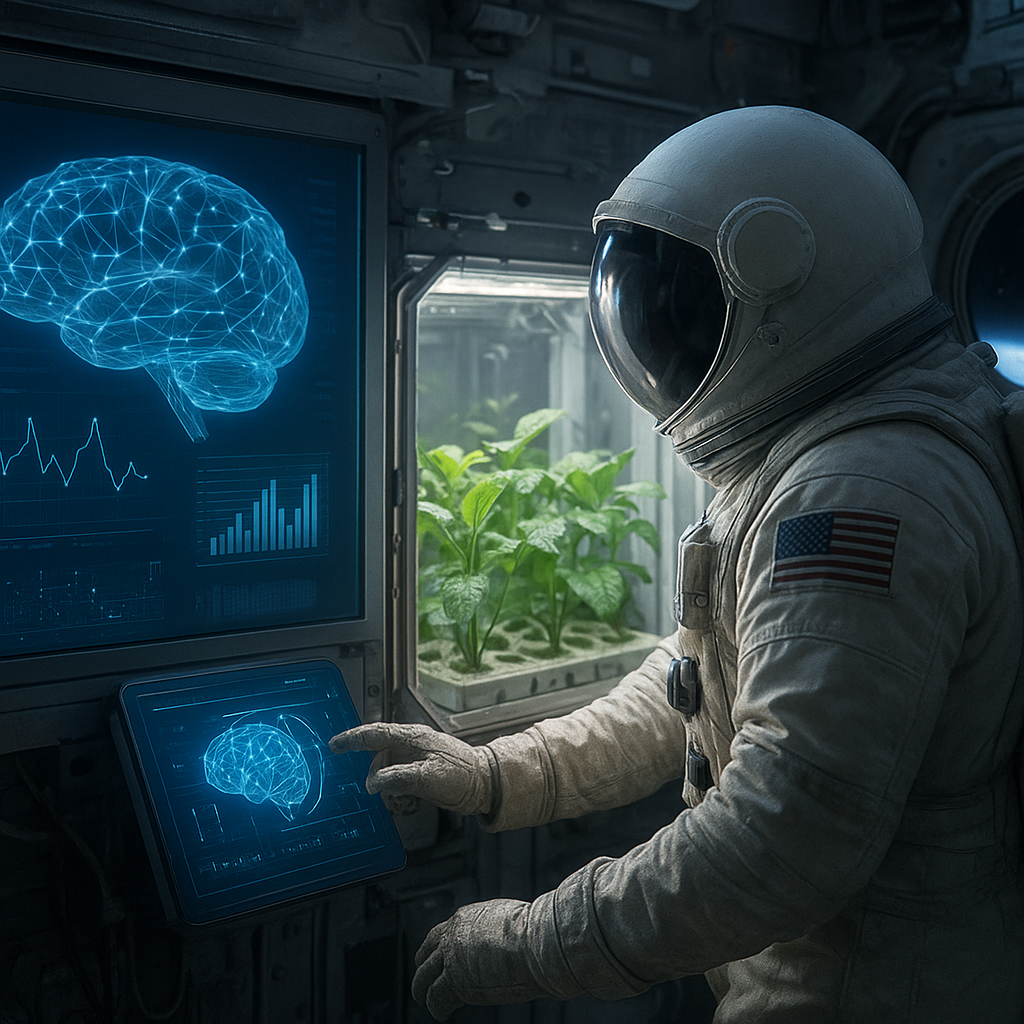
As human ambition extends beyond Earth’s borders, the quest to cultivate life in extraterrestrial habitats has gained unprecedented momentum. Researchers are exploring how intelligent systems can fine-tune growth parameters to sustain plant life under alien conditions. By harnessing AI-driven platforms, scientists aim to replicate or even enhance key biological processes, such as photosynthesis, in environments impacted by extreme radiation, limited gravity, and scarce resources. This article delves into the integration of artificial intelligence in optimizing space-based agriculture, highlighting technological breakthroughs, practical case studies, and the path forward for off-world farming.
Background on Space Agriculture
From the earliest concepts of rotating space colonies to present-day lunar base proposals, the feasibility of growing crops beyond Earth hinges on maintaining stable environmental conditions. Traditional methods rely heavily on manual adjustments by astronauts or ground controllers, resulting in significant lag times and potential human error. Recent advances in controlled environment agriculture (CEA) have demonstrated that sensor-driven feedback loops can automate tasks such as nutrient dosing, humidity control, and light spectrum tuning. However, to achieve true resilience on Mars or in Low Earth Orbit, ground-breaking integration of machine learning and predictive algorithms is essential.
Initial experiments aboard the International Space Station (ISS) provided invaluable data on how plants behave under microgravity. Short-duration missions with Arabidopsis thaliana and leafy greens revealed altered root growth patterns, delayed blossoming, and changes in stomatal conductance. While these insights laid the groundwork, the volume of data exceeded manual analysis capabilities. This challenge catalyzed the introduction of data analytics platforms capable of processing terabytes of sensor readings in real time, enabling rapid adaptation of environmental settings to ensure optimal crop development.
AI Techniques for Controlled Habitats
Implementing AI in space farming involves several layers: perception, decision-making, and control. High-resolution cameras, multispectral imaging devices, and sensor networks continuously monitor plant morphology, nutrient concentrations, and air composition. These inputs feed into convolutional neural networks and reinforcement learning agents, which identify stress signals—such as wilting leaves or nutrient deficiencies—long before they become visible to human observers.
- Predictive Modeling: Time-series forecasting algorithms anticipate fluctuations in temperature and CO₂ levels, prompting preemptive corrections.
- Adaptive Lighting: Quantum-dot LED arrays respond to plant growth stages, modulating red, blue, and far-red wavelengths to maximize photosynthetic efficiency.
- Resource Optimization: Genetic algorithms allocate water and nutrient supply with precision, minimizing waste within closed-loop hydroponic or aeroponic systems.
By employing resource optimization strategies, AI systems can extend mission durations or increase crop yields per cubic meter of habitat volume. These algorithms factor in not only plant health but also system maintenance constraints, such as pump lifetimes and power budgets, ensuring that life support operations remain sustainable over extended periods.
Case Studies in Microgravity Farming
One landmark initiative, the Veggie Project on the ISS, provided crew members with fresh lettuce and zinnias harvested in microgravity. The project’s control system utilized a feedback mechanism based on chlorophyll fluorescence measurements. Building upon this, the Advanced Plant Habitat (APH) incorporated AI modules that autonomously adjusted watering cycles based on soil moisture forecasts. These modules also generated alerts when anomalies occurred, such as unexpected pH shifts in the growth medium.
In a parallel experiment, a consortium of academic institutions deployed an EU-funded bioregenerative life support prototype to mimic Martian regolith conditions. By integrating a genetic analysis pipeline, researchers identified microbial communities that synergize with plant root microbiomes to improve nutrient uptake. An AI scheduler optimized inoculation timing, ensuring that beneficial microbes established robust colonies before seed germination. This synergy between microbial engineering and intelligent control exemplifies the multidisciplinary nature of space agriculture.
Challenges and Future Directions
Despite impressive strides, space-based agriculture faces several hurdles. Radiation-induced sensor drift can compromise measurements, necessitating robust calibration protocols. Bandwidth limitations between orbiting habitats and Earth-based data centers require edge-computing solutions that perform edge inference with minimal communication overhead. Additionally, the scarcity of biomass processing facilities in remote environments underscores the need for fully automated harvest and packaging systems.
Future research aims to incorporate bioinformatics with AI to develop crops that are inherently suited to extraterrestrial stressors. CRISPR-driven modifications could yield strains with enhanced photosynthetic pigments or root architectures tailored for hydroponics and aeroponics. Concurrently, virtual reality environments may enable remote operators to supervise growth chambers in lunar bases, adjusting parameters through immersive dashboards powered by environmental monitoring data streams.
As missions to Mars and beyond become tangible, the convergence of space biology and intelligent automation will be pivotal. By refining AI methodologies and fortifying system reliability, humanity edges closer to establishing self-sustaining agricultural systems on other worlds—thus ensuring that wherever humans venture, fresh food and ecological balance follow.