Growing plants on Mars demands innovative solutions built upon extensive research with regolith simulant. As humanity moves beyond low Earth orbit, developing a reliable off-planet agricultural system is critical for crewed missions and potential colonization. By conducting crop trials in analog environments, researchers aim to understand how to transform arid, mineral-rich Martian soil into a life-supporting substrate. This article examines the characterization of Martian regolith simulants, the design and outcomes of plant growth experiments, and the technological pathways toward a self-sufficient, sustainability-driven agriculture in space.
Characterization of Martian Regolith Simulants
Martian regolith simulants are engineered materials that mimic the physical and chemical properties of Mars surface soil. They are essential for conducting controlled experiments on Earth without requiring actual Martian material. A typical simulant blends crushed basaltic rock particles with refined mineral powders to approximate the native **soil** composition measured by rovers and landers. Key characteristics include grain size distribution, mineralogy, pH levels, and oxide content. Researchers analyze simulants using spectroscopy, X-ray diffraction, and electron microscopy to ensure fidelity to Martian conditions.
To evaluate suitability for plant growth, simulants must be tested for:
- Particle adhesion and compaction, influencing root penetration and water retention.
- Trace element availability, including both beneficial micronutrients and potentially toxic heavy metals.
- Dust electrostatic behavior under simulated microgravity and variable pressure environments.
By adjusting the mineral blend, it is possible to produce multiple generations of simulants that represent diverse Martian terrains, from ancient lake beds to volcanic plains. This variability allows scientists to gauge how different soil zones on Mars might affect plant development.
Crop Trials in Simulated Martian Soil
Translating simulant characterization into practical crop trials requires an integrated approach, combining soil science, botany, and environmental control systems. Early studies revealed that unamended simulant lacks essential nutrients for germination and sustained growth. Therefore, researchers devised nutrient supplementation strategies using hydroponic solutions or organic amendments derived from microbial biomass.
Experimental Setup
Trials often occur in growth chambers replicating Martian daylight cycles, atmospheric composition, and pressure. Standard setups include:
- Planting trays filled with simulant mixed with fertilizer concentrates.
- Automated watering systems delivering defined volumes of nutrient solution.
- LED lighting panels tuned to red and blue spectra to optimize photosynthesis.
- Environmental sensors monitoring soil moisture, pH, temperature, and gas exchange.
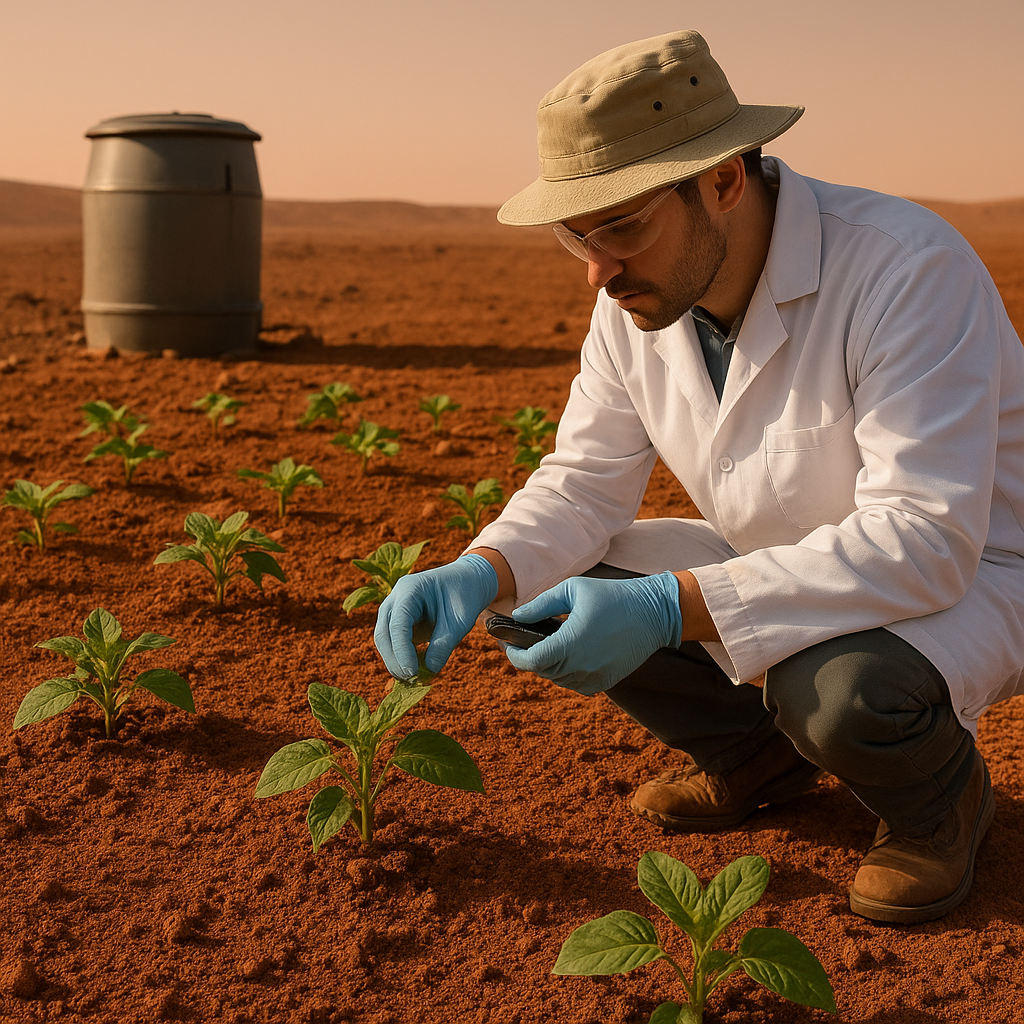
Common test species include fast-growing crops like lettuce, radishes, and wheat, chosen for their short life cycles and nutritional profiles. Control groups grown in terrestrial soil allow direct comparison of germination rates, biomass accumulation, and root morphology.
Results and Observations
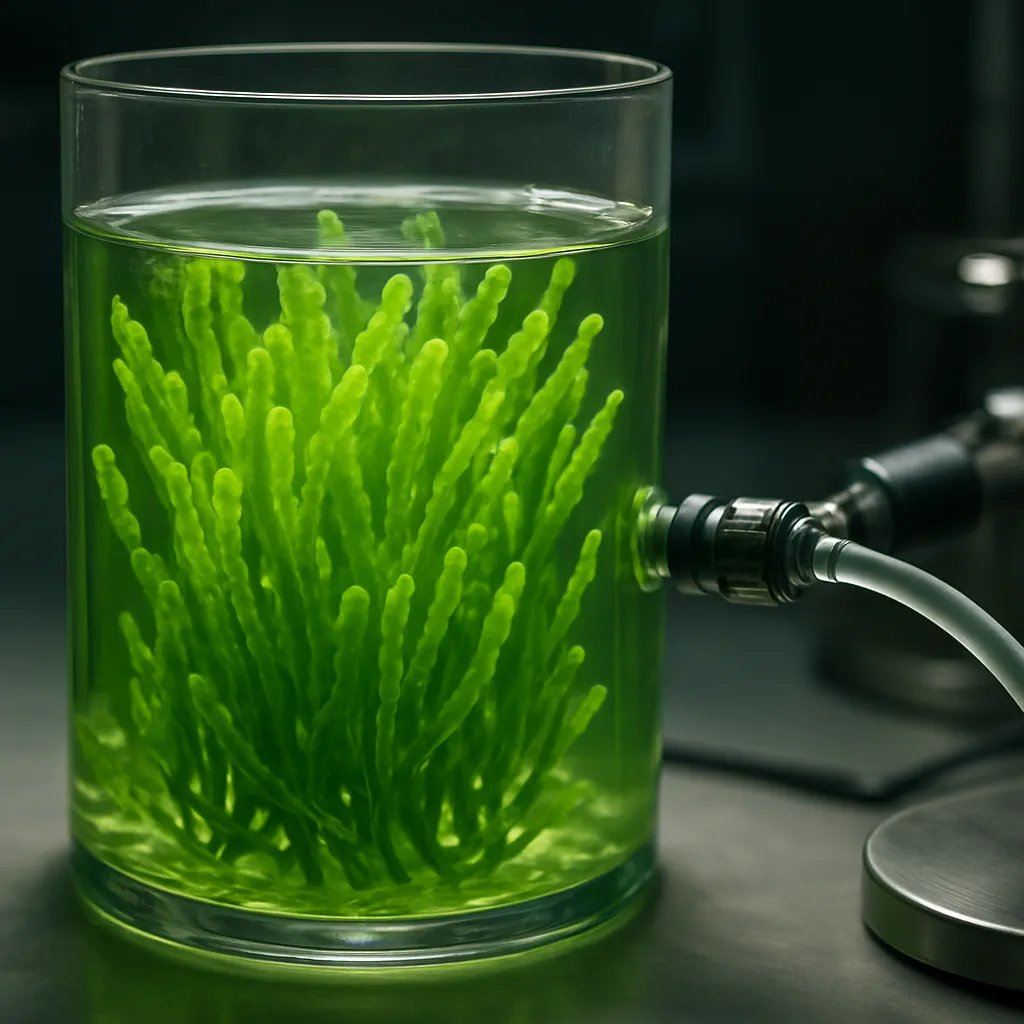
Initial findings demonstrate variable success: lettuce seeds can sprout in pure simulant when supplemented with a balanced fertilizer mix, but root systems tend to exhibit stunted branching and reduced water uptake. Adding organic matter, such as composted algae or fungal mycelium, significantly enhances soil structure and microbial activity, leading to improved nutrient cycling and plant vigor. Trials also show that partial substitution of simulant with recycled in-situ resources—like graywater-treated hydroponic effluent—supports a more robust, bioregenerative growth system.
Researchers observed that intermittent flooding followed by aeration cycles helps prevent compaction and promotes deeper root penetration. Moreover, inoculating simulant with nitrogen-fixing bacteria can reduce dependence on external fertilizers, a key step toward closed-loop life support.
Technological Innovations and Future Directions
Advancing crop production on Mars hinges on integrating novel hardware and intelligent control systems. Emerging technologies include:
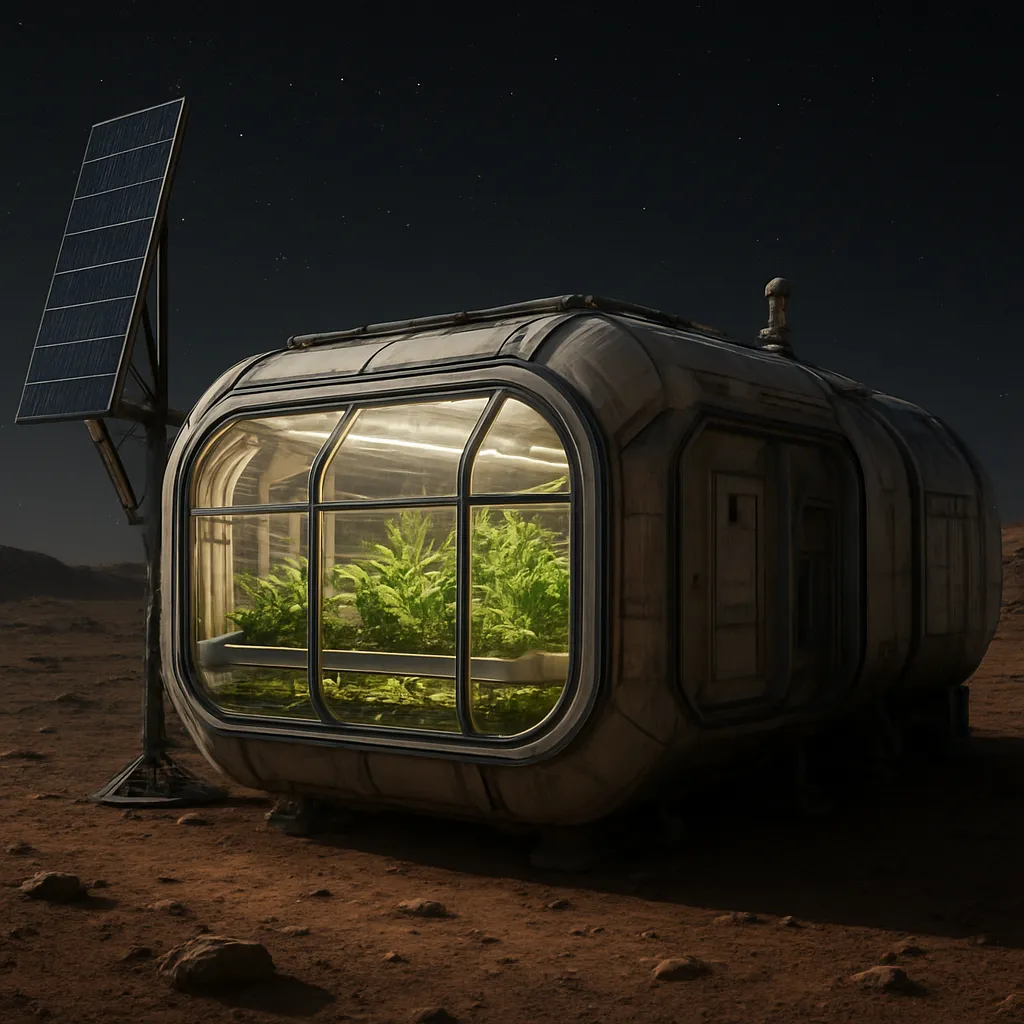
- Autonomous greenhouse modules equipped with robotics for seeding, harvesting, and maintenance.
- 3D-printed planting beds using regolith binding agents to form durable growth substrates.
- Spectral imaging sensors for real-time plant health diagnostics, enabling adaptive nutrient delivery.
- Modular bio-reactors producing fertilizers from waste streams, enhancing resource efficiency.
In parallel, modeling platforms simulate long-term ecosystem dynamics, predicting how continuous plant cultivation will modify regolith chemistry and microbial community structure. Teams are also exploring genetic approaches to increase plant tolerance to high perchlorate levels and low nutrient availability. Advances in synthetic biology may yield crops with enhanced resilience to radiation and temperature extremes, paving the way for robust Martian agriculture.
Challenges and Ethical Considerations
Despite promising progress, multiple challenges remain. Developing reliable water recycling systems suitable for Martian gravity and pressure is a major hurdle. Dust storms could damage solar arrays and clog filtration units. Ensuring crew safety demands rigorous testing to prevent exposure to perchlorate contaminants or allergenic spores from engineered microbes. Ethical questions arise around planetary protection and the risk of forward contamination. As we cultivate Earth species on Mars, strict protocols must govern biological containment to avoid disrupting potential indigenous ecosystems.
Ultimately, cultivating crops in Martian regolith simulants represents a critical intersection of agriculture and space exploration. Through iterative experimentation, interdisciplinary collaboration, and cutting-edge technology, researchers edge closer to turning Mars from a barren world into a new frontier for sustainable life support.