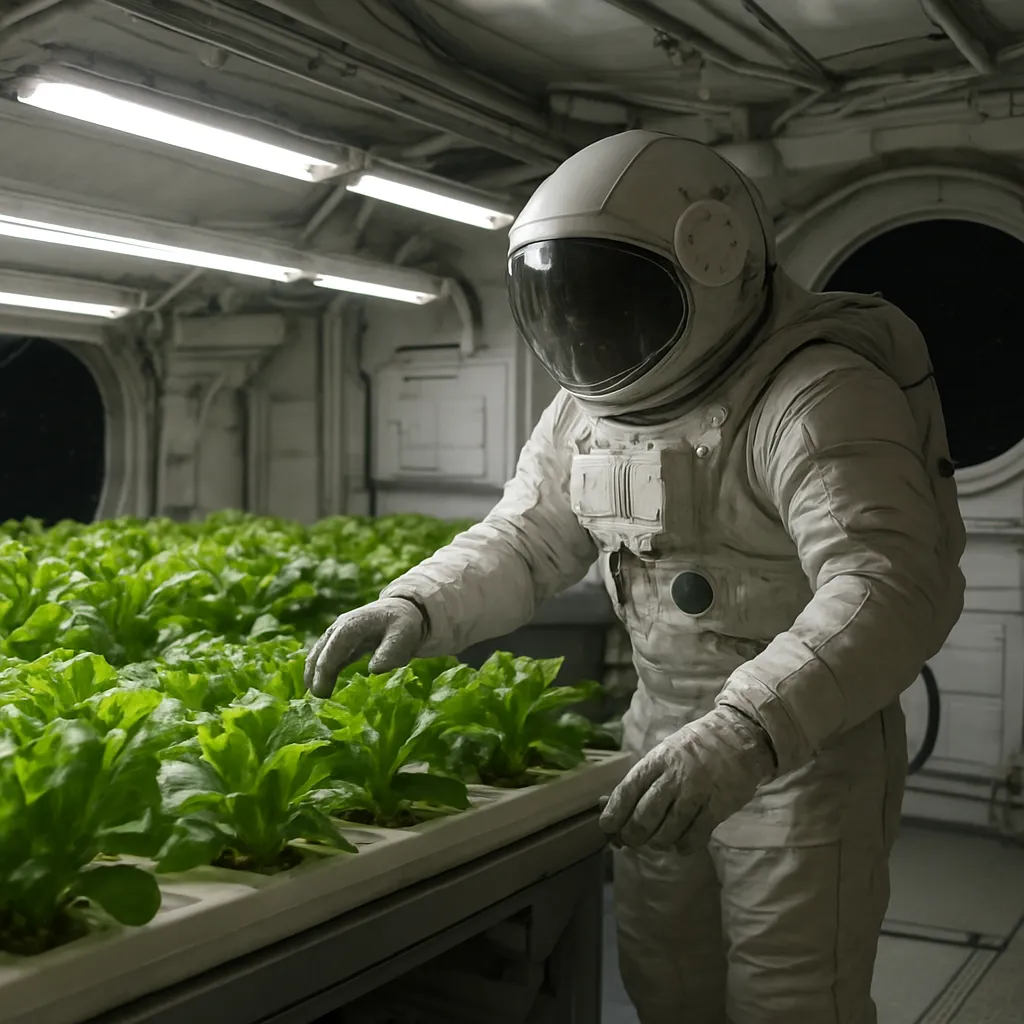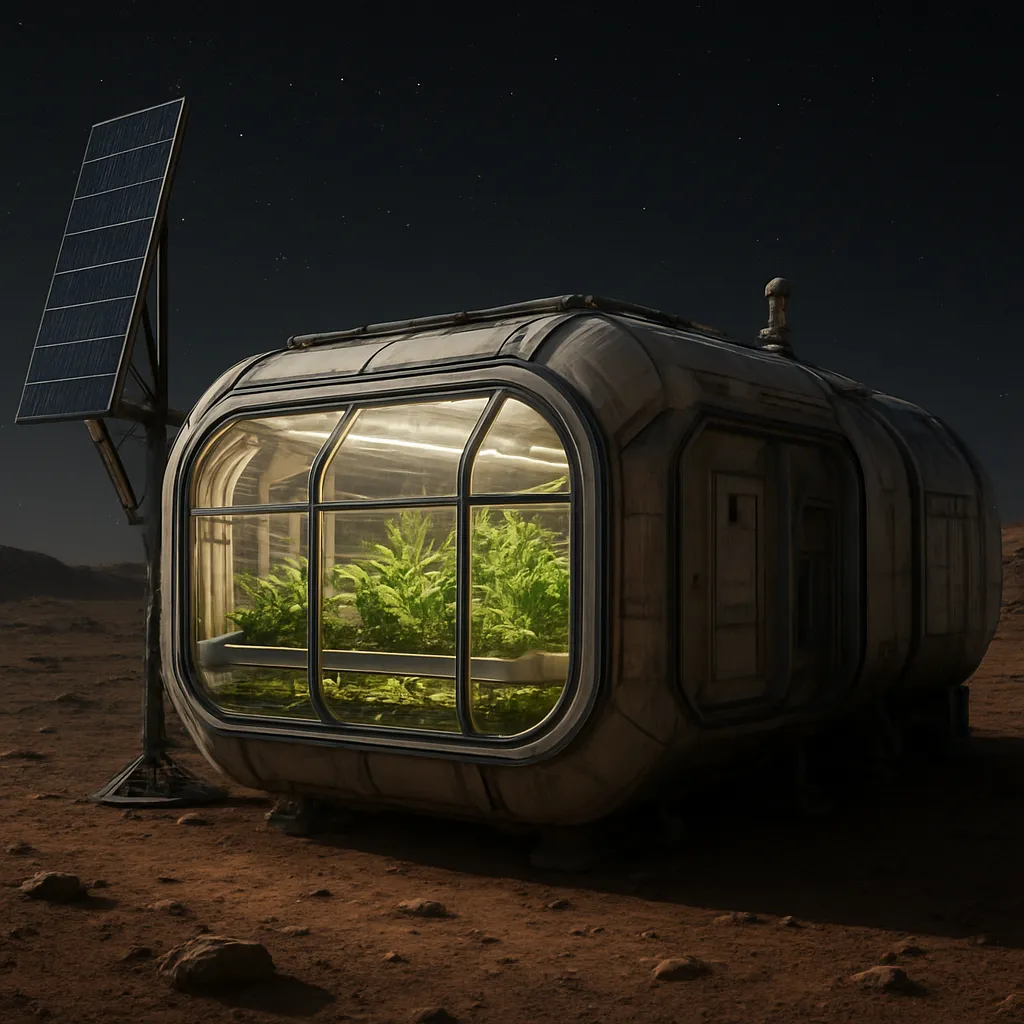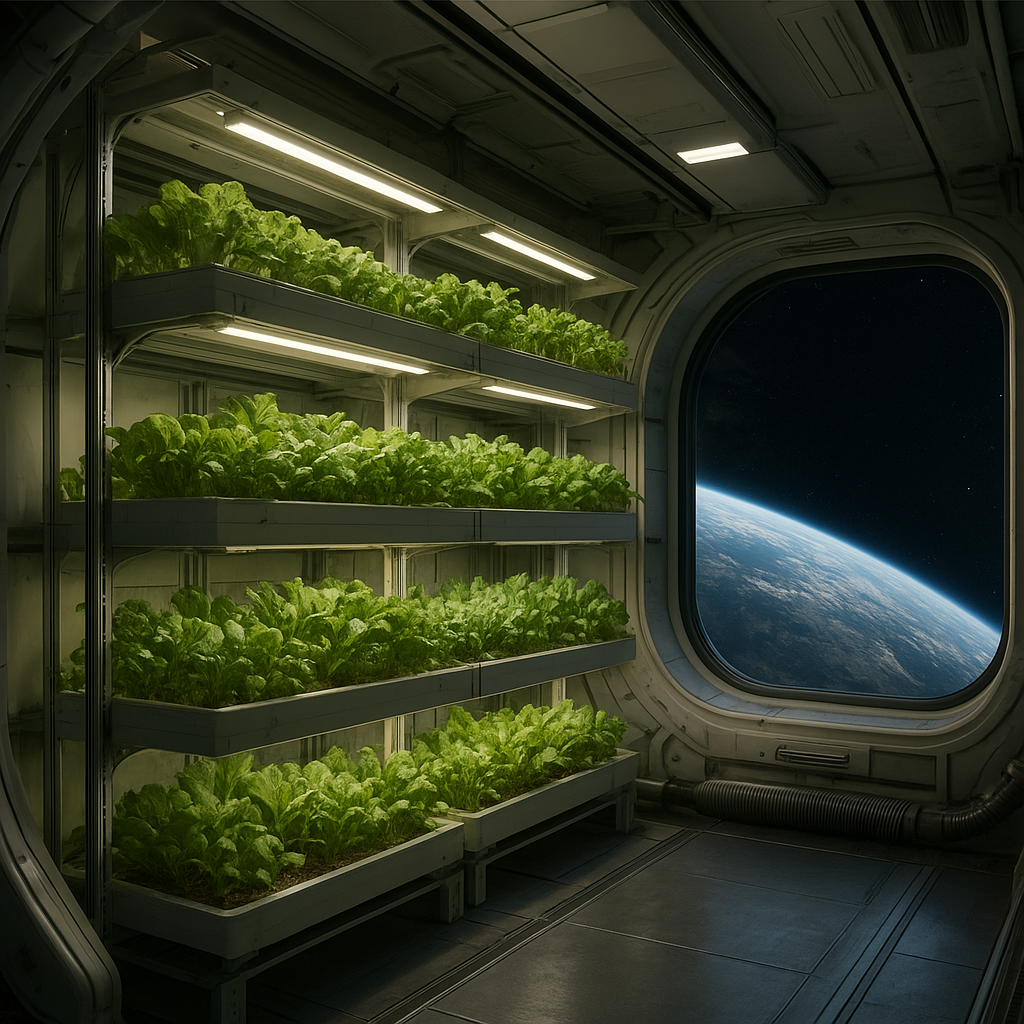
The pursuit of establishing **sustainable** agriculture in extraterrestrial environments has accelerated interest in **vertical farming** as a vital component of future **space colonization**. This frontier merges advanced **automation**, resource-efficient cultivation, and novel life support integration to transform barren habitats into self-regenerating ecosystems. By stacking plant beds in modular towers, settlers can unlock compact, high-yield food production under meticulously controlled conditions, mitigating mass, volume, and resource limitations inherent in off-world missions.
Technological Foundations of Extraterrestrial Vertical Farms
Hydroponics and Aeroponics Systems
In the absence of natural soil, astronauts will rely on **nutrient**-enriched water solutions circulated through roots in hydroponic arrays or delivered as fine mists in aeroponic chambers. These **bioregenerative** approaches optimize water usage by recirculating up to 90% of liquids, ensuring that trace elements remain available to developing plants. Sensors embedded at root interfaces continuously monitor pH, electrical conductivity, and dissolved oxygen, triggering real-time adjustments via embedded controllers. This high level of **automation** reduces crew workload while maintaining ideal growth conditions.
Precision Illumination through LED Technologies
Artificial **illumination** replaces unreliable sunlight, with multi-spectrum LEDs tuned to peak photosynthetic efficiency. By customizing blue and red wavelengths, engineers can steer plant morphology, prioritize leaf growth or fruiting, and even influence phytochemical profiles. Dimming schedules mimic Earth’s diurnal cycles or accelerate growth by extending photoperiods, shortening cultivation to cycles as brief as 21 days for leafy greens. Innovative designs incorporate movable LED arrays, enabling uniform light distribution across tiered racks and reducing hotspots that can cause plant stress.
Climate and Atmospheric Control
Enclosed vertical farm modules must maintain optimal temperature, humidity, and CO2 levels through integrated life support interfaces. Heat exchangers reclaim thermal energy from habitat systems, while dehumidifiers collect excess moisture—feeding condensate back into nutrient loops. CO2 scrubbers and greenhouses are interlinked, allowing plants to recycle cabin carbon dioxide into oxygen, reinforcing a closed-loop ecosystem. Smart vents and fans drive laminar airflow to prevent fungal outbreaks and ensure **resilience** against microbial contamination.
Crop Selection and Genetic Optimization
High-Value, Fast-Growing Varieties
Vertical farms prioritize crops that deliver maximum nutrition per unit space and time. Leafy greens such as lettuce, kale, and spinach can mature in under four weeks, supplying essential vitamins and minerals. Microgreens offer concentrated nutrients, germinating swiftly under minimal resource input. Fruit-bearing species like dwarf tomatoes and strawberries require longer cycles but contribute dietary diversity. Genetic selection focuses on compact phenotypes, enhanced root-to-shoot ratios, and heightened tolerance to variable lighting or minor nutrient imbalances.
Engineering for Microgravity and Partial Gravity
On lunar or Martian bases, reduced gravity conditions alter fluid dynamics and root behavior. Advanced cultivars may express modified root hairs or cell wall proteins to anchor effectively and absorb nutrients against diminished gravitational pull. Biotechnologists employ CRISPR techniques to introduce traits that reinforce stem rigidity and optimize leaf orientation for artificial lighting arrays. By fine-tuning plant architecture, crews can maintain uniform canopy coverage across vertical racks, maximizing photosynthetic yield.
Symbiotic Crop Combinations
Polyculture strategies leverage companion planting to harness beneficial interactions. Leguminous plants fix atmospheric nitrogen, replenishing nutrient reservoirs. Aromatic herbs like basil or mint emit natural biocides that deter pests in closed modules. Integrating small flower beds enriches pollinator proxies, such as hand-assisted pollination protocols or robotic bees, ensuring fruit set and maintaining genetic diversity across successive cultivation cycles.
Environmental Integration and Crew Well-Being
Life Support Synergy
Vertical farms form the biological heart of habitat systems by purifying air, recycling water, and stabilizing temperature. They complement physicochemical life support units—such as the Sabatier reactor and the Water Recovery System—creating a hybrid architecture. Oxygen generated by photosynthesis is quantitatively balanced against crew consumption, while transpiration supplies up to 30% of cabin humidity. This synergy reduces resupply frequency from Earth and enhances mission **efficiency**.
Psychological Benefits of Green Spaces
Exposure to flourishing plants mitigates stress, fatigue, and the monotony of confined living quarters. Regular gardening tasks foster a sense of purpose and connection to Earthly ecosystems, improving group cohesion. Visual and olfactory stimuli from herb gardens relieve sensory deprivation and can alleviate anxiety during long-duration missions. Research indicates that crew members paired with plant-care responsibilities exhibit higher morale and sustained cognitive performance.
Aesthetics and Cultural Significance
Integrating vertical farms into habitat designs goes beyond function, embracing **innovation** in interior architecture. Transparent viewing panels allow inhabitants to witness growth cycles, while resin-coated planters and dynamic lighting can transform agricultural towers into living art installations. Such designs honor humanity’s agrarian heritage and symbolize our ability to thrive in alien worlds.
Operational Challenges and Future Horizons
Energy Demand and Resource Trade-Offs
Although LED efficiencies continue to improve, artificial cultivation demands significant power—often comprising over 20% of habitat energy budgets. Balancing agricultural lighting with critical systems requires dynamic load management and potential integration of renewable sources, such as orbital solar collectors. Thermal dissipation from LEDs must be captured to prevent habitat overheating, while upstream power constraints influence crop scheduling and priority orders.
System Scalability and Maintenance Protocols
Modular vertical farm units facilitate incremental expansion, allowing mission planners to calibrate production against crew size and duration. Each module contains interchangeable components—pumps, filters, sensors—that crew members can replace with minimal specialized tools. Predictive maintenance algorithms analyze performance metrics, flagging parts nearing end-of-life. Autonomous drones within the habitat may transport spares and assist in routine inspections, further reducing human labor.
Integrating Algae and Fungal Cultures
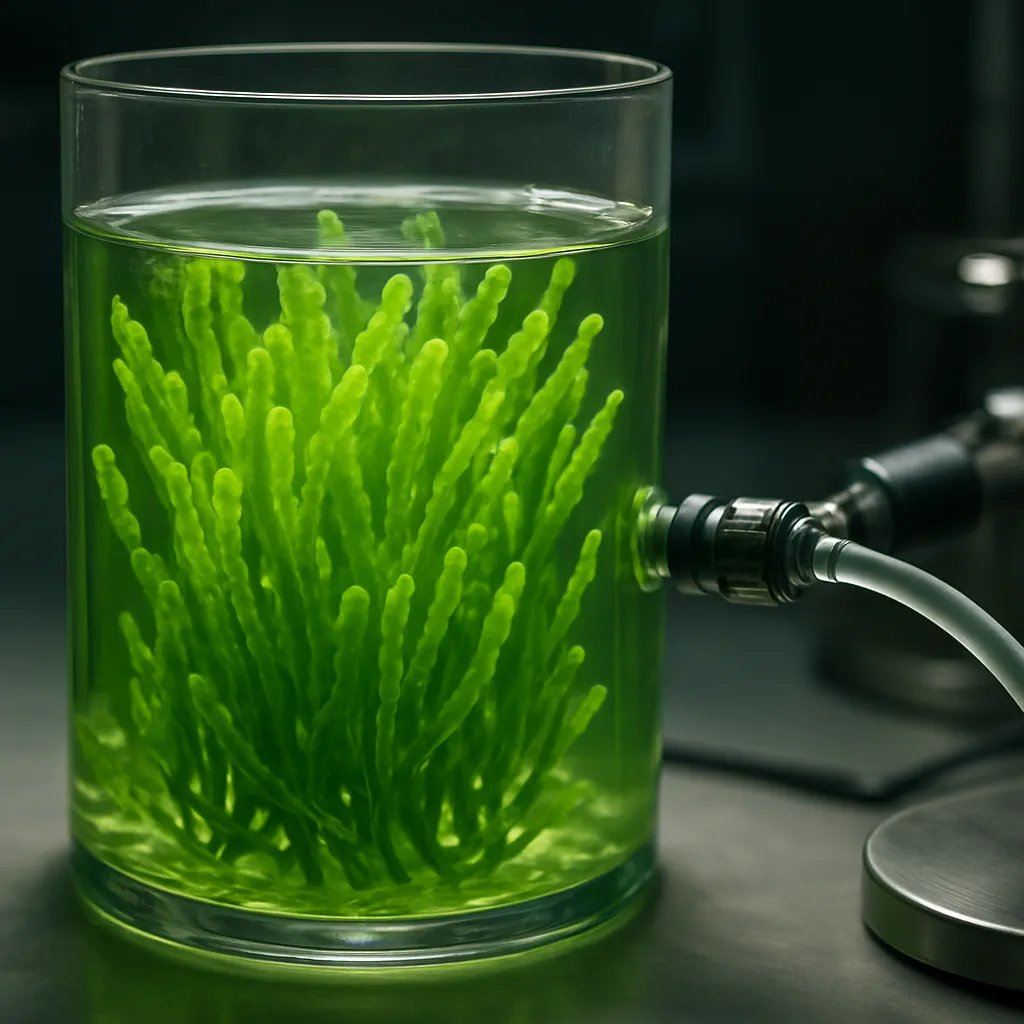
Beyond higher plants, closed bioreactors cultivating microalgae or mycelium can complement vertical farms. Algae offer single-cell protein and essential lipids, while fungal biomass provides vitamin D and unique bioactive compounds. Coupling these processes with vertical stacks enhances nutrient diversity and supports circular waste streams—residual plant matter can inoculate fungal substrates, and algae cultures can scavenge residual nitrogen from drainage loops.
Pathways to Deep Space Outposts
Future spacecraft and planetary bases will embrace integrated agricultural cores, ensuring that astronauts venturing to Mars or asteroid belts carry minimal consumables. In-space manufacturing of vertical farm components through 3D printing and in-situ resource utilization could yield radiator fins, piping networks, and structural elements derived from regolith-derived polymers or metals. This **sustainability** paradigm represents the cornerstone of resilient, long-duration exploration.