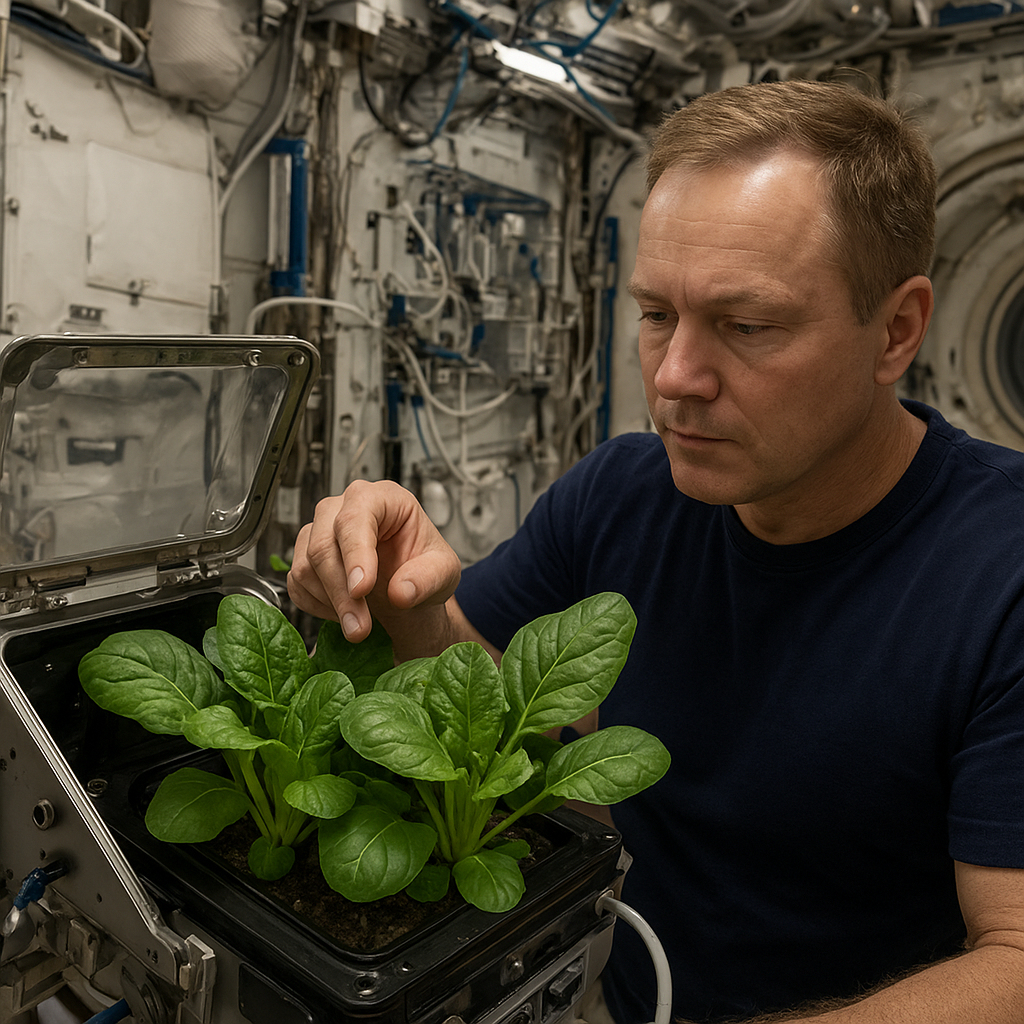
Efforts to cultivate plants in space have encountered numerous challenges and opportunities. The ISS-based VEGGIE hardware has emerged as a pioneering platform to study how terrestrial crops respond to microgravity and other unique factors. By growing lettuce, radishes, and zinnias under carefully controlled conditions, researchers have gathered insights that will shape the future of space habitation and advanced life support. The data collected offers a roadmap for optimizing resource use, enhancing crop yields, and ensuring long-term crew health on missions to the Moon, Mars, and beyond.
Background of the VEGGIE Experiment
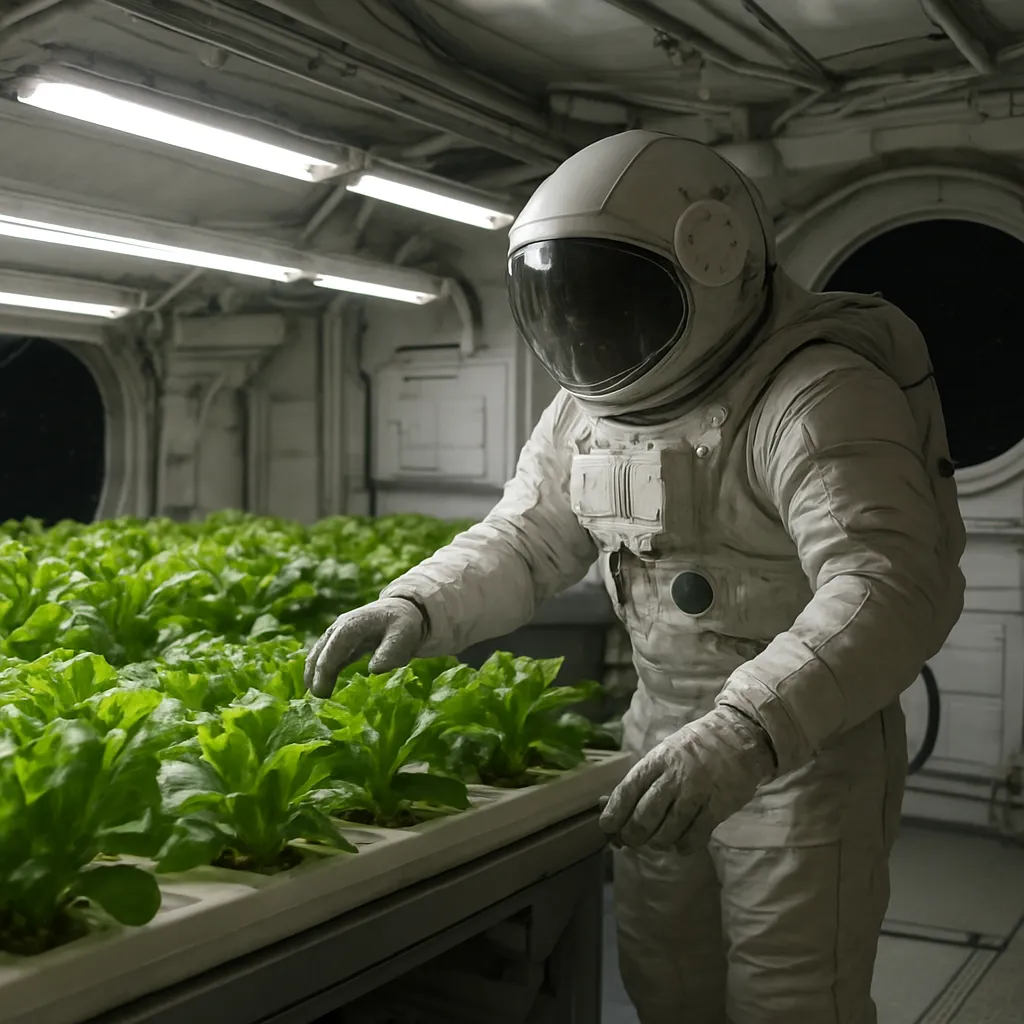
Conceived by NASA and its partners, the VEGGIE facility was designed to address fundamental questions about plant biology beyond Earth’s gravity. The system consists of a plant growth chamber, LED illumination panels, and a reservoir for delivering a sterile nutrient solution. Seeds are placed in growth pillows composed of clay granules and a wicking substrate that ensures efficient water distribution in the absence of convection. Cameras and sensors monitor development stages, temperature, humidity, and light intensity, offering real-time feedback to ground teams and crew members.
The first crops flown in 2014 included red romaine lettuce, chosen for its quick germination and nutritional profile. Over successive trials, crews tested different plant species, tweaking factors such as light spectrum, watering frequency, and pillow composition. These iterative runs unveiled unexpected behaviors, from altered leaf orientation to slower root establishment. Each campaign refined protocols for seeding, harvesting, and waste management, while astronauts reported hands-on experience with soil-free cultivation methods that could one day be automated for deep-space habitats.
By integrating the VEGGIE module into the ISS Earth-facing module, researchers capitalized on ambient carbon dioxide levels and the station’s controlled environment. Cross-disciplinary teams of botanists, engineers, and nutritionists collaborated to assess not only plant growth but also crew satisfaction and psychological benefits. Live vegetable production provided fresh food, color, and aroma in a setting dominated by dehydrated and prepackaged meals. These human factors data underscored the broader role of green spaces in supporting mental health during long-term missions.
Key Findings on Plant Growth in Microgravity
One of the most surprising outcomes was the dramatic impact of altered gravity on root behavior. In microgravity, roots did not exhibit the typical downward curvature seen on Earth; instead, growth patterns appeared random and influenced heavily by moisture gradients. This finding highlighted the necessity of precisely engineered wicking materials and moisture controls to direct root systems toward nutrient sources. Without gravity-driven water flow, overwatering became a critical risk, leading to microbial hotspots and reduced oxygen availability around roots.
Studies revealed changes in leaf morphology and stomatal function. Under the LED arrays, leaves tended to be thicker and exhibited higher stomatal density than terrestrial controls. Researchers attributed these adaptations to differences in gas exchange dynamics and light scattering in microgravity. Measurement of photosynthetic rates indicated that, despite these anatomical changes, plants maintained robust carbon assimilation, suggesting resilience in core metabolic pathways even under unconventional growth conditions.
A series of gene expression analyses uncovered shifts in stress-response pathways. Several genes associated with oxidative stress and cell wall modification were upregulated, potentially as an adaptive response to fluid shear forces and radiation exposure. These molecular insights offer targets for future breeding or genetic engineering strategies aimed at enhancing the phototropism and stress tolerance of space-grown crops. Understanding the genetic basis of these adaptations could pave the way for custom-tailored plant varieties optimized for off-world agriculture.
- Demonstrated viability of hydroponics in a closed environment without soil
- Characterized changes in biomass production under limited light and variable CO₂ levels
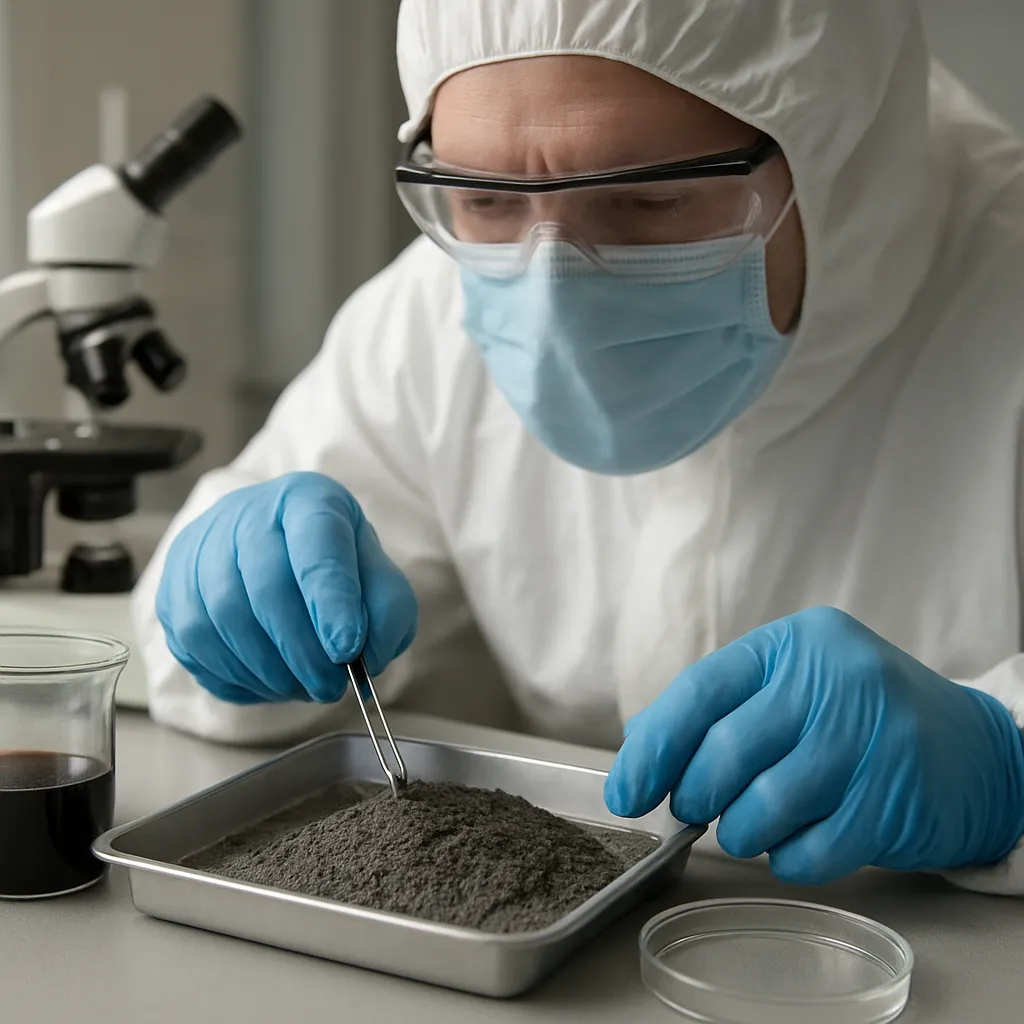
- Identified microbial community shifts on leaf surfaces and within growth pillows
- Validated remote monitoring systems and crew-based hands-on sampling procedures
Technological Innovations and Lessons Learned
The VEGGIE platform delivered key innovations in controlled-environment agriculture. The combination of red, blue, and green LEDs created a full-spectrum lighting scheme that improved plant morphology and maximized edible yield. Crew-controlled light schedules mimicked Earth’s day-night cycle, demonstrating how photoperiod adjustments could accelerate flowering or leaf expansion. Such programmable lighting arrays will be essential for future modules where energy efficiency and plant photobiology must be balanced.
Advanced sensor networks allowed automated reporting of environmental parameters. Data pipelines transmitted humidity, temperature, and root-zone moisture readings to ground control in near real-time. This level of automation reduced astronaut workload and provided early warning of anomalies such as fungal growth or pump failures. The success of these systems underscores the value of automation in minimizing human intervention and ensuring consistent plant care on missions where crew time is at a premium.
Water management innovations included the development of specialized wicking materials and capillary-flow designs. By optimizing the geometry of growth pillows and the placement of hydrophilic media, engineers achieved uniform water distribution in zero-g. These lessons will inform the design of larger-scale hydroponic modules for planetary habitats, ensuring that each plant receives precise hydration and nutrients, even when gravity cannot be relied upon to direct fluids.
Implications for Future Space Agriculture
The VEGGIE experiment has proven that bioregenerative life support systems are within reach. By combining crop growth with waste recycling and atmospheric control, future habitats can approach true closed-loop sustainability. Integrating plant modules with waste digesters and water reclamation units will allow crews to live off the land, reducing resupply needs and mission costs. Growing fresh vegetables will also mitigate nutrient deficiencies and support crew morale on voyages lasting months to years.
Next-generation research will focus on expanding the crop portfolio, including high-calorie tubers, protein-rich legumes, and edible oils. Optimization of environmental variables such as elevated CO₂, dynamic lighting, and targeted nutrient injections will enhance yields and nutritional content. In parallel, breeding efforts may produce cultivars with compact growth habits, disease resistance, and enhanced sustainability under extraterrestrial conditions. These developments will be critical for Mars transit habitats and lunar bases where resources are scarce.
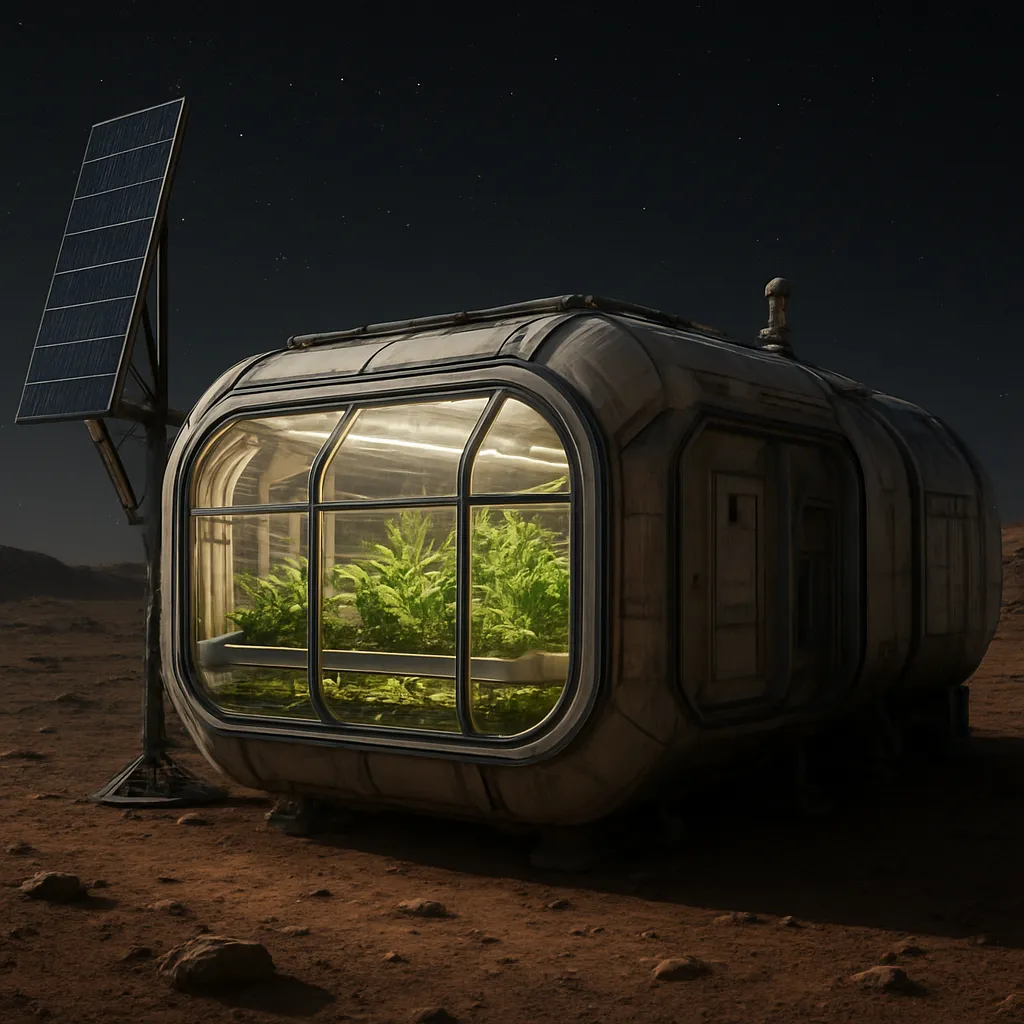
Looking beyond NASA, international collaborators and private companies are entering the field of space-based agriculture. Concepts for inflatable greenhouses, subterranean Martian farms, and rotating lunar modules leverage the insights gained from VEGGIE to create scalable solutions. As these initiatives advance, they will draw upon the foundational knowledge of gene expression changes, light spectra optimization, and nutrient delivery systems first validated on the ISS. The path to interplanetary colonization will depend on mastering such integrated agricultural technologies.
The journey of VEGGIE continues with new experiments investigating perennials, photoperiod-sensitive species, and symbiotic plant-microbe systems. Each trial brings us a step closer to establishing self-sufficient outposts beyond Earth’s cradle. In the synergy of biology and engineering, the lessons of VEGGIE illuminate a future where astronauts truly become farmer-scientists, cultivating their own food in the vast expanse of space.