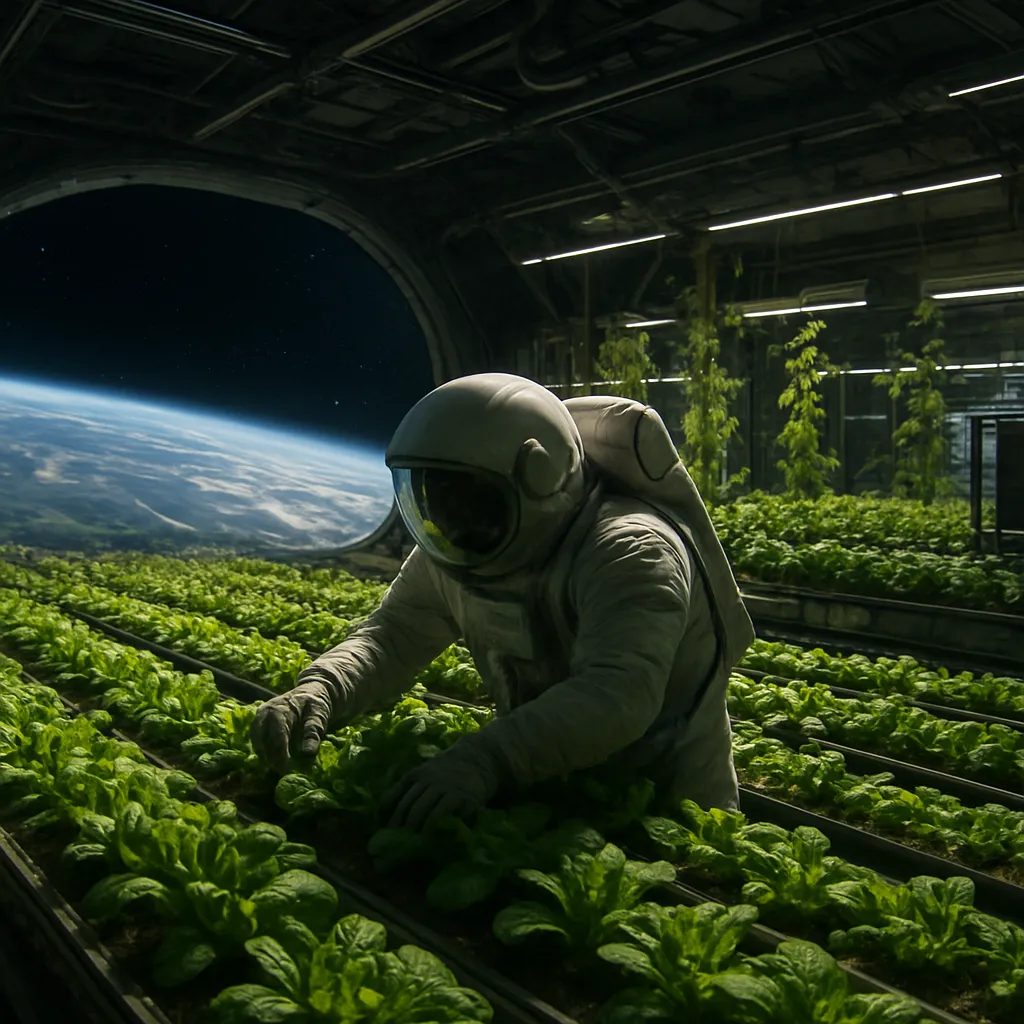
The success of cultivating crops in extraterrestrial environments hinges on harnessing the power of microbes to maintain robust nutrient cycling within closed agricultural systems. As humanity eyes sustained missions to the Moon, Mars, and beyond, researchers are exploring how microbial communities can transform waste streams, boost plant resilience, and underpin the next generation of space farms. This article delves into the mechanisms, applications, and future potential of microbial-driven farming in orbit and on other planetary bodies.
Microbial Symbiosis and Plant Growth Promotion
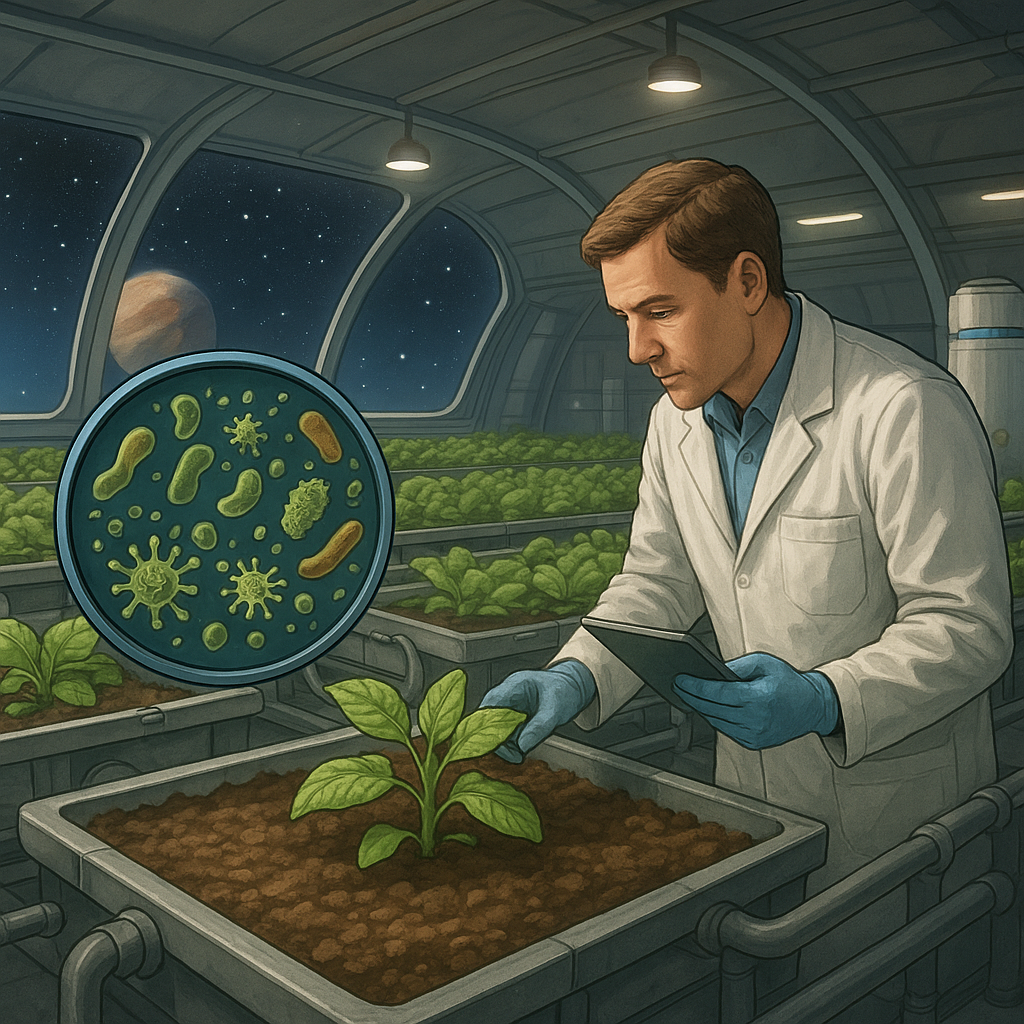
Plant roots on Earth rely on a complex network of microbial partners to enhance nutrient uptake and stress tolerance. In controlled extraterrestrial greenhouses, introducing beneficial bacteria and fungi replicates these interactions under resource-limited conditions. For instance, rhizobia-like bacteria can fix atmospheric nitrogen directly in hydroponic solutions, while arbuscular mycorrhizal fungi extend root surface area through a fine hyphal network. Together, this symbiosis accelerates nutrient acquisition, enabling crops to thrive despite microgravity-induced circulation challenges.
Studies have shown that inoculating lettuce and tomato seedlings with selected bacterial strains increases root length, leaf chlorophyll content, and overall biomass. These microbes secrete phytohormones such as indole-3-acetic acid (IAA), which stimulate cell division and root branching. Moreover, certain endophytic bacteria produce siderophores—organic compounds that chelate iron—and make this micronutrient more accessible to plants. Implementing such bioaugmentation strategies within orbital gardens transforms inert growth media into living, self-repairing substrates.
Beyond nutrient delivery, microbial consortia can enhance plant resilience against pathogens. In the closed habitats of spacecraft, where chemical pesticides are impractical, introducing biocontrol agents offers a safe alternative. Bacillus subtilis strains, for example, generate antimicrobial lipopeptides that suppress fungal invaders without harming crop tissues. The integration of these beneficial microbes lays the groundwork for truly regenerative extraterrestrial agriculture.
Bioreactors and Waste Recycling in Orbital Farms
Efficient management of organic waste is essential to sustain long-duration missions. Human excreta, residual plant matter, and other biomass can be processed by tailored microbial ecosystems within bioreactors. These units utilize sequential microbial pathways to convert waste into plant-available nutrients, closing the loop and minimizing resupply needs from Earth.
Key steps in the conversion process include:
- Hydrolysis of complex polymers (cellulose, proteins, lipids) by specialized bacteria.
- Nitrification, where ammonia-oxidizing microbes convert ammonium into nitrites and nitrates.
- Denitrification under controlled conditions to prevent accumulation of harmful intermediates.
- Phosphorus solubilization by acid-producing strains, unlocking phosphate reserves bound in waste.
Advanced photobioreactors leverage cyanobacteria and microalgae to assimilate carbon dioxide exhaled by astronauts while generating oxygen and high-quality biomass. The resulting algal slurry serves dual purposes: a supplemental food source rich in protein and vitamins, and a biofertilizer that enriches plant growth media with essential micronutrients. Integrating light-emitting diode (LED) arrays tuned to optimal wavelengths ensures maximum photosynthetic efficiency in confined volumes.
Moreover, these microbe-driven reactors can be modular and scalable, fitting within existing life-support architectures. Real-time sensors monitor pH, redox potential, and nutrient concentrations, enabling dynamic adjustments to microbial community composition. This adaptability is critical to maintaining system stability under the variable loads typical of mission operations.
Integration of Microbial Consortia for Closed-Loop Life Support
True closed-loop ecosystems demand careful orchestration of multiple bioprocesses. Designing a balanced microbial consortium involves selecting species that complement each other’s metabolic demands and byproducts. For example, heterotrophic bacteria that break down organic waste produce metabolites consumed by autotrophic algae, which in turn supply oxygen and organic compounds back to heterotrophs. Maintaining this delicate equilibrium in microgravity requires robust control algorithms and periodic microbial community assessments.
Emerging bioengineering techniques enable the creation of synthetic microbial communities with predictable behaviors. Genetically enhanced strains can be programmed to express stress-resistance genes that mitigate the effects of cosmic radiation and low-shear fluid dynamics in space. At the same time, CRISPR-based tools allow rapid fine-tuning of metabolic pathways to optimize nutrient fluxes.
Integration of these consortia into habitat modules has been demonstrated in ground-based analog facilities, such as NASA’s Bioregenerative Life Support Test Bed. These prototypes employ interconnected photobioreactors, nitrification tanks, and plant growth chambers to simulate Martian or lunar outposts. Data from these tests guide the refinement of microbial selection, ensuring reliable performance during actual missions.
Furthermore, digital twins—virtual replicas of physical systems—are being developed to predict microbial interactions under varied operational scenarios. By simulating temperature shifts, radiation spikes, and resource fluctuations, engineers can preemptively adjust inoculation schedules and nutrient inputs, minimizing the risk of system failure.
Challenges and Future Directions in Space Agriculture
While promising, microbial farming in extraterrestrial settings faces significant hurdles. Microgravity alters microbial gene expression, potentially impacting growth rates and metabolite production. Radiation exposure can induce mutations, necessitating ongoing genomic monitoring to prevent drift toward undesirable traits. Additionally, maintaining microbial diversity without introducing pathogenic species demands stringent sterilization and containment protocols.
Future research aims to develop robust culture media based on locally available regolith and in-situ resources. Bioprospecting efforts on Earth identify extremophiles that thrive in Martian-like soils, offering a starting point for engineered microbial blends. Integrating artificial intelligence with automated sampling and analysis will further enhance operational autonomy, reducing crew workload and allowing focus on exploration tasks.
Ultimately, the synergy between engineered microbial systems and advanced plant cultivation techniques holds the key to establishing resilient off-world settlements. By mastering the art of microbial-driven sustainability, space agencies will unlock new frontiers in human habitation, transforming dreams of long-term extraterrestrial life into workable realities.