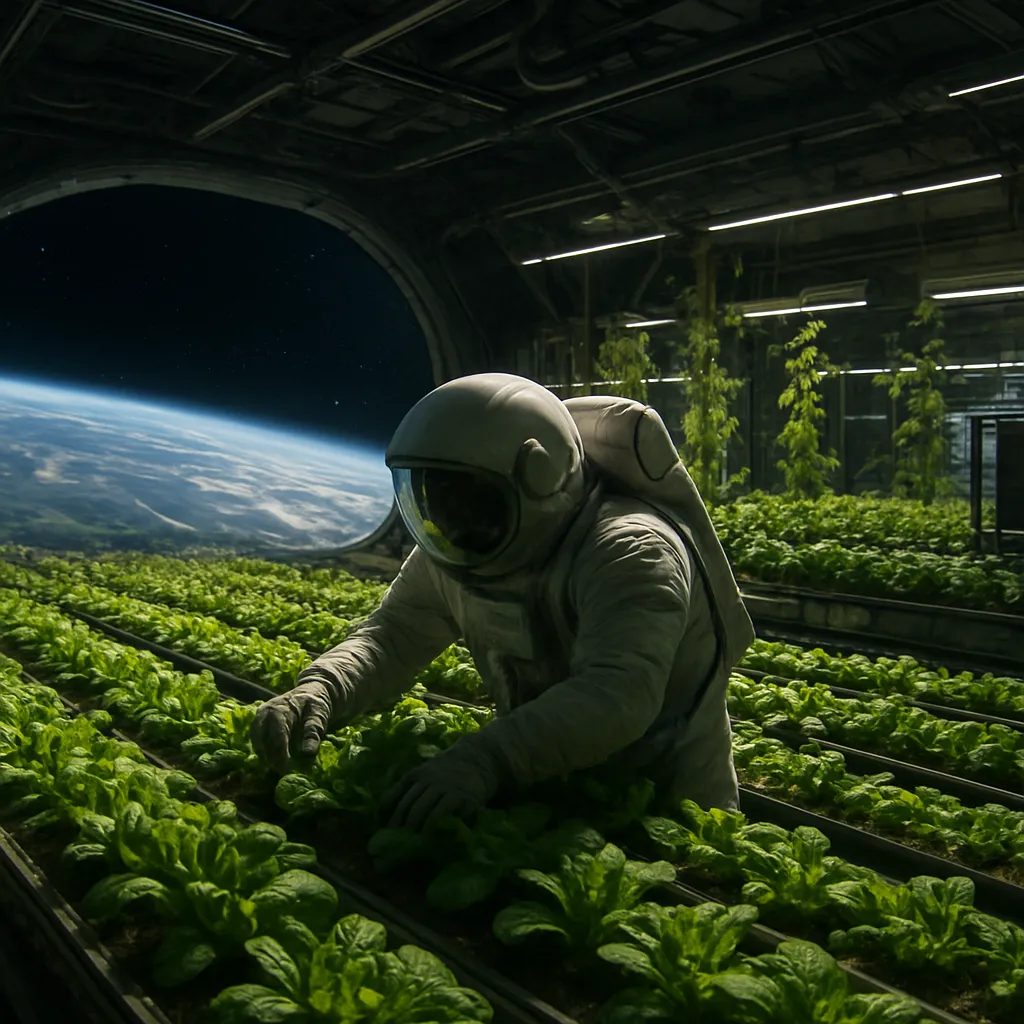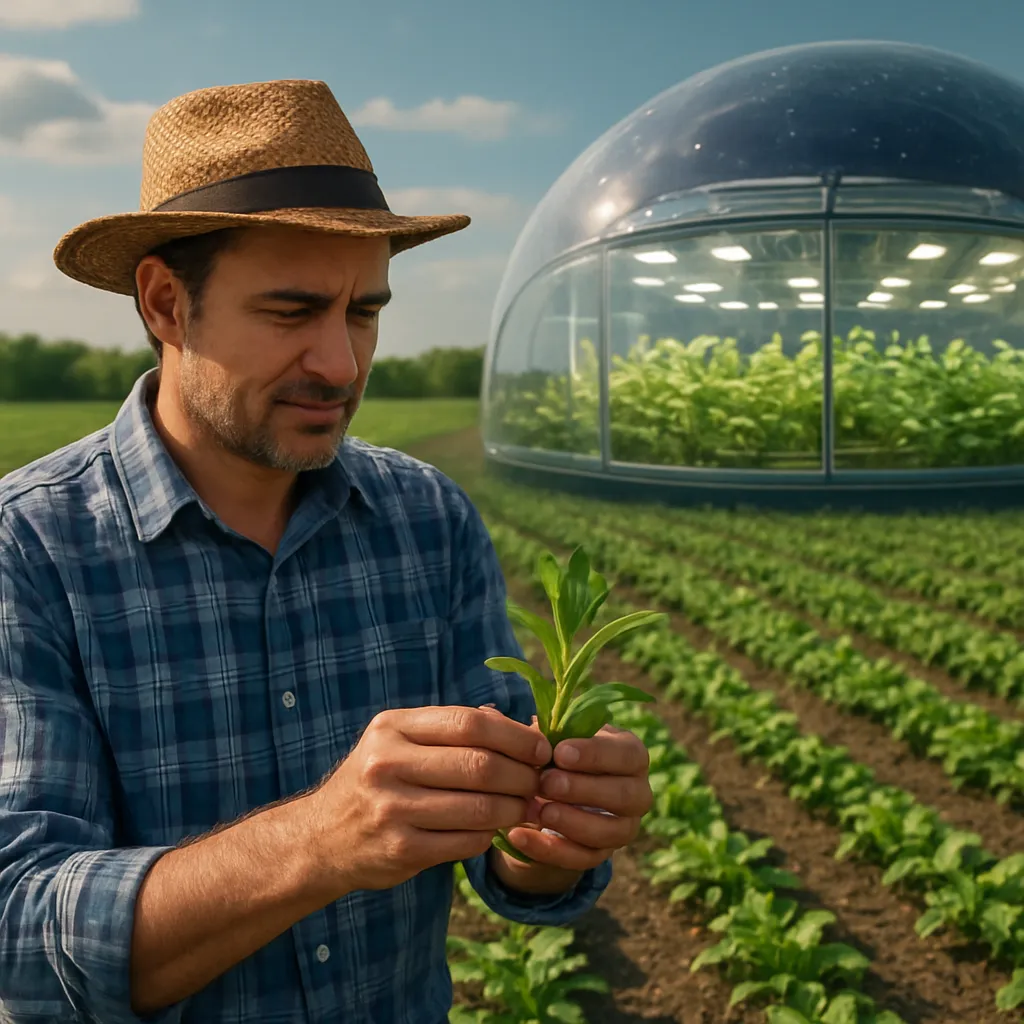
The integration of advanced biofeedback systems within smart space greenhouses is revolutionizing the way crops are cultivated beyond Earth’s atmosphere. By leveraging real-time monitoring, adaptive control mechanisms, and predictive modeling, researchers aim to create self-sustaining agricultural modules capable of supporting long-duration space missions. This article explores key technologies, design considerations, and future prospects for implementing biofeedback-driven growth chambers that ensure optimal conditions for plant development in extraterrestrial environments.
Optimizing Photosynthetic Efficiency with Biofeedback Control
Real-time Plant Health Monitoring
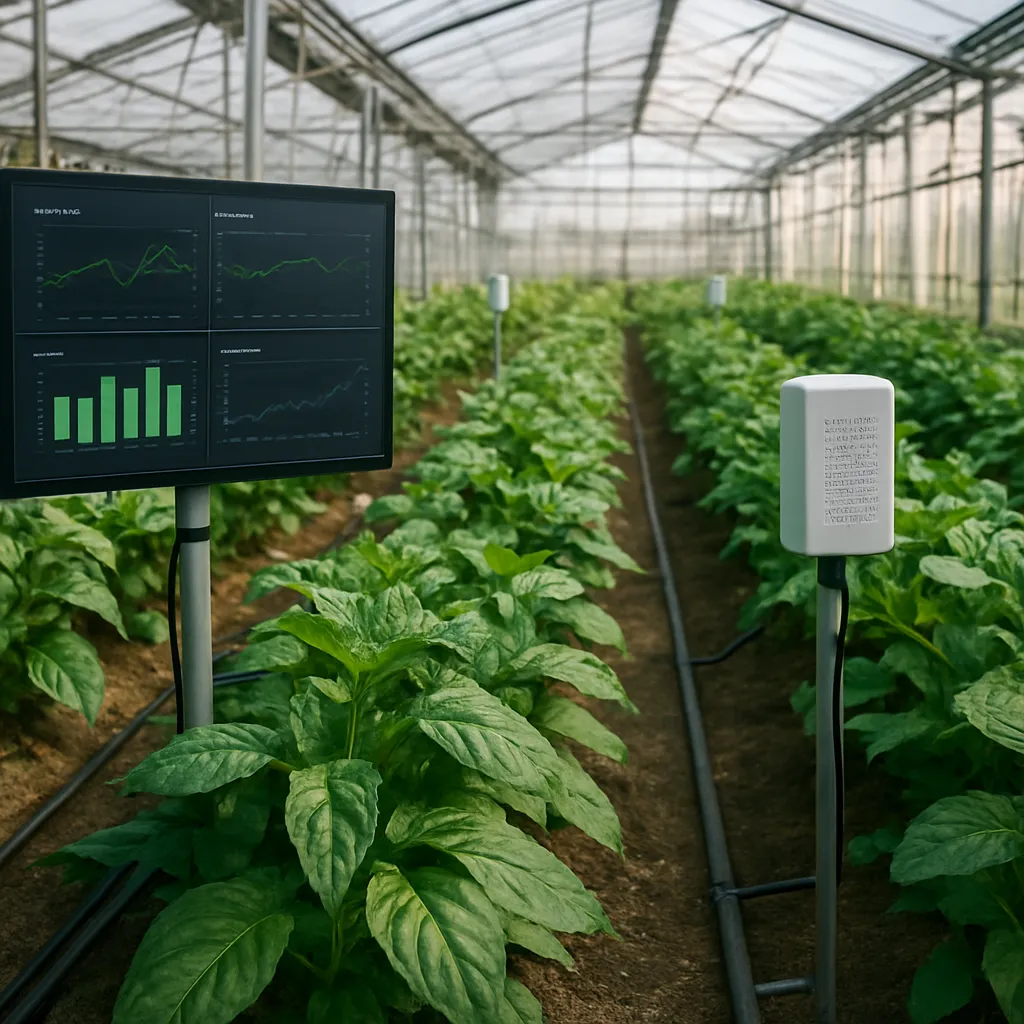
Ensuring robust plant development begins with continuous observation of physiological indicators such as chlorophyll fluorescence, stomatal conductance, and leaf temperature. By deploying multispectral cameras and infrared thermography sensors, greenhouse control systems can detect early signs of stress—whether due to water deficiency, nutrient imbalance, or suboptimal light spectra. Embedded within a closed-loop architecture, this real-time data feeds into adaptive algorithms that adjust environmental parameters instantly, preventing growth setbacks and maximizing photosynthetic yield.
Adaptive Lighting Strategies
Artificial illumination in space greenhouses must mimic the solar spectrum with high precision while minimizing power consumption. Biofeedback-enabled LED arrays can modulate intensity, wavelength composition, and photoperiods according to plant responses. For instance, if spectral analysis reveals insufficient red-to-far-red ratios needed for flowering, the control system increases emission in the 660 nm band. Conversely, during vegetative stages, enhanced blue light (around 450 nm) promotes compact foliage. Such dynamic adjustments foster uniform canopy development and reduce wasted energy, a crucial benefit in resource-constrained space habitats.
Sensor Technologies for Space-Based Greenhouses
Multispectral Imaging and Spectrometry
Advanced optical instruments provide non-invasive assessment of crop physiology. Multispectral cameras capture reflectance at discrete wavelengths, detecting pigment concentrations and stress markers. Portable spectrometers analyze the chemical composition of leaf tissues, enabling in situ evaluation of nutrient uptake and metabolic activity. These systems integrate with biofeedback loops to trigger targeted interventions—such as modifying nutrient solution concentrations or altering airflow patterns to mitigate heat stress.
Environmental Sensor Arrays
Maintaining an optimal microclimate inside a space greenhouse requires a network of distributed sensors that measure:
- Carbon dioxide levels: regulates photosynthetic rate and prevents atmospheric depletion.
- Temperature gradients: ensures uniform thermal distribution and avoids hot spots near heat-generating equipment.
- Relative humidity: balances transpiration demands with condensation risk on surfaces.
- pH and electrical conductivity: monitors the nutrient management solution in hydroponic channels.
- Airflow velocity: maintains gas exchange across leaf surfaces and prevents fungal outbreaks.
By correlating these variables with plant growth metrics, the system establishes predictive models to forecast environmental drift and preemptively correct deviations.
Data Integration, Machine Learning, and Automation
Feedback Loops and Control Algorithms
The heart of a biofeedback greenhouse lies in its control software, which synthesizes sensor inputs and issues actuator commands. Model Predictive Control (MPC) frameworks and fuzzy logic controllers have proven effective at handling nonlinear plant-environment interactions. For example, if humidity spikes beyond a threshold, ventilation fans engage proportionally to restore balance. Meanwhile, nutrient pumps adjust flow rates based on root zone conductivity readings. Such automation reduces the need for manual oversight and enables remote management from Earth or an orbital station.
Predictive Analytics for Crop Yield
Historical data archives—encompassing growth curves, environmental logs, and harvest outcomes—serve as training sets for machine learning models. Neural networks and support vector machines identify subtle correlations between early-stage indicators and final biomass production. These insights allow mission planners to optimize planting schedules, choose ideal cultivars, and allocate limited resources more efficiently. In the context of crewed missions to Mars or lunar bases, reliable yield forecasting is paramount for sustaining dietary needs.
Challenges, Resilience, and Future Prospects
Microgravity and Radiation Effects
Outside Earth’s gravitational pull, fluid dynamics and root orientation behave differently, complicating nutrient delivery and anchorage. Biofeedback systems must account for altered convection currents and potential biofilm formation in hydroponic circuits. Additionally, high-energy cosmic radiation can damage both electronic components and plant DNA. Shielded sensor housings, radiation-hardened processors, and error-correcting communication protocols help maintain system integrity over extended missions.
Scaling for Long-Term Missions
Transitioning from experimental testbeds to full-scale agricultural modules involves overcoming mass, volume, and energy constraints aboard spacecraft. Additive manufacturing techniques allow on-demand production of custom sensor mounts and fluid channels, reducing storage burdens. Self-repair routines, guided by diagnostic feedback, restore functionality to degraded components without direct human intervention. Looking ahead, integrating artificial intelligence with modular greenhouse units could enable autonomous adaptation to unforeseen environmental disturbances, enhancing mission resilience and crew safety.
Integrating Biodiversity and Sustainability in Closed Systems
Polyculture Approaches
Monocultures, while easier to manage, risk total crop failure if a disease outbreak occurs. Introducing multiple compatible species—such as leafy greens, tomatoes, and herbs—into a single greenhouse vessel promotes natural pest suppression and nutrient cycling. Biofeedback controls orchestrate staggered planting and harvest times to maintain constant yield flow and reduce resource peaks. This polyculture strategy bolsters overall system health and fosters ecological sustainability.
Water Recycling and Waste Valorization
Efficient water use is critical in closed-loop space habitats. Advanced membrane filters and bioreactors recover moisture from transpiration and human life support systems for nutrient solution replenishment. Organic residues, such as spent roots and trimmings, feed anaerobic digesters that produce biogas and fertilizer extracts. Sensor-driven management of these processes ensures minimal waste, optimal nutrient recovery, and reduced reliance on Earth resupply missions.
Conclusion
Biofeedback systems represent a paradigm shift for space agriculture, merging sophisticated data analytics with precision environmental controls to cultivate healthy, productive crops under extreme conditions. As sensor technologies mature and autonomous algorithms evolve, smart space greenhouses will become indispensable for sustaining future crewed missions and unlocking the potential for permanent human settlements beyond our planet.