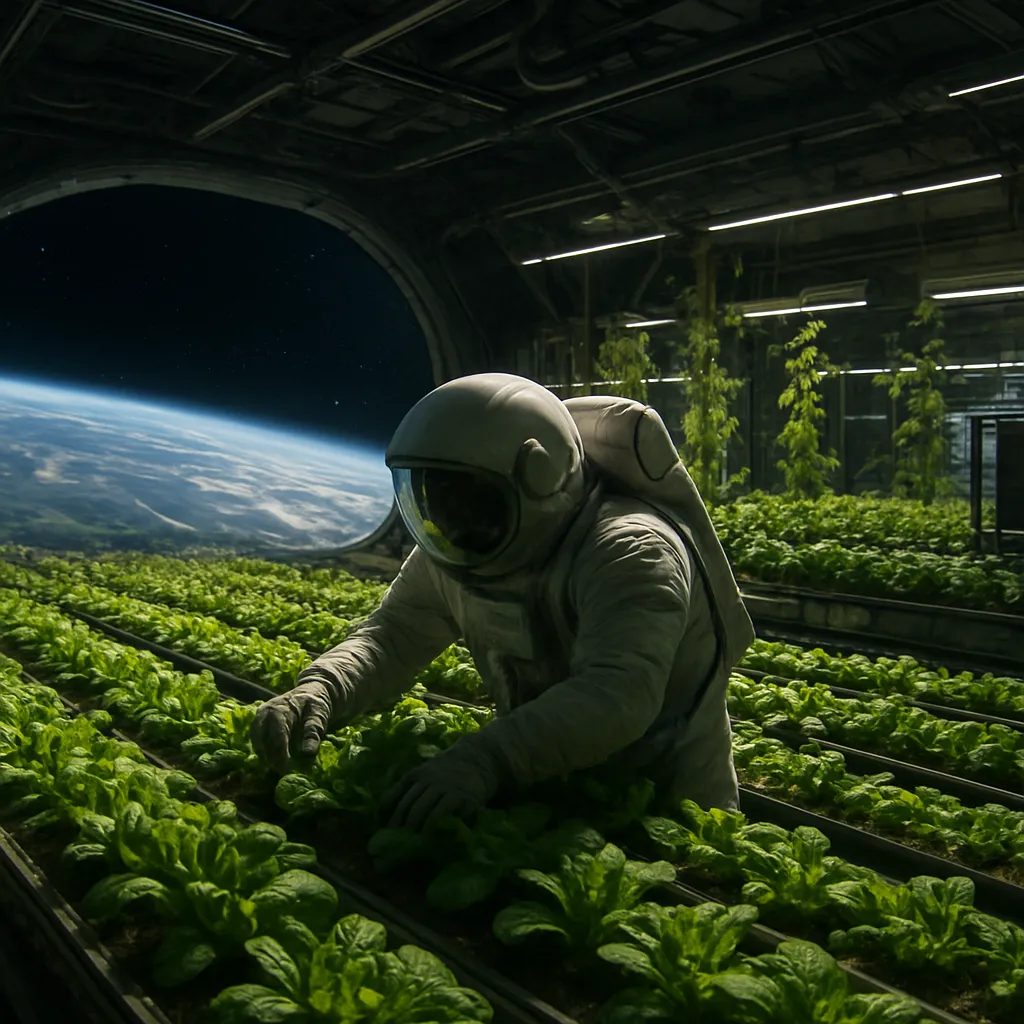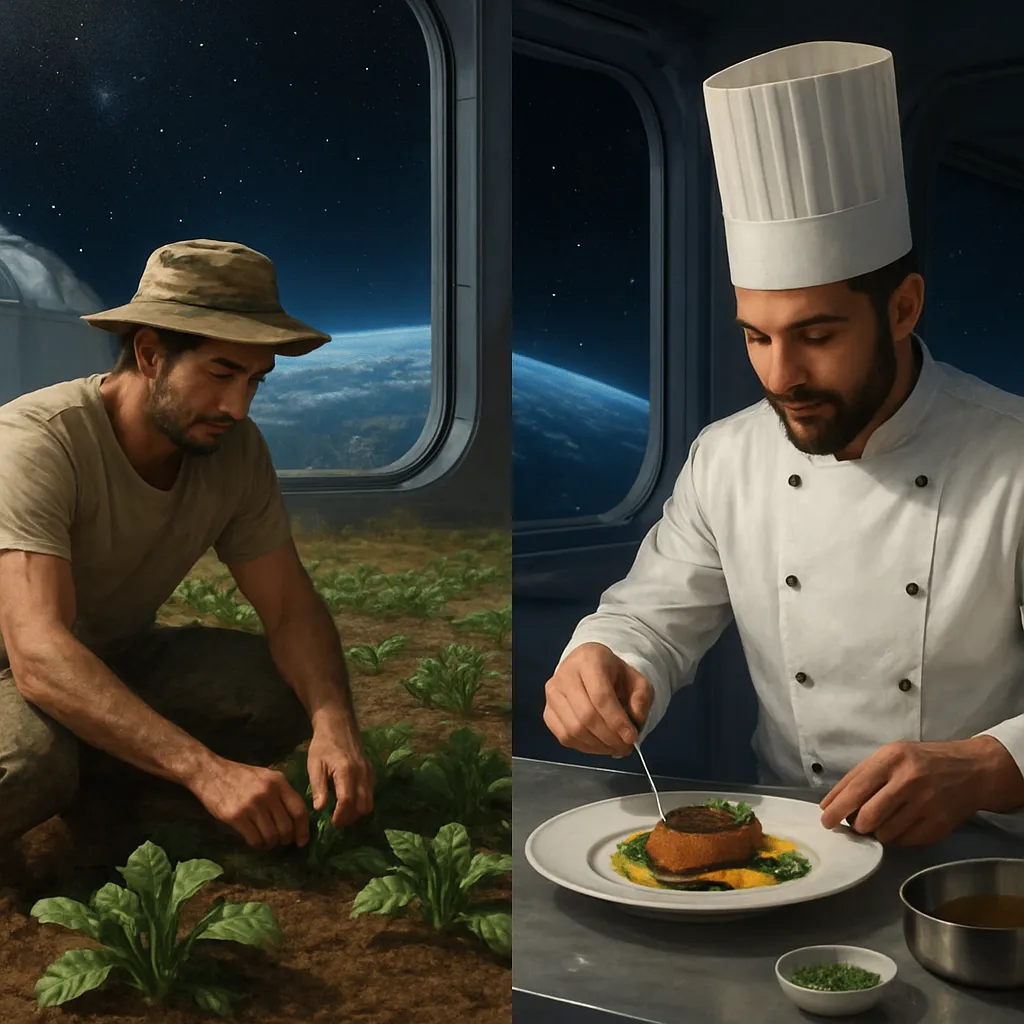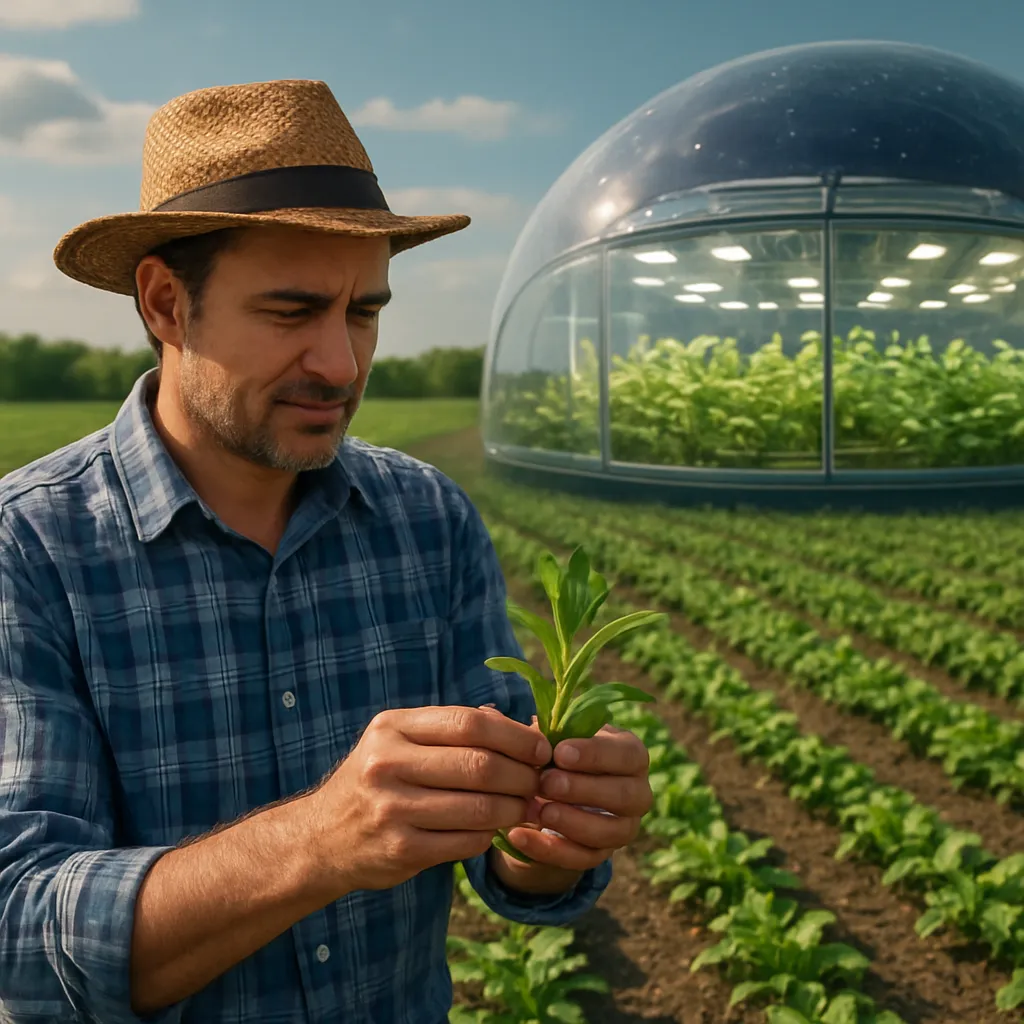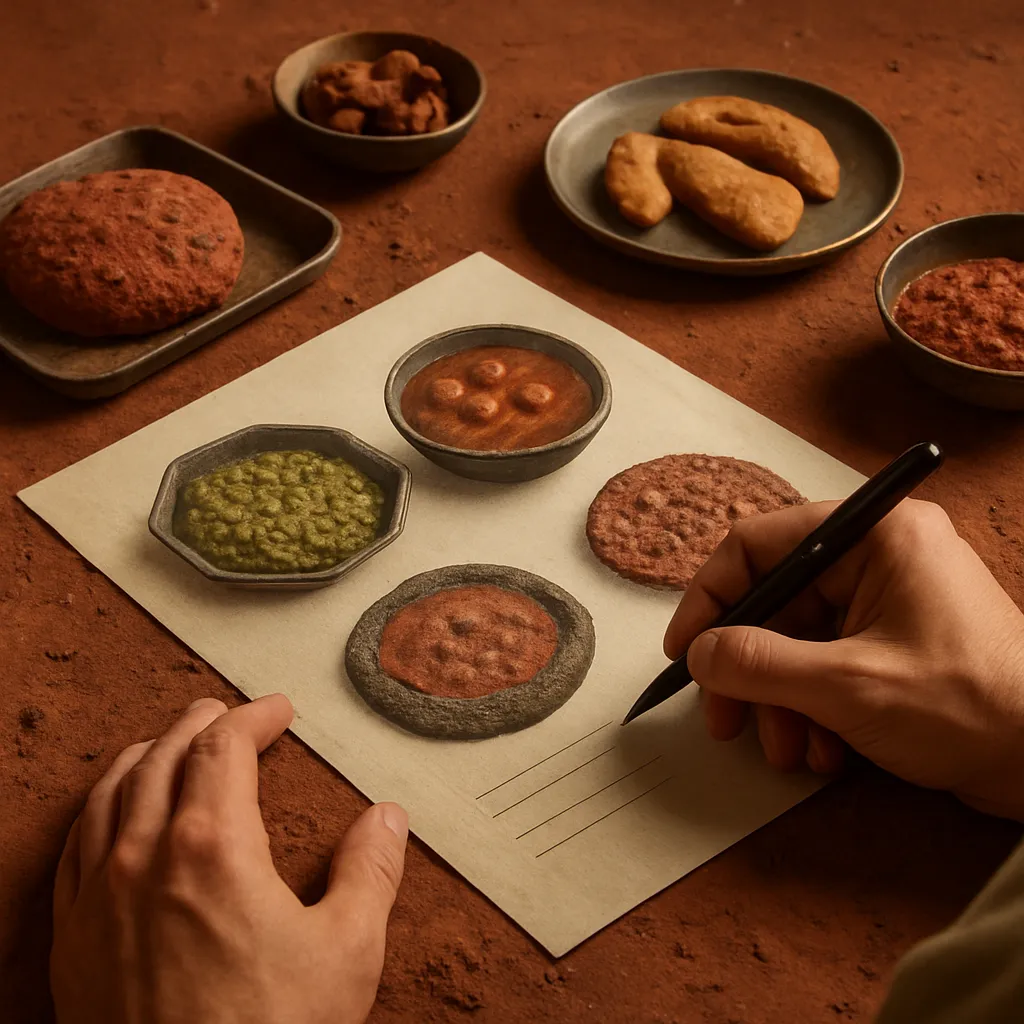
Establishing a sustainable food system on the Red Planet demands innovative strategies that merge cutting-edge agricultural techniques with deep understanding of Martian environmental constraints. Creating a Martian food menu involves harnessing resources for crop cultivation, optimizing nutrient delivery, designing efficient habitats, and delighting the human palate under alien conditions. This article delves into the core elements of Martian agriculture and outlines a roadmap toward a thriving interplanetary kitchen.
Exploring Martian Soil and Hydroponic Systems
Martian Regolith Composition
The surface material of Mars, known as regolith, poses both challenges and opportunities. Though lacking organic matter, it contains essential minerals like iron, magnesium, and silicon. Before cultivating edible plants, scientists must treat regolith to remove toxic perchlorates through chemical washing or thermal processing. Once detoxified, this silicate-rich substrate can be supplemented with organic compost or microbial consortia to support root growth. Integrating Regolith within hydroponic media reduces the need for Earth-supplied soil, dramatically cutting mission mass.
Hydroponic vs. Aeroponic Systems
Two primary soilless methods stand out for Martian agriculture:
- Hydroponics – Roots are immersed in nutrient-rich water, enabling precise control of mineral concentrations and pH levels.
- Aeroponics – Roots hang in mist chambers, receiving fine droplets of nutrition, maximizing oxygen availability and accelerating growth rates.
Both systems leverage closed-loop designs, recycling up to 95% of water. Advanced sensors monitor electric conductivity and moisture, ensuring optimal plant development. The Hydroponics approach excels in robustness, while Aeroponic techniques offer faster yield cycles—critical for mission planners.
Designing a Balanced Nutrient Profile for Martian Diets
Macronutrient Sources
An effective Martian menu must deliver sufficient calories, proteins, fats, and carbohydrates. Key plant-based contributors include:
- Legumes (lentils, chickpeas): Rich in Proteins and fiber.
- Leafy greens (spinach, kale): Provide vitamins A, C, and K, while enhancing folate intake.
- Grains (quinoa, barley): Offer complex carbohydrates and essential amino acid profiles.
- Root vegetables (beets, carrots): Supply energy-dense starch and carotenoids.
Complementing these staples with engineered microbial biomass—grown in Bioreactors—ensures complete amino acid profiles and healthy lipid fractions, such as omega-3 fatty acids produced by algae.
Micronutrient Fortification
To prevent deficiencies, the Martian diet must include trace elements. Fortification strategies involve:
- Mineral-enriched water solutions: Adjusting concentrations of iron, zinc, and calcium.
- Genetically enhanced crops: Biofortified to overproduce vitamins B12 and D under controlled light spectra.
- Synthetic supplements: Packets of electrolytes and antioxidants tailored to radiation exposure and zero-gravity effects.
Nutrient analyses guide daily rations, ensuring each crew member receives balanced micro- and macro-components for optimal health.
Greenhouse Architecture and Controlled Environment Agriculture
Lighting and Photosynthesis Efficiency
Natural sunlight on Mars is only about 40% as intense as on Earth. Greenhouse designs rely on:
- High-efficiency LED arrays tuned to red and blue wavelengths, maximizing Photosynthesis rates.
- Light-diffusing panels that spread solar photons evenly, reducing hot spots and shading.
- Reflective internal linings to capture every available lumen.
Dynamic lighting schedules mimic Earth’s diurnal cycles, supporting circadian rhythms and promoting plant vigor.
Thermal Regulation and Pressure Control
Maintaining stable temperatures (18–25 °C) and near-Earth atmospheric pressures within greenhouses prevents cellular damage in plants. Insulating layers of regolith-derived bricks buffer against extreme diurnal swings. Robotic valves and pressure sensors regulate CO₂ concentration to around 1,200 ppm, enhancing growth rates by up to 30%. A network of heat exchangers recycles warmth from habitat modules, ensuring energy-efficient climate management.
Culinary Innovation and Flavor Enhancement
Incorporating Earthly Herbs and Spices
Monotony in taste can erode morale on long missions. To elevate dishes, cultivators grow compact herb species like basil, mint, and oregano in vertical towers. These aromatic plants release essential oils that stimulate appetite and support digestive health. Microfabricated flavor capsules—encapsulating salt, sweet, sour, and umami compounds—allow chefs to customize each meal’s profile. The result is a menu that balances nutrition with sensory satisfaction.
3D-Printed Food Solutions
Advanced printers extrude nutrient-dense pastes, layer by layer, crafting foods with tailored textures and shapes. By integrating plant protein isolates, algae powders, and cultured fats, 3D-printed items can simulate meat alternatives, pastries, or nutrient bars. This method dramatically reduces preparation time and minimizes kitchen waste. Printed meals can incorporate variable vitamin concentrations, matching each astronaut’s metabolic needs.
Sustainability and Circular Resource Management
Wastewater Recycling
Closed-loop water systems are vital to conserve the scarce Martian H₂O supply. Graywater from showers and kitchens undergoes purification via membrane filtration and ultraviolet sterilization. The reclaimed water irrigates crops, where plants naturally absorb residual nutrients. Evaporative condensers then recapture moisture released by transpiration, returning it to storage tanks. This cycle maintains water usage rates below 10 liters per person per day.
Algae and Insect Protein
Supplementary protein sources include spirulina and crickets—both capable of rapid biomass accumulation in minimal volumes. Algae photobioreactors produce high yields of edible biomass rich in essential amino acids and Omega-3 lipids. Insect farms operate under controlled humidity and feed on leftover vegetable scraps, converting waste into nutrient-dense bodies. Processing units then transform dried insect powder into neutral-flavored protein flour, seamlessly integrated into pastas and baked goods.
Future Outlook and Adaptive Strategies
As we refine Martian agriculture, continuous research in plant genetics, closed-loop engineering, and culinary arts will converge to form a resilient food ecosystem. Adaptive protocols—driven by AI-powered diagnostics—will optimize crop rotations, detect early signs of nutrient stress, and personalize meal plans. By harnessing the Red Planet’s resources with sustainable ingenuity, humanity will not only survive but thrive, turning every harvest into a triumph of interplanetary collaboration.