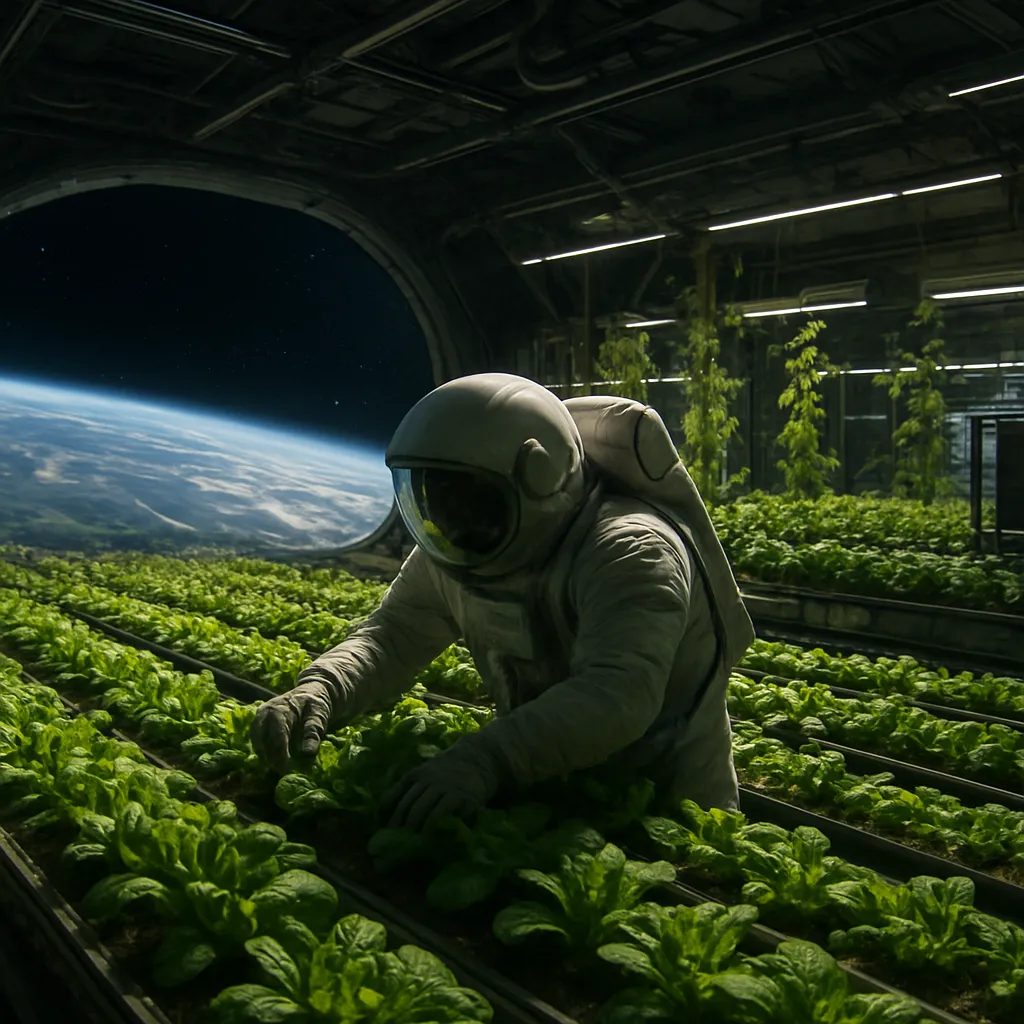
Advancing agriculture beyond Earth’s boundaries requires innovative solutions that combine engineering, biology, and space science. Smart irrigation systems for extraterrestrial farms represent a critical component in establishing self-sufficient outposts on the Moon, Mars, or orbiting habitats. This article explores the foundations, challenges, design strategies, and future horizons of **intelligent** water management in space-based food production environments.
Background and Importance of Space Agriculture
Growing crops in microgravity or reduced gravity environments is more than a scientific curiosity; it serves as a cornerstone for long-duration missions and permanent colonies. Ensuring a reliable food supply reduces dependence on Earth resupply missions, cuts mission costs, and enhances crew **well-being**. Within this context, irrigation systems play a pivotal role, linking water, nutrients, and plant roots in a closed ecological loop.
The concept of sustainability in space farming encompasses water recycling, nutrient recovery, and atmospheric control. NASA’s Veggie experiment and the European Space Agency’s MELiSSA project have demonstrated basic cultivation in controlled chambers. However, scaling these experiments into fully operational greenhouses on Mars orbiters or lunar bases demands advanced control over water distribution. Enter smart irrigation: a system that leverages sensors, feedback loops, and predictive algorithms to deliver precise hydration to each plant.
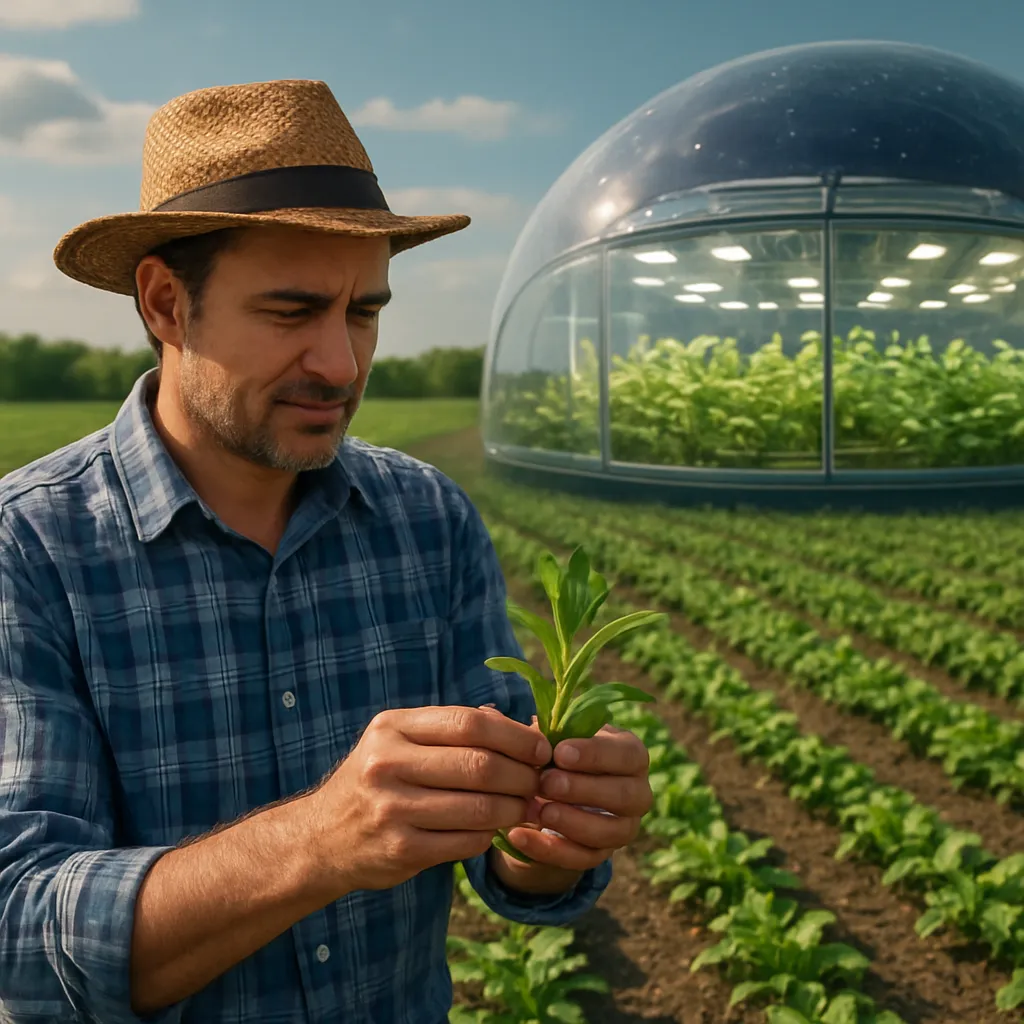
On Earth, drip irrigation and hydroponics already achieve remarkable resource efficiency. Translating those successes off-world involves adapting to unique constraints such as limited energy budgets, microgravity fluid behavior, and extreme temperature swings. Overcoming these constraints will pave the way for truly autonomous extraterrestrial farms capable of supporting exploration missions and even commercial enterprises.
Challenges of Extraterrestrial Irrigation
Fluid Dynamics in Reduced Gravity
In microgravity, water forms spheres or adheres to surfaces unpredictably. Conventional drip emitters rely on gravity to pull droplets downward; in orbit, capillary forces dominate. Engineers must design chambers and channels that guide water precisely using surface tension and engineered textures. Research into porous ceramic substrates and wicking meshes offers potential solutions, but each approach demands rigorous testing to ensure reliable performance.
Closed-Loop Life Support Integration
Extraterrestrial habitats operate as closed systems. Water must be continuously recycled from humidity condensate, greywater, and even metabolic waste. A smart irrigation network must integrate seamlessly with membrane filtration, electrochemical purification, and biological breakdown units. Data from water quality sensors feed into a central control unit that adjusts nutrient formulations and volume based on plant uptake rates.
Energy and Mass Constraints
Every kilogram launched into space carries a steep price tag. Irrigation infrastructure must be lightweight yet durable, compact enough to stow during transit, and energy-efficient during operation. Designers often employ solar panels or habitat power systems to run pumps, valves, and microprocessors. Low-power electronics and piezoelectric micro-pumps reduce consumption, but balancing performance with mass savings remains a persistent challenge.
Designing Smart Irrigation Systems
Sensor Networks and Data Analytics
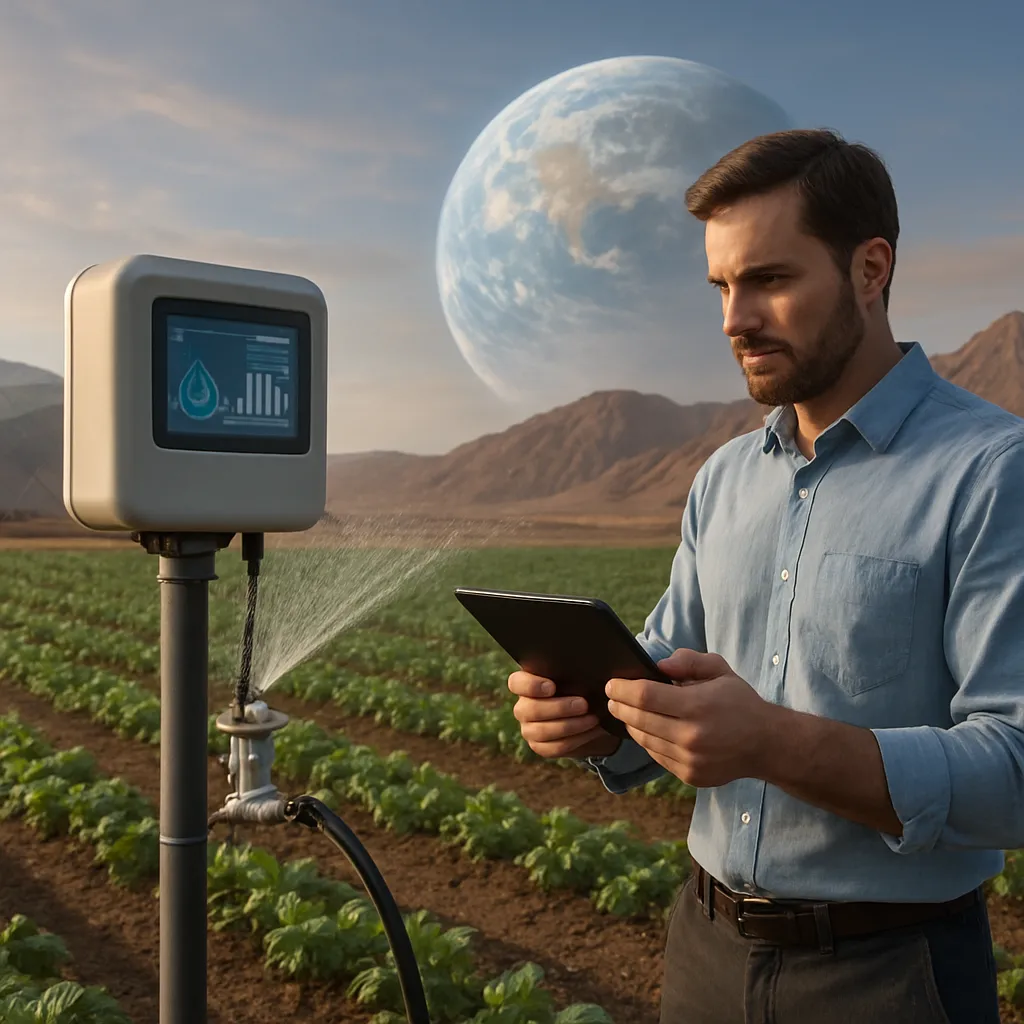
At the heart of any smart irrigation solution lies a robust array of sensors. Moisture probes, leaf-tissue sensors, and volumetric water content detectors provide real-time insights into plant hydration status. Integrating these readings with environmental data—light intensity, atmospheric CO₂, temperature, and humidity—enables dynamic adjustments. Advanced data analytics algorithms process multi-parameter inputs, predicting water demand before plants exhibit stress.
- Multiparameter Probes combine electrical impedance with optical measurements to gauge root-zone moisture.
- Flow Sensors monitor liquid delivery rates to each module, ensuring uniform distribution.
- Imaging Systems utilize near-infrared cameras to detect early signs of water stress through canopy reflectance.
Automation and Control Strategies
Automated valves and micro-pumps act upon instructions from a central processor. Predefined irrigation schedules can be supplemented by machine learning models that adapt to crop type, growth stage, and environmental changes. This approach offers key benefits:
- Real-time optimization of water usage.
- Reduction of human intervention, critical for distant missions.
- Capability to run fault-tolerant operations through redundancy and fail-safe protocols.
To further improve reliability, engineers implement predictive maintenance systems. By analyzing pump vibration patterns and valve response times, the control unit anticipates component wear, scheduling replacements during crew maintenance windows.
Substrate and Nutrient Delivery Innovations
Choosing the right growth medium affects irrigation design. Hydroponic channels, aeroponic mist systems, and solid substrates like volcanic regolith simulants each pose different requirements. Solid media may trap excess water, risking root hypoxia, while nutrient mists require precise droplet size control to prevent water loss in vacuum conditions.
Innovations include:
- Smart Substrates embedded with microcapsules that release water and nutrients in response to electrical stimulation.
- Phase-Change Materials incorporated into growth plugs to buffer temperature swings and maintain moisture levels.
- Electro-Wicking systems that adjust capillary action through applied voltages, modulating moisture movement on demand.
Future Prospects and Research Directions
As humanity embarks on missions to Mars and beyond, the role of life support agriculture systems becomes ever more critical. Smart irrigation will evolve with advances in materials science, artificial intelligence, and robotics. Potential future developments include:
- Integration of autonomous drones for adaptive monitoring, delivering targeted irrigation and performing crop inspections without crew involvement.
- Bioengineered plant varieties optimized for minimal water usage and high nutrient uptake, enhancing overall system resilience.
- Distributed control architectures that allow networked greenhouses to share data, learning from diverse environmental conditions across planetary bases.
International collaboration and public-private partnerships will accelerate these innovations. Agencies, research institutions, and aerospace companies can pool resources to build test beds in terrestrial analog sites—Antarctic stations, desert biomes, or underwater habitats—to validate smart irrigation strategies under extreme conditions.
The vision of self-sustaining extraterrestrial farms hinges on achieving **precision**, **efficiency**, and **robustness** in water management. By mastering smart irrigation technologies, we unlock the potential for long-term human presence on other worlds, secure food autonomy, and deepen our understanding of plant biology in alien contexts. Continued investment in this field will not only expand the frontiers of space exploration but also yield breakthroughs in Earth-based agriculture, driving a more sustainable future for our planet.