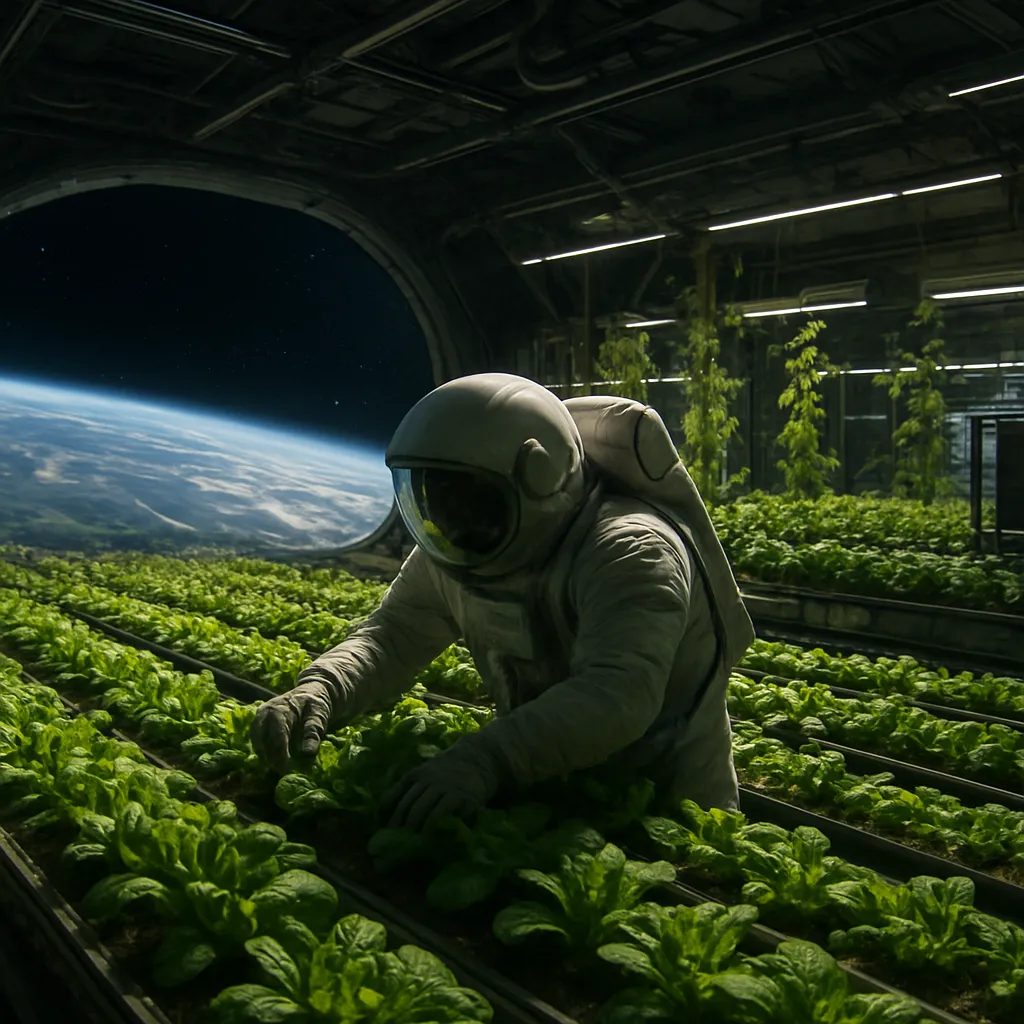
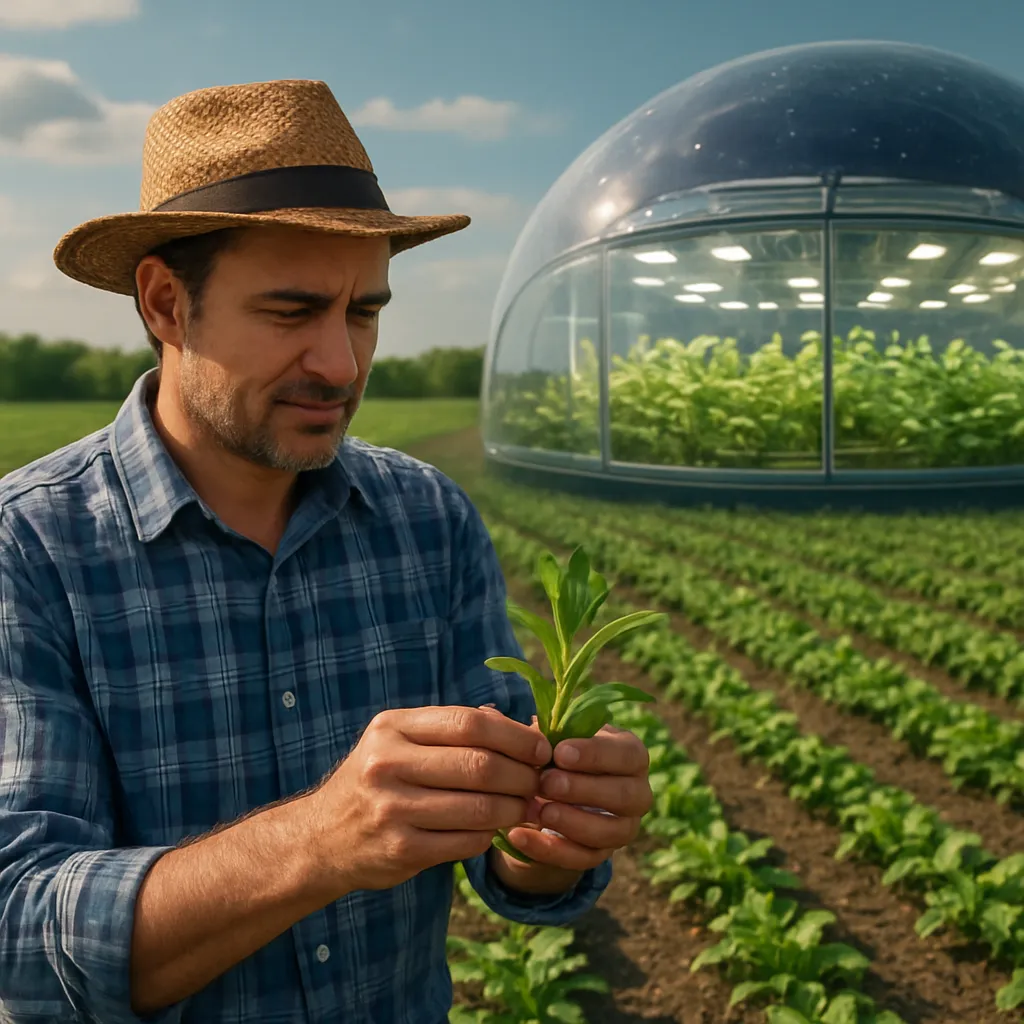
Exploring the resilience of plant life under extraterrestrial conditions has become a cornerstone of future space missions. Prolonged exposure to **space radiation** poses unique threats to plant development, yet recent studies reveal remarkable adaptive strategies that emerge over multiple generations. By unraveling these mechanisms, researchers aim to secure reliable food production systems for crewed missions to Mars, orbital habitats, and beyond.
Understanding Space Radiation and Its Impact on Plants
Space radiation consists primarily of high-energy particles originating from galactic cosmic rays (GCR) and sporadic solar particle events (SPE). These ionizing radiations can penetrate plant tissues, inducing **oxidative stress**, DNA strand breaks, and widespread cellular damage. Unlike on Earth, where the atmosphere and magnetic field offer protection, plants grown in space or on the lunar surface receive a higher flux of charged particles.
- Galactic Cosmic Rays (GCR): High-energy protons and heavier nuclei that generate secondary particles upon collision with shielding materials.
- Solar Particle Events (SPE): Sudden eruptions of protons and electrons from solar flares, causing acute radiation spikes.
- Secondary Radiation: Neutrons and gamma rays produced when primary particles interact with spacecraft or regolith.
Under such conditions, plants must maintain **genome stability** while ensuring continued growth and reproduction. Critical pathways affected include photosynthesis, nutrient uptake, and cell cycle regulation. Understanding these vulnerabilities allows scientists to tailor protective measures and select resilient genotypes for space agriculture.
Adaptive Mechanisms Across Generations
Longitudinal experiments onboard the International Space Station (ISS) and ground-based simulators have shown that plants develop increasingly robust responses to chronic radiation exposure. Two central adaptation strategies have emerged:
- Genetic Selection: Favoring alleles that promote efficient DNA repair and antioxidant production.
- Epigenetic Memory: Heritable changes in gene expression without alteration of the underlying DNA sequence.
Role of Epigenetic Regulation
Plants exposed to sublethal radiation doses often exhibit modifications in DNA methylation patterns and histone marks. These epigenetic changes can enhance transcription of **DNA repair** genes and antioxidant enzymes such as superoxide dismutase (SOD) and catalase. Remarkably, the progeny of irradiated plants inherit these modifications, demonstrating a form of **transgenerational** stress memory.
Mutational Accumulation vs Phenotypic Plasticity
While random mutations accumulate under chronic radiation, not all confer a survival advantage. Directed selection experiments reveal that beneficial mutations, such as those enhancing the efficiency of the nucleotide excision repair (NER) pathway, become predominant over successive generations. Concurrently, **phenotypic plasticity**—the ability of a single genotype to express different phenotypes under varying conditions—allows individual plants to acclimate rapidly to fluctuating radiation levels.
Experimental Platforms and Key Findings
Researchers employ both in-orbit growth chambers and terrestrial accelerators to simulate space-like radiation. Notable platforms include:
- Veggie Facility on the ISS: Supports cultivation of lettuce, zinnias, and Arabidopsis under low Earth orbit conditions.
- Advanced Plant Habitat (APH): Provides controlled environment parameters with programmable lighting, temperature, and humidity.
- Ground-based GCR Simulators: Use heavy ion accelerators to mimic cosmic radiation spectra for long-term plant exposure.
Major findings from multi-generational studies include:
- Upregulation of key genes involved in **oxidative stress** mitigation, such as glutathione S-transferase (GST).
- Enhanced root system architecture, improving water and **micronutrient** uptake under stressful conditions.
- Increased seed viability and germination rates after three to five generations of continuous radiation exposure.
- Maintenance of normal photosynthetic efficiency despite higher background radiation.
Implications for Future Space Agriculture
Developing reliable crop systems for long-duration missions hinges on integrating adaptive traits with advanced cultivation technologies. Key considerations include:
- Implementing Closed-loop life support systems where plant growth recycles carbon dioxide and produces fresh oxygen and food.
- Applying **directed evolution** and CRISPR-based gene editing to introduce or enhance radiation-tolerance traits.
- Designing modular greenhouses with layered shielding materials that balance **biosafety** and resource constraints.
- Leveraging microbial consortia to support nutrient cycling and suppress opportunistic pathogens in a microgravity environment.
Species selection remains critical. Model organisms like Arabidopsis thaliana offer rapid lifecycle studies, but staple crops such as wheat, rice, and soybean must be optimized for extraterrestrial deployment. Future research will combine **controlled environment agriculture** techniques with synthetic biology to engineer chassis plants capable of producing pharmaceuticals, biofuels, and structural biopolymers in situ.