As humanity prepares for extended missions beyond Earth’s orbit, the quest to transform rudimentary plant growth into a thriving spaceborne culinary tradition has never been more vital. This article explores how early experiments in orbit have evolved into sophisticated systems that promise not only life-support but also gastronomic delight. From ingenious hydroponics modules to gene-edited crops, these innovations pave the way toward a truly self-sustaining, flavor-driven ecosystem among the stars.
Foundation of Space Agriculture: From Pioneering Trials to Scalable Systems
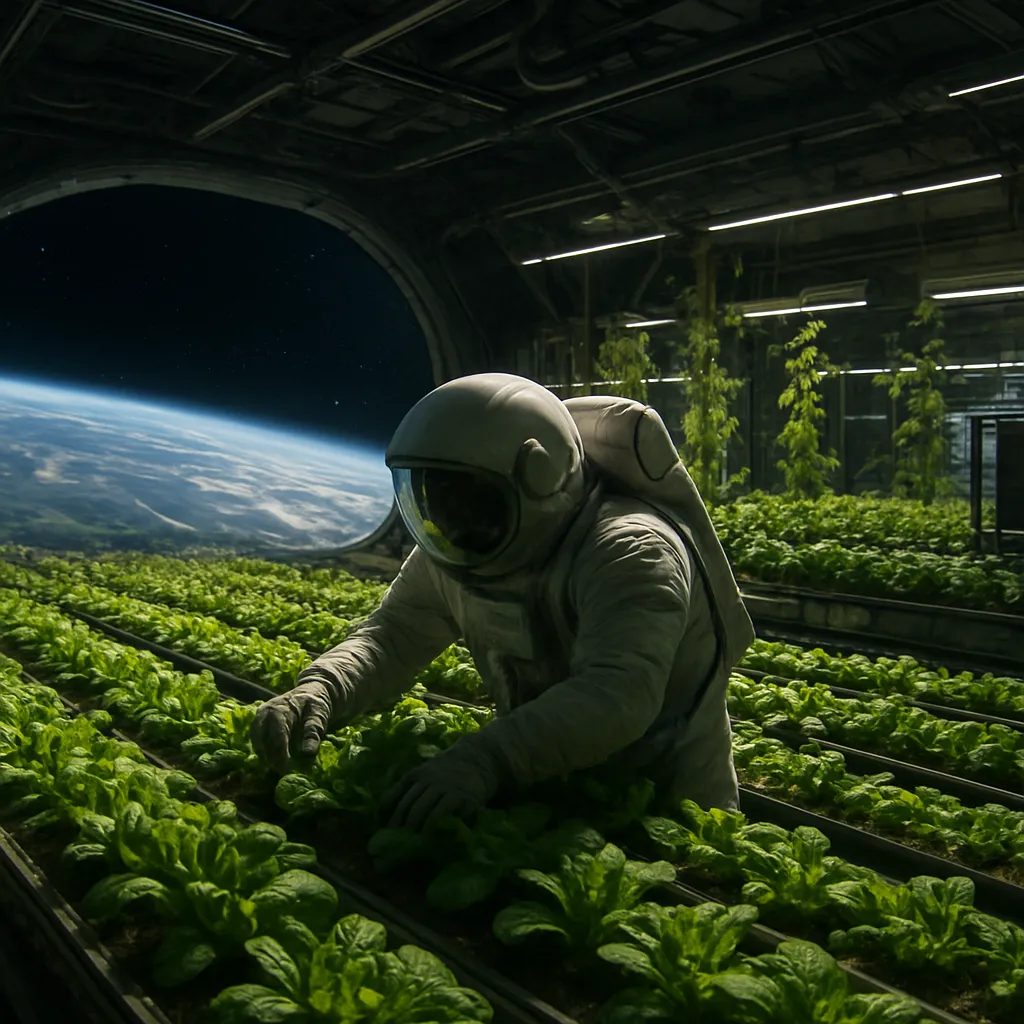
Initial forays into plant cultivation aboard spacecraft focused on proving basic photosynthesis could occur in microgravity. Small, sealed chambers tested beans, lettuce, and wheat under controlled lighting. These proof-of-concept trials established critical parameters—light wavelength, humidity, and nutrient delivery—to support germination and growth. Early setbacks, such as uneven root growth and mold outbreaks, underscored the need for refined environmental control.
Over the past decade, research facilities like the International Space Station’s Veggie unit moved toward larger, modular racks. Key milestones included:
- Deployment of LED arrays tuned to red and blue spectra for optimized energy efficiency.
- Integration of sensors to monitor pH, temperature, and oxygen levels in real-time.
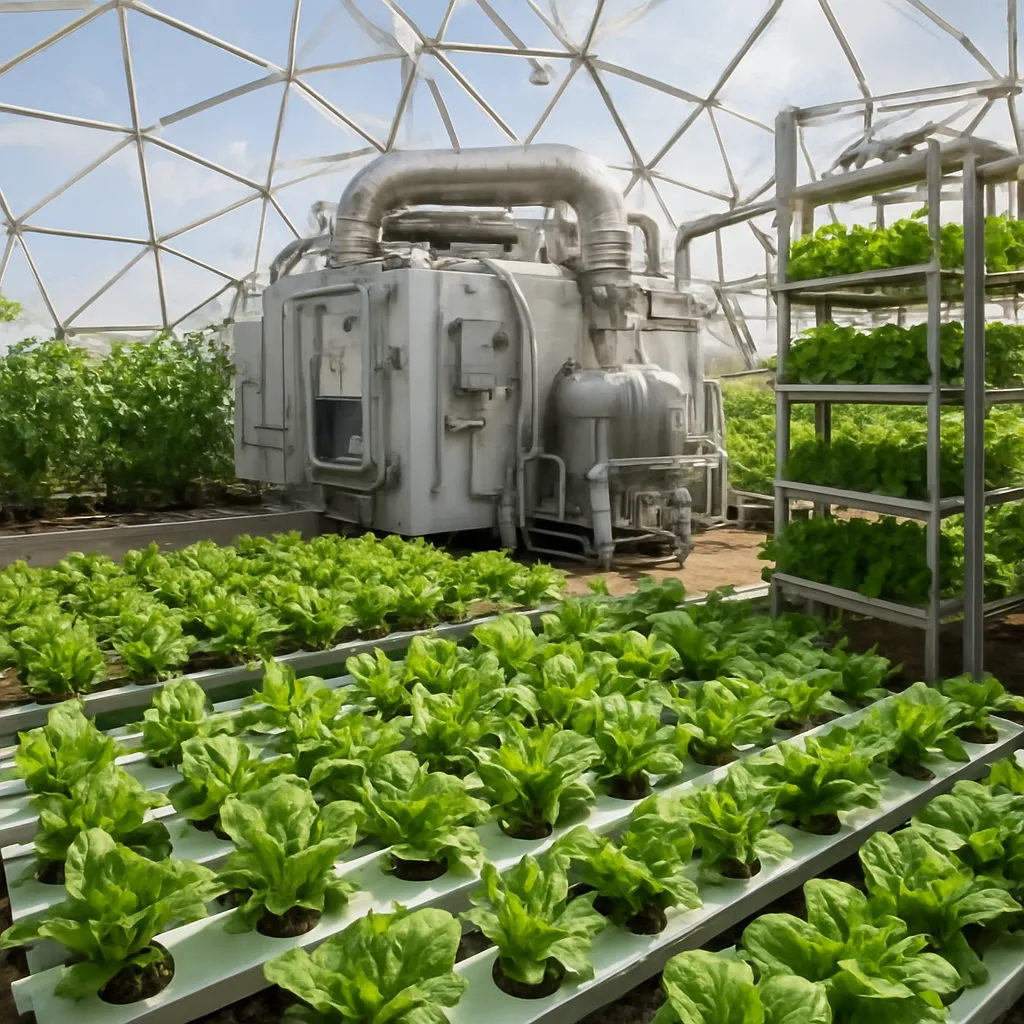
- Validation of closed-loop system designs that recycle water and carbon dioxide between plants and crew.
These early achievements laid a robust foundation for expanding from simple biomass production to complex plant communities capable of supporting crew sustainability and even novel taste profiles.
Innovative Technologies Shaping Sustained Cultivation Beyond Earth
Advancing beyond static growth racks, engineers and biologists now collaborate on dynamic solutions that mimic terrestrial ecosystems. Prominent technologies include:
Photobioreactors for Microalgae and Fungi
Photobioreactors harness algae’s rapid biomass accumulation, capturing CO₂ while generating edible proteins and pigments. Simultaneously, vertical bioreactor units cultivate mycelium—edible mushroom tissues—within lightweight, flexible matrices. This dual approach enriches nutrient cycles and enhances flavor variety.
Gene Editing and Synthetic Biology
CRISPR-based modifications enable crops to thrive under low-pressure, high-radiation conditions. By upregulating DNA repair pathways and enhancing antioxidant production, these gene-edited strains exhibit:
- Faster germination times.
- Improved resistance to cosmic radiation.
- Enhanced vitamin and mineral content per gram of biomass.
The outcomes promise highly nutritious harvests that support cultivation efficiency while mitigating logistical burdens of resupply missions.
Culinary Transformations: Crafting Flavor and Nutrition in Orbit
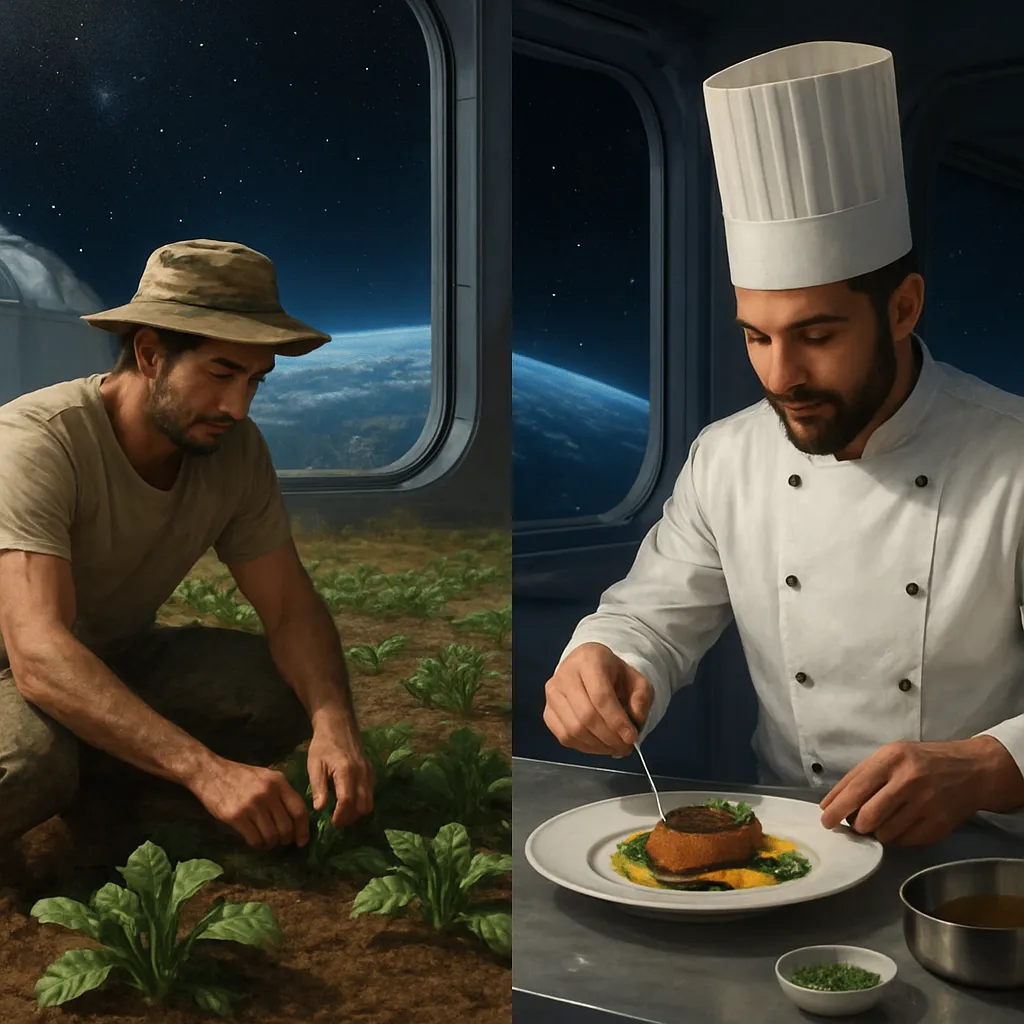
Beyond survival, the next frontier in space agriculture embraces a vibrant flavors philosophy. Chefs and scientists collaborate to elevate crew morale and health through sensory-rich meals. Innovations include:
- Aroma gardens: Compact herb chambers grown in rotating trays to concentrate volatile oils.
- Salt-sequestering hydroponic channels that reduce sodium reliance while intensifying natural flavor compounds.
- Fermentation pods for producing yogurt, cheese, and kimchi analogues from space-grown milk substitutes or legume bases.
These systems transform routines into rituals of taste exploration, merging nutritional planning with creative presentation. Astronauts report improved mental well-being when crafting customized dishes, underscoring the role of agriculture as both life support and cultural expression.
Looking Ahead: Integrating Biodesign and Gastronomy for Deep Space Missions
As lunar bases and Mars outposts emerge, future habitats will integrate multi-tiered farms into architectural frameworks. Concepts under development include:
- Transparent growth walls that double as radiation shielding and ambient lighting.
- Robotic harvesters and autonomous pollinators that mimic Earth’s ecosystem services.
- 3D-printed meal modules combining powders from dehydrated crops with freshly harvested garnishes.
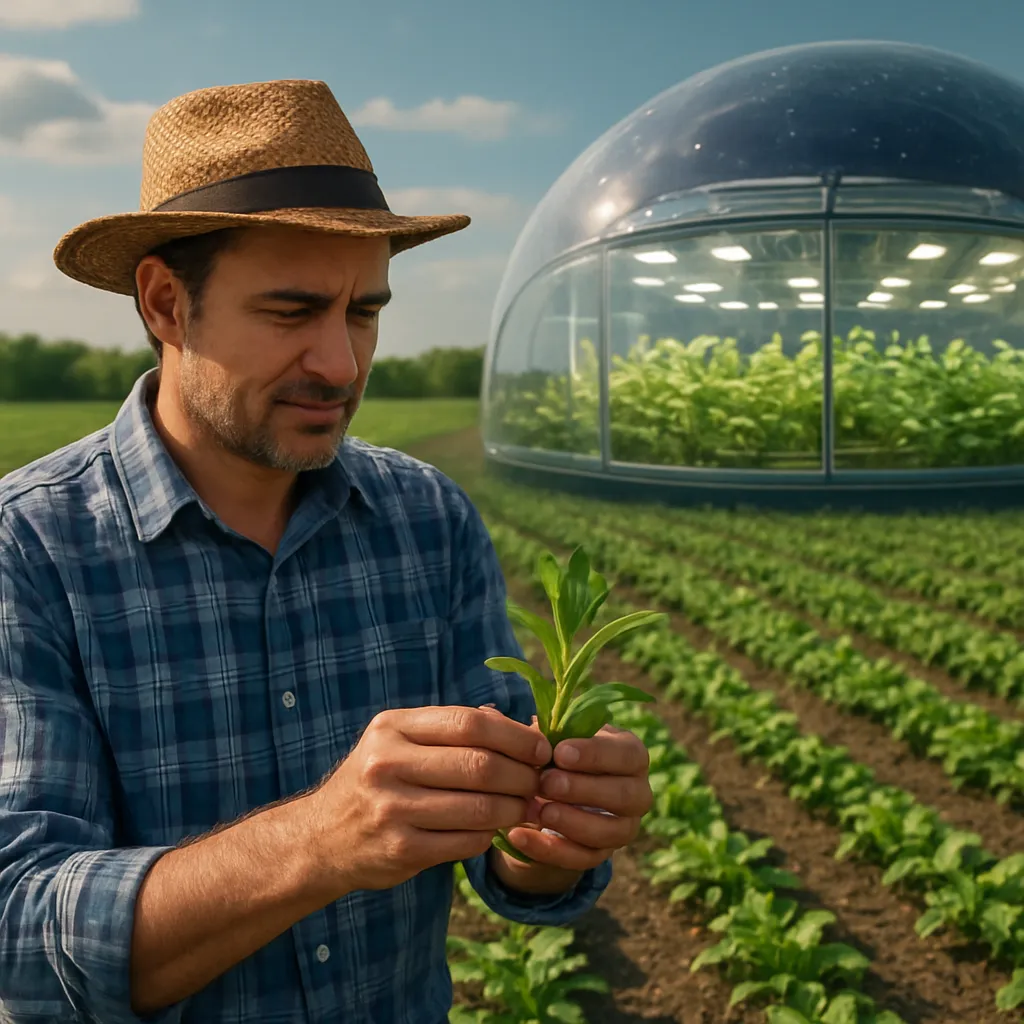
Interdisciplinary teams pursue a seamless union of science and art. By leveraging innovation in environmental controls and culinary techniques, these designs aspire to satisfy caloric demands and delight the palate. In doing so, they ensure that long-duration voyages become more than mere survival missions—they evolve into thriving communities where food becomes a central pillar of human identity in the cosmos.