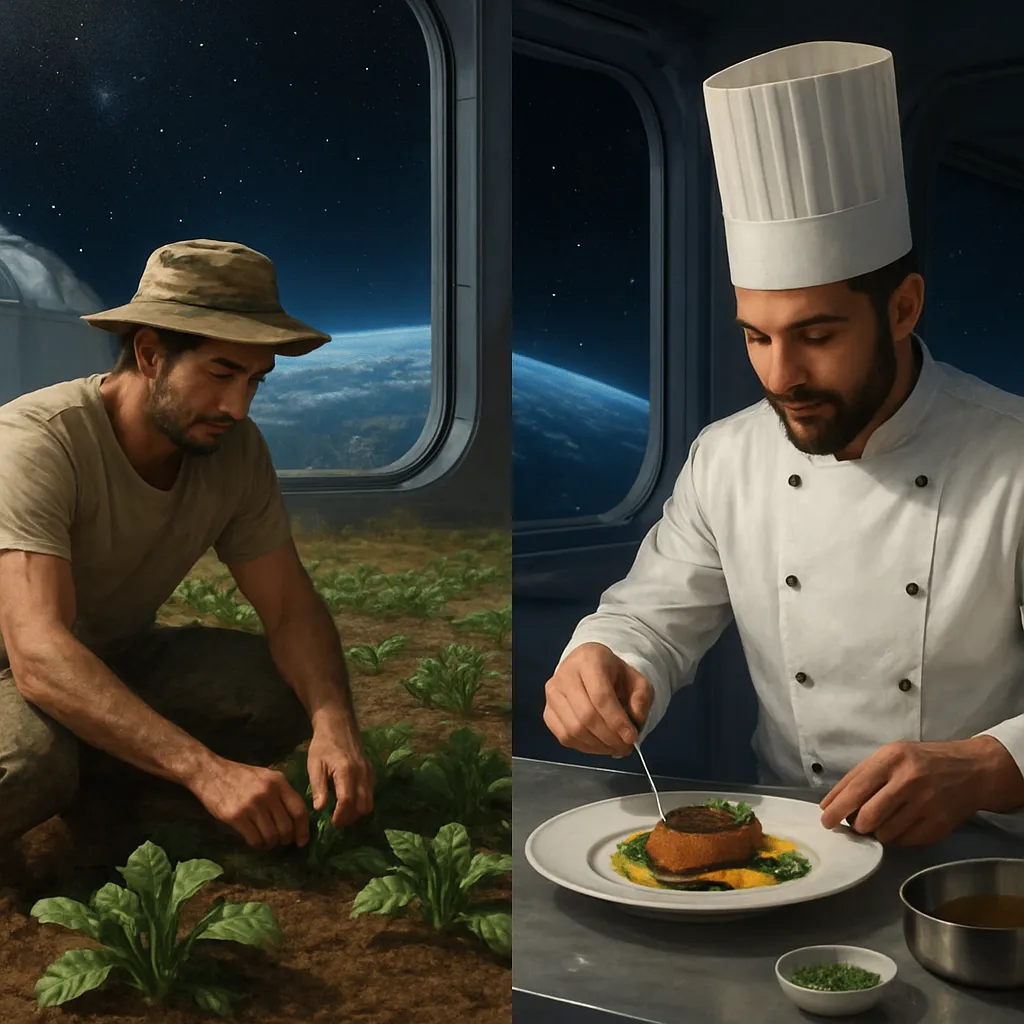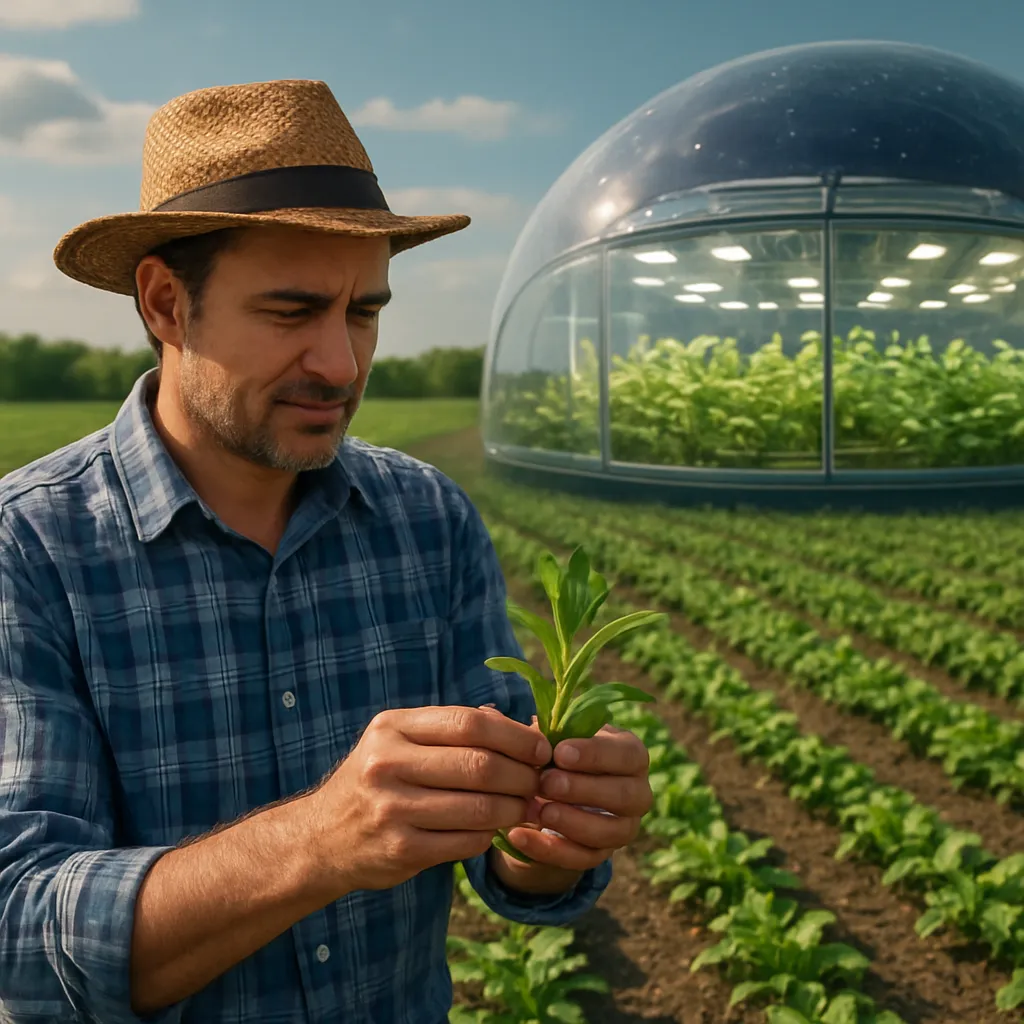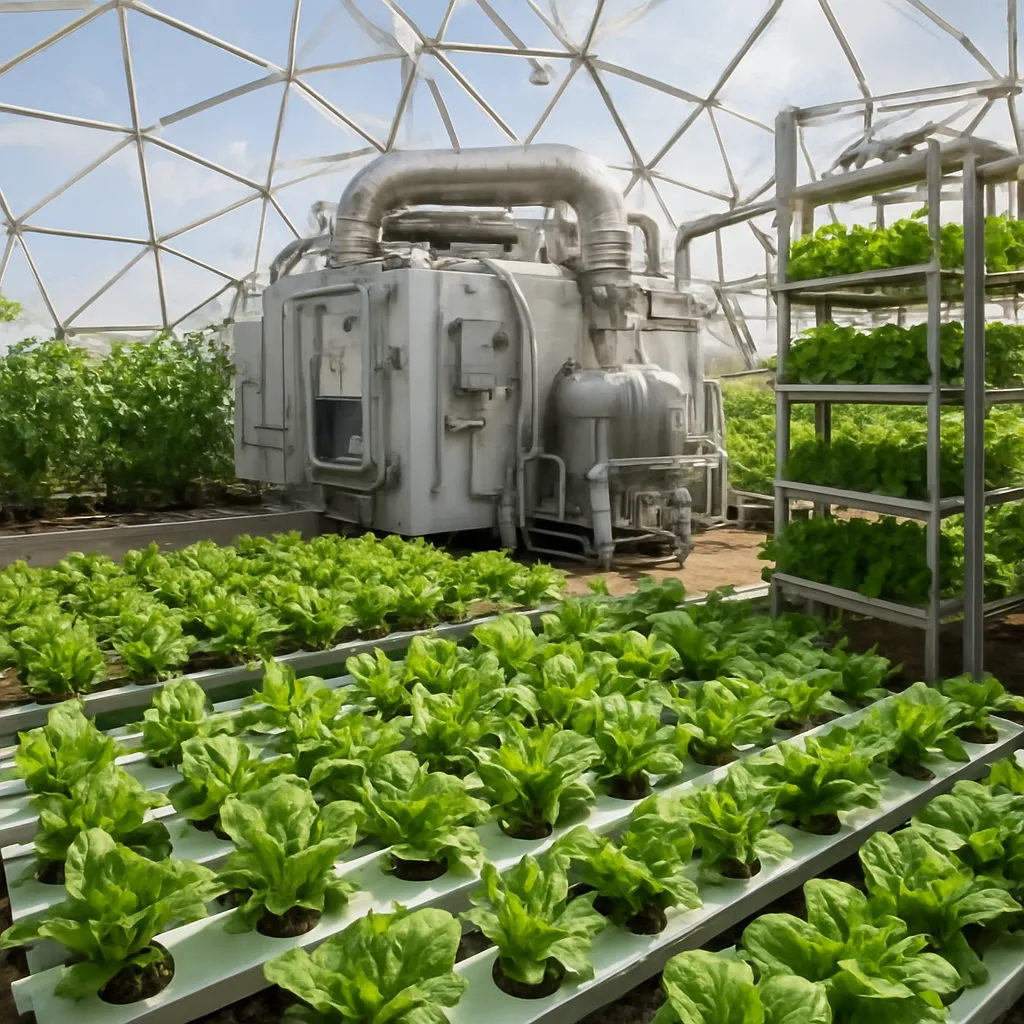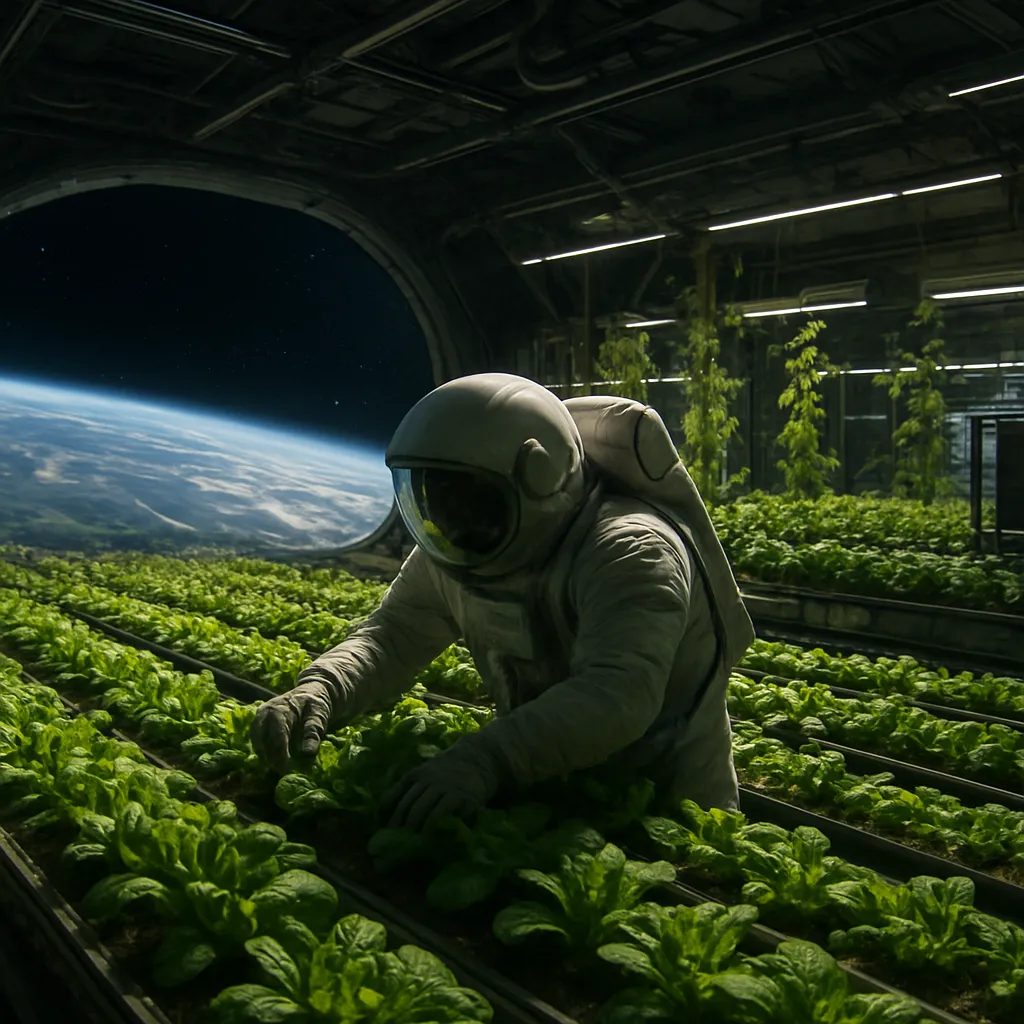
The expansion of human presence beyond Earth depends not only on advanced propulsion or habitat design but also on our capacity to cultivate edible biomass in extraterrestrial environments. Space-based agriculture promises not only to support long-duration missions but also to inspire innovations for terrestrial farming. This article explores the next frontier of crop production in orbit and on planetary surfaces, examining cutting-edge techniques and the challenges that lie ahead.
Growing Crops in Microgravity
Establishing productive gardens aboard space stations calls for rethinking basic principles of plant cultivation under conditions of microgravity. In the absence of a dominant gravitational pull, roots no longer orient downward and water behaves more like suspended droplets than fluid streams. To address these obstacles, researchers have developed specialized growth chambers featuring z-axis restraints and capillary mats. These systems ensure that nutrient solutions remain in close contact with root surfaces, a vital requirement for nutrient uptake and germination.
Key successes aboard the International Space Station include the cultivation of lettuce, radishes, and flowering Arabidopsis, demonstrating that plants can complete their life cycles in orbit. Crew members have witnessed seed germination, leaf expansion, and even pollination in controlled modules. Such breakthroughs affirm that a closed-loop agricultural system is a realistic goal, capable of regenerating oxygen while recycling carbon dioxide and organic waste.
Essential components of microgravity farming:
- Hydroponics trays to circulate nutrient-rich water without soil
- Automated watering systems with capillary feedback loops
- LED lighting arrays providing customizable light spectra for photosynthesis
- Modular plant chambers for easy harvesting and maintenance
Despite these advancements, challenges persist. Biofilm formation on sensors can skew readings, while microbial competition threatens crop health. Mitigating these risks requires robust sterilization protocols and continuous monitoring of both plant and microbial communities.
Technological Innovations Shaping Orbital Agriculture
Progress in space farming hinges on integrating multiple engineering disciplines. From aeroponic misting nozzles to precision robotics that handle delicate seedlings, each subsystem contributes to an efficient cultivation loop. For instance, automated rovers equipped with multispectral cameras can assess plant vigor, guiding nutrient adjustments in real time. Such automation not only reduces crew time but also ensures consistent growth conditions across planting trays.
Advances in aeroponics—a soil-free method where fine droplets deliver water and nutrients directly to roots—have shown particular promise. This technique enhances oxygen availability around root zones, promoting faster growth rates and higher yields. When combined with controlled-environment agriculture, aeroponics can yield leafy greens in a fraction of the time required by conventional farming.
Another breakthrough involves bioregenerative life support modules that incorporate algae bioreactors. These systems harness photosynthetic microorganisms to provide supplemental oxygen and remove carbon dioxide, effectively partnering with higher plants in a synergistic loop. Integrated sensors continuously measure atmospheric composition, liquid output, and biomass accumulation, feeding data into machine learning algorithms that optimize parameters for each growth cycle.
Key engineering trends:
- 3D-printed growth chambers tailored to spacecraft geometries
- Adaptive LED arrays that adjust intensity and spectrum based on plant developmental stage
- Wireless sensor networks for real-time telemetry on temperature, humidity, and pH
- Robotic manipulators capable of delicate pollination and pruning tasks
As miniaturization of electronic components continues, future systems will require less volume and power, further enhancing their suitability for small research platforms or commercial orbital farms.
Lunar and Martian Crop Production
Moving beyond low Earth orbit, the prospect of planting seeds in lunar regolith or Martian dust opens new avenues for human settlement. Preliminary analyses indicate that both surfaces contain essential minerals, including iron, magnesium, and calcium. However, the absence of organic matter and the presence of perchlorates on Mars pose significant hurdles. Before planting, soil analogs must be treated through washing, microbial inoculation, or encapsulation within inert growth media.
Research on Earth using regolith simulants has yielded vigorous radish and turnip sprouts when supplemented with organic compost and microbial consortia. Scientists are also experimenting with genetically modified strains of barley and potato, engineered for improved drought tolerance and enhanced nutrient uptake. These efforts exemplify the role of biotechnology in creating crops tailored to extreme environments.
For lunar greenhouses, key design features include:
- Pressurized modules to maintain Earth-like atmospheric pressure
- Thermal regulation systems to cope with drastic temperature swings
- Radiation shielding using regolith-packed walls or water layers
- Redundant energy sources, such as solar panels and nuclear reactors
On Mars, a network of transparent domes could house hydroponic arrays, while subsurface habitats might exploit geothermal heat and natural regolith insulation. Microbial communities could be harnessed to fix nitrogen and decompose waste, establishing a truly regenerative ecosystem.
Implications for Sustainable Earth Agriculture
While space farming often invokes visions of distant colonies, the technologies developed for extraterrestrial cultivation have direct applications on our home planet. Vertical farms equipped with sustainability-driven designs already mirror space station green modules, using LED lights and closed-loop water recycling to grow produce year-round in urban centers. These systems reduce land use, eliminate pesticide runoff, and shorten supply chains, offering fresh fruits and vegetables to communities regardless of climate or geography.
Moreover, the drive for resource efficiency in space inspires innovations in nutrient recovery and waste valorization. Techniques for extracting water from spacecraft humidity or converting carbon dioxide into biofuels can be repurposed to treat industrial emissions and agricultural runoff on Earth. Such cross-pollination of ideas underscores the symbiotic relationship between off-world exploration and terrestrial sustainability goals.
Future research will likely focus on enhancing plant resilience through selective breeding and gene editing, improving container designs for modular farms, and scaling up bioregenerative systems. As humanity ventures further into the cosmos, the lessons learned from cultivating life in orbit and on other worlds will continue to transform how we feed our planet.