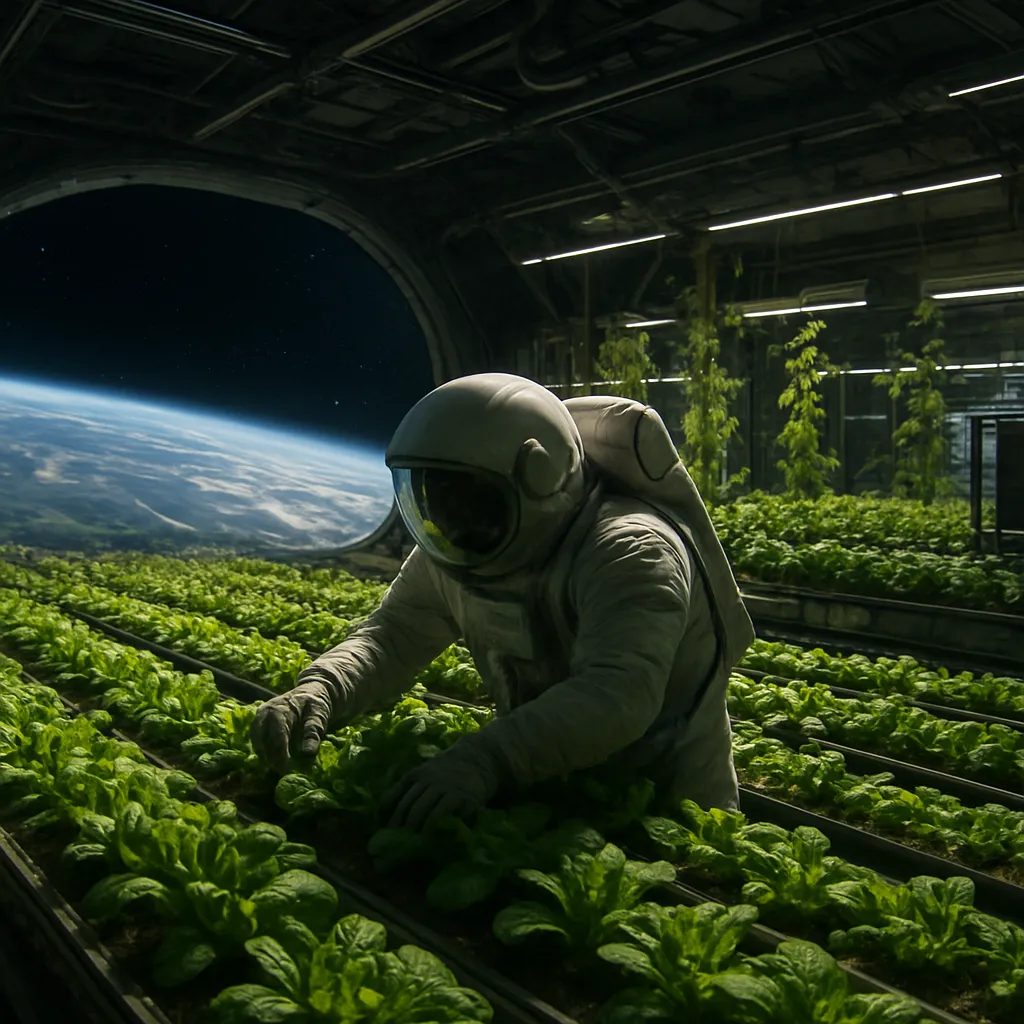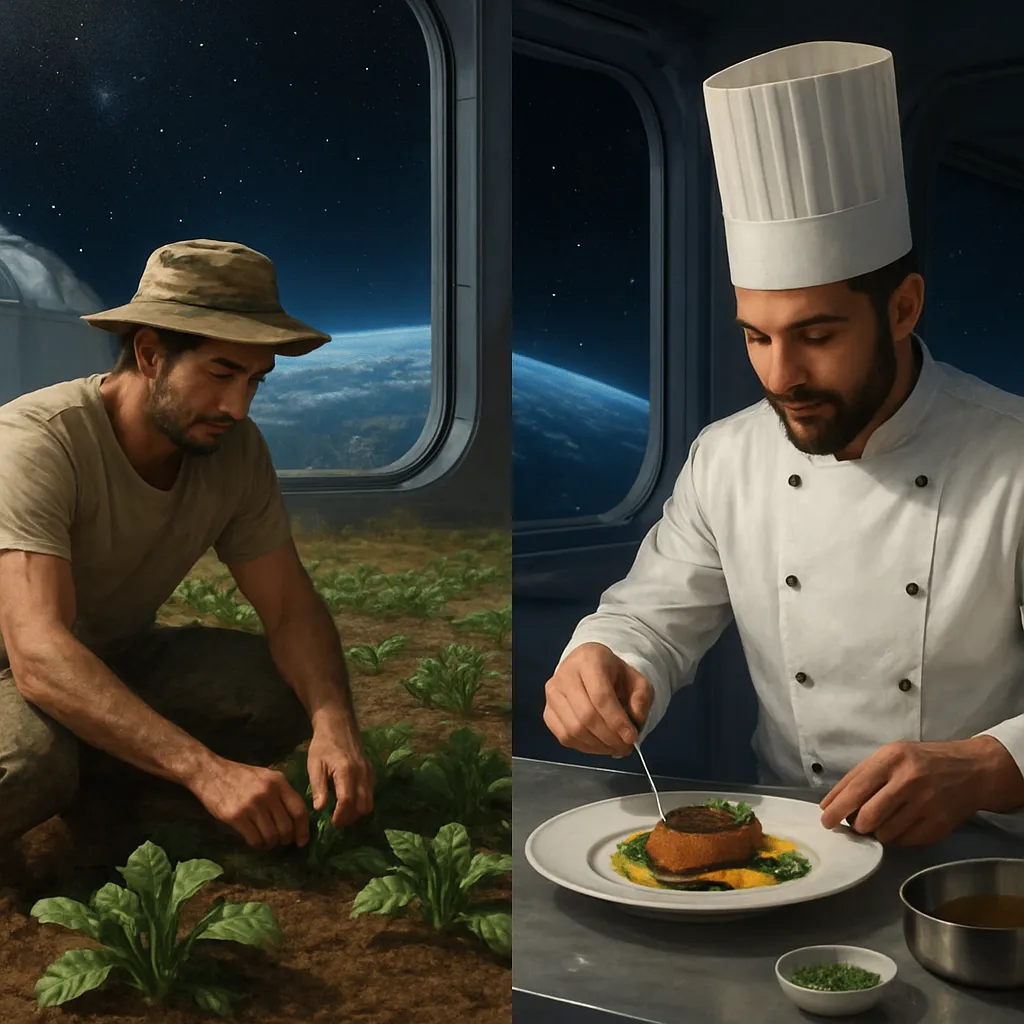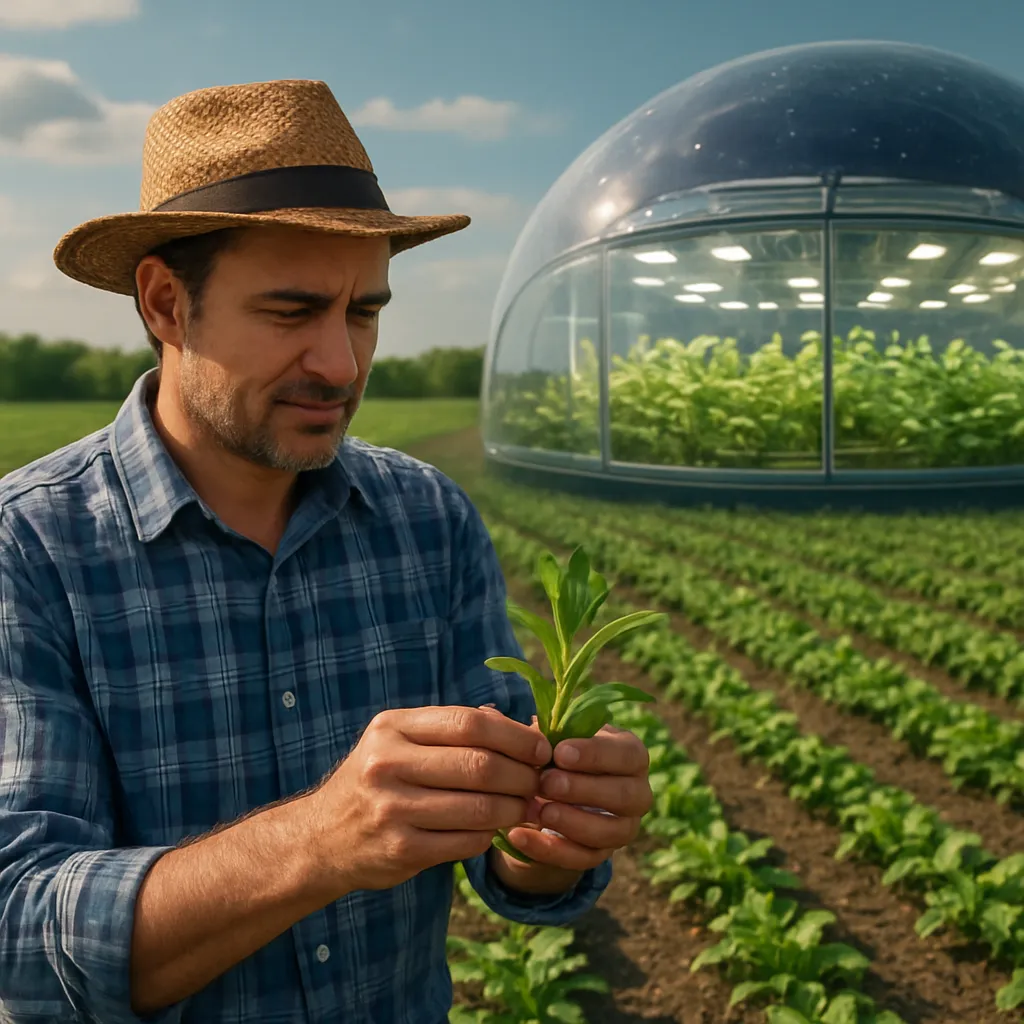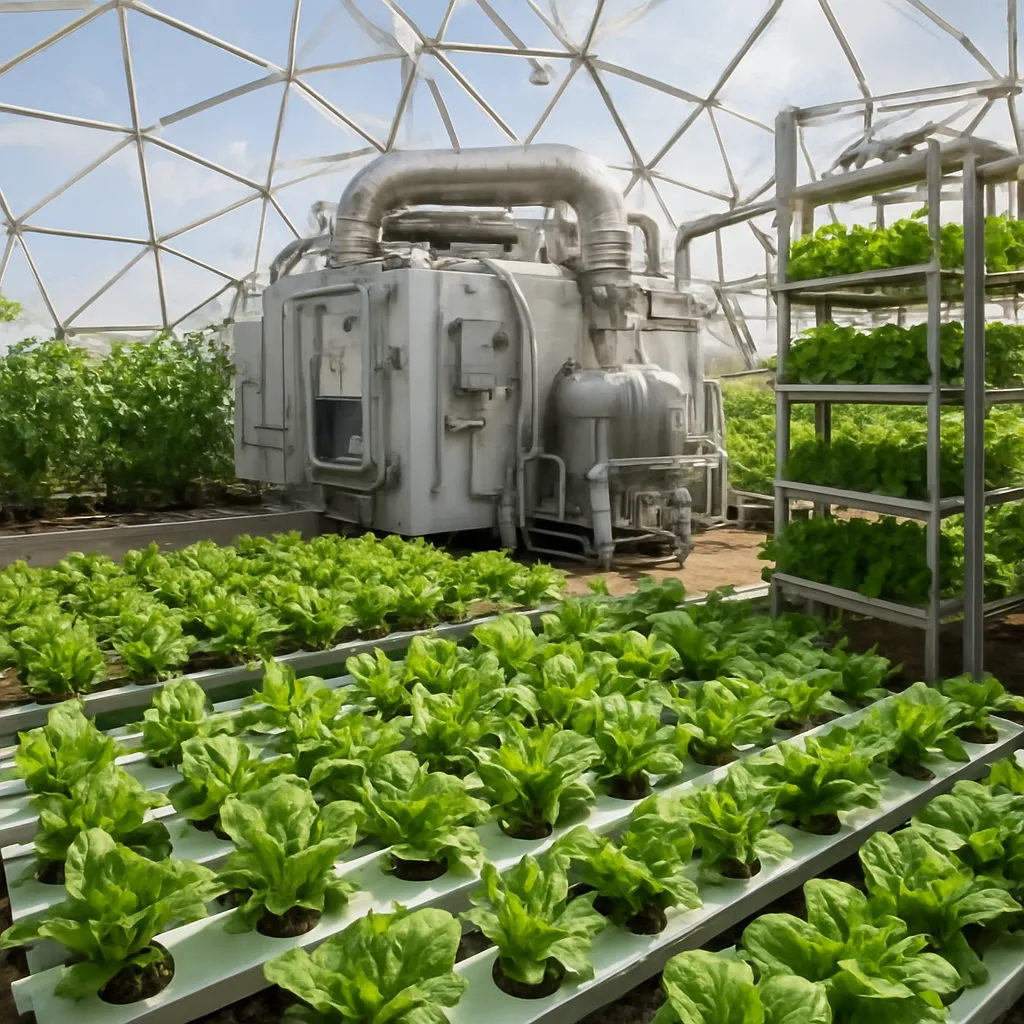
The pursuit of long-duration human presence beyond Earth demands innovative approaches to sustenance and environmental control. By combining **closed-loop** architectures with advanced agricultural modules, space habitats can achieve higher degrees of **sustainability** and crew self-sufficiency. Bridging food production and life support not only reduces resupply dependencies but also enhances habitat **resilience**, fosters psychological well-being, and expands our understanding of **biotechnology** in austere environments.
Controlled Environment Agriculture in Space Habitats
Establishing reliable food systems in microgravity or reduced gravity environments involves a shift from traditional soil-based farming to soilless cultivation techniques. Among these, hydroponics and aquaponics stand out for their efficiency in water usage and nutrient delivery. Hydroponic systems cultivate plants in nutrient-enriched solutions, whereas aquaponic setups couple fish culture with plant growth, recycling waste into fertilizer. Both rely heavily on precise environmental controls and robust monitoring.
Key Advantages of Soilless Cultivation
- Optimized water utilization – losses due to evaporation or percolation are minimized.
- Nutrient consistency – controlled dosing prevents deficiencies and toxicities.
- Compact footprint – vertical farming arrangements maximize use of limited volume.
- Rapid growth cycles – ideal for high-yield, fast-maturing crops such as leaf greens.
Implementing these systems in orbit or on planetary surfaces demands integration with habitat thermal and atmospheric controls. For example, heat rejection from grow lights can be fed into habitat heating loops, while excess humidity can complement crew comfort systems, thus achieving a symbiotic relationship between plant modules and living quarters.
Integration of Food Production and Life Support
Beyond mere cultivation, next-generation space farms must interlock seamlessly with life support subsystems. By using photosynthetic organisms as natural processors of carbon dioxide, habitats can leverage plant respiration to regenerate oxygen. Similarly, microbial reactors and photobioreactors can process organic waste streams into biomass, further closing mass and energy loops.
Mass and Energy Flow Balance
- Carbon dioxide uptake – plants and microalgae consume CO2 exhaled by crew.
- Oxygen production – photosynthesis replenishes breathable air.
- Water recycling – transpiration and condensation cycles support potable water supplies.
- Waste valorization – organic residues feed microbial cultures for edible biomass.
A truly integrated habitat employs advanced **sensors** and control algorithms to adjust lighting spectra, nutrient delivery rates, and gas exchange dynamically. This level of automation permits the system to maintain homeostasis despite external perturbations such as power fluctuations or shifts in crew activity. Through data-driven modeling, predictive maintenance can flag early signs of component degradation, enhancing overall system reliability.
Technological Enablers and Future Directions
Developing space-based agriculture demands interdisciplinary convergence across mechanical, biological, and information engineering. Emphasis must be placed on modularity, ease of assembly, and repairability, particularly for missions with limited ground support. Innovative materials, lightweight structural frames, and foldable modules contribute to lower launch mass and volume constraints.
Key Technological Pillars
- Automation platforms – robotics for planting, harvesting, and module maintenance.
- Advanced lighting – tunable LED arrays optimize photosynthetic efficiency per watt.
- Fault-tolerant controls – redundant actuators and fail-safe valves safeguard nutrient loops.
- Data analytics – machine learning refines growth recipes and predicts subsystem health.
In parallel, breakthroughs in genetic engineering may yield crop varieties tailored for space. Traits such as compact architecture, enhanced nutrient density, and rapid development cycles could revolutionize in situ food production. Exploratory research on edible algae, microbial consortia, and synthetic protein factories opens novel avenues for crew nutrition where conventional crops underperform.
Operational Considerations and Human Factors
Integrating agriculture within living quarters must account for crew workload, microbial safety, and psychological benefits. Tending to plants can alleviate stress and monotony on long missions, but operational protocols must mitigate contamination risks. Rigorous sterilization procedures and compartmentalization of plant modules help ensure microbial communities remain beneficial.
Human-Centered Design Elements
- Ergonomic workstations – optimize access to cultivation trays and control panels.
- Visual connection – transparent walls or viewing ports enhance crew–plant interaction.
- Task scheduling – automated routines minimize manual intervention while preserving engagement.
- Safety interlocks – prevent nutrient spills, overpressurization, or cross-contamination.
Furthermore, integrating small-scale food production aligns well with planetary surface operations. On the Moon or Mars, habitat-based farms can buffer supply chain disruptions and serve as testbeds for local resource utilization. Utilizing in situ resources—regolith for structural infill, subsurface ice for water—augments system **resilience** against launch penalties and complex logistics.
Toward Fully Sustainable Extraterrestrial Habitats
Progressively, the vision of a self-sufficient habitat demands closure of all material cycles. By co-locating plant, microbial, and physical-chemical processing units, missions can drive down mass requirements for consumables. Leveraging real-time telemetry, ground teams can collaborate seamlessly with onboard crews to optimize system performance and adapt to unforeseen challenges.
Ultimately, mastering the fusion of agriculture and life support systems not only paves the way for prolonged space exploration but also yields dual-use technologies for terrestrial applications. Enhanced **resilience** against climate extremes, urban vertical farming, and remote community self-reliance all stand to benefit from lessons learned beyond Earth’s cradle.