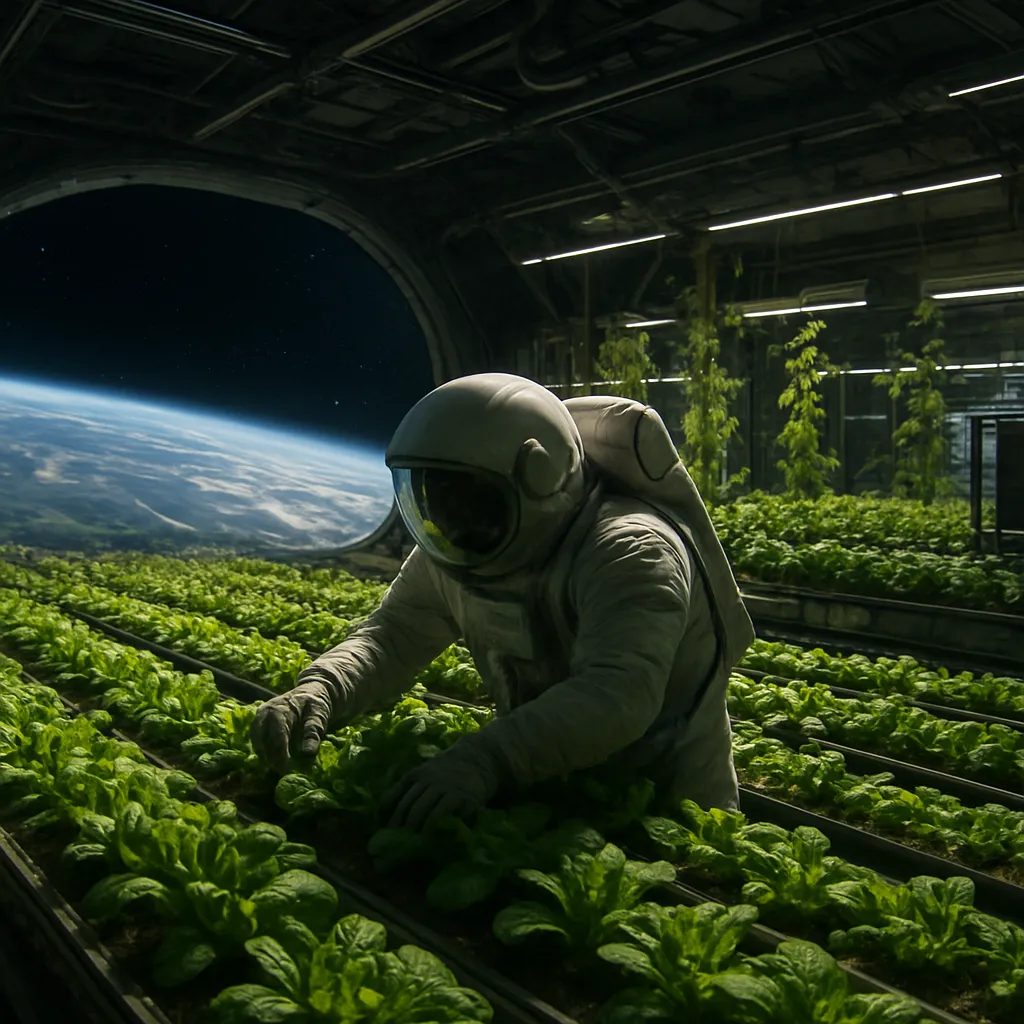
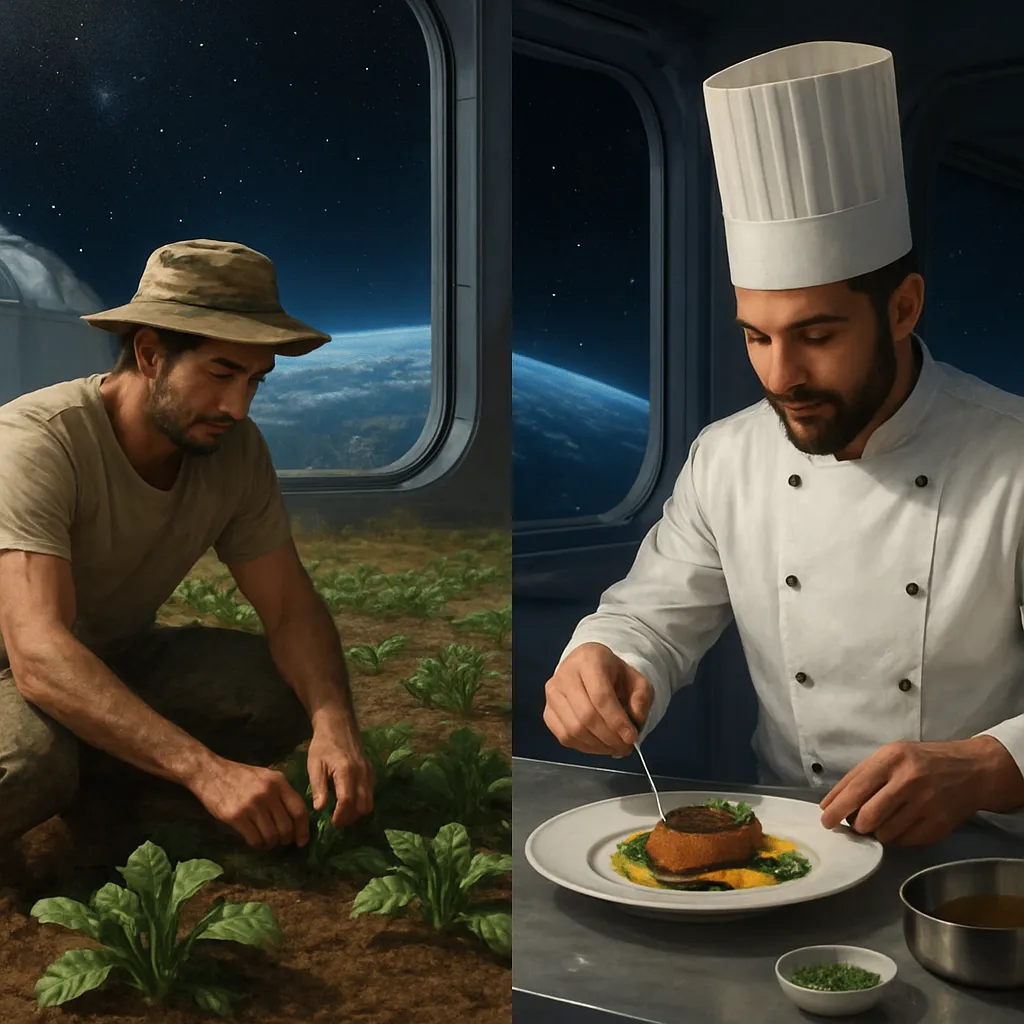
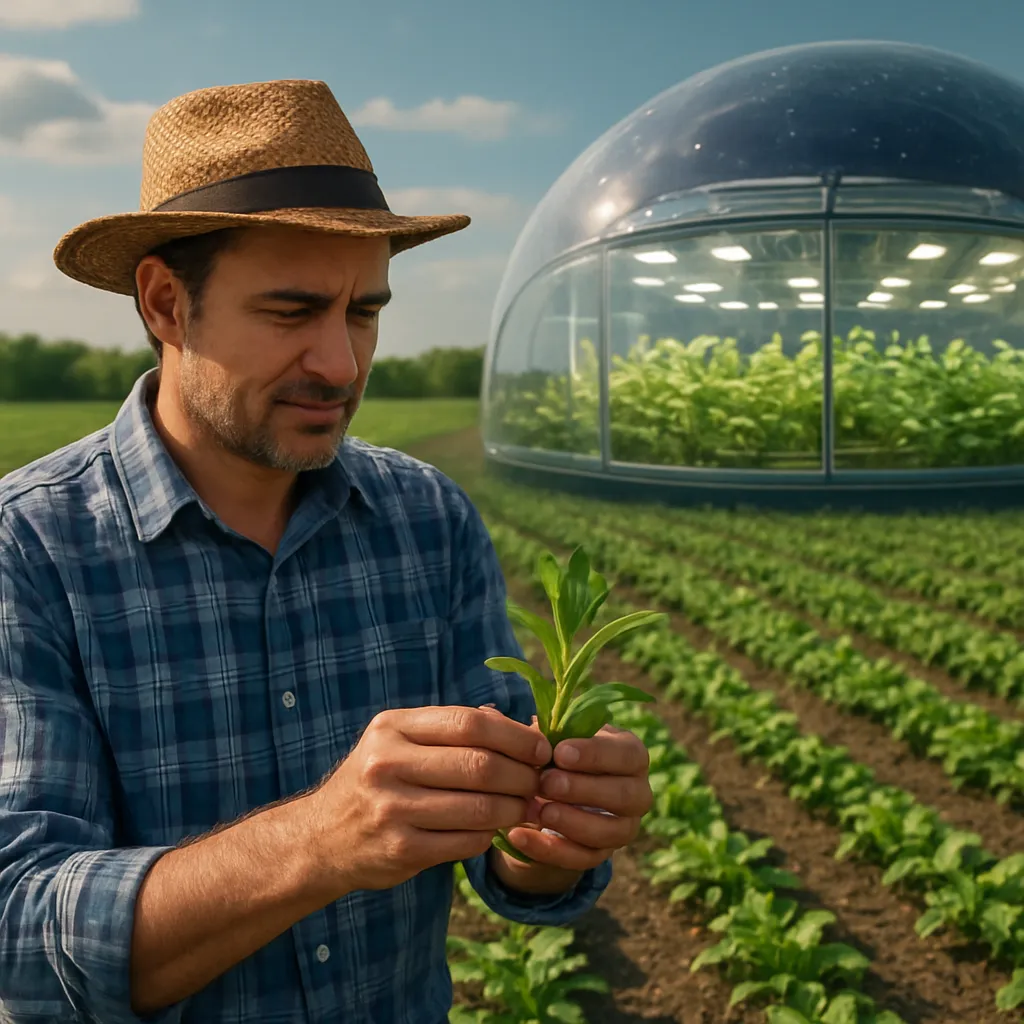
The quest to sustain human life beyond Earth’s atmosphere has placed agriculture at the forefront of space exploration. As missions extend to the Moon, Mars, and beyond, astronauts require a continuous supply of fresh, nutritious food. Traditional Earth-based farming methods fall short in extraterrestrial environments characterized by limited resources, radiation exposure, and microgravity. This article explores how cutting-edge biotechnology can optimize crop yield in space, addressing the unique challenges and leveraging innovative solutions for off-world cultivation.
Challenges of Cultivating Plants in Microgravity
Growing crops in space presents a suite of constraints unseen on Earth. Microgravity disrupts the normal orientation of roots and shoots, impacting photosynthesis efficiency and water distribution. Radiation from cosmic rays can damage cellular DNA, leading to reduced germination rates and stunted growth. Moreover, closed-loop life support systems must recycle water and nutrients with high precision, minimizing waste. Overcoming these hurdles requires an interdisciplinary approach, combining plant physiology, materials science, and genetic innovation.
Root Behavior and Water Management
- Without gravity-driven pressure, roots struggle to sense water gradients.
- Traditional soil substrates are heavy; hydroponic or aeroponic systems must be optimized for particle-free nutrient delivery.
- Capillary action and membrane-based filters become critical for uniform hydration.
Radiation-Induced Stress
- High-energy particles induce DNA strand breaks, challenging plant repair mechanisms.
- Enhanced resilience through targeted gene expression can mitigate mutation rates.
- Shielding is heavy; leveraging biological defenses reduces reliance on mass-intensive materials.
Innovations in Space Agriculture through Biotechnology
Modern genetic tools allow scientists to tailor plant genomes for optimal performance in extraterrestrial conditions. By editing key regulatory pathways, researchers can boost crop yields, improve nutrient profiles, and accelerate growth cycles under artificial lighting. These breakthroughs support long-duration missions and contribute to Earth-based food security by revealing stress-tolerant traits.
CRISPR and Targeted Genome Editing
CRISPR-Cas systems offer a precise method to alter genes associated with stress response, growth rate, and metabolic efficiency. For example, modifying photoreceptor genes can adapt plants to LED light spectra, maximizing energy capture. Key applications include:
- Enhancement of antioxidant pathways to counteract oxidative stress from cosmic radiation.
- Upregulation of root hair development genes to improve water and nutrient uptake.
- Introduction of novel metabolic routes for synthesizing essential amino acids and vitamins.
Synthetic Biology and Metabolic Engineering
Synthetic circuits can be embedded within plant cells to regulate gene expression dynamically. Researchers are developing:
- Light-responsive modules that trigger flowering or dormancy on command.
- Switches for controlled release of phytohormones, optimizing growth phases in confined habitats.
- Engineered symbiotic microbes that fix nitrogen directly on plant roots, reducing fertilizer mass.
Controlled Environment Systems and Nutrient Delivery
In space habitats, Closed-loop Environmental Agriculture Platforms (CEAPs) integrate hydroponics, aeroponics, and soil analogues to deliver precise nutrient mixes. Automation and sensor networks monitor plant health, adjusting parameters such as pH, humidity, and light intensity in real time. These systems rely on robust data analytics and machine learning to predict and correct deviations before crop performance declines.
Sensor-Driven Growth Chambers
- Multispectral imaging tracks chlorophyll concentration and growth patterns.
- Microelectrode arrays measure ion concentrations, ensuring balanced nutrition.
- Robotic arms handle seeding, pruning, and harvest, minimizing crew labor.
Resource Recycling and Waste Management
Efficient recycling transforms inedible biomass and human wastewater into plant feedstocks. Innovations include:
- Microbial bioreactors that convert organic waste into ammonium and nitrates.
- Membrane biocatalysts filtering toxins while preserving valuable minerals.
- Closed nutrient loops enhanced by genetically programmed microbiomes to maintain soil health analogues.
Future Directions and Mission Integration
As space agencies and private enterprises plan lunar bases and Mars outposts, scalable biotechnological solutions will be pivotal. Integrating plant growth modules with habitat design demands collaboration between architects, engineers, and life scientists. Key priorities include:
- Developing modular farm units that can be deployed on planetary surfaces with minimal assembly.
- Standardizing genetic chassis for rapid adaptation to new environments.
- Establishing open-source platforms for sharing bio-designs and experimental data across international teams.
By harnessing the power of CRISPR, automation, and advanced metabolism engineering, future explorers will cultivate robust, nutrient-rich crops far from Earth. These technologies not only underpin the sustainability of deep-space missions but also drive innovation back on our home planet, ensuring safer, more efficient food production under ever-changing environmental stresses.