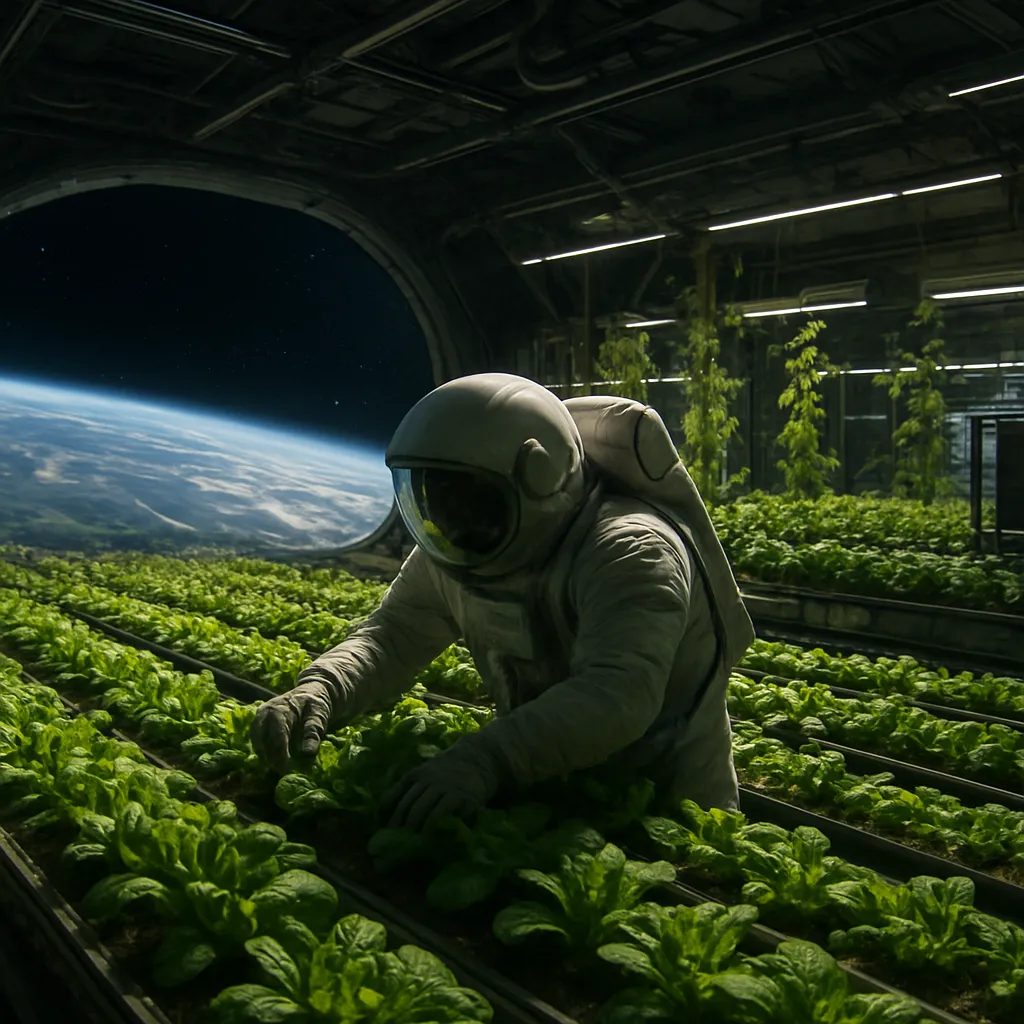
Growing fresh produce beyond Earth’s atmosphere presents a host of unique obstacles, chief among them the design of efficient storage systems that maintain crop quality from harvest to consumption. As humanity ventures further into space, innovations in preservation and packaging become vital to ensure the safety, nutrition, and palatability of space-grown fruits and vegetables. This article explores the key considerations and emerging solutions for optimizing storage of produce cultivated in orbit and on other celestial bodies.
Environmental Challenges in Space Storage Systems
Microgravity Effects on Packaging
In microgravity environments, traditional packaging materials may shift unpredictably, risking damage to delicate produce. Abrasions from contact with container walls can accelerate spoilage by rupturing cell walls. To counteract this, storage units must employ shock-absorbing liners and adaptive fixation methods that stabilize items without applying excessive pressure. This approach preserves the structural integrity of plant tissues and minimizes waste.
Thermal Control and Temperature Regulation
Spacecraft and lunar habitats experience extreme temperature variations. Without Earth’s atmospheric buffering, produce can become too cold or overheated within hours. Advanced thermal insulation, paired with active cooling systems, maintains an optimal range, typically between 1°C and 4°C for most vegetables. Incorporating phase change materials (PCMs) directly into storage walls provides passive temperature control during power interruptions, safeguarding the freshness of harvested crops.
Atmospheric Composition and Humidity Management
Proper gas composition is crucial to inhibit microbial growth and delay senescence. Elevated carbon dioxide levels can extend shelf life by slowing respiration, while oxygen must be sufficient to prevent anaerobic decay. Maintaining relative humidity above 85% prevents wilting but increases condensation risk, so multi-layer membranes and humidity sensors work in tandem to modulate moisture levels. These systems ensure a delicate balance, optimizing both shelf-life and nutrient retention.
Innovative Storage Solutions for Space-Harvested Crops
Modular Preservation Units
Modularity allows storage units to be reconfigured based on mission duration and crew size. Each module contains:
- Integrated sensors for real-time monitoring of temperature, humidity, and gas levels
- Selective absorption materials that scavenge ethylene, delaying ripening in climacteric fruits
- Electrically driven fans to circulate air and maintain uniform conditions
This flexibility reduces resource consumption and permits dynamic scaling to match harvest cycles, from leafy greens to tubers.
Vacuum-Sealed Biodegradable Packaging
Conventional plastics pose a long-term waste challenge in closed environments. Biodegradable films, reinforced with natural fibers, offer protection against microbial infiltration and mechanical damage. Vacuum sealing minimizes oxygen presence, further extending storage time without chemical preservatives. After use, these materials can be decomposed in on-board composting reactors, closing the loop on organic recycling.
Smart Active Packaging
Embedding microelectronic patches into packaging surfaces enables active control over internal conditions. These patches can:
- Release antimicrobial agents in response to rising humidity
- Emit low-intensity UV-C light to sterilize surfaces periodically
- Adjust permeability to gases based on sensor feedback
Such systems harness automation to react instantly to environmental changes, minimizing human intervention and preserving the sensory quality of space-grown produce.
Advanced Technological Integrations and Future Directions
Artificial Intelligence and Predictive Analytics
Machine learning algorithms analyze data streams from storage sensors to predict spoilage events before they occur. By correlating trends in gas composition, temperature fluctuations, and moisture levels, AI-driven platforms optimize preservation protocols. Predictive maintenance alerts ensure that thermal control units and fans receive timely repairs, reducing the risk of sudden system failures that could lead to significant crop losses.
Robotics and Automated Handling
Zero-gravity robotics equipped with delicate grippers transport produce from growth chambers to storage units. These robotic arms use computer vision to assess each item’s ripeness and adjust handling force accordingly. Automated transfer pathways minimize manual handling, reducing contamination risks and ensuring that each piece of produce arrives in storage in peak condition.
Integration with Controlled Environment Agriculture (CEA)
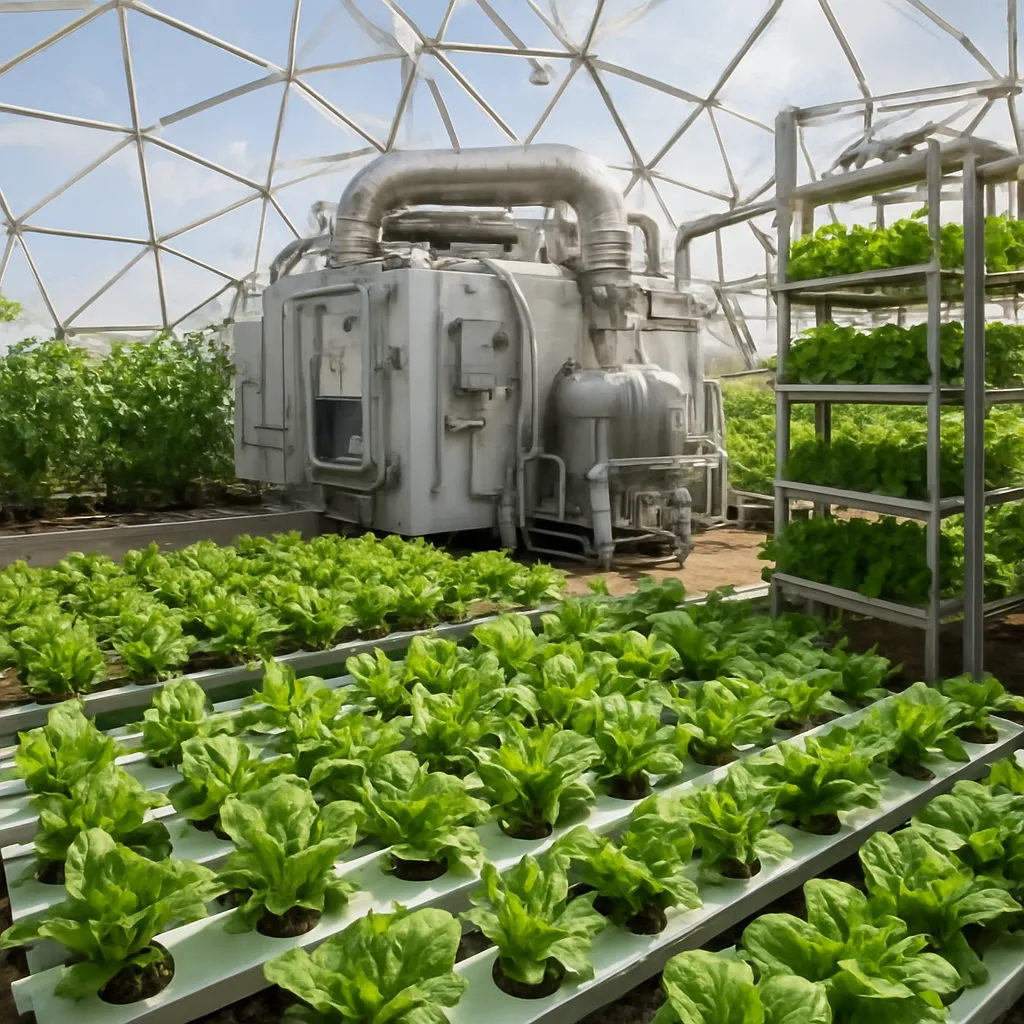
Linking storage modules directly to hydroponic and aeroponic farms streamlines the post-harvest process. Freshly harvested leaves and fruits move along enclosed chutes into storage, cutting down on exposure to ambient contaminants. This seamless integration enhances resource efficiency, allowing for on-demand distribution of nutrient-rich foods throughout the habitat.
Towards Sustainable Long-Duration Missions
For missions to Mars and beyond, storage strategies must evolve to handle produce cultivated under radiation shielding and variable gravity conditions. Concepts under exploration include:
- Self-healing packaging materials that seal minor punctures autonomously
- Magnetically controlled airflow systems that function without conventional fans
- Hybrid photobioreactors combining algae-based oxygen production with food storage capabilities
These innovations aim to create holistic ecosystems where nutrition, safety, and sustainability converge, supporting human crews on interplanetary voyages for years at a time.
.u Enhanced collaborations between aerospace engineers, biologists, and materials scientists will continue to drive breakthroughs in storage design. As astronauts rely increasingly on locally produced foods, robust preservation methods become as essential as the grow lights and nutrient solutions used in cultivation. By prioritizing resource efficiency, environmental resilience, and intelligent automation, the next generation of storage systems will secure fresh, nutritious produce for explorers venturing to the Moon, Mars, and beyond.