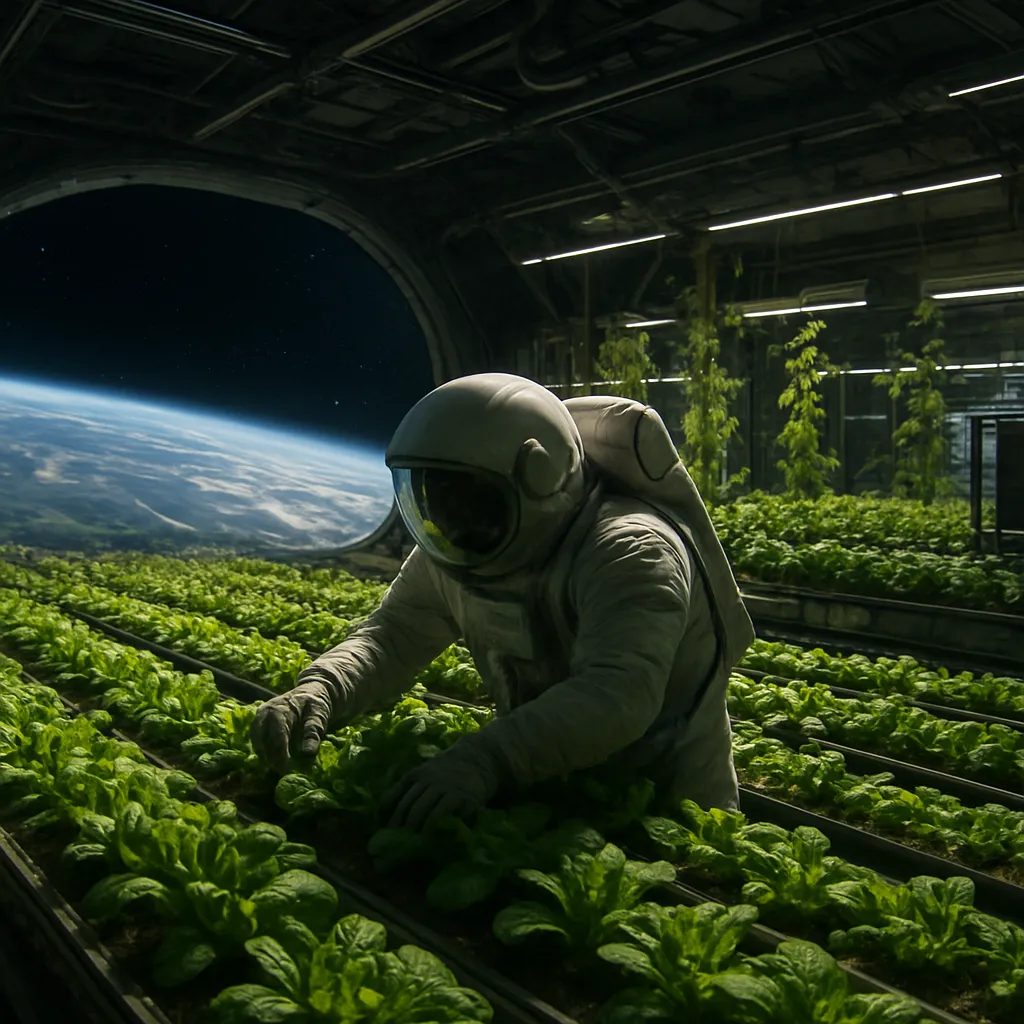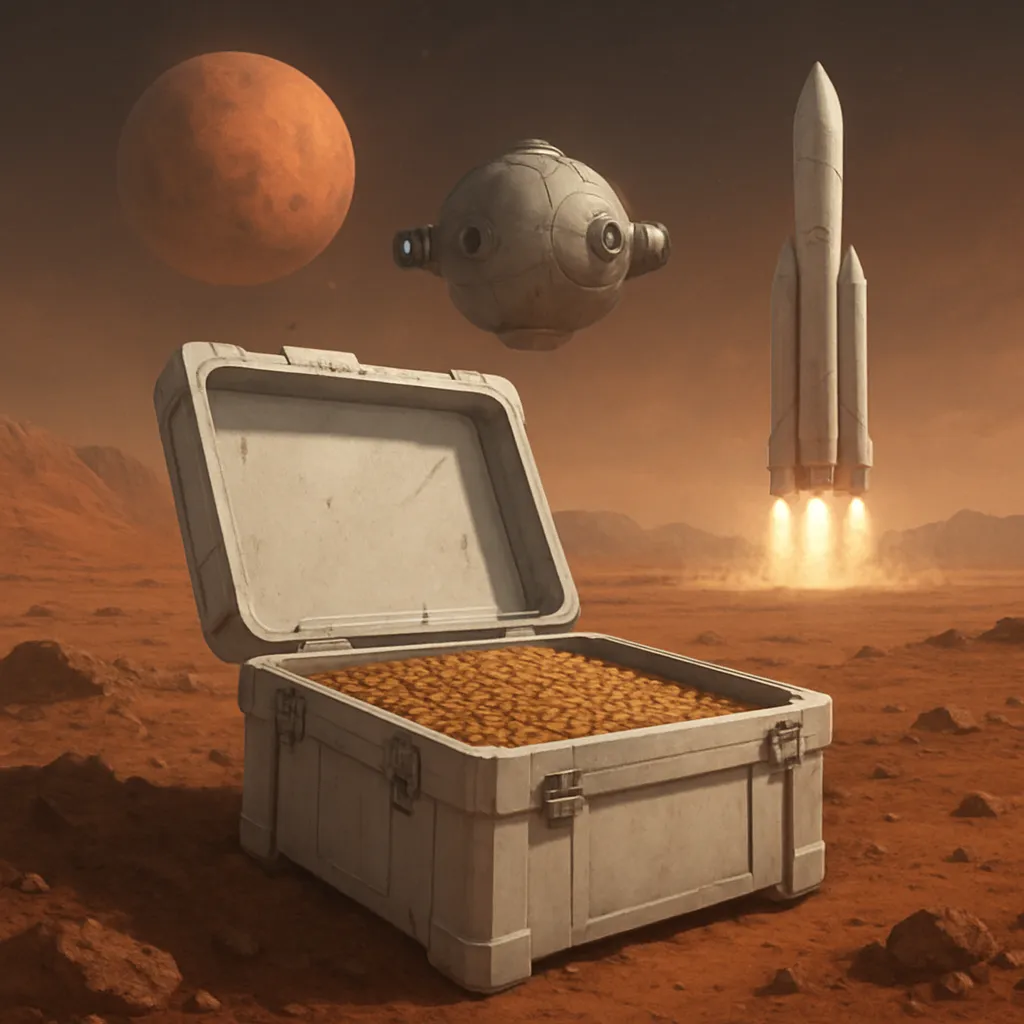
The ambition to cultivate plants beyond Earth’s surface demands a deep understanding of how to safely and effectively move botanical life across astronomical distances. Challenges arise from harsh cosmic environments, limited spacecraft resources, and the necessity to maintain seed viability during prolonged missions. Exploring these frontiers not only paves the way for sustainable off-world colonies but also expands our knowledge of plant resilience under extreme conditions.
Environmental Challenges
Transiting seeds through space involves exposing them to factors far removed from terrestrial norms. Cosmic rays and high-energy particles present a continuous threat to genetic material, potentially causing mutations or destroying seed integrity. Additionally, maintaining a stable temperature and humidity within seed compartments is essential for preserving dormancy and preventing premature germination.
Radiation Exposure and Genetic Integrity
Seeds in transit must endure ionizing radiation levels that can break DNA strands. Strategies to mitigate radiation-related damage include:
- Embedding seeds in radiation-absorbing matrices
- Placing them within shadowed spacecraft regions or behind water shielding
- Incorporating DNA repair enzyme cocktails to assist post-flight restoration
Research shows that certain seed species possess inherent protective mechanisms, involving DNA-binding proteins that reduce strand breaks. Identifying and selecting these resilient varieties is a key front in space agriculture planning.
Microgravity and Mechanical Stress
Within low-gravity environments, seeds float and collide, risking mechanical damage. Special containers equipped with cushioned compartments and magnetic stabilization systems can control movement. Moreover, the absence of gravity influences fluid dynamics around seeds, potentially affecting hydration processes during storage and early germination trials on arrival.
Biological Factors Affecting Seed Transport
Even when physical hazards are addressed, biological traits intrinsic to seeds dictate success rates. Dormancy mechanisms, dormancy-breaking requirements, and inherent metabolic rates under varying conditions must be factored into mission design.
Dormancy and Preservation Techniques
Many seeds rely on dormancy to survive unfavorable seasons. Replicating these conditions artificially ensures extended storage life in space. Cryogenic protocols, for example, maintain temperatures near -196°C, significantly slowing metabolic decay. However, these techniques demand robust thermal control systems and introduce additional logistics burdens.
- Desiccation to optimal moisture levels (3–7%)
- Application of inert gas atmospheres (argon or nitrogen)
- Use of antioxidant compounds to prevent lipid peroxidation
Species Selection and Genetic Diversity
Choosing the right plant species is fundamental. Crops with small, hardy seeds—such as grains and legumes—offer advantages in mass and resource efficiency. Yet, ensuring genetic diversity within transported lots is crucial. A narrow genetic pool increases vulnerability to diseases and reduces adaptability to Martian or Lunar soils. Therefore, seed banks must balance quantity, variety, and the logistical constraints of space travel.
Logistical Barriers and Solutions
Beyond the biological and environmental realms, logistical constraints dominate mission planning. Payload size, weight restrictions, and energy budgets necessitate a careful approach to seed packaging, tracking, and distribution once arriving on target planets.
Packaging and Container Design
Spacecraft have extremely limited volume and mass allowances. Innovative container designs integrate multifunctional roles:
- Structural elements doubling as seed storage racks
- Embedded sensors monitoring temperature, humidity, and atmospheric composition
- Modular compartments enabling rotation of seed batches to equalize exposure
These systems must remain operable under potential collisions during launch and landing, ensuring seeds remain uncontaminated and primed for germination upon release into growth facilities.
On-Site Distribution and Planting Strategies
Once seeds reach extraterrestrial greenhouses or regolith-based farms, efficient distribution becomes paramount. Automated planting rovers can deposit seeds at predetermined locations, maintaining precise depth and spacing. Incorporating local soil simulants poses additional challenges, as Martian dust is abrasive and potentially harmful. Enclosed hydroponic systems circumvent direct contact with sterility concerns, yet introduce complexities in water recirculation and nutrient delivery.
Technological Innovations and Future Directions
Pioneering efforts aim to refine seed transport and cultivation by harnessing cutting-edge technologies. From nanomaterial-based seed coatings to AI-driven environmental control, the horizon holds transformative possibilities.
Nanocoatings for Enhanced Protection
Applying ultrathin, multifunctional nanocoatings around seeds can shield against radiation, microbial invasion, and mechanical abrasion. These coatings may include:
- Layered graphene sheets for radiation attenuation
- Biodegradable polymers releasing growth hormones upon rehydration
- Embedded sensors transmitting real-time viability data
This approach streamlines the combination of preservation and monitoring, alleviating crew workload and conserving life support resources.
Artificial Intelligence in Environmental Control
Advanced AI platforms analyze sensor data from seed storage and germination chambers, dynamically adjusting nutrient solutions, airflow rates, and light spectra to create optimal conditions. Machine learning algorithms can predict potential failures—such as moisture imbalances or temperature spikes—and enact preventive measures autonomously, crucial for missions with limited human oversight.
Integrating Bioreactors for Closed-Loop Farming
Future designs incorporate bioreactors that recycle plant waste into growth substrates and fertilizer, forming a sustainable loop. By coupling seed-to-harvest systems with microbial consortia that decompose biomass, space habitats aim to achieve near-total preservation of water and nutrients, reducing resupply dependency.
Interplanetary Collaboration and Regulatory Frameworks
Transporting seeds across planets intersects with legal and ethical considerations. International space treaties regulate the potential cross-contamination of ecosystems. Ensuring compliance requires thorough planetary protection protocols and transparency among participating agencies and private enterprises.
Planetary Protection and Biosecurity
Protocols mandate decontamination of seed containers to prevent forward and backward contamination. Techniques include:
- Cold plasma sterilization of external surfaces
- Ultraviolet-C irradiation for internal chambers
- Double-walled sealed containers with integrity monitoring
These measures align with the overarching goal of preserving the native state of target celestial bodies while protecting Earth’s biosphere upon return missions.
Collaborative Research Networks
Global collaboration platforms share data on seed performance, environmental simulations, and design blueprints for transport systems. Standardizing data formats and experiment protocols accelerates innovation and reduces redundant efforts. Through joint initiatives, stakeholders can pool resources, cross-validate findings, and establish best practices for next-generation space agriculture.