Designing crop varieties that thrive under extreme weather and poor soil conditions has become a central goal in modern agriculture. With unpredictable rainfall, rising temperatures, and increasing soil degradation, researchers and farmers alike seek innovative strategies that enhance resilience and secure global food supplies for future generations.
Understanding Environmental Stresses
Abiotic Factors Impacting Crop Growth
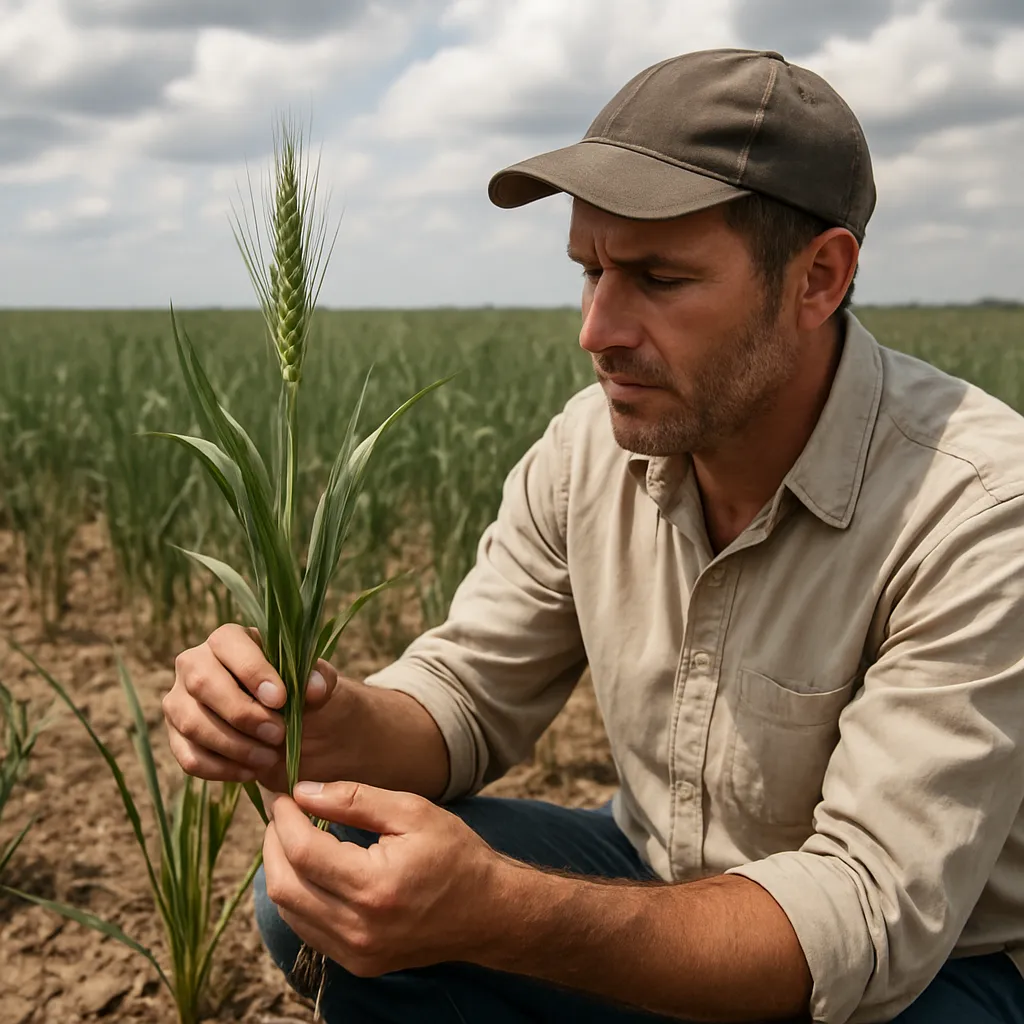
Environmental stresses can be broadly classified as abiotic or biotic. Among the abiotic factors, water scarcity and soil salinization pose the greatest threats to yield stability. Drought episodes reduce water availability for plant processes, while high salt concentrations disrupt nutrient uptake. To combat these challenges, scientists are mapping stress-responsive traits across diverse genetic backgrounds.
Biotic Interactions Under Stress
Pests and diseases often exploit weakened plants subjected to harsh conditions. Heat-stressed crops, for instance, may exhibit compromised immune responses, leaving them vulnerable to fungal attacks. Integrated pest management must therefore be paired with stress-tolerant varieties to maintain ecosystem balance and minimize reliance on chemical controls.
- Heat waves and temperature extremes
- Waterlogging and salinity intrusion
- Nutrient deficiencies in degraded soils
- Synergistic effects of combined stresses
Advances in Genetic Approaches
Leveraging Traditional Breeding and Germplasm Libraries
Classical breeding techniques have historically generated varieties with improved performance under specific conditions. By tapping into global germplasm collections, breeders can identify landraces adapted to marginal environments. Crosses between high-yielding lines and stress-adapted relatives yield progeny with balanced traits for both productivity and stress tolerance.
Role of Molecular Tools in Trait Discovery
Molecular markers accelerate the selection process by enabling breeders to track genes linked to key characteristics. Marker-assisted selection greatly reduces the time required to introgress traits such as drought tolerance and salinity resistance into elite backgrounds. Coupled with high-throughput phenotyping platforms, genomic information guides targeted improvement programs.
CRISPR and Next-Generation Gene Editing
The advent of CRISPR technology revolutionizes the precision with which desirable alleles can be edited. By knocking out susceptibility genes or modifying regulatory regions that control stress response pathways, scientists engineer crops with enhanced survival under erratic conditions. This precise approach complements broader biotechnology strategies and supports regulatory frameworks favoring sustainable innovation.
- Identification of stress-responsive gene networks
- Genome-wide association studies (GWAS) for complex traits
- Transgenic approaches to introduce novel functions
- Epigenetic modifications for rapid adaptation
Field Implementation and Sustainable Practices
On-Farm Trials and Participatory Breeding
Real-world evaluation is essential to validate laboratory findings. Participatory breeding involves farmers directly in on-farm trials, ensuring that selected varieties perform well under local agronomic practices. Feedback loops between researchers and growers expedite the release of cultivars tailored to regional challenges.
Conservation Agriculture and Soil Health
Crop genetic improvements must be integrated with sustainable land management. Practices such as minimum tillage, cover cropping, and crop rotation preserve soil structure, improve water infiltration, and boost microbial diversity. Healthy soils amplify the benefits of stress-tolerant varieties by providing a supportive environment for root development.
Precision Agriculture and Sensor Technologies
Emerging sensor networks monitor soil moisture, canopy temperature, and nutrient status in real time. Precision irrigation systems apply water where and when it is needed most, reducing waste and maximizing the yield potential of stress-resilient cultivars. Data-driven decision support tools help farmers optimize input use efficiency under variable conditions.
- Variable-rate seeding and fertilization
- Remote sensing for early stress detection
- Decision support platforms integrating weather forecasts
- Resource-efficient irrigation and drainage systems
Future Prospects and Challenges
Addressing global food security in the face of mounting environmental threats demands a holistic blend of cutting-edge science and ground-level stewardship. Advances in genetic engineering and gene editing must be accompanied by policies that support equitable technology transfer to resource-limited regions. Cross-sector partnerships can drive capacity building and ensure that farmers benefit from the latest innovations.
Climate-resilient crop design remains a dynamic field where interdisciplinary collaboration is key. Integrating computational modeling, artificial intelligence, and systems biology promises to unravel complex trait interactions. Continued investment in research infrastructure and open-data initiatives will empower breeders to harness genetic diversity more effectively.
By uniting state-of-the-art molecular tools with sustainable agronomic practices and inclusive breeding strategies, the agricultural community can develop varieties capable of withstanding the rigors of future climates. The journey toward truly resilient food systems hinges on our collective commitment to innovation, stewardship, and global cooperation.